Clinicopathological Features and Mortality in Patients With Kaposi Sarcoma and HIV: A Retrospective Analysis of a Thirty-Year Study From a Peruvian Oncologic Center
- PMID: 35728013
- PMCID: PMC9232365
- DOI: 10.1200/GO.21.00379
Clinicopathological Features and Mortality in Patients With Kaposi Sarcoma and HIV: A Retrospective Analysis of a Thirty-Year Study From a Peruvian Oncologic Center
Abstract
Purpose: Kaposi's sarcoma (KS) is a multifocal angioproliferative disease. In Peru, the implementation of the highly active antiretroviral treatment (HAART) program was in 2005, the model for treating patients with HIV-positive KS shifted to a potential cure. In this study, we aim to compare clinicopathological characteristics and prognostic factors associated with outcomes in patients with HIV-positive KS.
Methods: We developed a retrospective cohort study that includes patients with HIV/AIDS and KS seen in the Instituto Nacional de Enfermedades Neoplasicas between 1987 and 2017. Patients were divided into two groups according to the implementation of HAART in our country: the non-HAART group and those treated with HAART after 2005. Multivariate analysis for overall survival (OS) was performed with the Cox proportional hazard regression model.
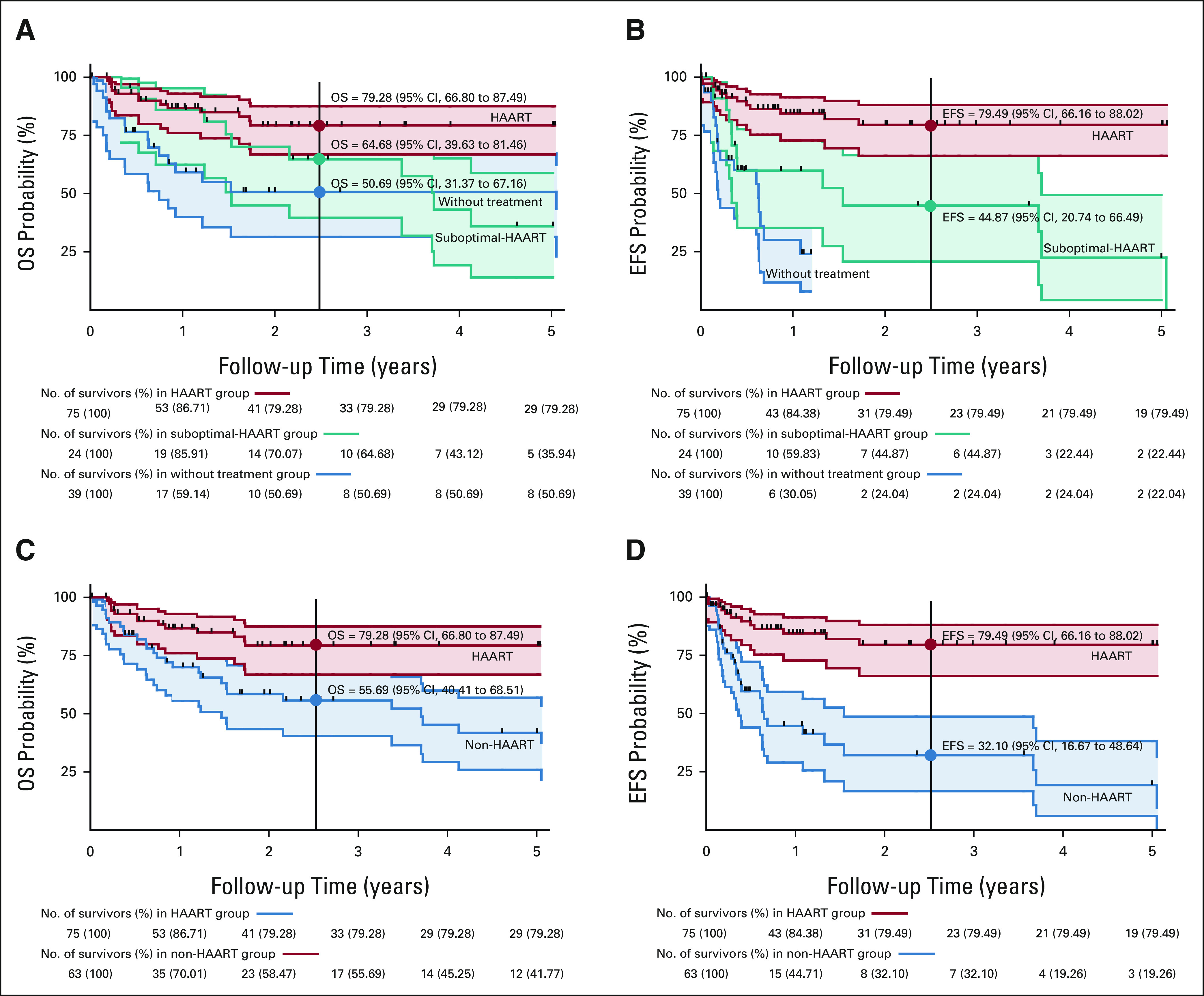
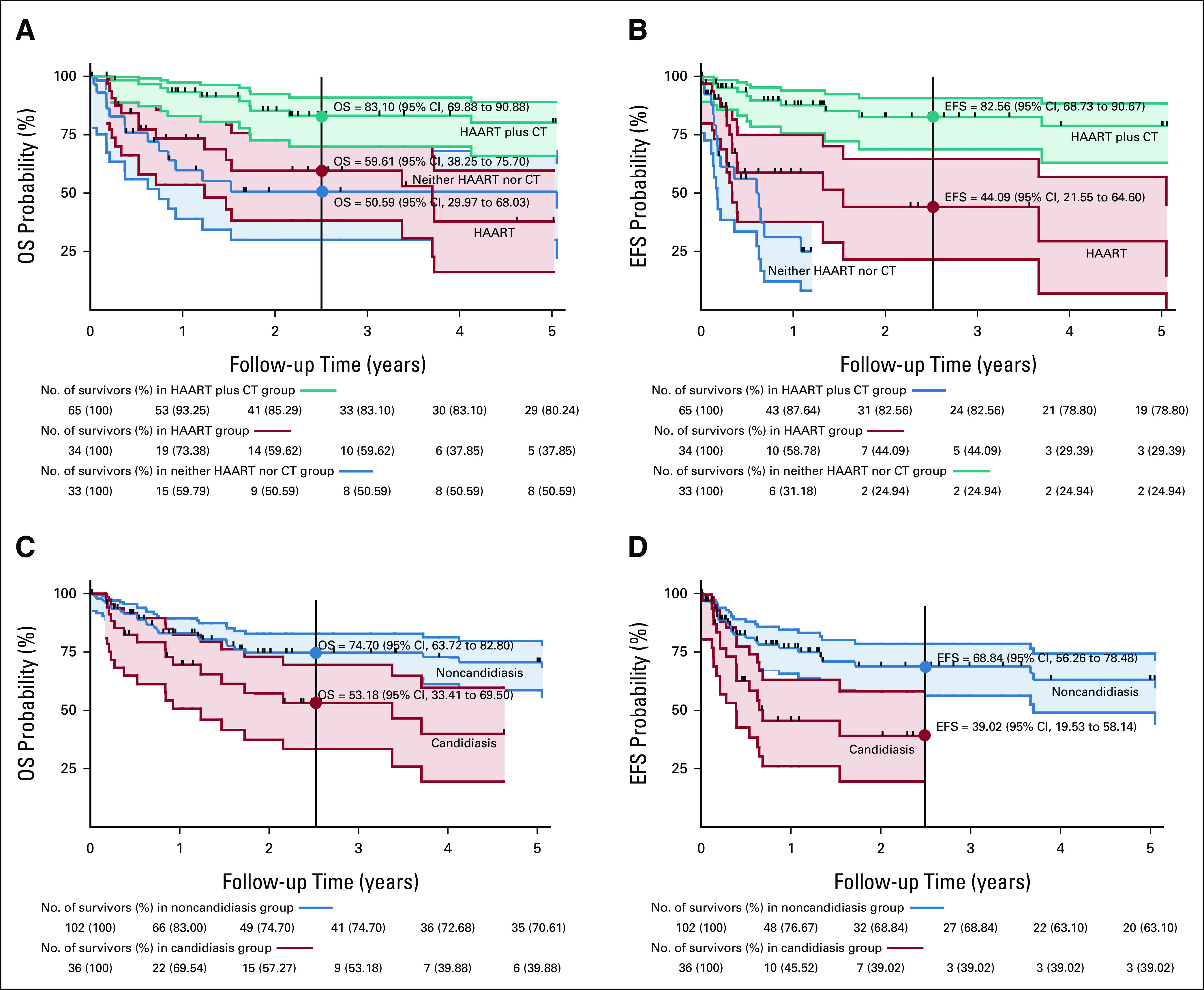
Results: There was a greater visceral compromise and more extensive oral cavity involvement in the non-HAART group (60% 31.7%, P < .01). Regarding the immune status, there was a significant difference from the CD4 count at 1-year follow-up (73 v 335, P = .01). The CD4/CD8 rate were significant different before QT (0.23 v 0.13, P = .01) and at 1-year follow-up (0.12 v 0.32, P = .03.). The estimated 5-year OS rate was significantly lower (P = .0001) for the non-HAART group (41.7%; 95% CI, 25.9 to 56.9) compared with the HAART group (79.3%; 95% CI, 66.8 to 87.5). In the multivariate model for OS, full-HAART regimen and previous diagnosis of HIV/AIDS (P < .01) were significantly associated with longer survival.
Conclusion: Clinical and demographic characteristics of our patients are compatible with the literature, but we report a higher rate of gastrointestinal involvement. Furthermore, our findings provide evidence for the importance of HAART and its ability to reduce KS-related mortality.
Conflict of interest statement
Figures
References
-
- Hoffmann C, Sabranski M, Esser S.HIV-associated Kaposi’s sarcoma Oncol Res Treat 4094–982017 - PubMed
-
- Nasti G, Martellotta F, Berretta M, et al. Impact of highly active antiretroviral therapy on the presenting features and outcome of patients with acquired immunodeficiency syndrome-related Kaposi sarcoma Cancer 982240–22462003 - PubMed
MeSH terms
Substances
LinkOut - more resources
Full Text Sources
Medical
Research Materials