


The efficacy and safety of combined chinese herbal medicine and western medicine therapy for COVID-19: a systematic review and meta-analysis
- PMID: 35729581
- PMCID: PMC9210065
- DOI: 10.1186/s13020-022-00600-z
The efficacy and safety of combined chinese herbal medicine and western medicine therapy for COVID-19: a systematic review and meta-analysis
Abstract
Objective: To systematically review the clinical efficacy and safety of Chinese herbal medicine (CHM) with and without Western medicine (WM) for different severity of COVID-19.
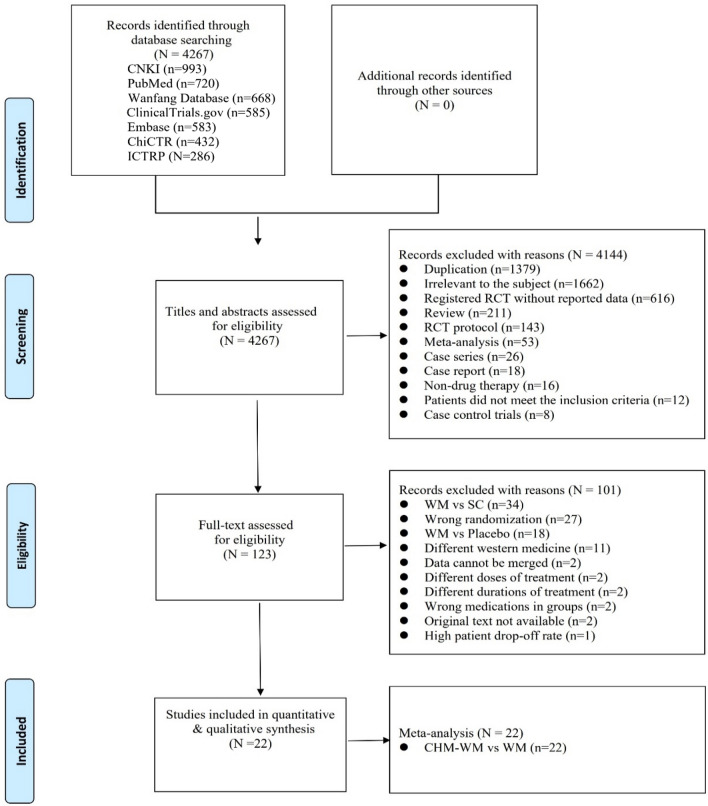
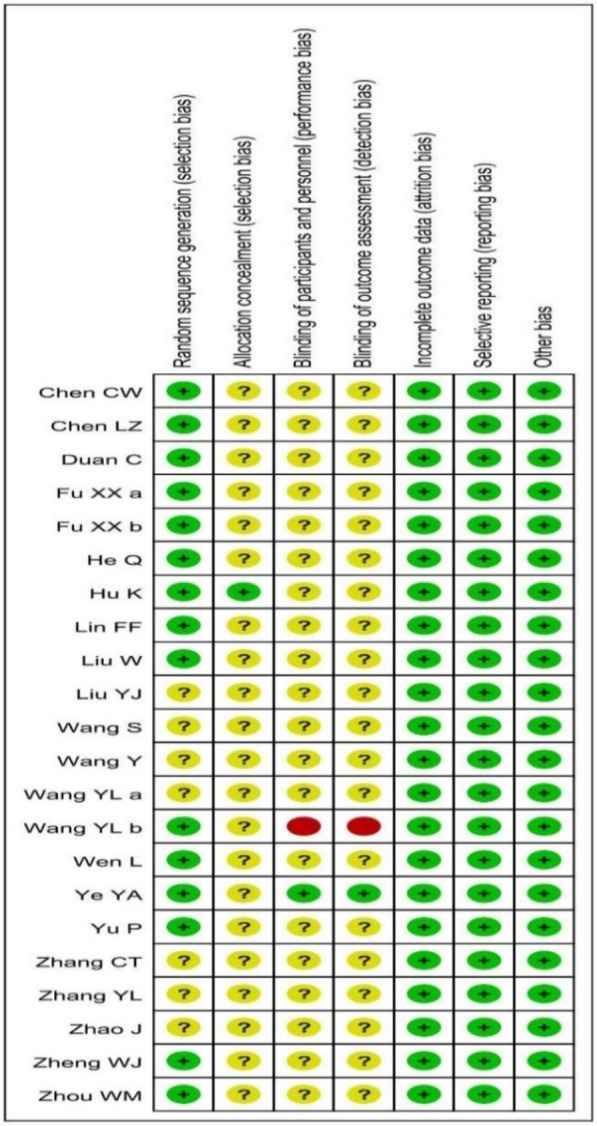
Methods: CNKI, PubMed, Wanfang Database, ClinicalTrails.gov, Embase, ChiCTR and ICTRP were searched from 01 Jan, 2020 to 30 Jun, 2021. Two authors independently assessed all the randomized clinical trials (RCTs) for trial inclusion, data extraction and quality assessment. Meta-analysis was conducted using Review Manager software (RevMan 5.4.1). Evidence was assessed using Grading of Recommendations Assessment, Development, and Evaluation (GRADE). Primary outcomes included total effectiveness rate. Secondary outcomes included improvements in symptom improvement and total adverse event rate. Different severity of COVID-19 patients was assessed in subgroup analysis. This study was registered with INPLASY, INPLASY202210072.
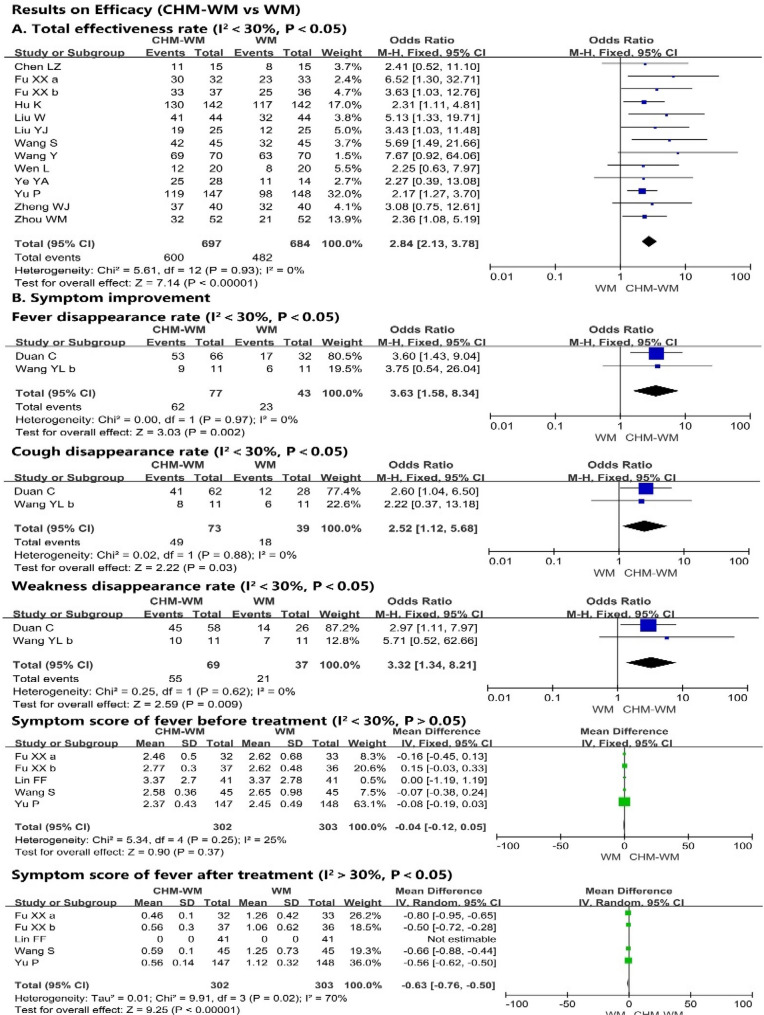
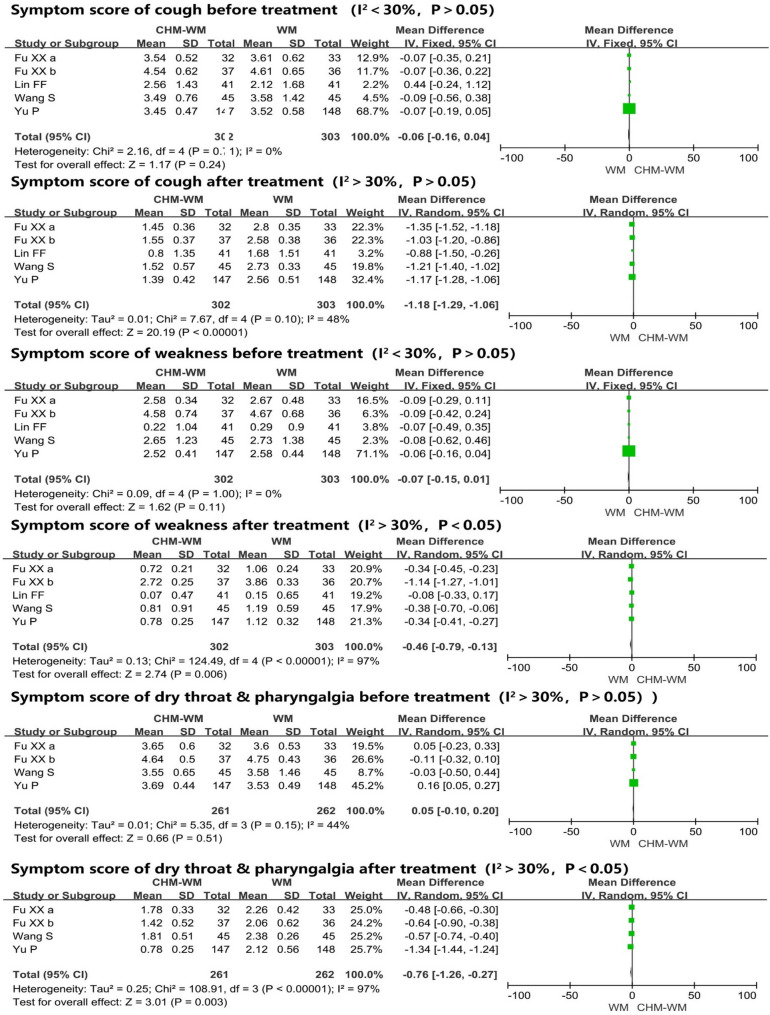
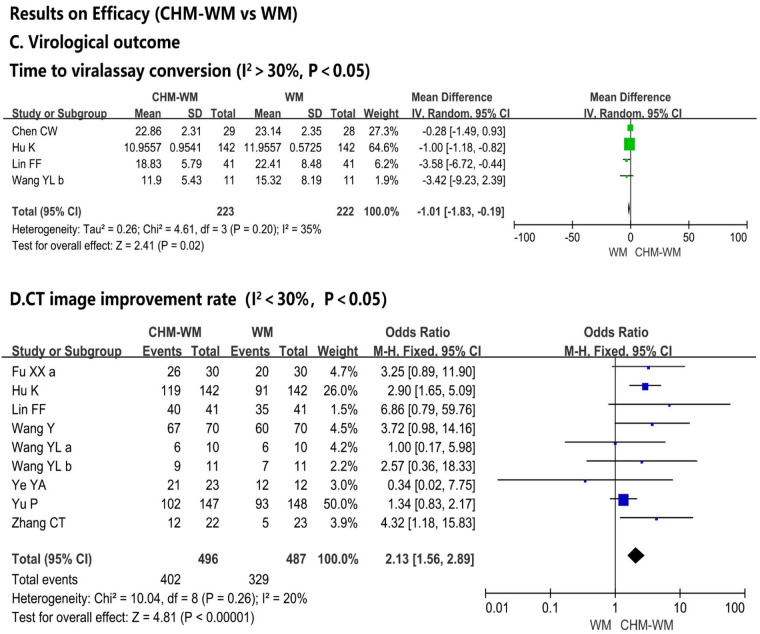
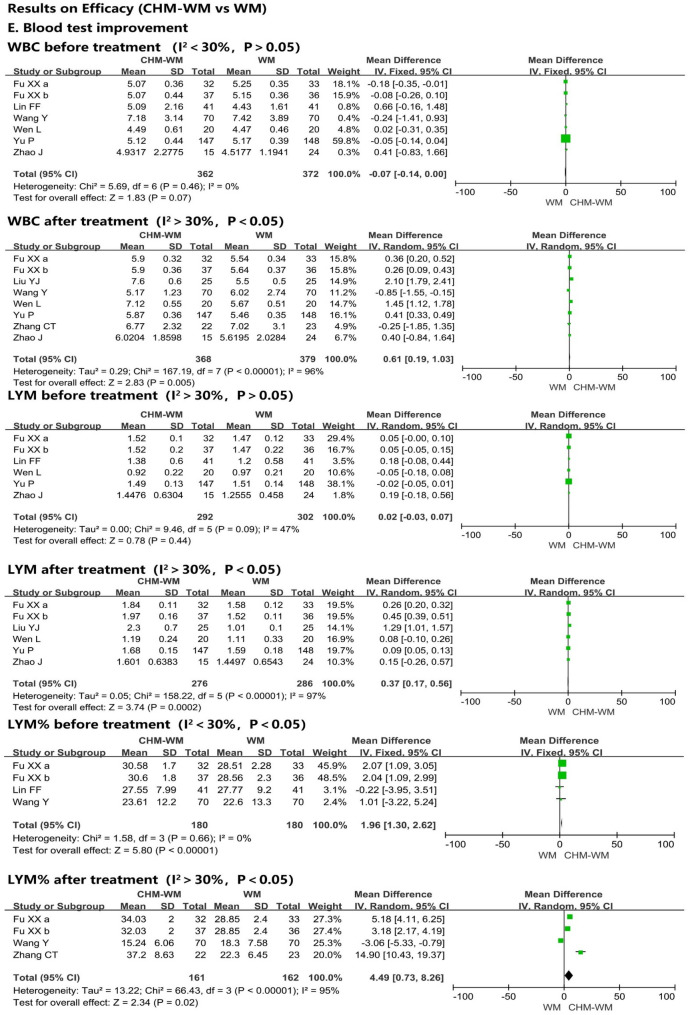
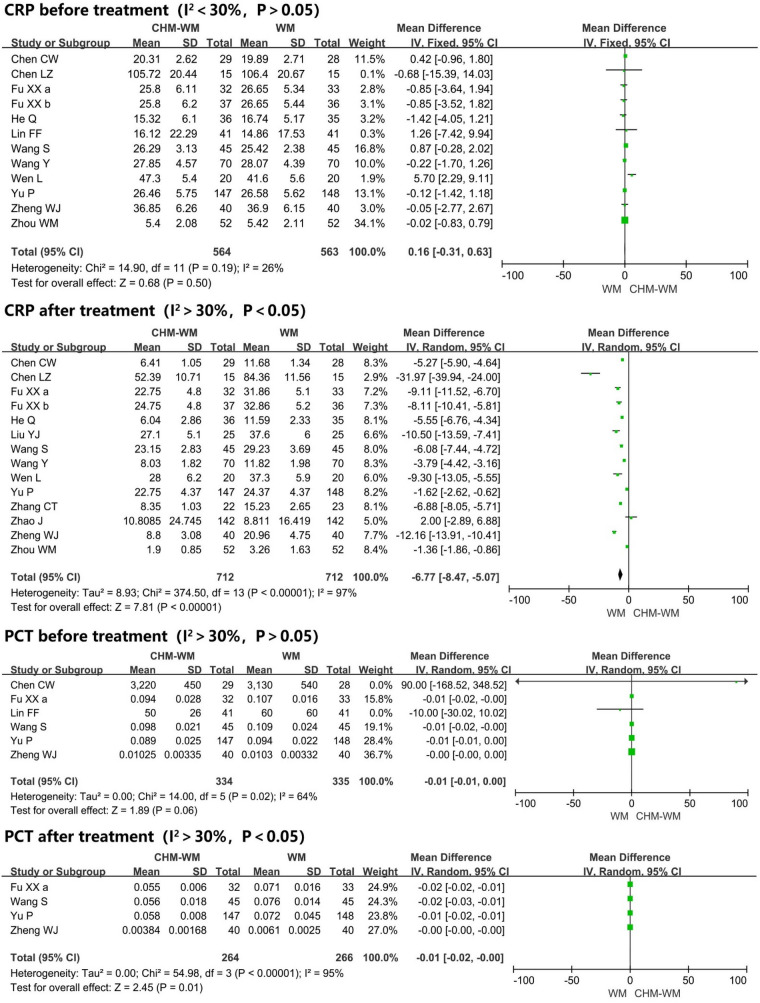
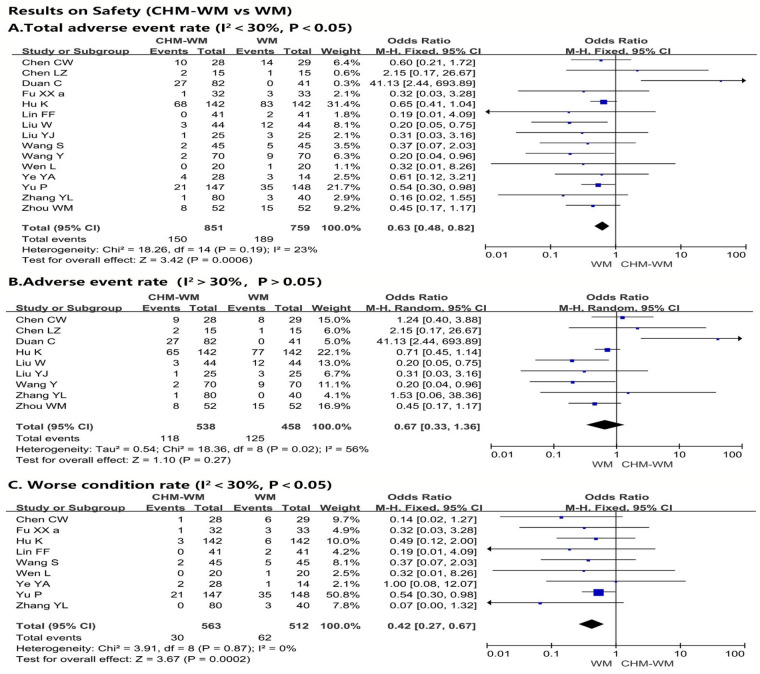
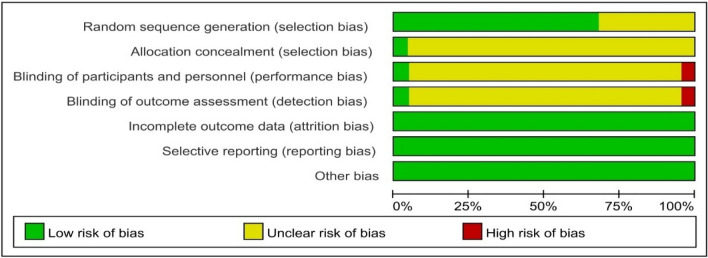
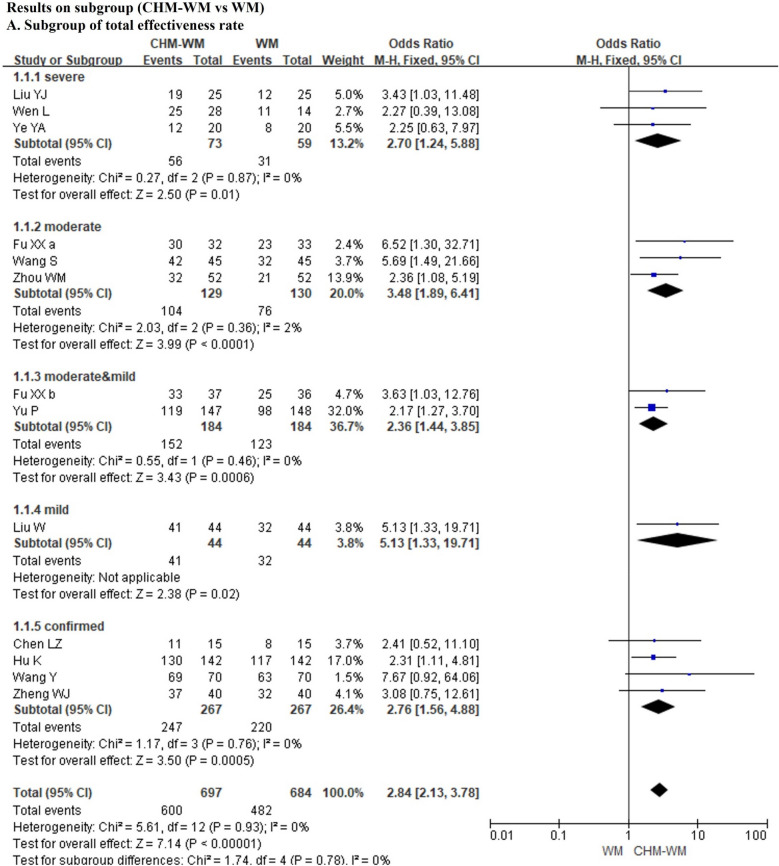
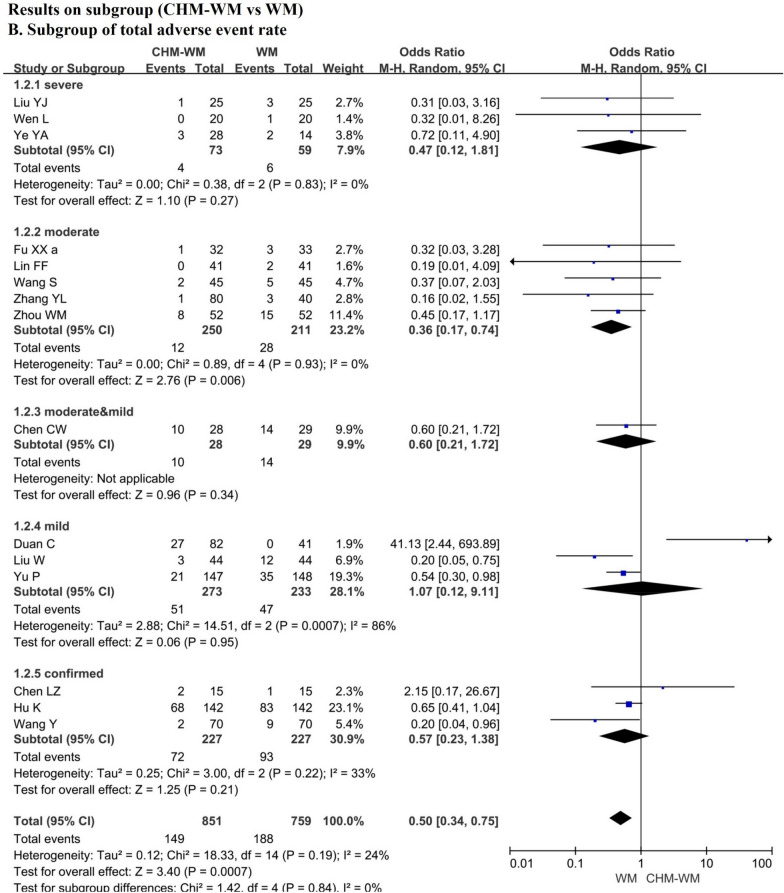
Results: 22 high quality RCTs involving 1789 participants were included. There were no trial used CHM alone nor compare placebo or no treatment. Compared with WM, combined CHM and WM (CHM-WM) treatment showed higher total effectiveness rate, lower symptom scores of fever, cough, fatigue, dry throat and pharyngalgia, shorter mean time to viral conversion, better Computerized Tomography (CT) image and blood results, fewer total adverse events and worse conditions (P < 0.05). Subgroup analysis showed that the total effectiveness rate of combined CHM-WM group was significantly higher than WM group, especially for mild and moderate patients. No significant differences in mortality and adverse events were found between combined CHM-WM and WM treatment. No serious adverse events and long-term outcomes were reported.
Conclusion: Current evidence supported the therapeutic effects and safety of combined CHM-WM treatment on COVID-19, especially for patients with mild and moderate symptoms. Long-term effects of therapy are worthy in further study.
Keywords: Combined Chinese Herbal Medicine-Western Medicine therapy; Corona Virus Disease 2019 severity; Meta-analysis; Systematic review.
© 2022. The Author(s).
Conflict of interest statement
The authors declared that they have no conflicts of interest to this work.
Figures
Similar articles
-
Integrated Chinese herbal medicine with Western Medicine versus Western Medicine in the effectiveness of primary hypertension treatment: A systematic review and meta-analysis of randomized controlled trials.J Ethnopharmacol. 2023 Jan 10;300:115703. doi: 10.1016/j.jep.2022.115703. Epub 2022 Sep 10. J Ethnopharmacol. 2023. PMID: 36096347
-
Chinese herbal medicine for threatened miscarriage: An updated systematic review and meta-analysis.Front Pharmacol. 2023 Feb 14;14:1083746. doi: 10.3389/fphar.2023.1083746. eCollection 2023. Front Pharmacol. 2023. PMID: 36865912 Free PMC article.
-
Efficacy and Safety of Chinese Herbal Medicine on Ovarian Cancer After Reduction Surgery and Adjuvant Chemotherapy: A Systematic Review and Meta-Analysis.Front Oncol. 2019 Aug 16;9:730. doi: 10.3389/fonc.2019.00730. eCollection 2019. Front Oncol. 2019. PMID: 31475101 Free PMC article.
-
The efficacy and safety of Chinese herbal medicine as an add-on therapy for type 2 diabetes mellitus patients with carotid atherosclerosis: An updated meta-analysis of 27 randomized controlled trials.Front Pharmacol. 2023 Mar 23;14:1091718. doi: 10.3389/fphar.2023.1091718. eCollection 2023. Front Pharmacol. 2023. PMID: 37033624 Free PMC article.
-
Efficacy of Chinese herbal medicine on nasal itching in children with allergic rhinitis: a systematic review and meta-analysis.Front Pharmacol. 2023 Aug 23;14:1240917. doi: 10.3389/fphar.2023.1240917. eCollection 2023. Front Pharmacol. 2023. PMID: 37680707 Free PMC article.
Cited by
-
Long-Term Vaccination and Treatment Strategies for COVID-19 Disease and Future Coronavirus Pandemics.Adv Exp Med Biol. 2023;1412:27-49. doi: 10.1007/978-3-031-28012-2_2. Adv Exp Med Biol. 2023. PMID: 37378760 Review.
-
Protective effect of Huashi Baidu formula against AKI and active ingredients that target SphK1 and PAI-1.Chin Med. 2024 Nov 1;19(1):152. doi: 10.1186/s13020-024-01024-7. Chin Med. 2024. PMID: 39487526 Free PMC article.
-
Efficacy and safety of traditional Chinese medicine for cancer-related fatigue: a systematic literature review of randomized controlled trials.Chin Med. 2023 Nov 1;18(1):142. doi: 10.1186/s13020-023-00849-y. Chin Med. 2023. PMID: 37907925 Free PMC article. Review.
-
The Efficacy and Safety of Shashen-Maidong Decoction Combined with Western Medicine in the Treatment of Omicron Infected Individuals Over 85 Years Old: A Retrospective Study.Infect Drug Resist. 2023 Nov 28;16:7339-7348. doi: 10.2147/IDR.S433815. eCollection 2023. Infect Drug Resist. 2023. PMID: 38045652 Free PMC article.
-
Combination of Chinese herbal medicine and conventional western medicine for coronavirus disease 2019: a systematic review and meta-analysis.Front Med (Lausanne). 2023 Jul 17;10:1175827. doi: 10.3389/fmed.2023.1175827. eCollection 2023. Front Med (Lausanne). 2023. PMID: 37529247 Free PMC article.
References
-
- WHO Health Organization. WHO Coronavirus (COVID-19) dashboard. https://who.sprinklr.com/.
-
- Notice on novel coronavirus pneumonia diagnosis and treatment plan (Trial Version 7). National Health Commission, 2020-03-04. http://www.nhc.gov.cn/xcs/zhengcwj/202003/46c9294a7dfe4cef80dc7f5912eb19....
Publication types
Grants and funding
LinkOut - more resources
Full Text Sources
Miscellaneous
