


Biomarkers of caspofungin resistance in Candida albicans isolates: A proteomic approach
- PMID: 35730400
- PMCID: PMC9225221
- DOI: 10.1080/21505594.2022.2081291
Biomarkers of caspofungin resistance in Candida albicans isolates: A proteomic approach
Abstract
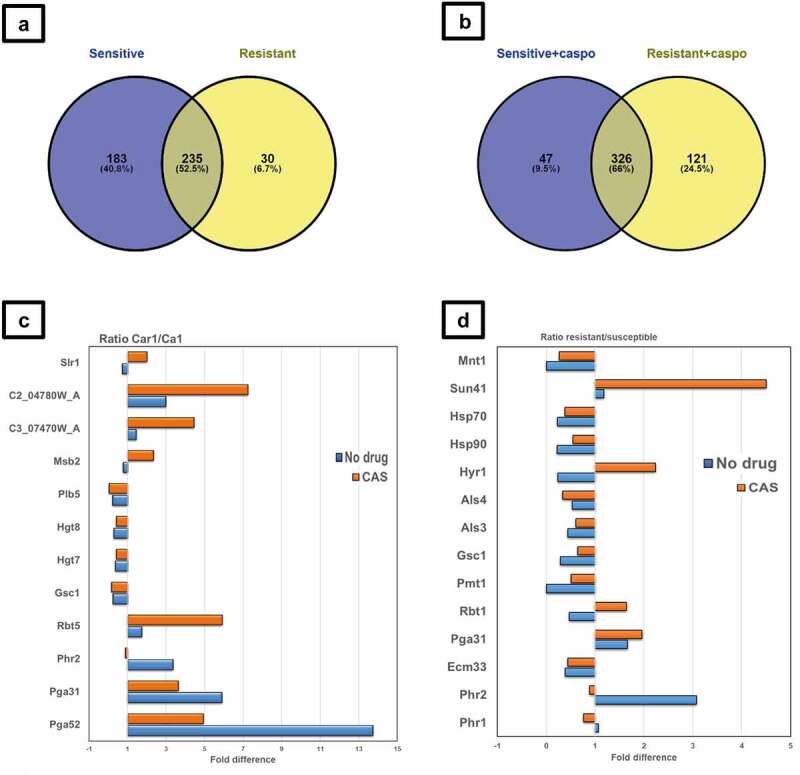
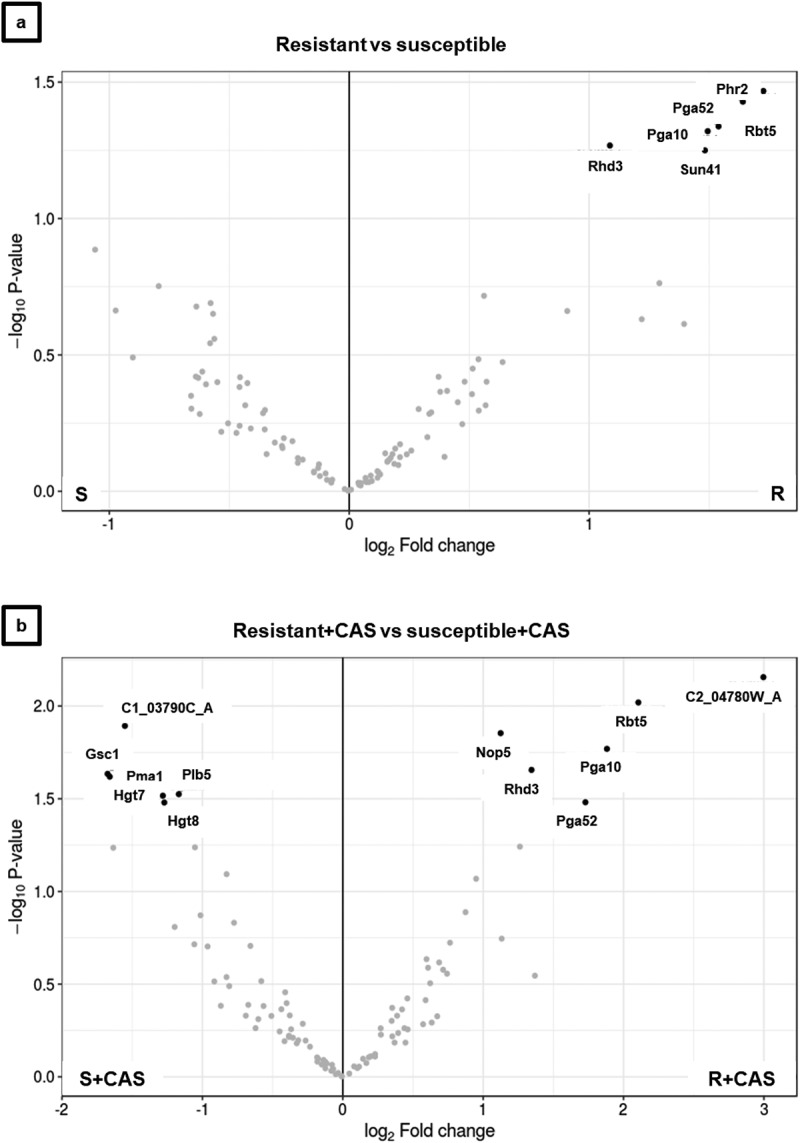
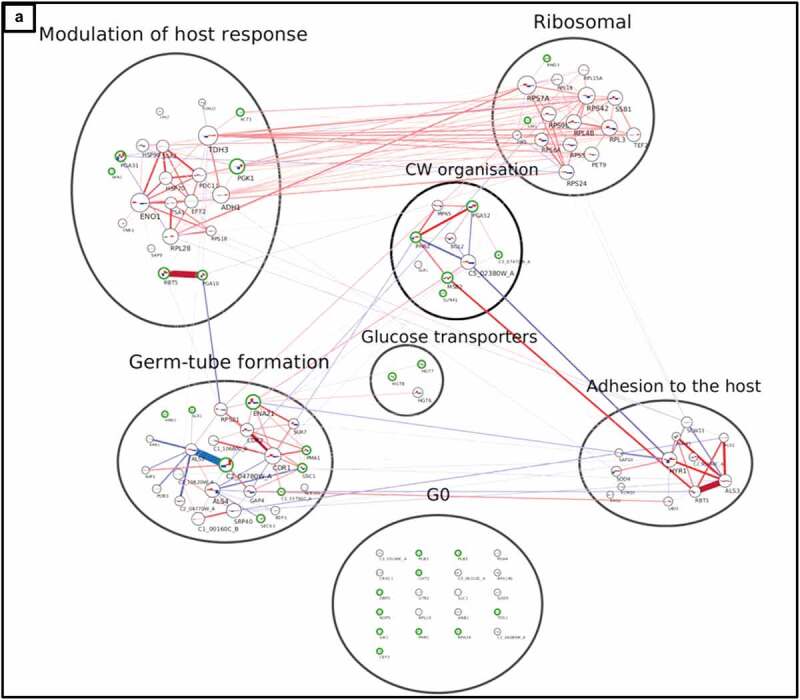
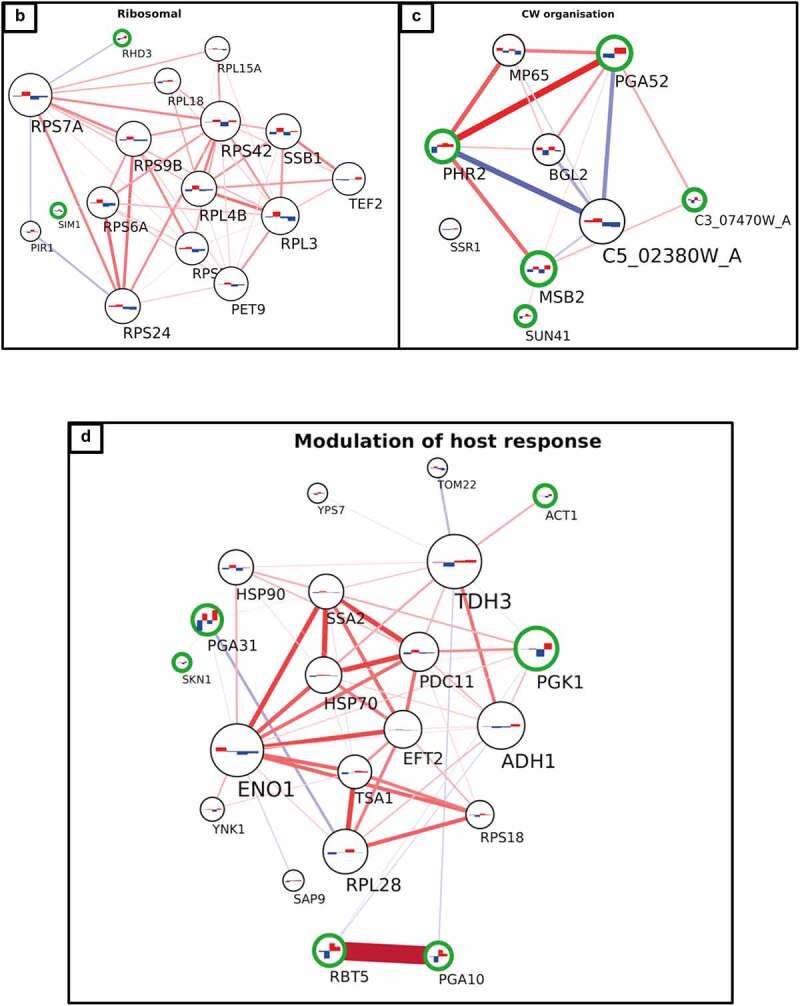
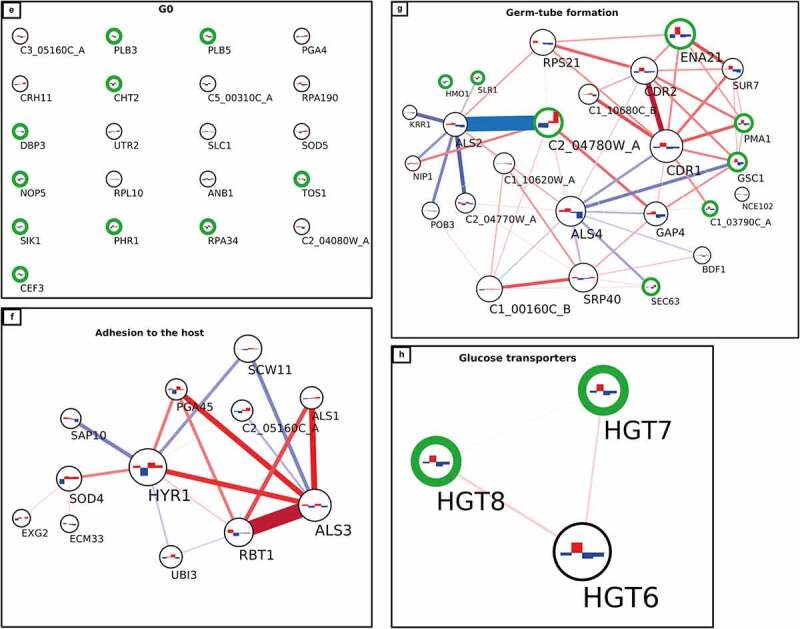
Candida albicans is a clinically important polymorphic fungal pathogen that causes life-threatening invasive infections in immunocompromised patients. Antifungal therapy failure is a substantial clinical problem, due to the emergence of an increasing number of drug-resistant isolates. Caspofungin is a common antifungal drug, often used as first-line therapy that inhibits cell wall β-(1,3)-glucan synthesis. In this work, the cell surface of different echinocandin-resistant C. albicans clinical isolates was compared with sensitive isolates and their responses to echinocandin treatment analyzed. Proteomic analysis detected changes in the repertoire of proteins involved in cell wall organization and maintenance, in drug-resistant strains compared to susceptible isolates and after incubation with caspofungin. Moreover, an interaction network was created from the differential expression results. Our findings suggest drug resistance may involve not only a different cell wall architecture, but also a different response to drugs.
Keywords: Candida albicans; caspofungin; drug resistance; interaction network; proteomics.
Conflict of interest statement
No potential conflict of interest was reported by the author(s).
Figures
References
-
- Gow NAR, Hube B. Importance of the Candida albicans cell wall during commensalism and infection. Curr Opin Microbiol. 2012;15(4):406–412. - PubMed
Publication types
MeSH terms
Substances
LinkOut - more resources
Full Text Sources
Other Literature Sources
