


Probiotics and their beneficial effects on alcohol-induced liver injury in a rat model: the role of fecal microbiota
- PMID: 35733194
- PMCID: PMC9215017
- DOI: 10.1186/s12906-022-03643-9
Probiotics and their beneficial effects on alcohol-induced liver injury in a rat model: the role of fecal microbiota
Abstract
Background: Current therapies for alcohol-induced liver injury are of limited efficacy and associated with significant side effects. With the proposed pathophysiology of alcohol-induced liver injury to be related to deranged gut microbiota, we hypothesized that probiotics would have beneficial effects in attenuating alcohol-induced liver injury.
Methods: Twenty-four male Sprague-Dawley rats were divided into 4 groups: control group, alcohol group, Lactobacillus plantarum group, and mixed-strain probiotics group. After 4 weeks, all rats were sacrificed, and blood samples were analyzed for ALT, lipopolysaccharide level (LPS), interleukin 6 (IL-6), and tumor necrosis factor-alpha (TNF-α). Liver tissues were processed for histopathology, malondialdehyde (MDA) level and immunohistochemistry for toll-like receptors 4 (TLR-4). Stool samples were collected, and 16S rRNA sequencing was used to analyze the fecal microbiota.
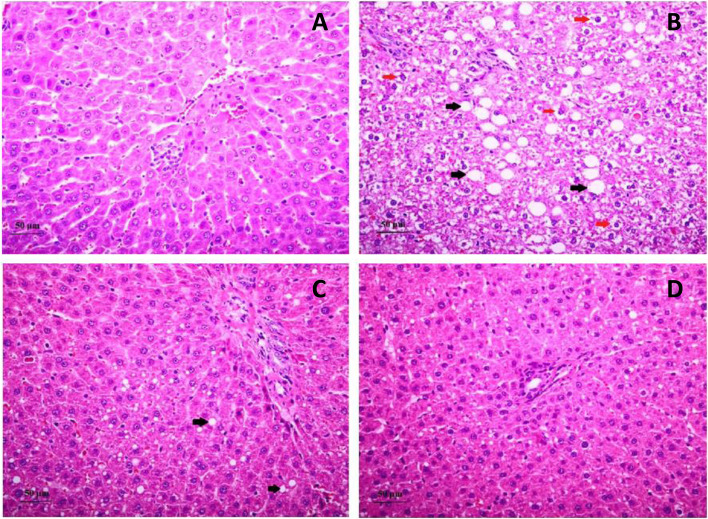
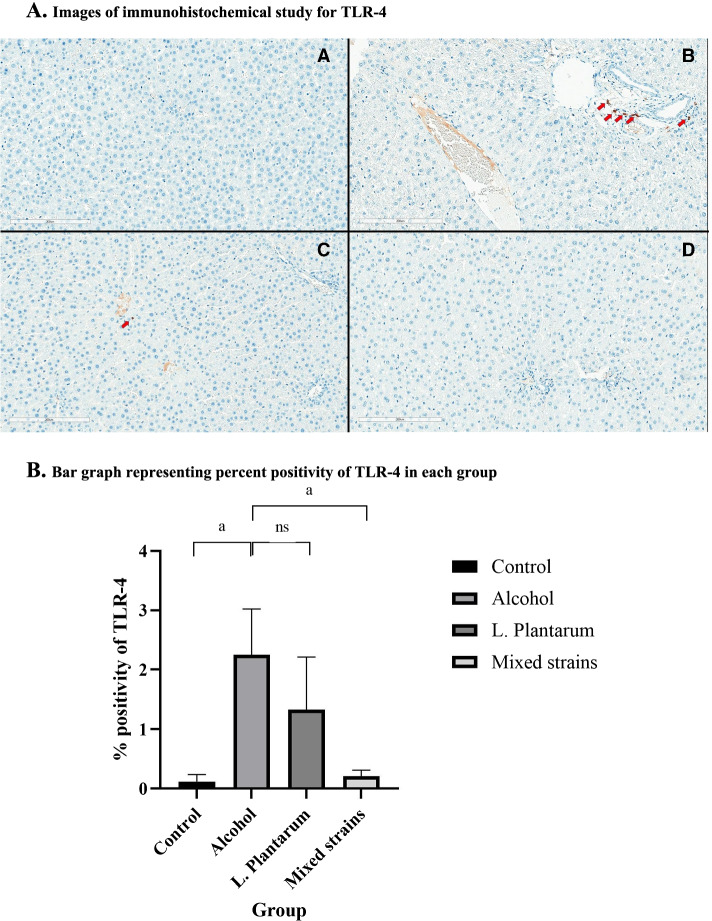
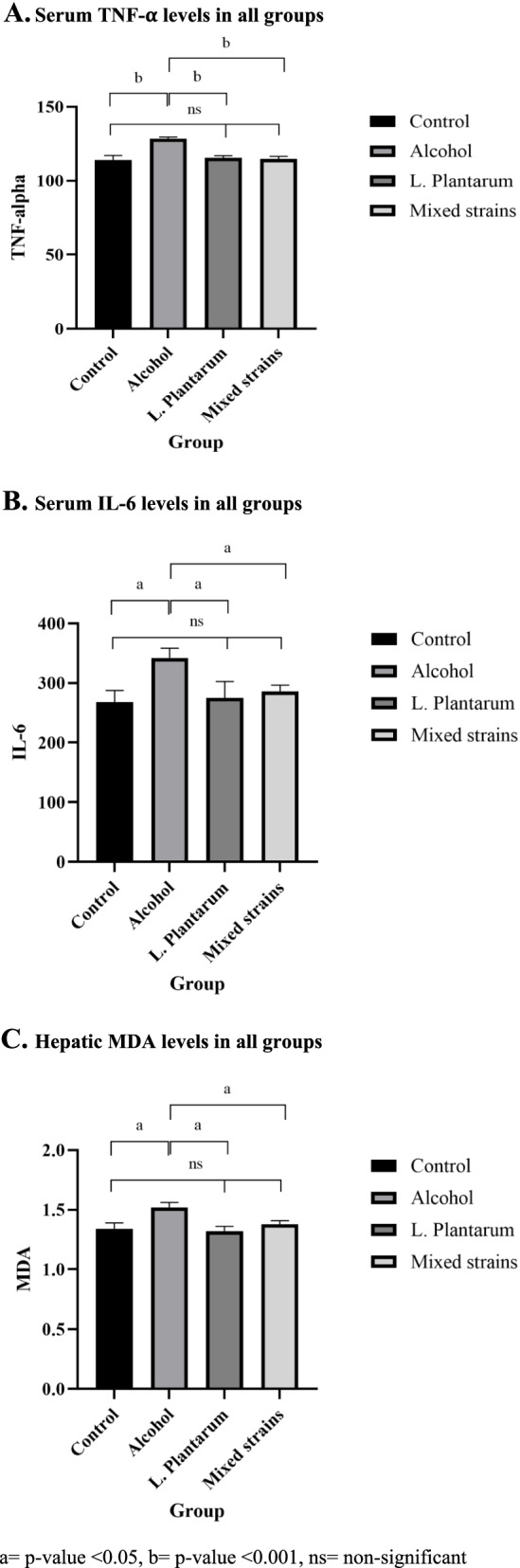
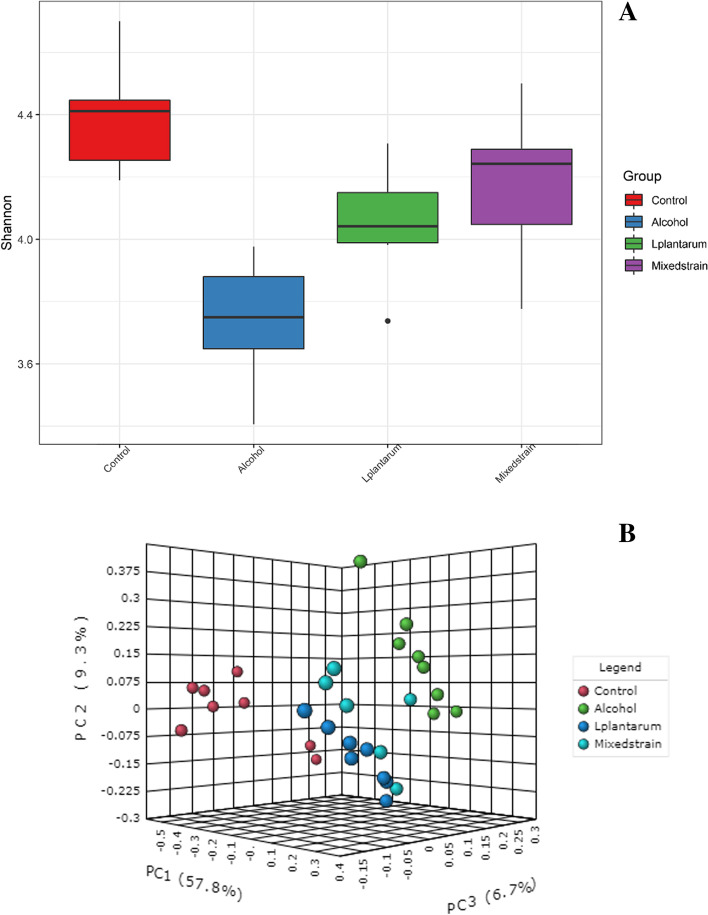
Results: Liver histopathology showed the presence of significant hepatocyte ballooning in the alcohol group as compared with the control group, and the treatment with L. plantarum or mixed-strain probiotics alleviated these changes. Significant elevation of serum ALT, LPS, IL-6, and TNF-α, hepatic MDA levels, and hepatic TLR-4 expression were observed in alcohol-fed rats as compared with control rats. The administration of L. plantarum or mixed-strain probiotics restored these changes to the levels of control rats. The relative abundance of fecal bacteria at genus level showed a significant reduction in Allobaculum, Romboutsia, Bifidobacterium, and Akkermansia in the alcohol group as compared with the control group. In probiotics-treated rats, significant increases in Allobaculum and Bifidobacterium were observed, while the relative abundance of Romboutsia and Akkermansia was unchanged compared to the alcohol group. A reduction in alpha diversity was observed in alcohol-treated rats, whereas the improvement was noted after probiotic treatment.
Conclusions: The treatment with Lactobacillus, whether as single-, or mixed-strain probiotics, was beneficial in reducing the severity of alcohol-induced liver injury likely through the increase in beneficial bacteria, and the reduction of inflammatory responses, and oxidative stress.
Keywords: Alcohol-induced liver injury; Microbiota; Probiotics; Rat model.
© 2022. The Author(s).
Conflict of interest statement
The authors declare that they have no competing interests.
Figures
References
MeSH terms
Substances
LinkOut - more resources
Full Text Sources
