


Ductus Arteriosus Stenting in Newborns - Transcatheter Approach as a Bridge Therapy for Corrective Surgery
- PMID: 35733737
- PMCID: PMC9168556
- DOI: 10.26574/maedica.2022.17.1.205
Ductus Arteriosus Stenting in Newborns - Transcatheter Approach as a Bridge Therapy for Corrective Surgery
Abstract
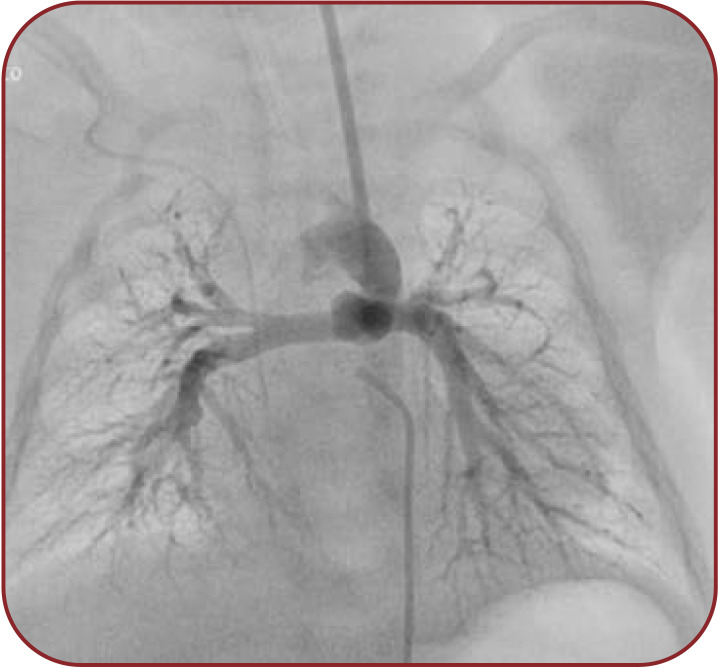
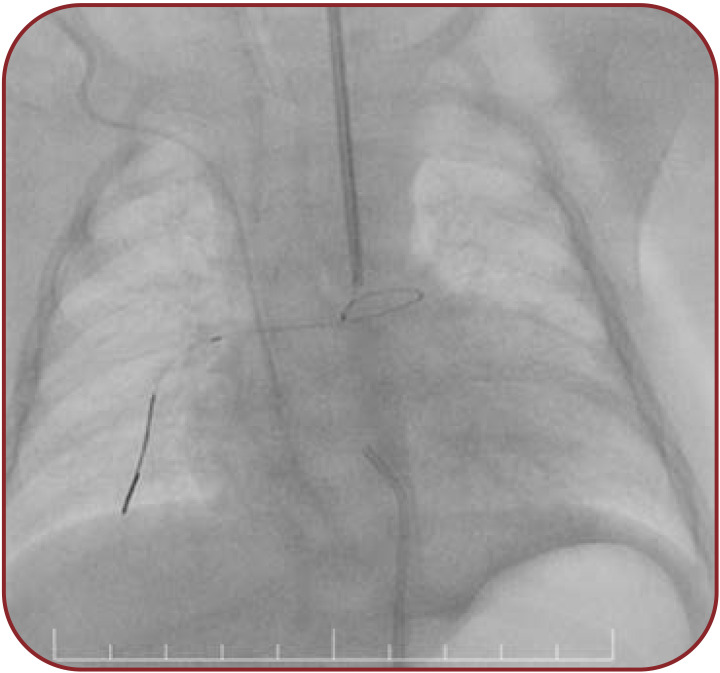
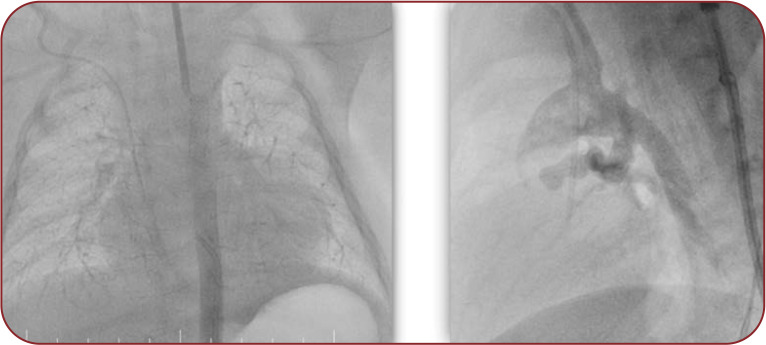
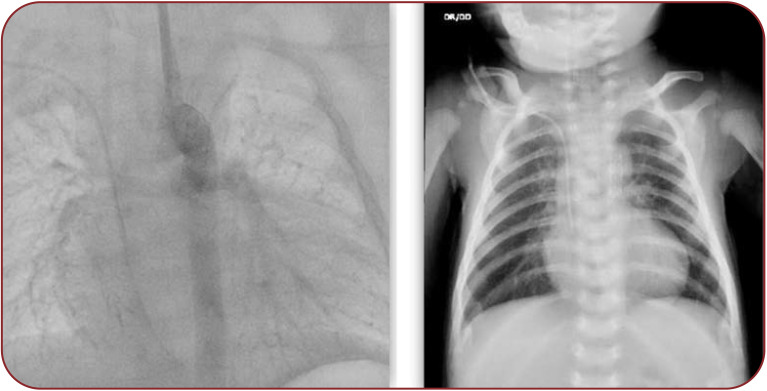
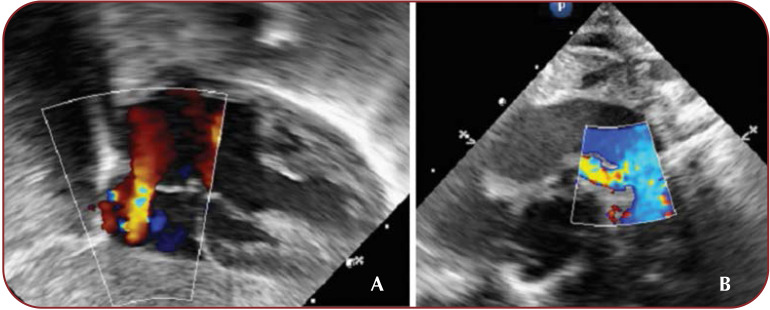
Duct-dependent congenital heart disease requires attentive therapeutic management since the only source of pulmonary blood flow in newborns is provided by the patent ductus arteriosus. The patency of the duct is the main objective in the first hours of life and it is guaranteed by prostaglandin E1 infusion, but it is not a long-term solution for this type of cardiac malformation. In order to augment pulmonary blood, there are two types of interventions that can be performed: a classical surgical shunt or stenting of the ductus arteriosus, a fairly new alternative to cardiac palliative surgery. Case selection for this type of procedure is essential regarding the patients' outcome. We present the management of a newborn diagnosed with (pseudo)atretic pulmonary valve, large ventricular septal defect and patent ductus arteriosus, who underwent an interventional procedure to secure pulmonary blood flow by placing a drug-eluting stent in the ductus arteriosus. The patient's evolution was not uneventful, several complications appeared, but after three months of neonatal intensive care we were able to discharge him in good clinical condition.
Figures
References
-
- Moore JW, KirbyWC, Lovett EJ, O’Neill JT. Use of an intravascular prothesis (stent) to establish and maintain short-term patency of the ductus arteriosus in new born lambs. Cardiovasc Intervent Radiol. 1991;14:299–301. - PubMed
-
- Coe JY, Olley PM. A novel method to maintain ductus arteriosus patency. J Am Coll Cardiol. 1991;18:837–841. - PubMed
-
- Udink Ten Cate FEA, Sreeram N, Hamza H, et al. Stenting the arterial duct in neonates and infants with congenital heart disease and duct-dependent pulmonary blood flow: A multicenter experience of an evolving therapy over 18 years. Catheter Cardiovasc Interv. 2013;82:E233–E243. - PubMed
-
- Sivakumar K, Pavithran S, Sonawane B, et al. Serum Sirolimus Levels After Implantation of Third Generation Drug Eluting Cobalt Chromium Coronary Stent in Ductus Arteriosus in Neonates with Duct-Dependent Pulmonary Circulation. Pediatric Cardiology. 2020;41:1354–1362. - PubMed
-
- Eilers L, Qureshi AM. Advances in Pediatric Ductal Intervention: an Open or Shut Case? Current Cardiology Reports. 2020;22:14. - PubMed
Publication types
LinkOut - more resources
Full Text Sources