


Mesoamerican Cypripedium: Mycorrhizal Contributions to Promote Their Conservation as Critically Endangered Species
- PMID: 35736705
- PMCID: PMC9227847
- DOI: 10.3390/plants11121554
Mesoamerican Cypripedium: Mycorrhizal Contributions to Promote Their Conservation as Critically Endangered Species
Abstract
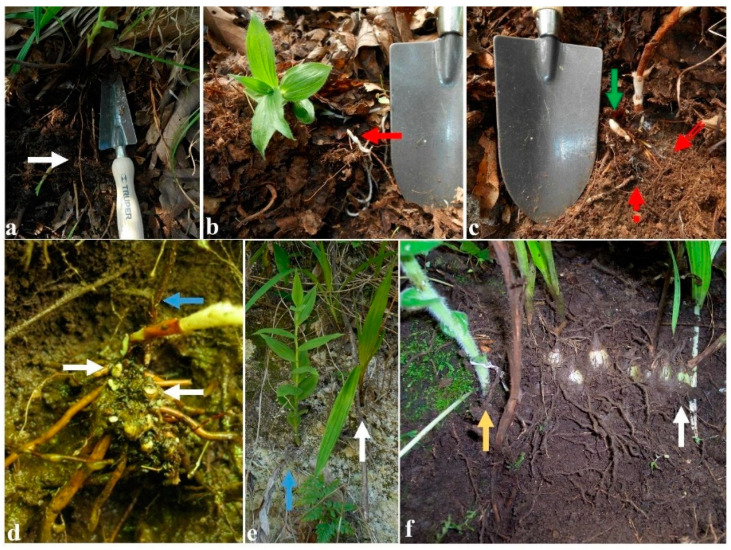
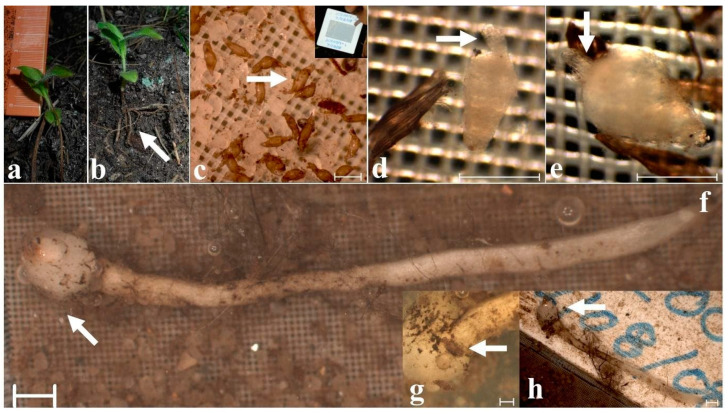
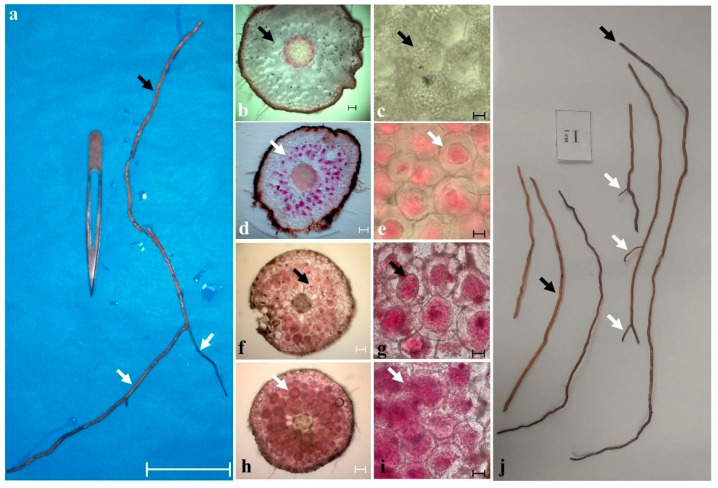
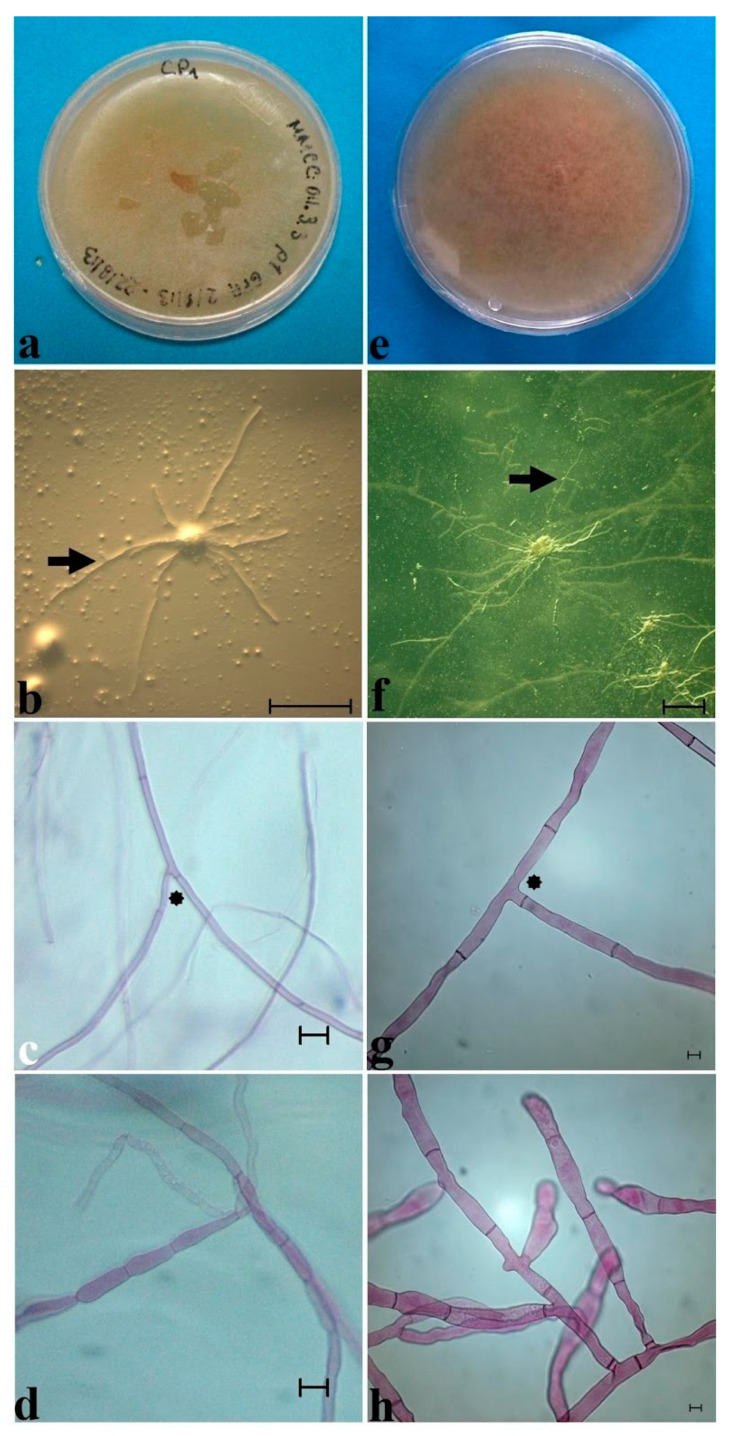
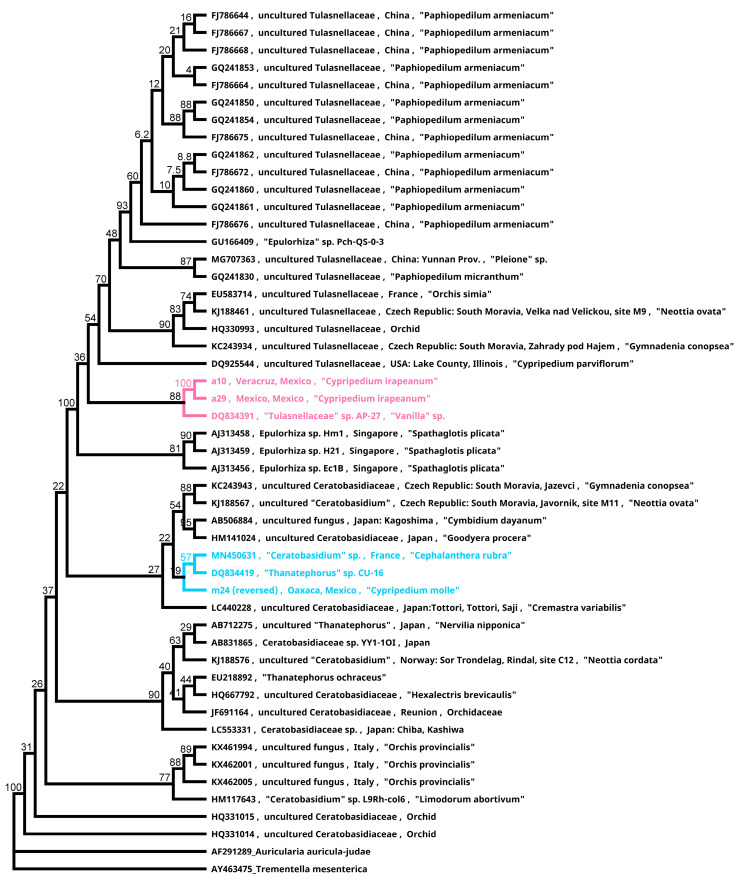
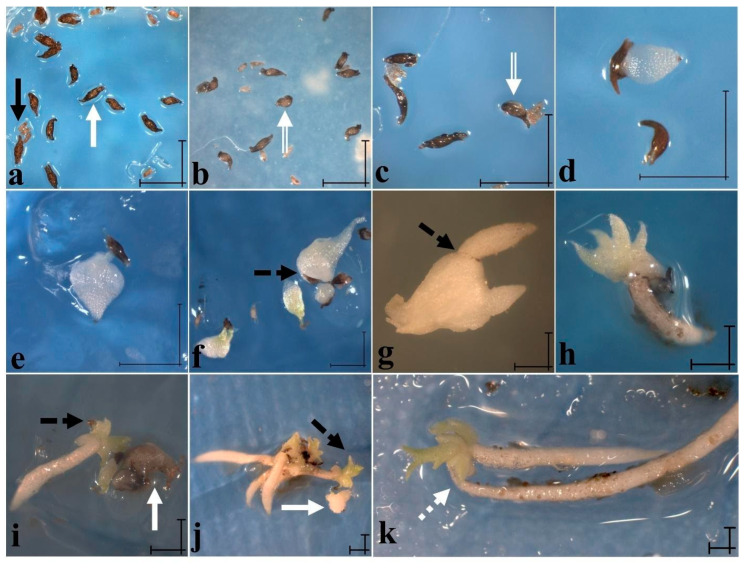
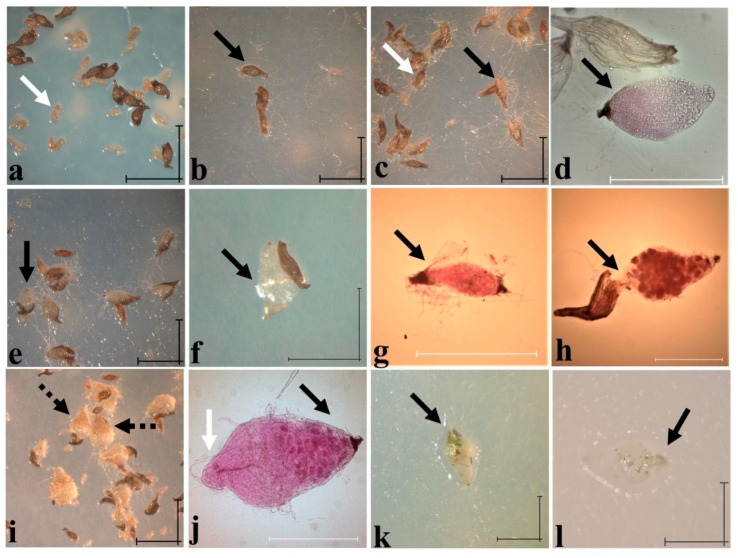
In the valuable orchid genus Cypripedium, the section Irapeana consists of a distinctive group of Mesoamerican species that is formed by Cypripedium dickinsonianum Hágsater, C. irapeanum Lex., and C. molle Lindl. All lady slipper orchids exhibit different distributions and abundances. Data analysis that used herbarium accessions and field investigations indicated that the habitats of these three species have been dramatically reduced. Prospecting for suitable habitats based on climatic, vegetation, and soil parameters allows us to predict potential distributions. Conservation strategies, such as ex situ propagation by asymbiotic and symbiotic approaches, have indicated that the culture media used are a determining factor for seedling development. Mycorrhizal isolates play a main role in the compatibility and further development of germinated seeds. The fungi isolated from adult plants belong to two different families, which makes it possible that widely distributed C. irapeanum populations will be fungal-specific as well as restricted for C. molle. Root mycorrhization patterns occur high on the secondary roots. In contrast with other species of the genus, in situ germination can occur over a short period of two months, but we have documented periods as long as ten years. Cypripedium is a highly problematic genus for ex situ conservation because the germination requirements and cultures are poorly documented, and there is great urgency for in situ conservation to develop strategies for identifying hotspot habitats and actualize the protection status to avoid extinction of this genus.
Keywords: habitat destruction; in vitro germination; orchid conservation; orchid mycorrhiza.
Conflict of interest statement
The authors declare no conflict of interest.
Figures
References
-
- Chase M.W. Classification of Orchidaceae in the Age of DNA Data. Curtis’s Bot. Mag. 2005;22:2–7. doi: 10.1111/j.1355-4905.2005.00466.x. - DOI
-
- Bunch W.D., Cowden C.C., Wurzburger N., Shefferson R.P. Geography and soil chemistry drive the distribution of fungal associations in lady’s slipper orchid, Cypripedium acaule. Botany. 2013;91:850–856. doi: 10.1139/cjb-2013-0079. - DOI
-
- Cribb P.J. In: The Genus Cypripedium. 1st ed. Green P., editor. Timber Press; Portland, OR, USA: 1997.
-
- Gargiulo R., Pironon S., Zheleznaya E., Sanchez M.D., Balázs Z.R., Podar D., Wilkinson T., Jäkäläniemi A., Kull T., Väre H., et al. Phylogeography and post-glacial dynamics in the clonal-sexual orchid Cypripedium calceolus L. J. Biogeogr. 2019;46:526–538. doi: 10.1111/jbi.13528. - DOI
Publication types
Grants and funding
LinkOut - more resources
Full Text Sources
