


Optimization and Characterization of a Novel Exopolysaccharide from Bacillus haynesii CamB6 for Food Applications
- PMID: 35740959
- PMCID: PMC9221024
- DOI: 10.3390/biom12060834
Optimization and Characterization of a Novel Exopolysaccharide from Bacillus haynesii CamB6 for Food Applications
Abstract
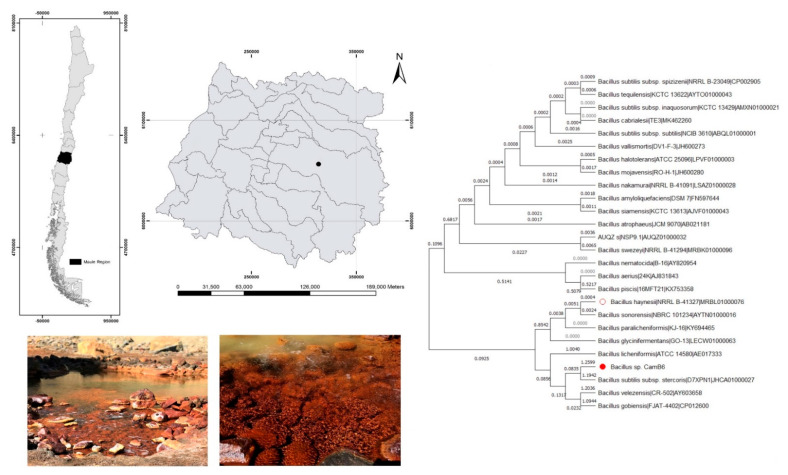
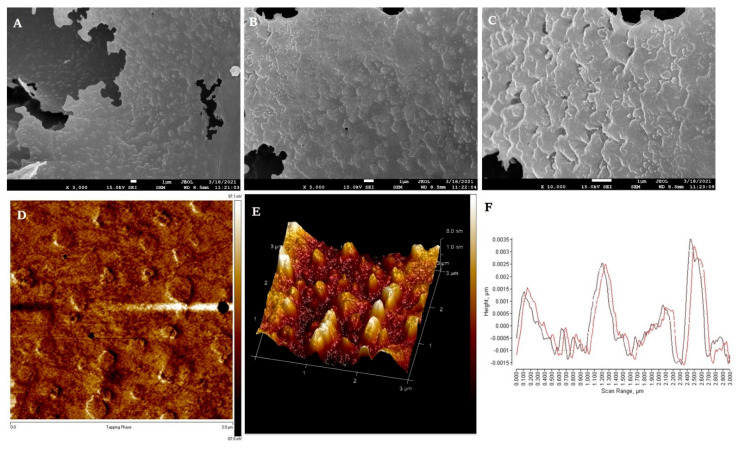
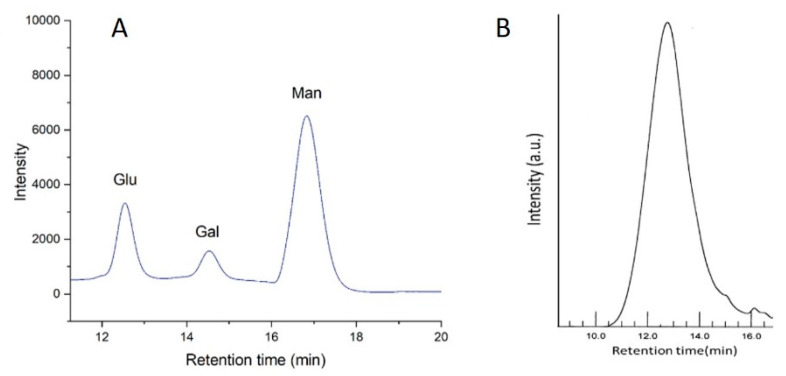
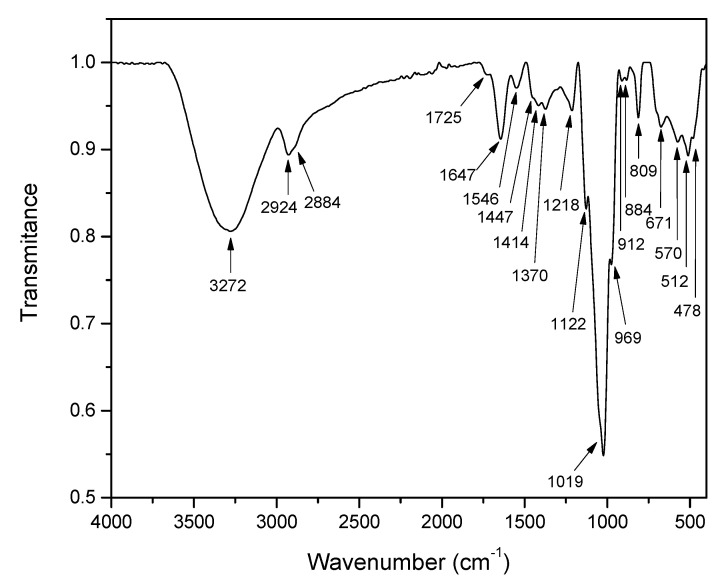
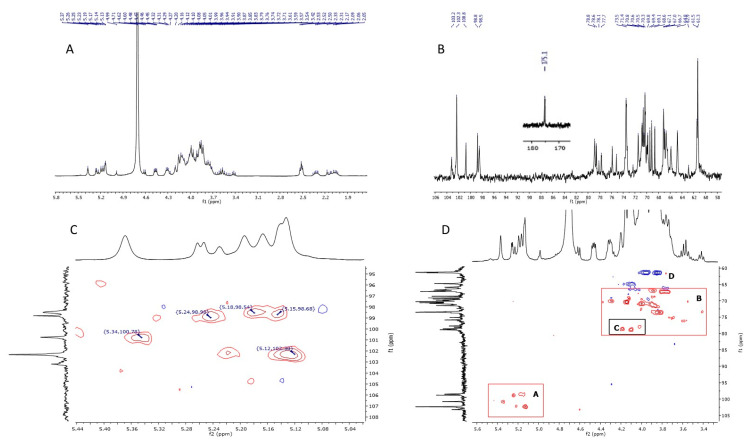
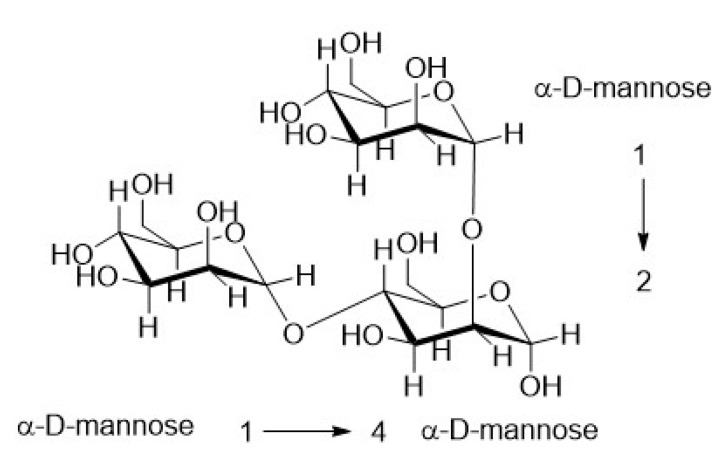
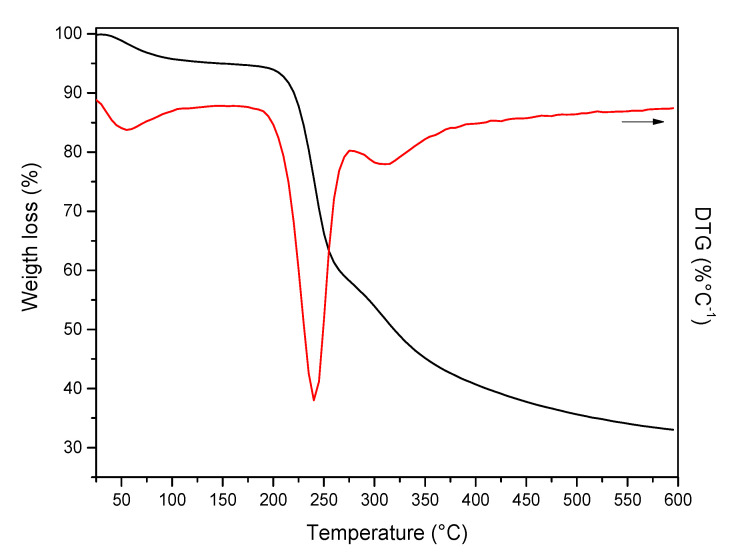
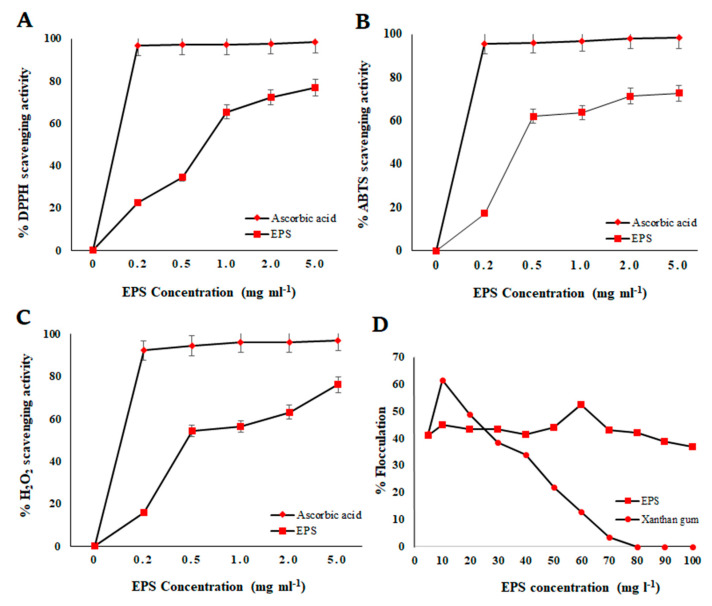
Extremophilic microorganisms often produce novel bioactive compounds to survive under harsh environmental conditions. Exopolysaccharides (EPSs), a constitutive part of bacterial biofilm, are functional biopolymers that act as a protecting sheath to the extremophilic bacteria and are of high industrial value. In this study, we elucidate a new EPS produced by thermophilic Bacillus haynesii CamB6 from a slightly acidic (pH 5.82) Campanario hot spring (56.4 °C) located in the Central Andean Mountains of Chile. Physicochemical properties of the EPS were characterized by different techniques: Scanning electron microscopy- energy dispersive X-ray spectroscopy (SEM-EDS), Atomic Force Microscopy (AFM), High-Performance Liquid Chromatography (HPLC), Gel permeation chromatography (GPC), Fourier Transform Infrared Spectroscopy (FTIR), 1D and 2D Nuclear Magnetic Resonance (NMR), and Thermogravimetric analysis (TGA). The EPS demonstrated amorphous surface roughness composed of evenly distributed macromolecular lumps. GPC and HPLC analysis showed that the EPS is a low molecular weight heteropolymer composed of mannose (66%), glucose (20%), and galactose (14%). FTIR analysis demonstrated the polysaccharide nature (-OH groups, Acetyl groups, and pyranosic ring structure) and the presence of different glycosidic linkages among sugar residues, which was further confirmed by NMR spectroscopic analyses. Moreover, D-mannose α-(1→2) and α-(1→4) linkages prevail in the CamB6 EPS structure. TGA revealed the high thermal stability (240 °C) of the polysaccharide. The functional properties of the EPS were evaluated for food industry applications, specifically as an antioxidant and for its emulsification, water-holding (WHC), oil-holding (OHC), and flocculation capacities. The results suggest that the study EPS can be a useful additive for the food-processing industry.
Keywords: Bacillus; additive; antioxidants; emulsification; exopolysaccharide; flocculation; food industry; oil holding; water holding.
Conflict of interest statement
The authors declare no conflict of interest.
Figures
References
-
- Korcz E., Varga L. Exopolysaccharides from lactic acid bacteria: Techno-functional application in the food industry. Trends Food Sci. Technol. 2021;110:375–384. doi: 10.1016/j.tifs.2021.02.014. - DOI
Publication types
MeSH terms
Substances
Supplementary concepts
LinkOut - more resources
Full Text Sources
Molecular Biology Databases
Miscellaneous
