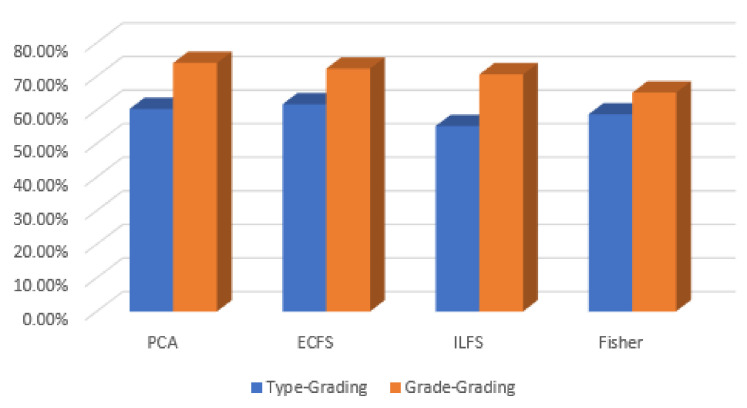
. 2022 May 28;12(6):1344.
doi: 10.3390/diagnostics12061344.

Intelligent Diagnosis and Classification of Keratitis

Affiliations

Intelligent Diagnosis and Classification of Keratitis

Hiam Alquran et al. Diagnostics (Basel). .

Abstract

A corneal ulcer is an open sore that forms on the cornea; it is usually caused by an infection or injury and can result in ocular morbidity. Early detection and discrimination between different ulcer diseases reduces the chances of visual disability. Traditional clinical methods that use slit-lamp images can be tiresome, expensive, and time-consuming. Instead, this paper proposes a deep learning approach to diagnose corneal ulcers, enabling better, improved treatment. This paper suggests two modes to classify corneal images using manual and automatic deep learning feature extraction. Different dimensionality reduction techniques are utilized to uncover the most significant features that give the best results. Experimental results show that manual and automatic feature extraction techniques succeeded in discriminating ulcers from a general grading perspective, with ~93% accuracy using the 30 most significant features extracted using various dimensionality reduction techniques. On the other hand, automatic deep learning feature extraction discriminated severity grading with a higher accuracy than type grading regardless of the number of features used. To the best of our knowledge, this is the first report to ever attempt to distinguish corneal ulcers based on their grade grading, type grading, ulcer shape, and distribution. Identifying corneal ulcers at an early stage is a preventive measure that reduces aggravation and helps track the efficacy of adapted medical treatment, improving the general public health in remote, underserved areas.

Keywords: PCA; ResNet101; corneal ulcer; deep learning.


Conflict of interest statement

The authors declare no conflict of interest.

Figures
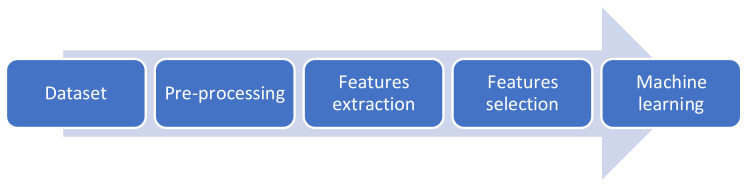
Figure 1
Figure 1
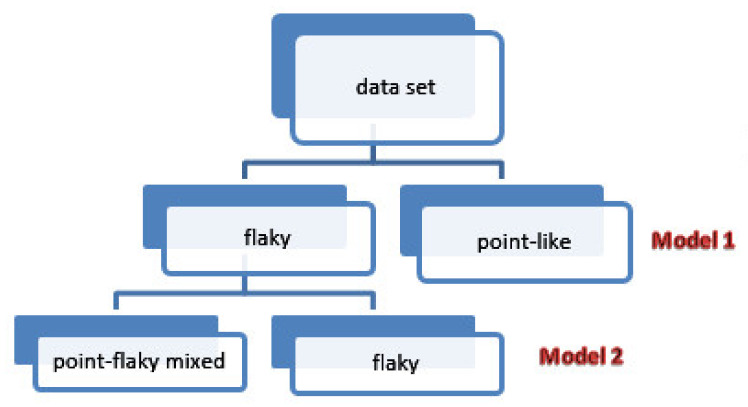
Flow chart of the proposed methodology.
Figure 2
Figure 2
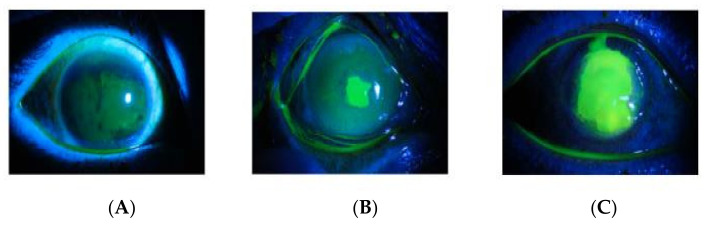
(A) point-like, (B) point-flaky, (C) and flaky corneal.
Figure 3
Figure 3
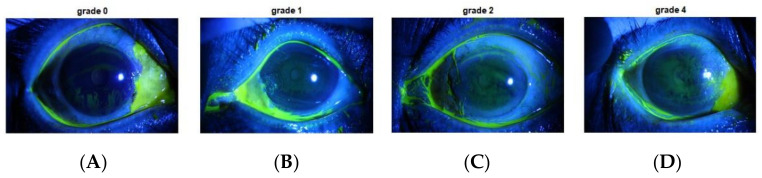
(A) Grade 0, (B) Grade 1, (C) Grade 2, and (D) Grade 4.
Figure 4
Figure 4
(A) Type 0, (B) Type 1, (C) Type 2, (D) Type 4, and (E) Type 4.
Figure 5
Figure 5
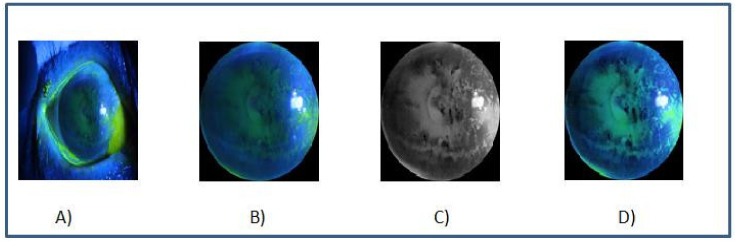
(A) Original image, (B) cornea area, (C) enhanced gray image, and (D) final enhanced image.
Figure 6
Figure 6
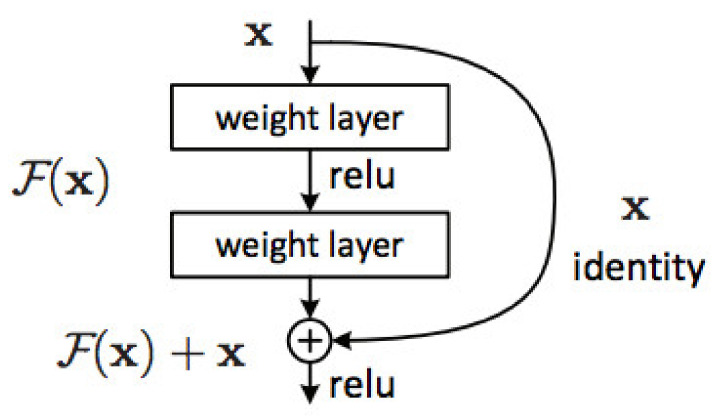
Residual learning: a building block [31].
Figure 7
Figure 7
SVM models for general pattern classification.
Figure 8
Figure 8
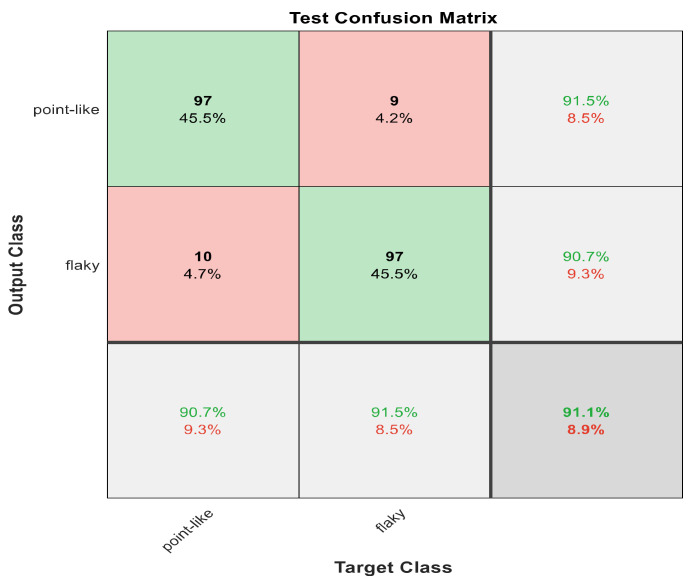
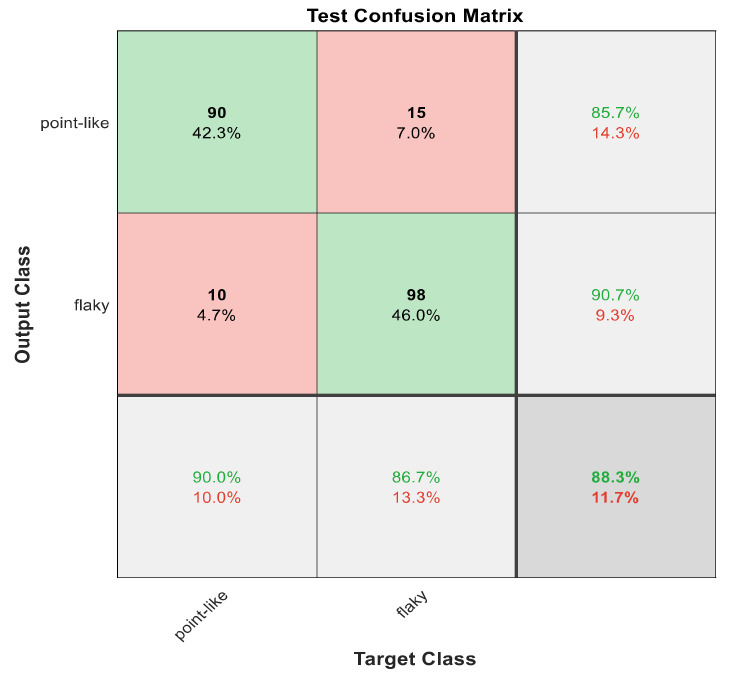
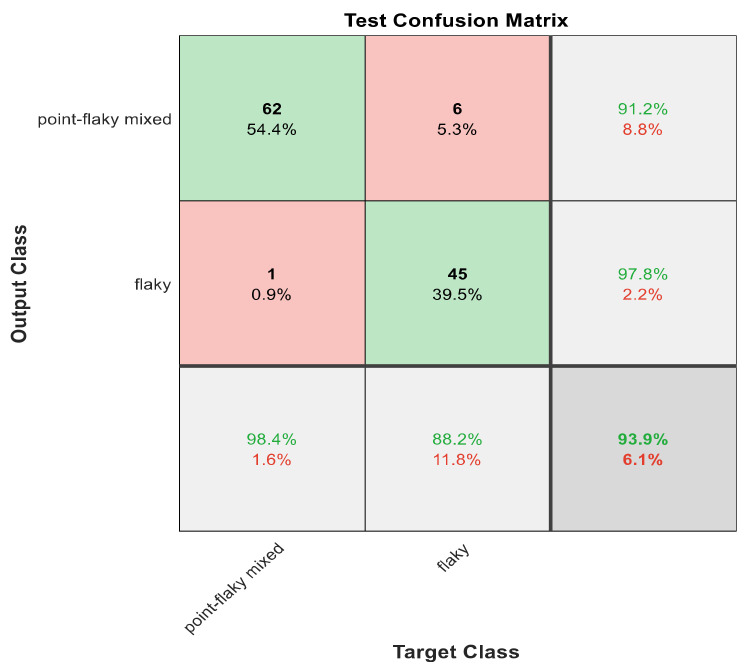
The confusion matrix with ECFS-reduced features for Model 1.
Figure 9
Figure 9
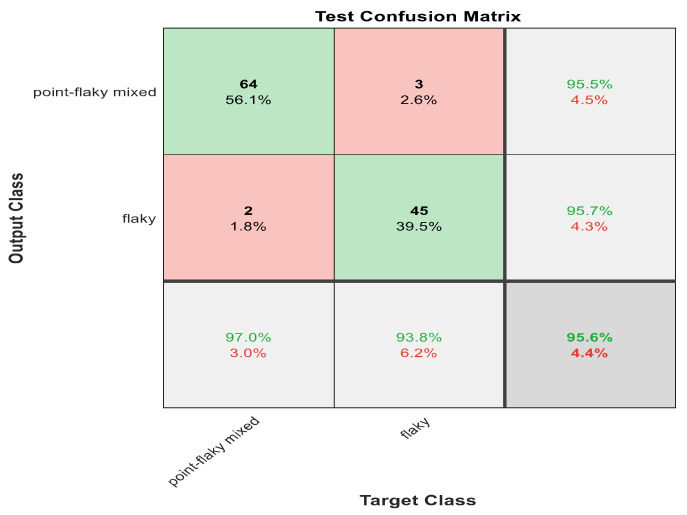
The confusion matrix with ECFS-reduced features for Model 2.
Figure 10
Figure 10
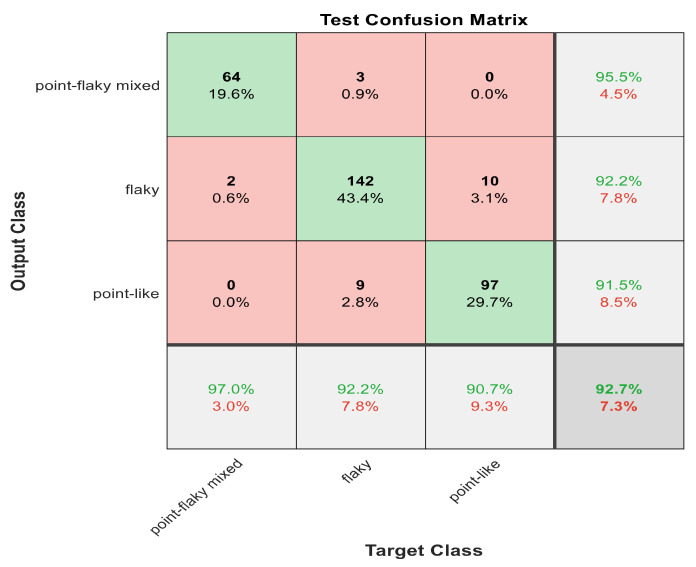
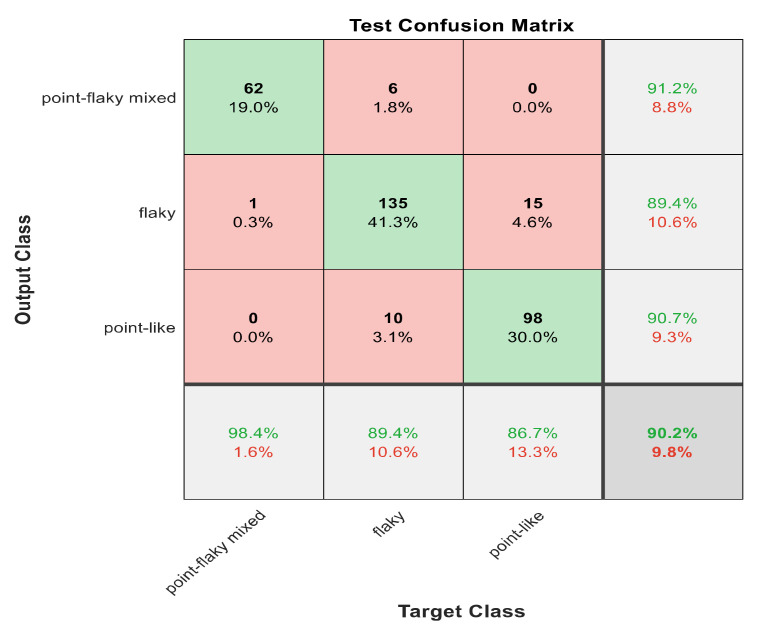
The confusion matrix with ECFS-reduced features for the whole cascading system.
Figure 11
Figure 11
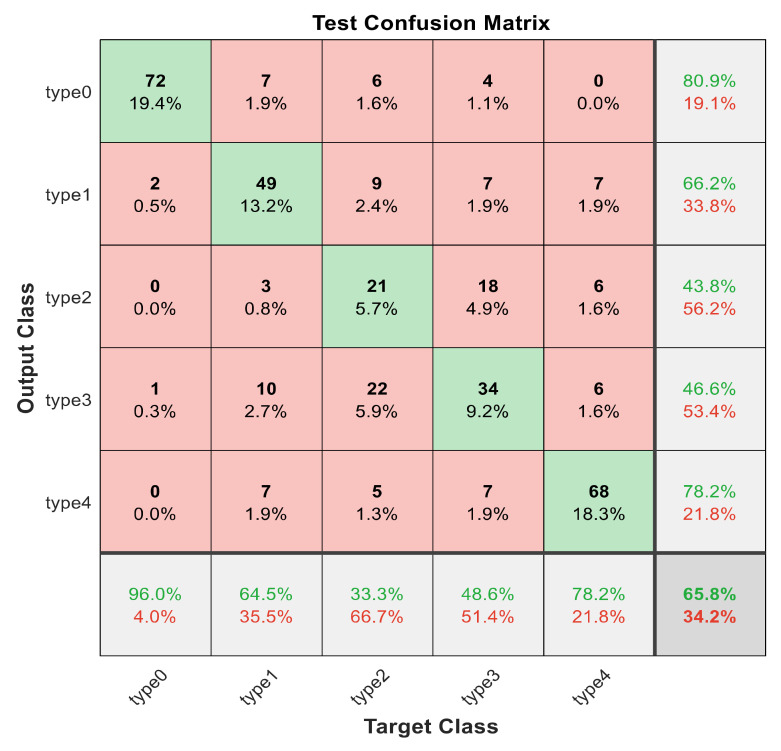
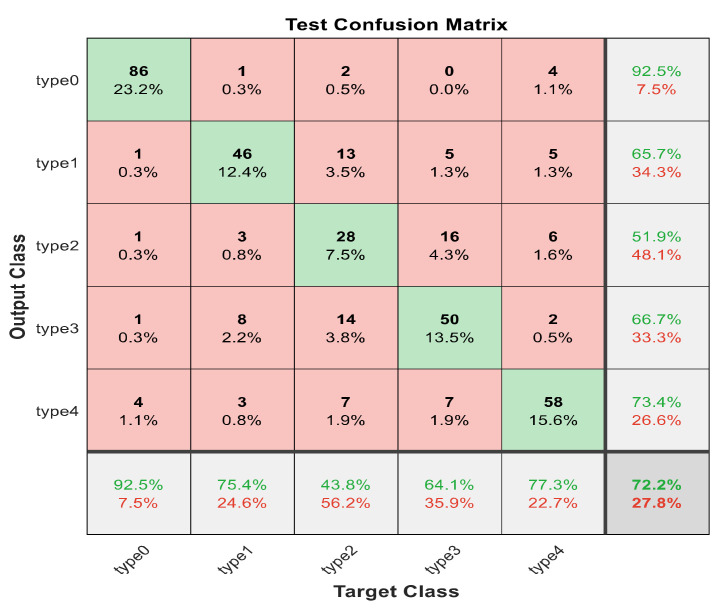
The confusion matrix with ECFS-reduced features for type grading.
Figure 12
Figure 12
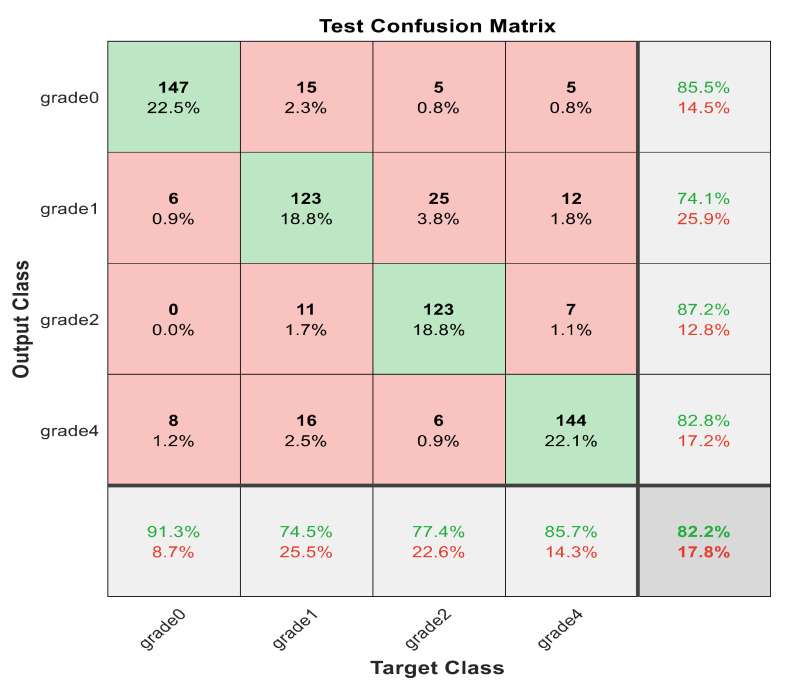
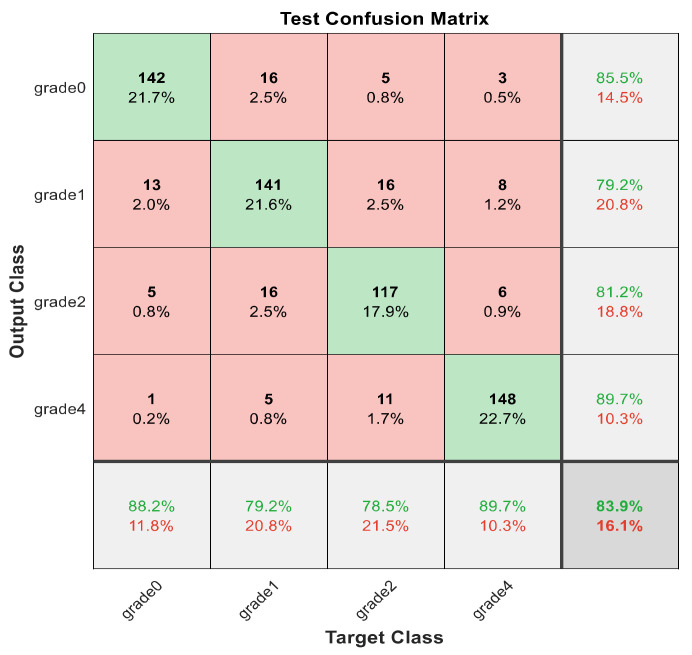
The confusion matrix with PCA-reduced features for grade grading.
Figure 13
Figure 13
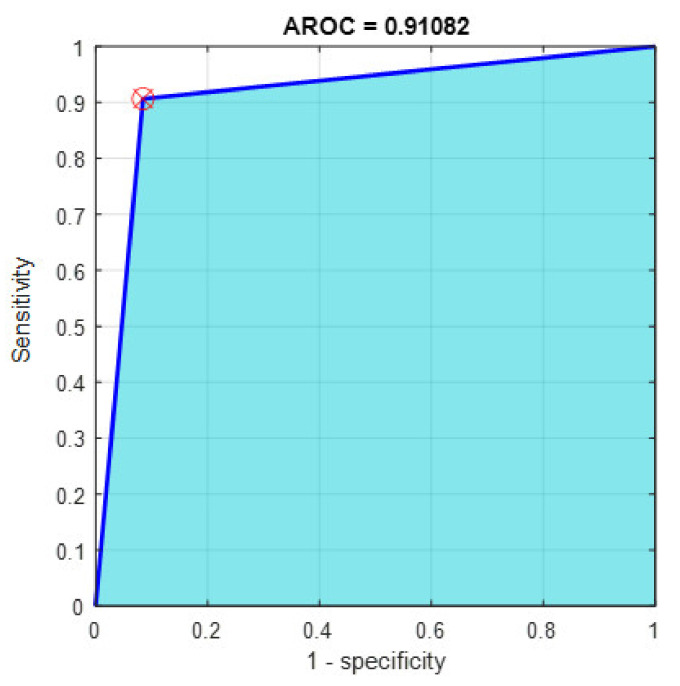
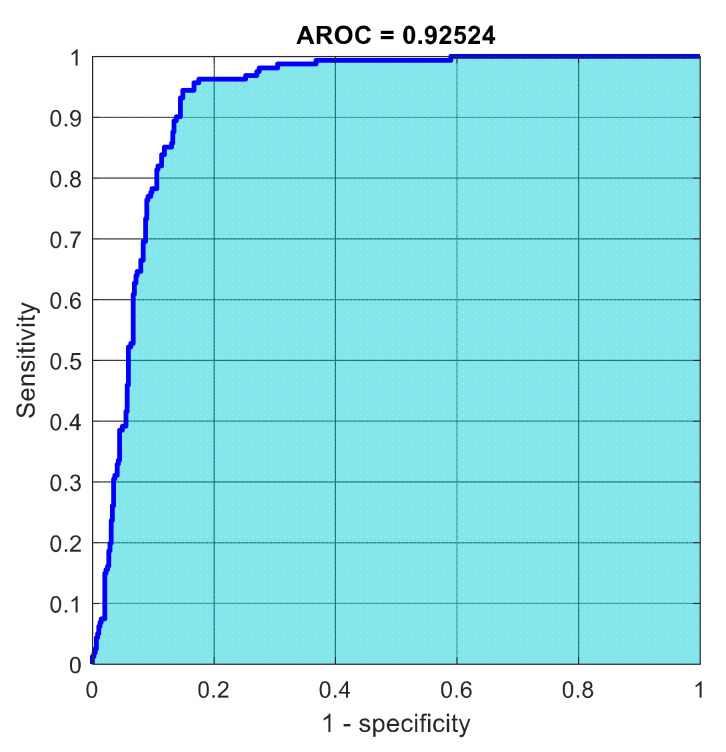
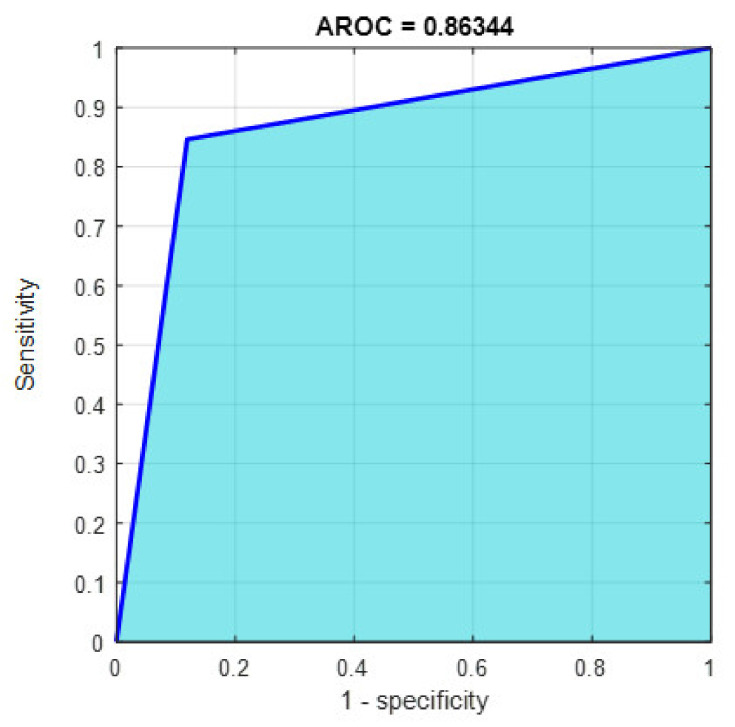
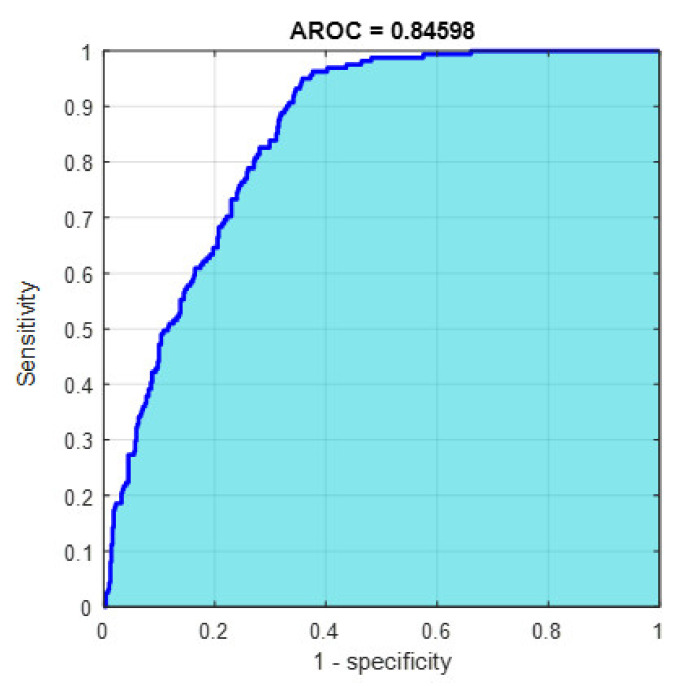
The AROC with ECFS-reduced features for Model 1.
Figure 14
Figure 14
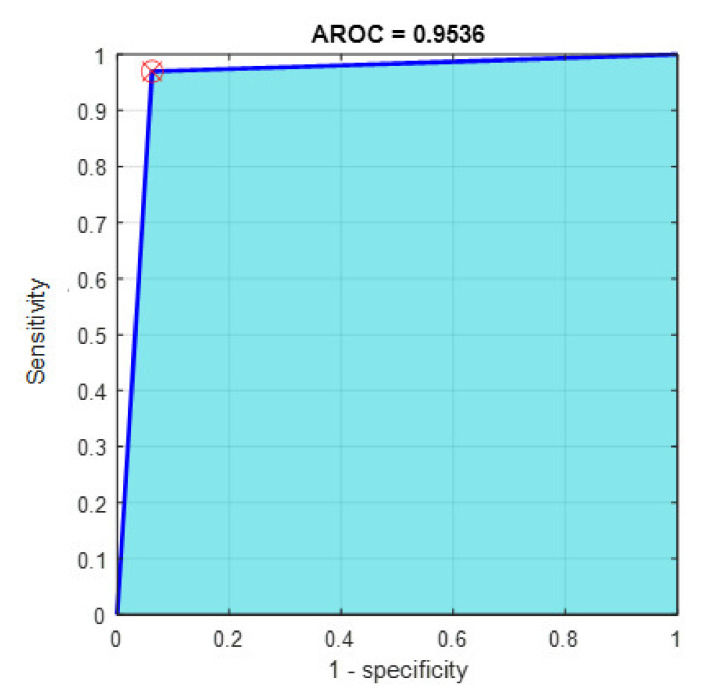
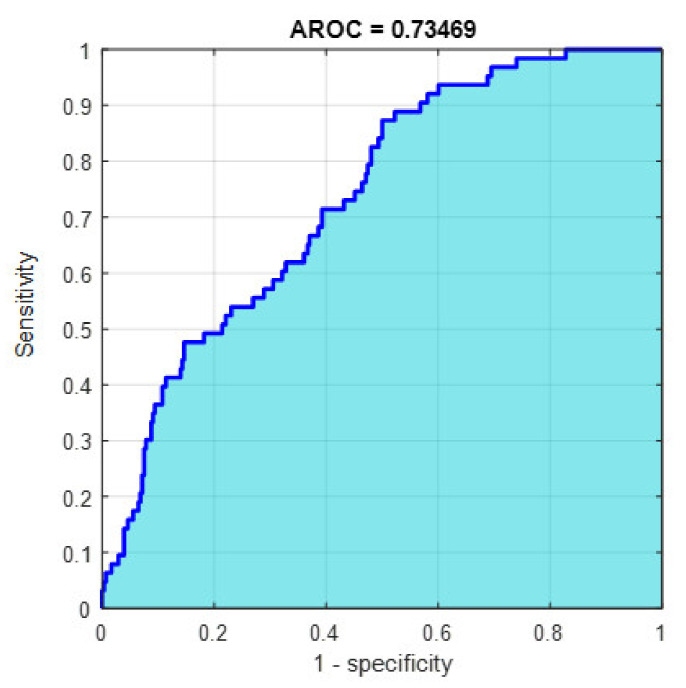
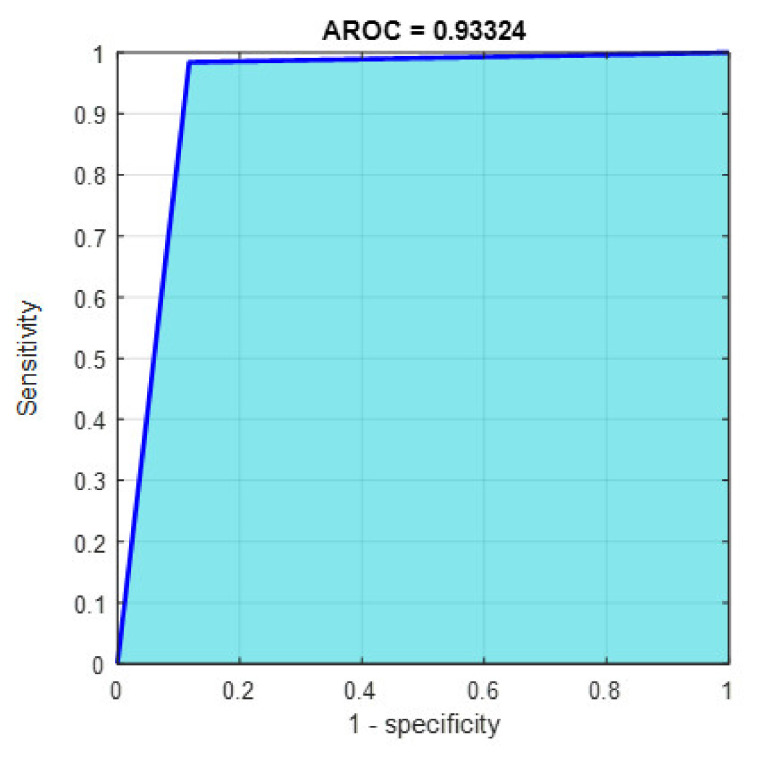
The AROC with ECFS-reduced features for Model 2.
Figure 15
Figure 15
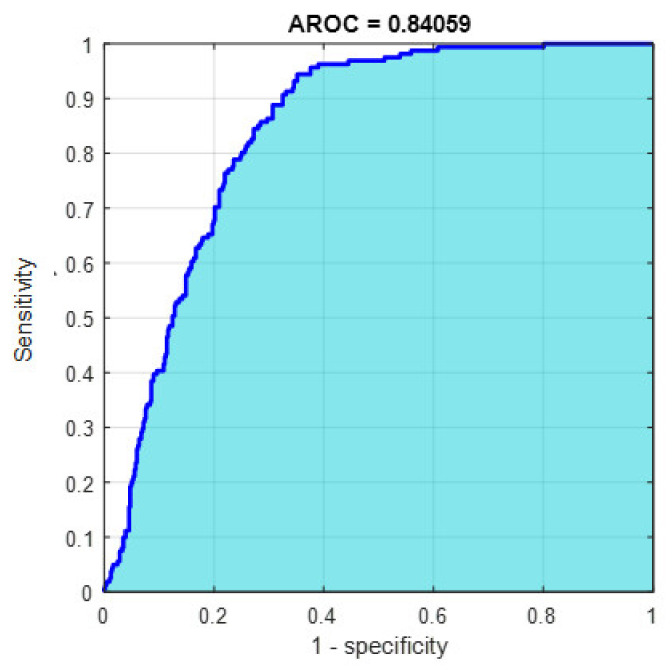
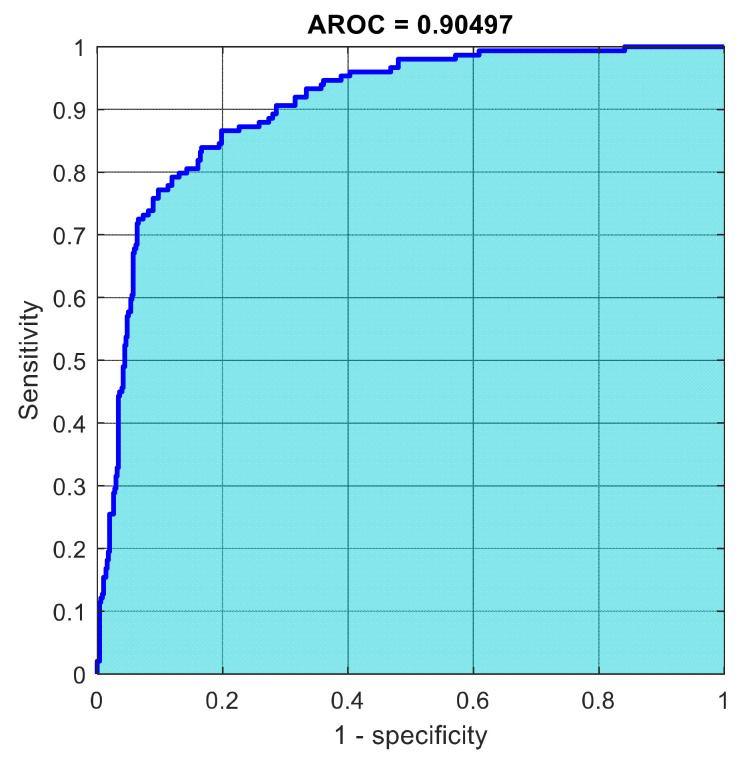
The AROC with ECFS-reduced features for the whole cascading system.
Figure 16
Figure 16
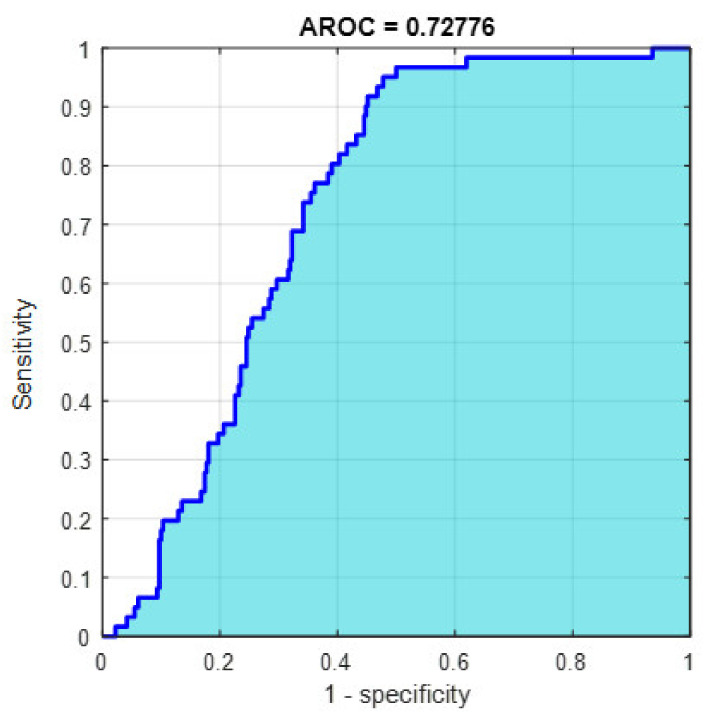
The AROC with ECFS-reduced features for type grading.
Figure 17
Figure 17
The AROC with PCA-reduced features for grade grading.
Figure 18
Figure 18
The confusion matrix for Model 1 using 1000 deep learning features.
Figure 19
Figure 19
The confusion matrix for Model 2 using 1000 deep learning features.
Figure 20
Figure 20
The confusion matrix for whole cascading system using 1000 deep learning features.
Figure 21
Figure 21
The confusion matrix with for type grading using 1000 deep learning features.
Figure 22
Figure 22
The confusion matrix with for grade grading using 1000 deep learning features.
Figure 23
Figure 23
The AROC for Model 1 using 1000 deep learning features.
Figure 24
Figure 24
The AROC for Model 2 using 1000 deep learning features.
Figure 25
Figure 25
The AROC for cascading model using 1000 deep learning features.
Figure 26
Figure 26
The AROC for type grading using 1000 deep learning features.
Figure 27
Figure 27
The AROC for grade grading using 1000 deep learning features.
Figure 28
Figure 28
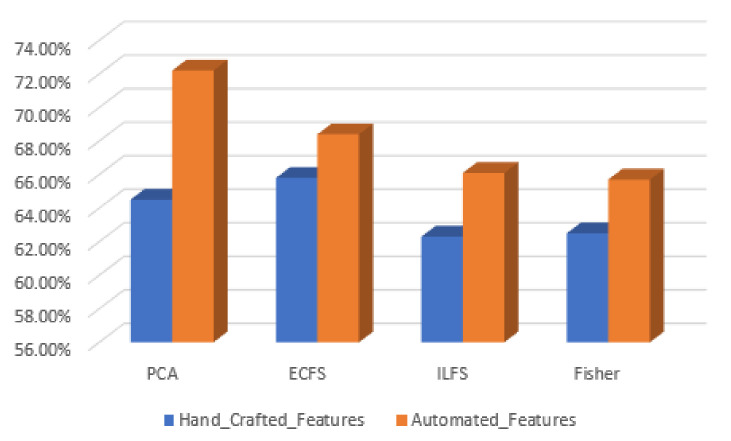
Accuracy for the 30 most significant features for type grading in both automated and hand-crafted features.
Figure 29
Figure 29
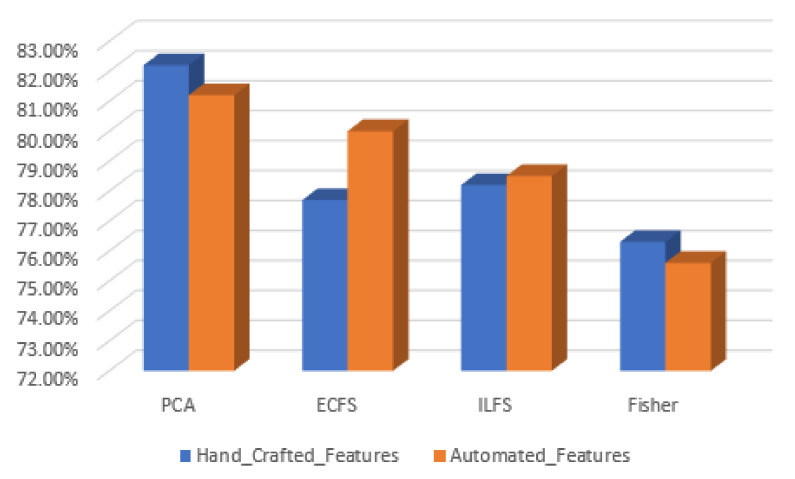
Accuracy for the 30 most significant features for severity grading in both automated and hand-crafted features.
Figure 30
Figure 30
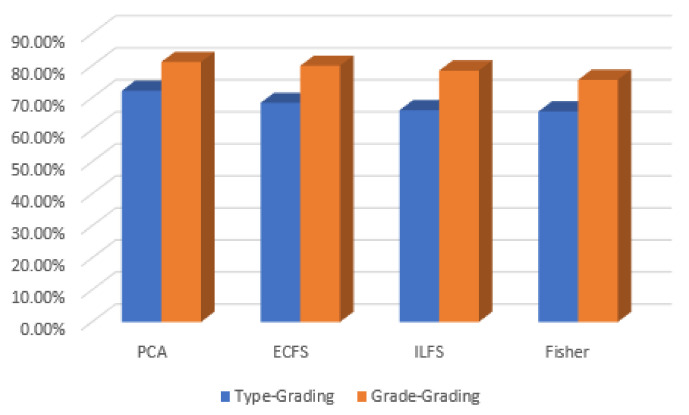
Accuracy for the 30 most significant features for severity grading and type grading employing automatic features.
Figure 31
Figure 31
Accuracy for the 50 most significant features for severity grading and type grading employing automatic features.

References

    1. Pepose J.S., Wilhelmus K.R. Divergent approaches to the management of corneal ulcers. Am. J. Ophthalmol. 1992;114:630–632. doi: 10.1016/S0002-9394(14)74496-4. - DOI - PubMed
    1. Whitcher J.P., Srinivasan M., Upadhyay M.P. Corneal blindness: A global perspective. Bull. World Health Organ. 2001;79:214–221. - PMC - PubMed
    1. Akram A., Debnath R. An Efficient Automated Corneal Ulcer Detection Method using Convolutional Neural Network; Proceedings of the 2019 22nd International Conference on Computer and Information Technology (ICCIT); Dhaka, Bangladesh. 18–20 December 2019; Piscataway, NJ, USA: IEEE; 2019. pp. 1–6.
    1. Li Z., Jiang J., Chen K., Chen Q., Zheng Q., Liu X., Weng H., Wu S., Chen W. Preventing corneal blindness caused by keratitis using artificial intelligence. Nat. Commun. 2021;12:1–12. doi: 10.1038/s41467-021-24116-6. - DOI - PMC - PubMed
    1. Tang N., Liu H., Yue K., Li W., Yue X. Automatic classification for corneal ulcer using a modified VGG network; Proceedings of the 2020 International Conference on Artificial Intelligence and Computer Engineering (ICAICE); Beijing, China. 23–25 October 2020; Piscataway, NJ, USA: IEEE; 2020. pp. 120–123.

LinkOut - more resources