


Therapeutic Treatment of 2A Grade Burns with Decellularized Bovine Peritoneum as a Xenograft: Multicenter Randomized Clinical Trial
- PMID: 35744082
- PMCID: PMC9230981
- DOI: 10.3390/medicina58060819
Therapeutic Treatment of 2A Grade Burns with Decellularized Bovine Peritoneum as a Xenograft: Multicenter Randomized Clinical Trial
Abstract
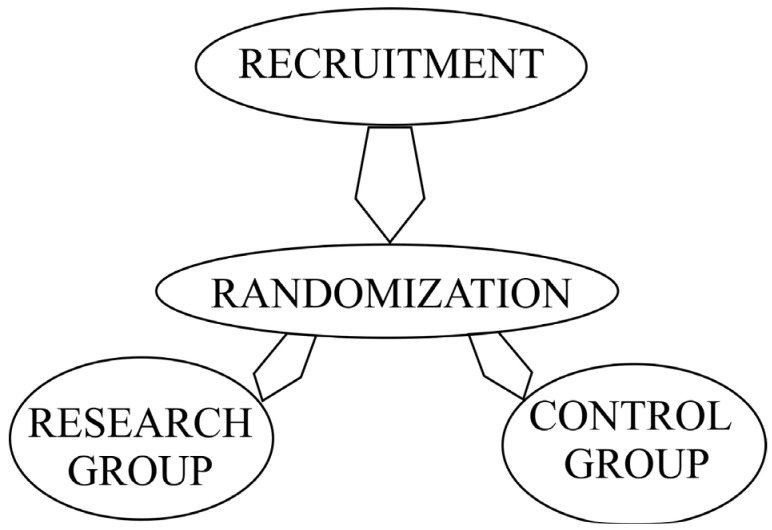
Background and Objectives: Homogeneous and xenogenic bioengineering structures are actively used as wound coatings in treatment of burns and have already shown their effectiveness. Nevertheless, the disadvantage of such dressings is their high cost. This issue is particularly challenging for developing countries in which the incidence of burns is the highest one. With such needs taken into account, the research team developed and clinically tested a new wound coating based on decellularized bovine peritoneum (DBP). Materials and Methods: A multicenter randomized clinical trial was conducted to evaluate DBP. The following variables were considered in the research study: the number of inpatient days, the number of dressing changes, the level of pain experienced during dressing changes, and the condition of wounds at the time of the follow-up examination. Results: The research involved 68 participants. It was found that the patients who were treated with a DBP experienced less pain with less changes of dressings. However, the number of inpatient days and wound healing failed to demonstrate statistically significant difference compared to the control group. Conclusions: In the given research, DBP showed efficacy in improving patients' quality of life by reducing pain and the number of dressings' changes. However, when comparing this research study with the studies of other animal-derived wound coverings, there were a number of differences and limitations in the parameters. Thus, the results requires further study for a greater comparability of data. Given the above, we expect that DBP will become an inexpensive and effective treatment for burns in developing countries.
Keywords: burns; decellularized bovine peritoneum; regeneration; wound dressing; xenograft.
Conflict of interest statement
The authors declare no conflict of interest.
Figures


References
-
- World Health Organization Burns. [(accessed on 14 April 2022)]; Available online: http://www.who.int/news-room/fact-sheets/detail/burns.
-
- Markiewicz-Gospodarek A., Kozioł M., Tobiasz M., Baj J., Radzikowska-Büchner E., Przekora A. Burn Wound Healing: Clinical Complications, Medical Care, Treatment, and Dressing Types: The Current State of Knowledge for Clinical Practice. Int. J. Environ. Res. Public Health. 2022;19:1338. doi: 10.3390/ijerph19031338. - DOI - PMC - PubMed
-
- Cambiaso-Daniel J., Boukovalas S., Boson A.L., Branski L.K., Kamolz L.-P. Treatment of Burns: Established and Novel Technologies. In: Jeschke M.G., Kamolz L.-P., Sjöberg F., Wolf S.E., editors. Handbook of Burns. 2nd ed. Volume 2. Springer International Publishing Ag; Cham, Switzerland: 2020. p. 476.
Publication types
MeSH terms
Grants and funding
LinkOut - more resources
Full Text Sources
Medical
