


Mechanocardiography in the Detection of Acute ST Elevation Myocardial Infarction: The MECHANO-STEMI Study
- PMID: 35746166
- PMCID: PMC9228321
- DOI: 10.3390/s22124384
Mechanocardiography in the Detection of Acute ST Elevation Myocardial Infarction: The MECHANO-STEMI Study
Abstract
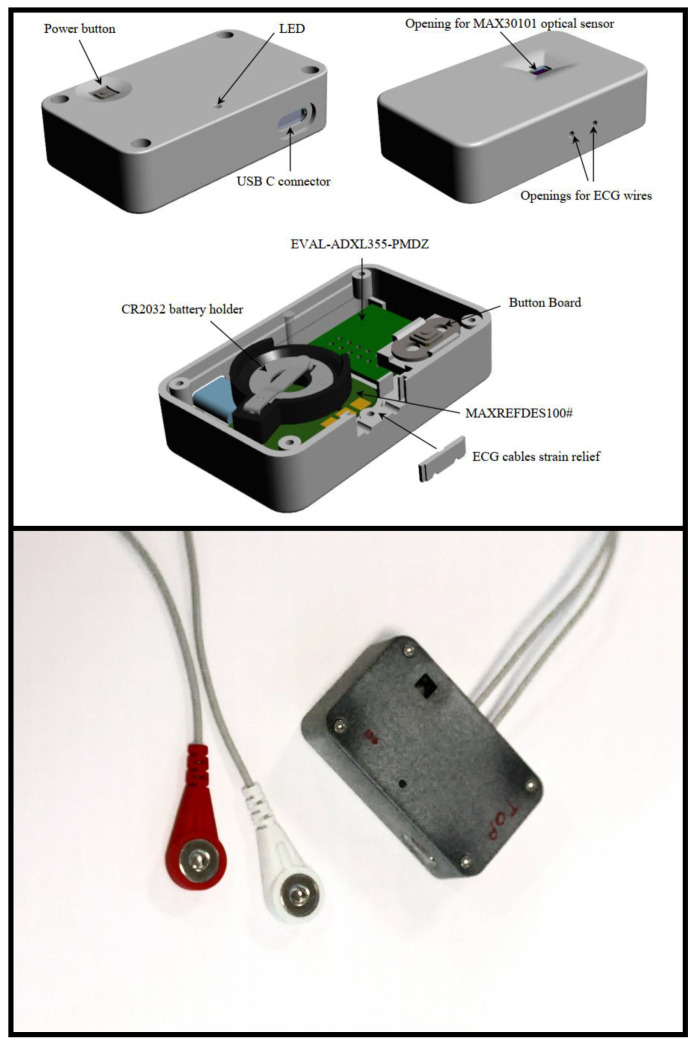
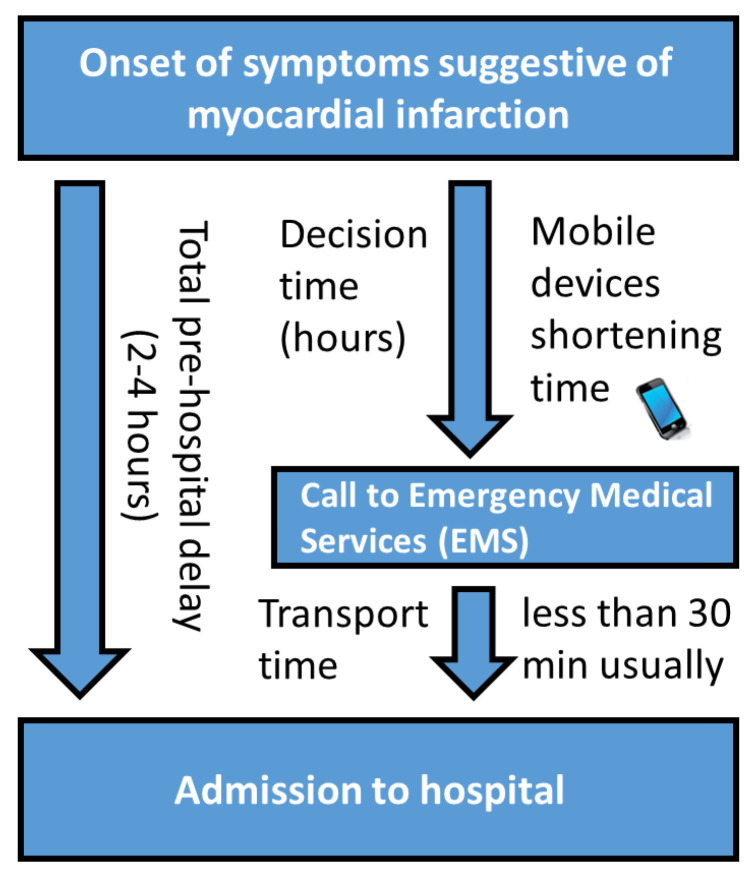
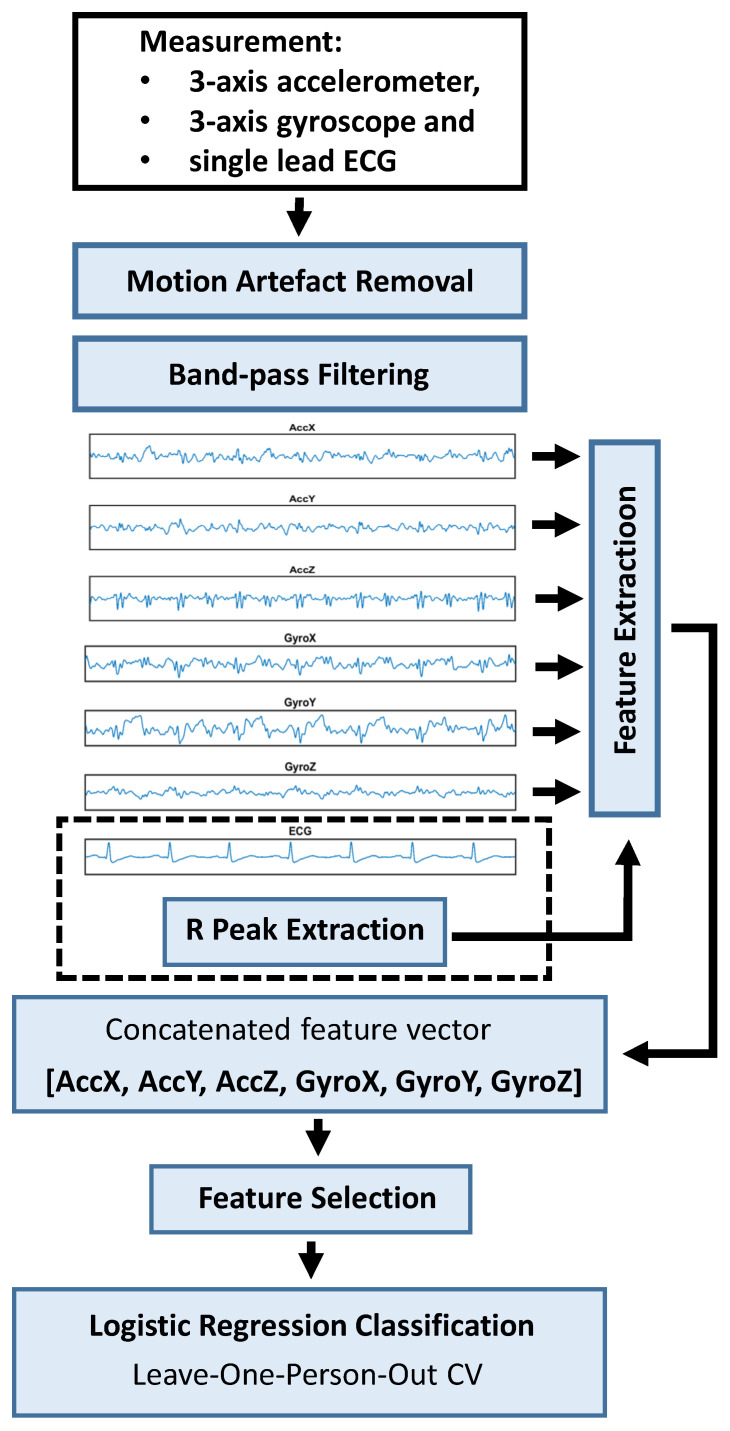
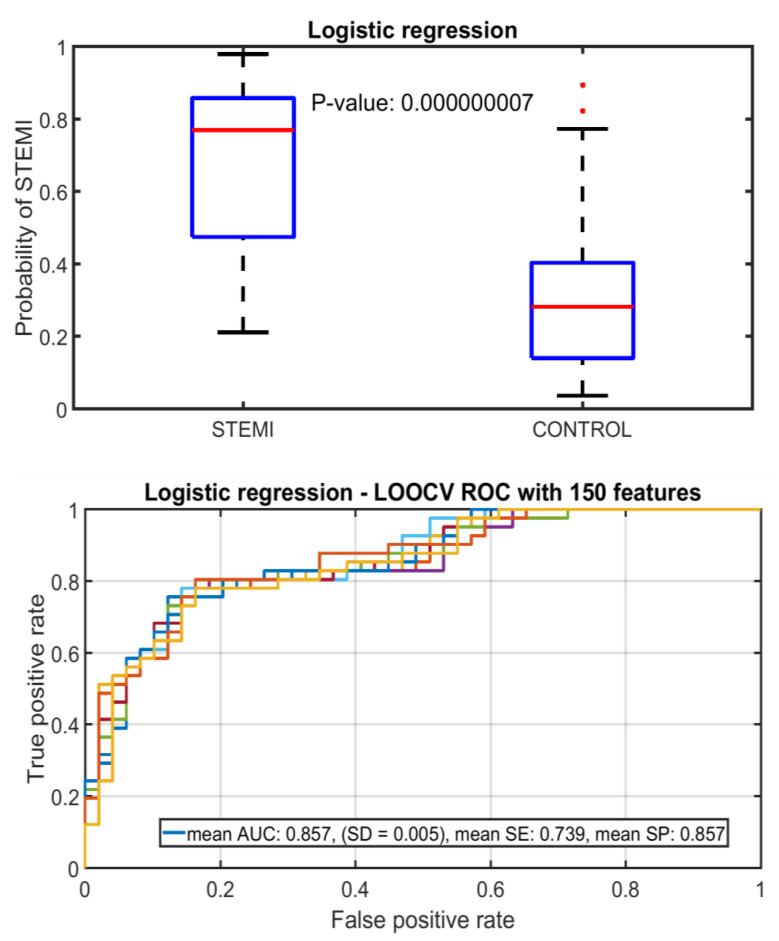
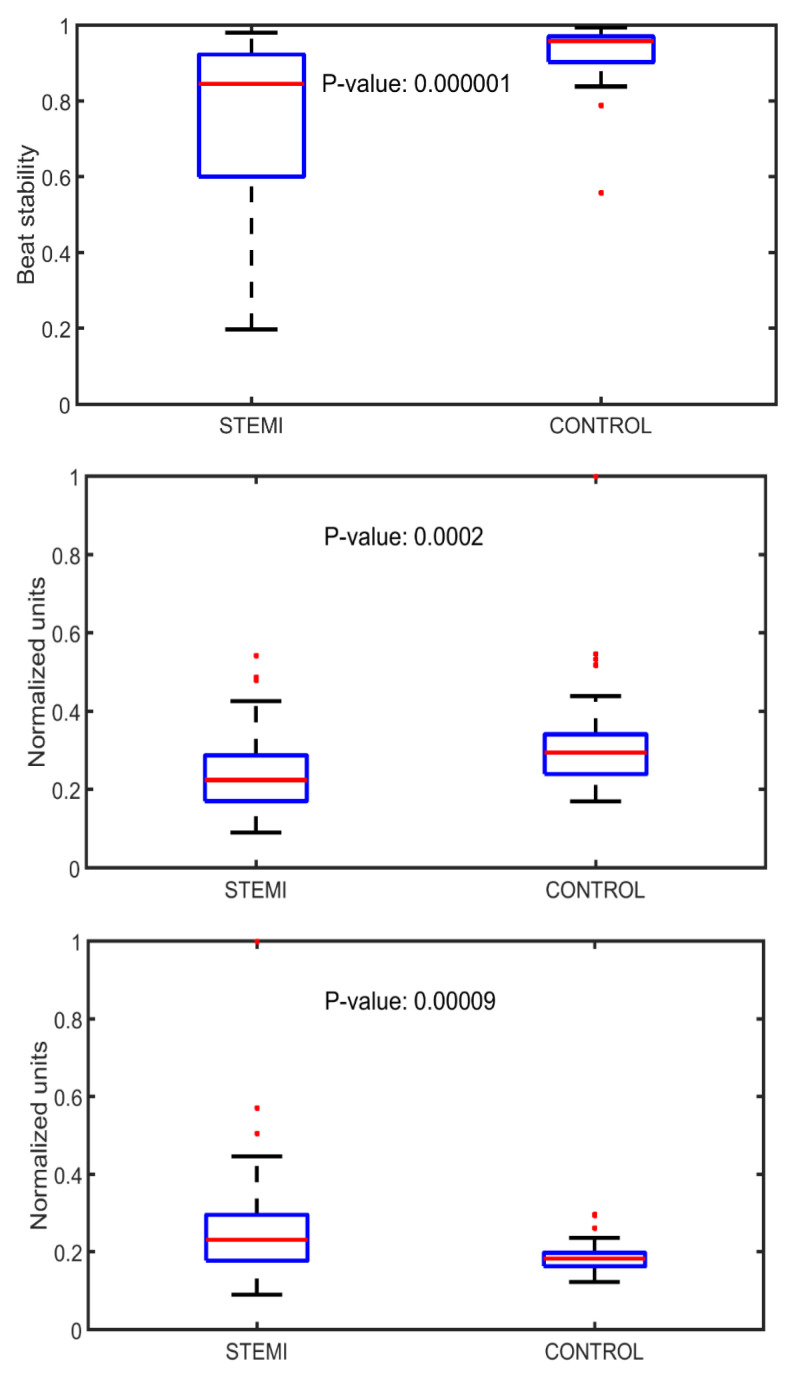
Novel means to minimize treatment delays in patients with ST elevation myocardial infarction (STEMI) are needed. Using an accelerometer and gyroscope on the chest yield mechanocardiographic (MCG) data. We investigated whether STEMI causes changes in MCG signals which could help to detect STEMI. The study group consisted of 41 STEMI patients and 49 control patients referred for elective coronary angiography and having normal left ventricular function and no valvular heart disease or arrhythmia. MCG signals were recorded on the upper sternum in supine position upon arrival to the catheterization laboratory. In this study, we used a dedicated wearable sensor equipped with 3-axis accelerometer, 3-axis gyroscope and 1-lead ECG in order to facilitate the detection of STEMI in a clinically meaningful way. A supervised machine learning approach was used. Stability of beat morphology, signal strength, maximum amplitude and its timing were calculated in six axes from each window with varying band-pass filters in 2-90 Hz range. In total, 613 features were investigated. Using logistic regression classifier and leave-one-person-out cross validation we obtained a sensitivity of 73.9%, specificity of 85.7% and AUC of 0.857 (SD = 0.005) using 150 best features. As a result, mechanical signals recorded on the upper chest wall with the accelerometers and gyroscopes differ significantly between STEMI patients and stable patients with normal left ventricular function. Future research will show whether MCG can be used for the early screening of STEMI.
Keywords: ECG; STEMI; accelerometer; acute myocardial infarction; electrocardiography; gyroscope; seismocardiography; telemonitoring.
Conflict of interest statement
The authors declare no conflict of interest. The funders had no role in the design of the study; in the collection, analyses, or interpretation of data; in the writing of the manuscript, or in the decision to publish the results.
Figures
References
-
- Salomaa V., Ketonen M., Koukkunen H., Immonen-Räihä P., Jerkkola T., Kärjä-Koskenkari P., Mähönen M., Niemelä M., Kuulasmaa K., Palomäki P., et al. Decline in out-of-hospital coronary heart disease deaths has contributed the main part to the overall decline in coronary heart disease mortality rates among persons 35 to 64 years of age in Finland: The FINAMI Study. Circulation. 2003;108:691–696. doi: 10.1161/01.CIR.0000083720.35869.CA. - DOI - PubMed
-
- Karam N., Bataille S., Marijon E., Tafflet M., Benamer H., Caussin C., Garot P., Juliard J., Pires V., Boche T., et al. Incidence, mortality, and outcome-predictors of sudden cardiac arrest complicating myocardial infarction prior to hospital admission. Circ. Cardiovasc. Interv. 2019;12:e007081. doi: 10.1161/CIRCINTERVENTIONS.118.007081. - DOI - PubMed
-
- Tadi M.J., Lehtonen E., Saraste A., Tuominen J., Koskinen J., Teräs M., Airaksinen J., Pänkäälä M., Koivisto T. Gyrocardiography: A new non-invasive monitoring method for the assessment of cardiac mechanics and the estimation of hemodynamic variables. Sci. Rep. 2017;7:6823. doi: 10.1038/s41598-017-07248-y. - DOI - PMC - PubMed
MeSH terms
Grants and funding
LinkOut - more resources
Full Text Sources
Research Materials
