


Synthesis of novel isoxazole-carboxamide derivatives as promising agents for melanoma and targeted nano-emulgel conjugate for improved cellular permeability
- PMID: 35751124
- PMCID: PMC9229817
- DOI: 10.1186/s13065-022-00839-5
Synthesis of novel isoxazole-carboxamide derivatives as promising agents for melanoma and targeted nano-emulgel conjugate for improved cellular permeability
Abstract
Background: Cancer is one of the most dangerous and widespread diseases in the world today and it has risen to the position of the leading cause of death around the globe in the last few decades. Due to the inherent resistance of many types of cancer to conventional radiotherapy and chemotherapy, it is vital to develop innovative anticancer medications. Recently, a strategy based on nanotechnology has been used to improve the effectiveness of both old and new cancer drugs.
Objectives: The present study aimed to design and synthesize a series of phenyl-isoxazole-Carboxamide derivatives, evaluate their anticancer properties, and improve the permeability of potent compounds into cancer cells by using a nano-emulgel strategy.
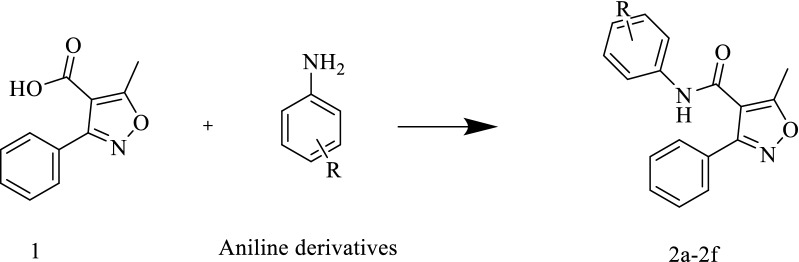
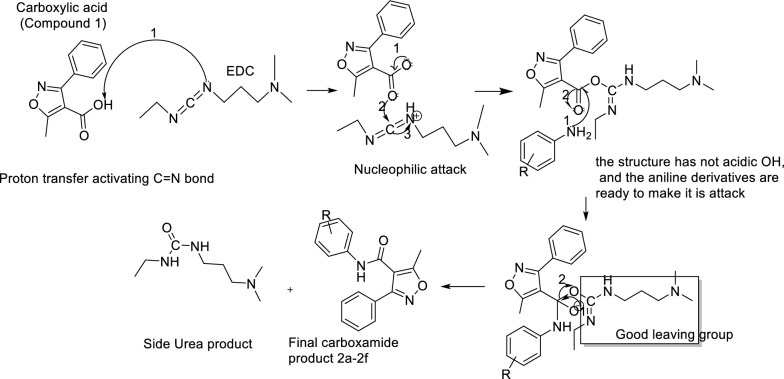
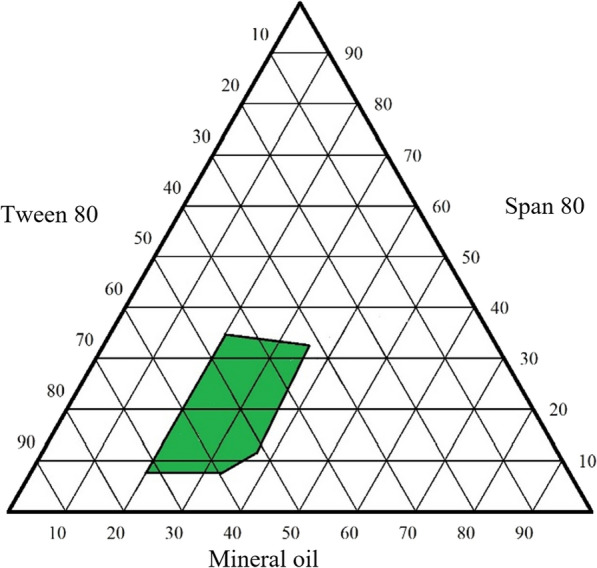
Methods: The coupling reaction of aniline derivatives and isoxazole-Carboxylic acid was used to synthesize a series of isoxazole-Carboxamide derivatives. IR, HRMS, 1H-NMR, and 13C-NMR spectroscopy techniques, characterized all the synthesized compounds. The in-vitro cytotoxic evaluation was performed by using the MTS assay against seven cancer cell lines, including hepatocellular carcinoma (Hep3B and HepG2), cervical adenocarcinoma (HeLa), breast carcinoma (MCF-7), melanoma (B16F1), colorectal adenocarcinoma (Caco-2), and colon adenocarcinoma (Colo205), as well as human hepatic stellate (LX-2) in addition to the normal cell line (Hek293T). A nano-emulgel was developed for the most potent compound, using a self-emulsifying technique.
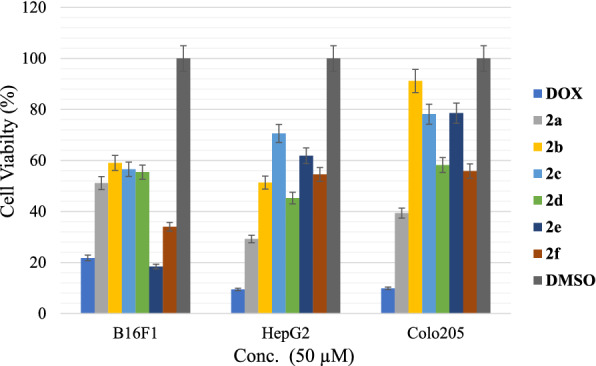
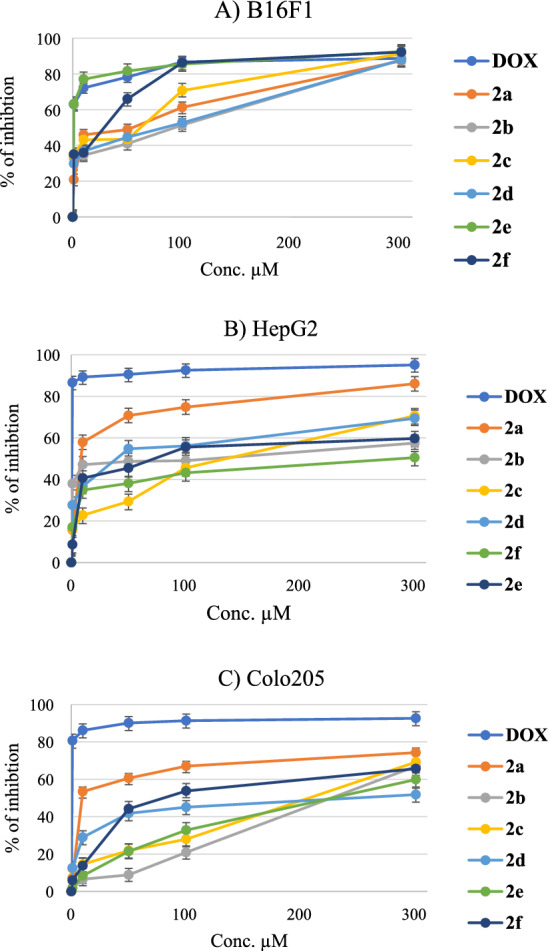
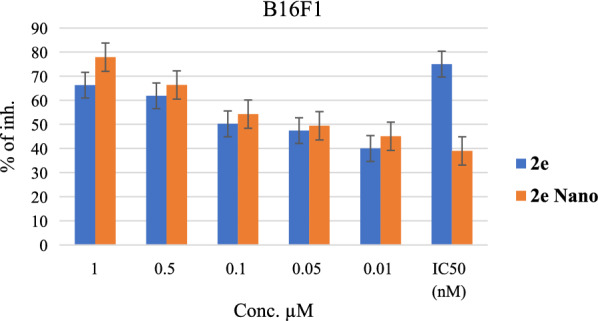
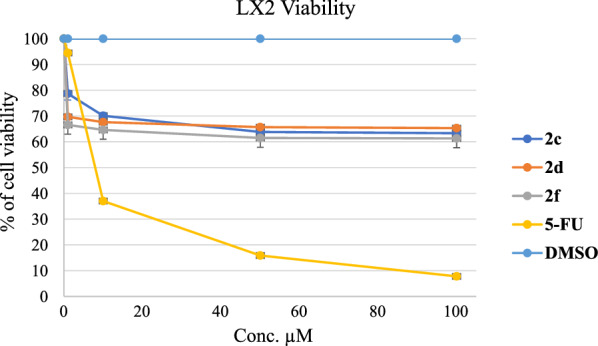
Results: All synthesized compounds were found to have potent to moderate activities against B16F1, Colo205, and HepG2 cancer cell lines. The results revealed that the 2a compound has broad spectrum activity against B16F1, Colo205, HepG2, and HeLa cancer cell lines with an IC50 range of 7.55-40.85 µM. Moreover, compound 2e was the most active compound against B16F1 with an IC50 of 0.079 µM compared with Dox (IC50 = 0.056 µM). Nanoemulgel was used to increase the potency of the 2e molecule against this cancer cell line, and the IC50 was reduced to 0.039 µM. The antifibrotic activities were investigated against the LX-2 cell line, and it was found that our synthesized molecules showed better antifibrotic activities at 1 µM than 5-FU, and the cell viability values were 67 and 95%, respectively.
Conclusion: This study suggests that a 2e nano-formalized compound is a potential and promising anti-melanoma agent.
Keywords: Anticancer; B16F1; Doxorubicin; Isoxazole; LX-2; Nano.
© 2022. The Author(s).
Conflict of interest statement
The authors declare that they have no competing interests.
Figures
References
-
- Cancer IAfRo. World Cancer Report: Cancer research for cancer prevention. Lyon: World Health Organization. 2020.
-
- Sekhon R, Bhatla N. Gynecological cancer update. Asian J Oncol. 2016;02(02):061–62. doi: 10.4103/2454-6798.197372. - DOI
LinkOut - more resources
Full Text Sources