


One Vax Two Lives: a social media campaign and research program to address COVID-19 vaccine hesitancy in pregnancy
- PMID: 35752303
- PMCID: PMC9221742
- DOI: 10.1016/j.ajog.2022.06.022
One Vax Two Lives: a social media campaign and research program to address COVID-19 vaccine hesitancy in pregnancy
Abstract
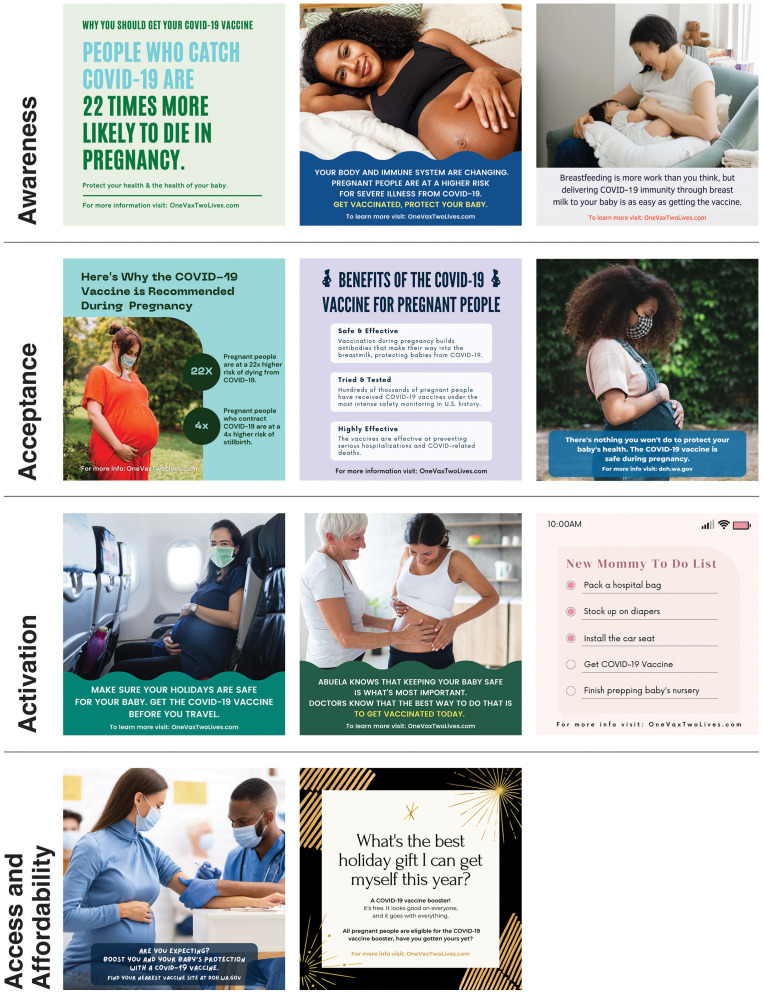
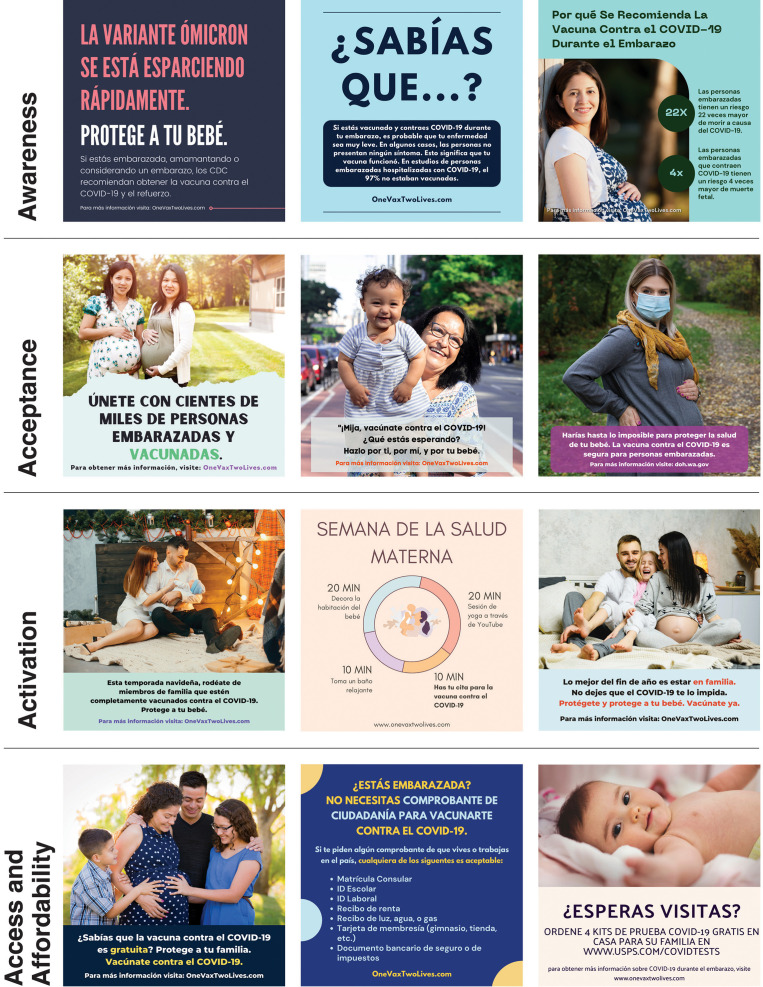
The COVID-19 pandemic has disproportionately affected pregnant people by increasing health risks of maternal morbidity and mortality, stillbirth, and preterm birth. Although numerous studies have supported the safety and efficacy of COVID-19 vaccination in pregnancy in preventing or mitigating the risk for these adverse outcomes, many pregnant people remain hesitant. Approximately half of US adults regularly consume news from social media platforms, which are a fertile ground for the spread of vaccine disinformation. The lack of information regarding COVID-19 vaccine safety early in the pandemic fueled vaccine myths targeting the fears of pregnant people about vaccination risks. Saddened by the spike in maternal deaths of unvaccinated individuals during the COVID-19 Delta variant surge in the fall of 2021, we created a social media campaign to promote scientific communication regarding the risks of COVID-19 disease in pregnancy and the benefits of vaccination. We called the campaign "One Vax Two Lives," which refers to the ability of 1 maternal vaccine to benefit the health and lives of both the pregnant individual and their fetus. We present a blueprint of how we leveraged a large, interdisciplinary student workforce to create a social media campaign and research program studying vaccine hesitancy, which can be replicated by other groups. Community engagement and partnerships with key stakeholders, such as the Washington State Department of Health, were essential for amplifying the campaign and providing our team with feedback on content and approach. We present the analytics of our social media advertisements, web articles, and video content that helped inform the iterative design process of the multimedia content. Moving forward, we are launching collaborative research programs to study vaccine hesitancy and inform the development of new social media content designed for pregnant individuals who are: (1) Spanish-speaking Hispanic/Latina/x, (2) Black or Afro-Latinx, and (3) residents of rural communities in the State of Washington. Data from these mixed methods studies will inform new communication campaigns to reach vaccine-hesitant individuals. Finally, we discuss lessons learned and how the most impactful elements of the campaign can be translated to related areas of maternal public health.
Keywords: COVID-19; SARS-CoV-2; communication; coronavirus; pregnancy; social media; vaccine hesitancy.
Copyright © 2022 Elsevier Inc. All rights reserved.
Figures
Comment in
-
Social media campaign and research program to address COVID-19 vaccine hesitancy in pregnancy: correspondence.Am J Obstet Gynecol. 2023 Jan;228(1):119-120. doi: 10.1016/j.ajog.2022.09.011. Epub 2022 Sep 12. Am J Obstet Gynecol. 2023. PMID: 36100078 Free PMC article. No abstract available.
References
LinkOut - more resources
Full Text Sources
Miscellaneous
