Review
. 2022 May 16;13(22):6478-6495.
doi: 10.1039/d2sc00721e. eCollection 2022 Jun 7.

Organometallic catalysis in aqueous and biological environments: harnessing the power of metal carbenes

Affiliations
Review

Organometallic catalysis in aqueous and biological environments: harnessing the power of metal carbenes

Sara Gutiérrez et al. Chem Sci. .

Abstract

Translating the power of transition metal catalysis to the native habitats of enzymes can significantly expand the possibilities of interrogating or manipulating natural biological systems, including living cells and organisms. This is especially relevant for organometallic reactions that have shown great potential in the field of organic synthesis, like the metal-catalyzed transfer of carbenes. While, at first sight, performing metal carbene chemistry in aqueous solvents, and especially in biologically relevant mixtures, does not seem obvious, in recent years there has been a growing number of reports demonstrating the feasibility of the task. Either using small molecule metal catalysts or artificial metalloenzymes, a number of carbene transfer reactions that tolerate aqueous and biorelevant media are being developed. This review intends to summarize the most relevant contributions, and establish the state of the art in this emerging research field.


Conflict of interest statement

There are no conflicts to declare.

Figures
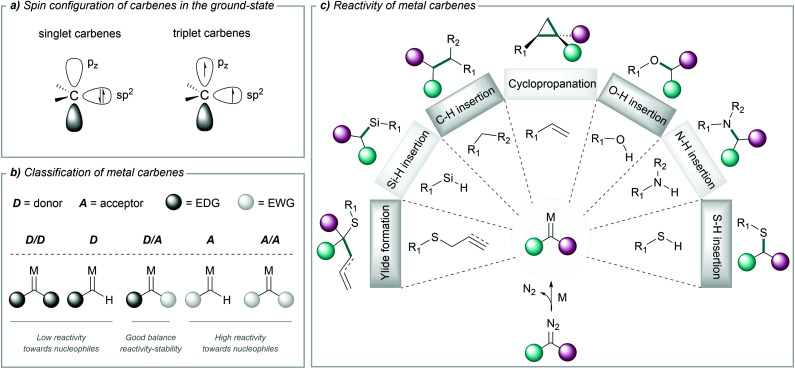
Fig. 1
Fig. 1. (a) Electronic structure of carbenes. (b) Classification of metal carbenes based on the nature of the substituents adjacent to the carbene. (c) Some transformations of metal carbenes carried out in aqueous media. EDG = electron donating group; EWG = electron withdrawing group.
Fig. 2
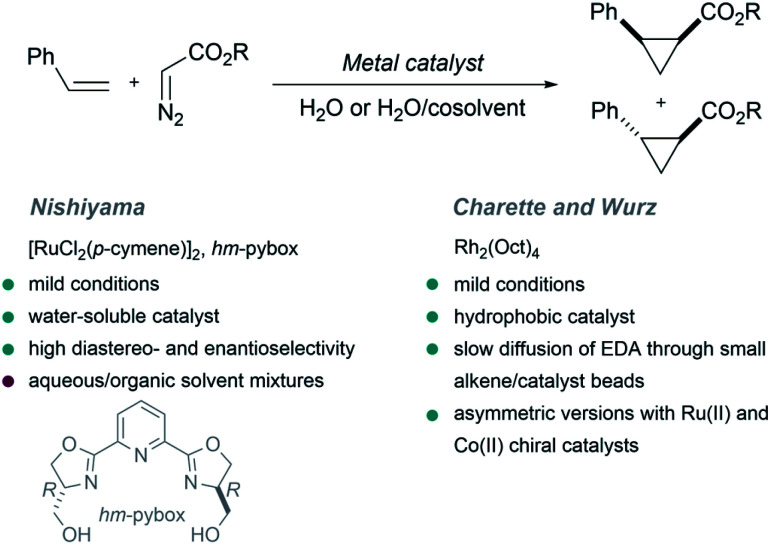
Fig. 2. Metal catalyzed cyclopropanations. Top: General reaction scheme. Bottom-left: Asymmetric Ru-catalyzed cyclopropanation reported by Nishiyama. Bottom-right: Rh-catalyzed cyclopropanation reported by Charette and Wurz.
Fig. 3
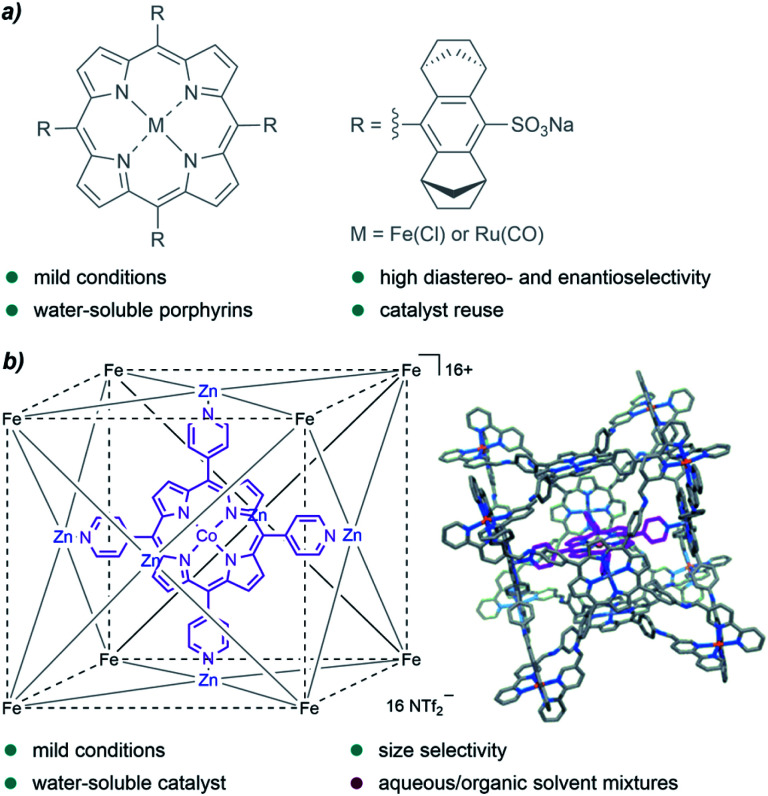
Fig. 3. (a) Water-soluble Fe and Ru porphyrins developed by Simonneaux and coworkers for asymmetric cyclopropanations in water. (b) Cobalt porphyrin “ship in a bottle” developed by de Bruin and coworkers, reproduced from ref. with permission from Wiley-VCH GmbH, copyright 2014.
Fig. 4
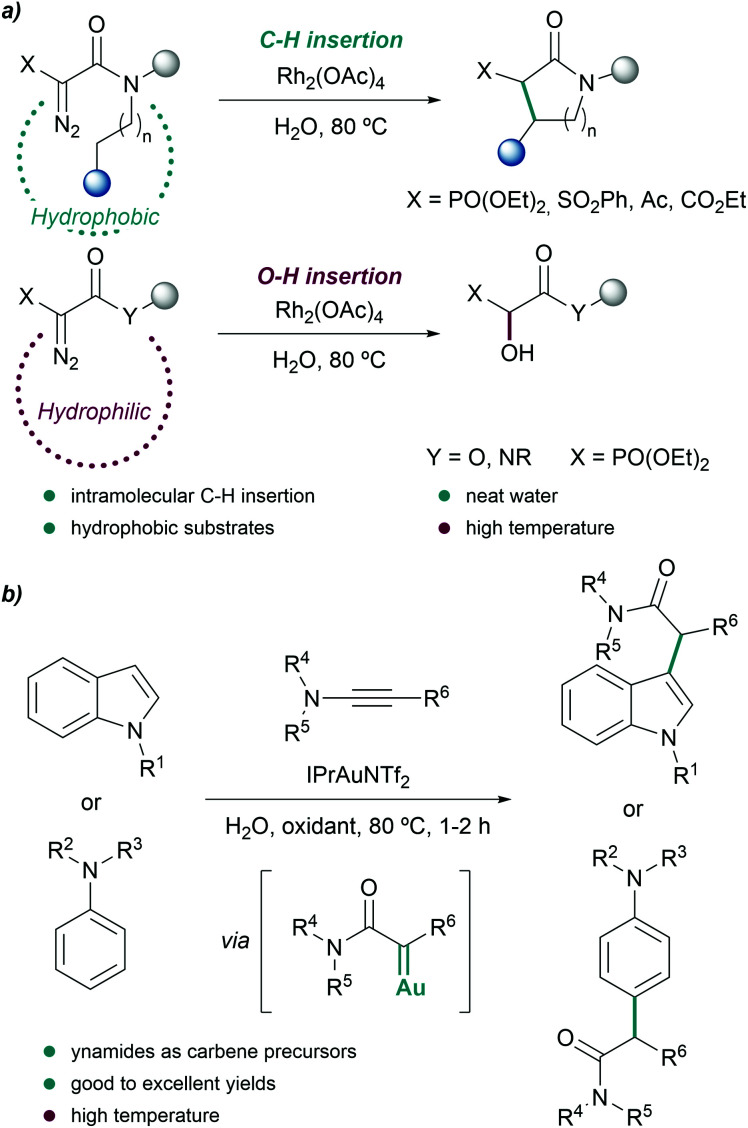
Fig. 4. C–H insertion reactions in water. (a) Intramolecular insertion of rhodium carbenoids into aliphatic C–H bonds reported by Afonso and coworkers. (b) Functionalization of indoles and anilines by in situ generated α-oxo gold carbenes.
Fig. 5
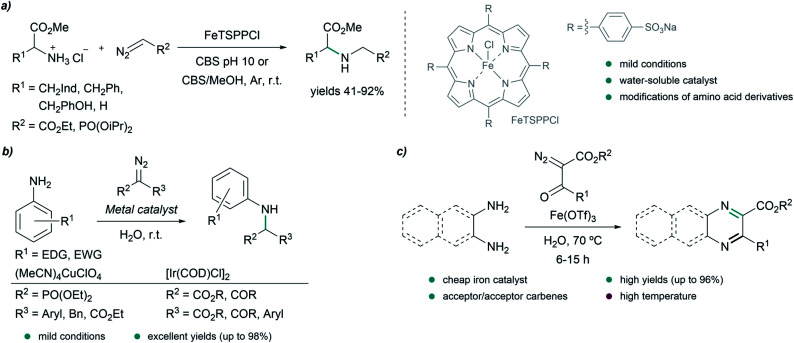
Fig. 5. N–H insertion reactions in water. (a) N–H insertion of iron carbenoids into amino acid derivatives catalyzed by a water soluble iron porphyrin in citrate buffer (CBS) reported by Simonneaux. (b) Carbene insertions into N–H bonds of anilines catalyzed by copper or iridium complexes reported by Sivasankar. (c) Iron catalyzed annulation of 1,2-diamines and diazodicarbonyl compounds reported by Lee.
Fig. 6
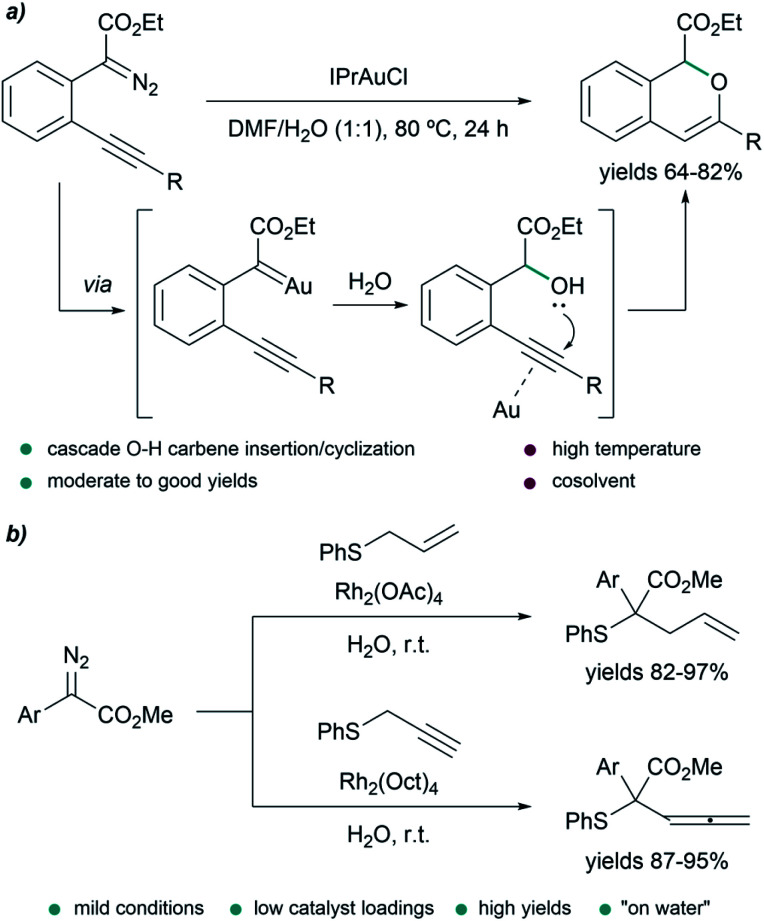
Fig. 6. (a) Gold-catalyzed tandem O–H insertion/cyclization in DMF/H2O. (b) Doyle–Kirmse reaction of in situ generated sulfonium ylides.
Fig. 7
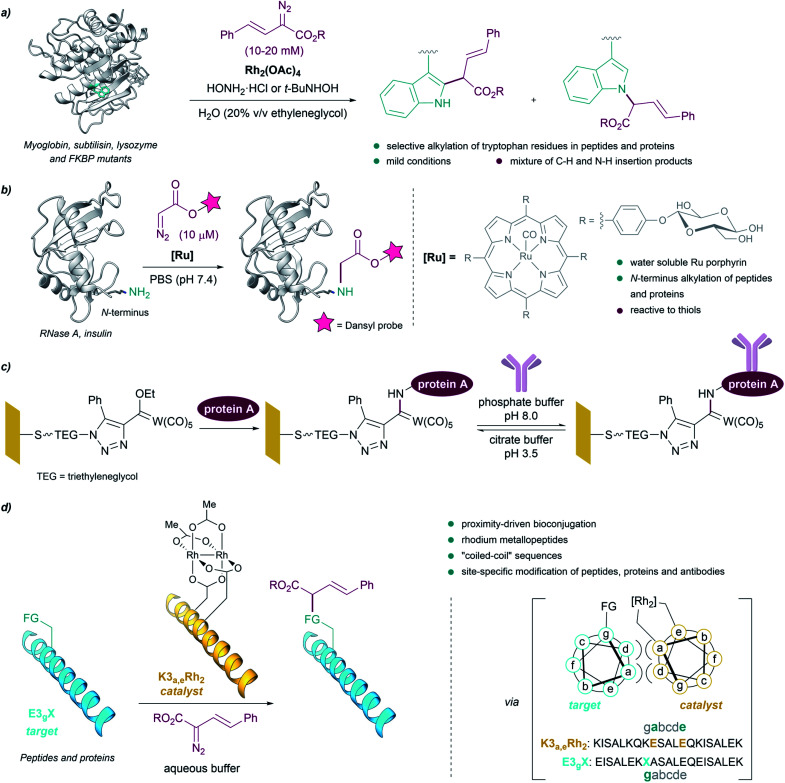
Fig. 7. (a) Bioconjugation of peptides and proteins based on the selective alkylation of tryptophan residues using rhodium carbenoids reported by Antos and Francis. (b) Bioconjugation of proteins based on the alkylation of the N-terminus. (c) Bioconjugation using Fischer carbenes on gold or glass surfaces. (d) Proximity-driven bioconjugation using rhodium metallopeptides developed by Ball for the site-specific modification of peptides, proteins and antibodies. The figure shows the structure of subtilisin Carlsberg ((a) PDB ID: 1SBC, tryptophans in blue) and RNase A ((b) PDB ID: 3A1R, N-terminus in blue).
Fig. 8
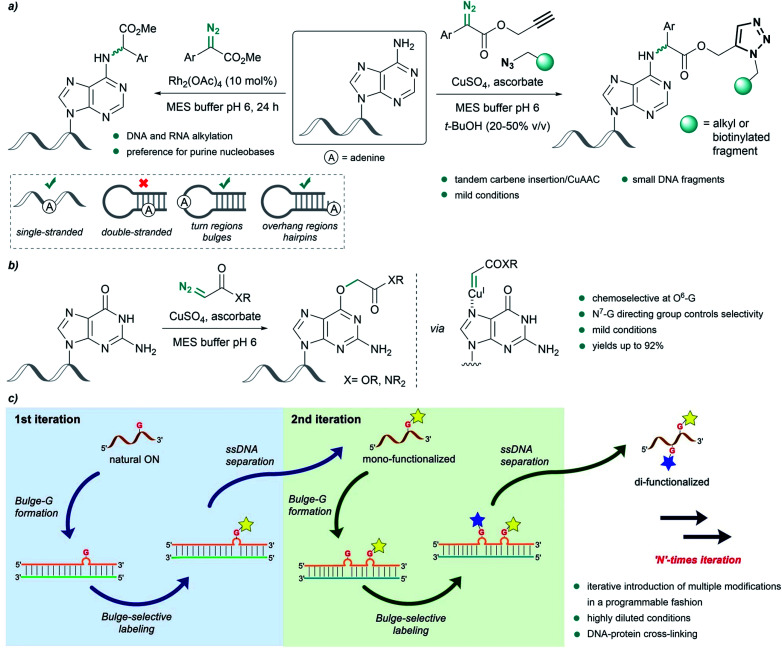
Fig. 8. Nucleic acid alkylation using metal carbenes. (a) Structure-selective catalytic alkylation of DNA and RNA (left) and tandem carbene N–H insertion/CuAAC (right) reported by Gillingham. (b) Chemoselective alkylation at guanine O6-G using copper carbenes reported by Gillingham. (c) Site-selective functionalization of oligonucleotides using rhodium carbenes reported by Park, reproduced with permission from ref. , licensed under a Creative Commons Attribution (CC BY) license. It is attributed to Park, and the original version can be found here (https://www.nature.com/articles/s41467-021-21839-4).
Fig. 9
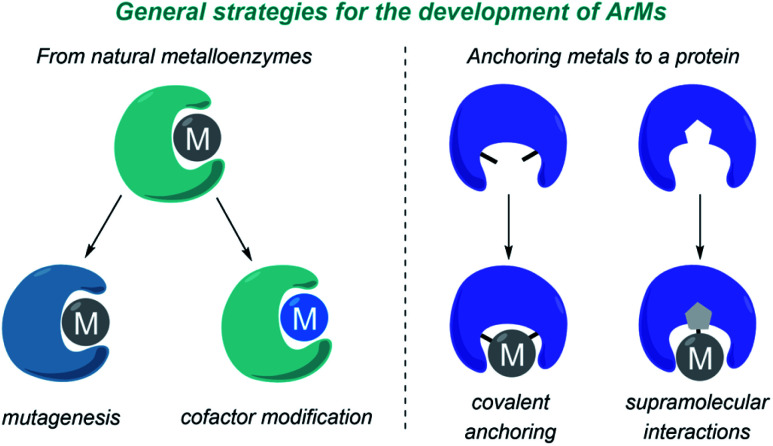
Fig. 9. Main strategies for the development of ArMs.
Fig. 10
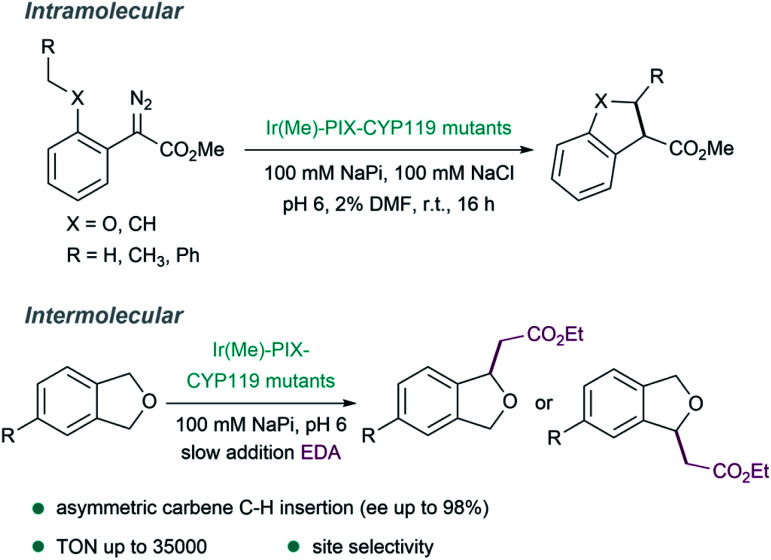
Fig. 10. Insertion of carbenes into C(sp3)–H bonds catalyzed by several metal–PIX reconstituted myoglobins containing a single mutation at the axial residue.
Fig. 11
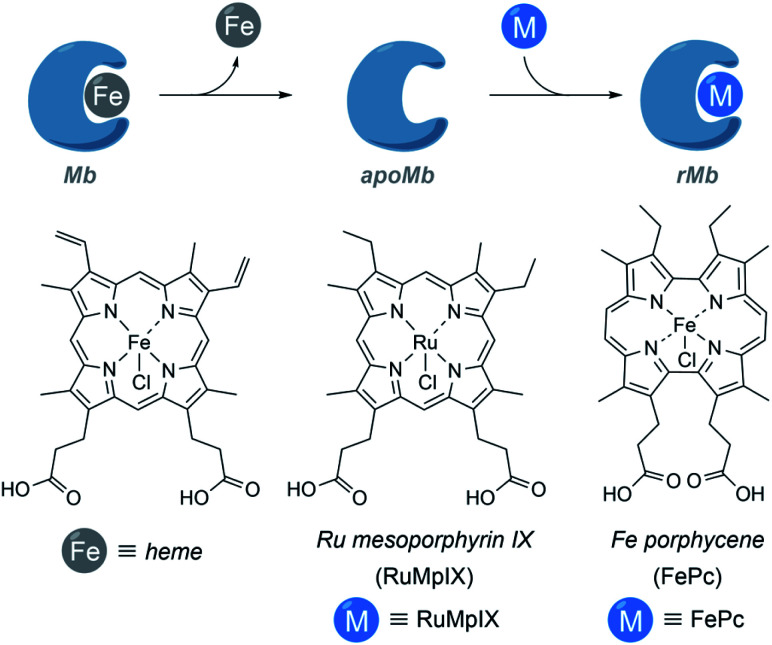
Fig. 11. Schematic representation of the reconstitution of myoglobin with RuMpIX and FePc. rMb = reconstituted myoglobin.
Fig. 12
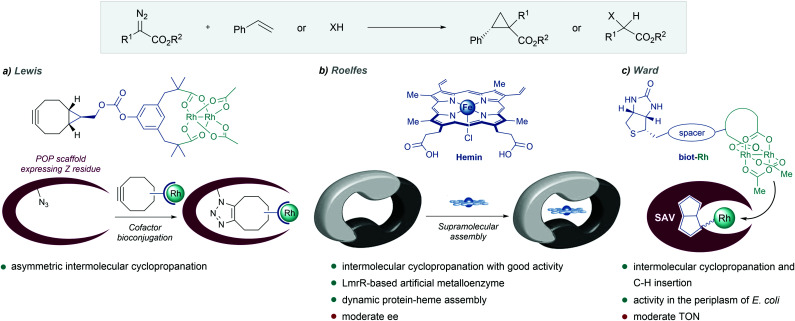
Fig. 12. De novo designed metalloenzymes. (a) Rhodium ArM developed by Lewis. (b) Self-assembled LmrR-heme metalloenzyme reported by Roelfes, reproduced with permission from ref. , licensed under a Creative Commons Attribution (CC BY-NC 4.0) license, by Roelfes. Discolored from original. The original version can be found here (https://onlinelibrary.wiley.com/doi/full/10.1002/anie.201802946). (c) Streptavidin-biotin strategy followed by Ward.
Fig. 13
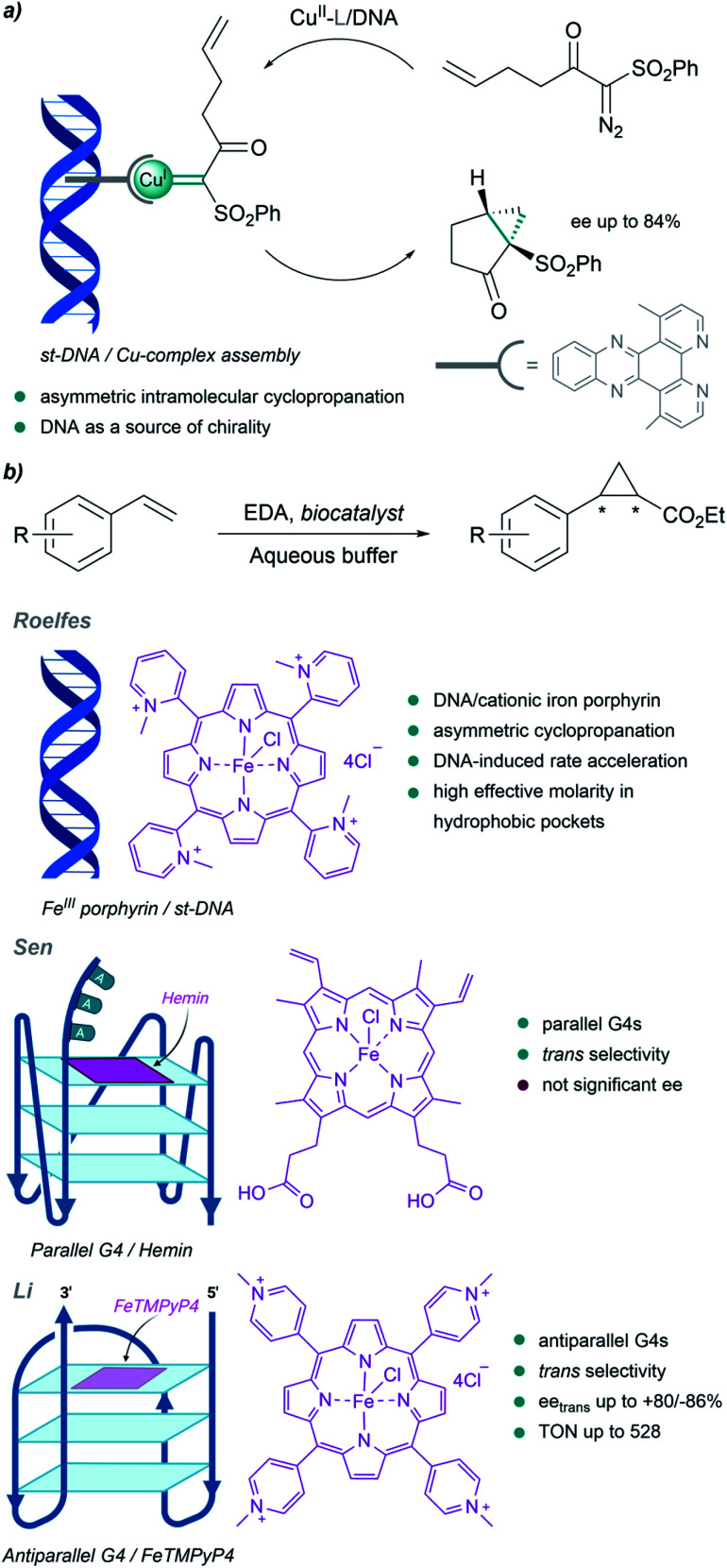
Fig. 13. DNA-based carbene transfer reactions. (a) Intramolecular cyclopropanation catalyzed by assembled DNA/Cu complexes. (b) Cyclopropanation of styrene with EDA using DNA-based biocatalysts.
Fig. 14
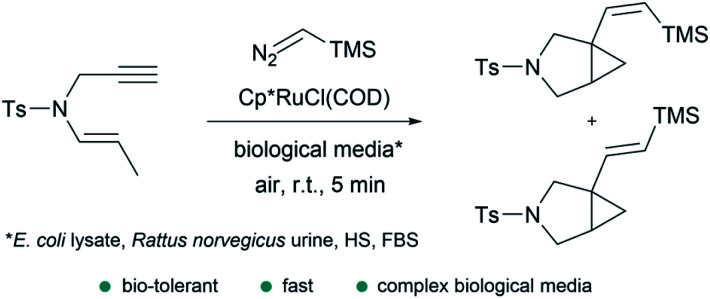
Fig. 14. Ru-catalyzed fusion of a diazo with an enyne in complex biological media to provide bicyclic cyclopropanes reported by Teply and coworkers.
Fig. 15
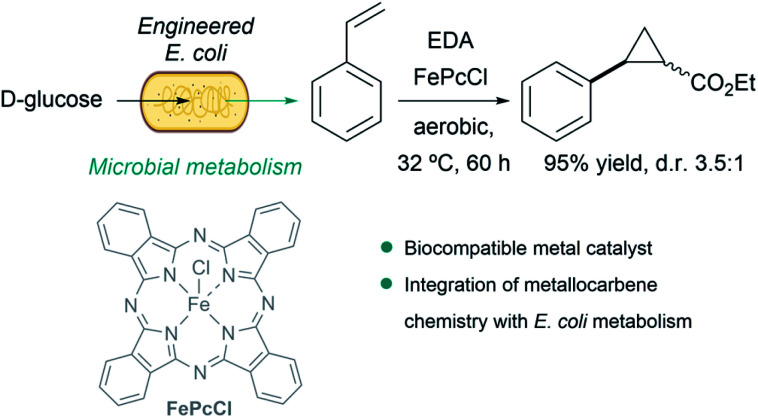
Fig. 15. Combination of microbial metabolism and metallocarbene chemistry to generate cyclopropanes from d-glucose in E. coli reported by Balskus.
Fig. 16
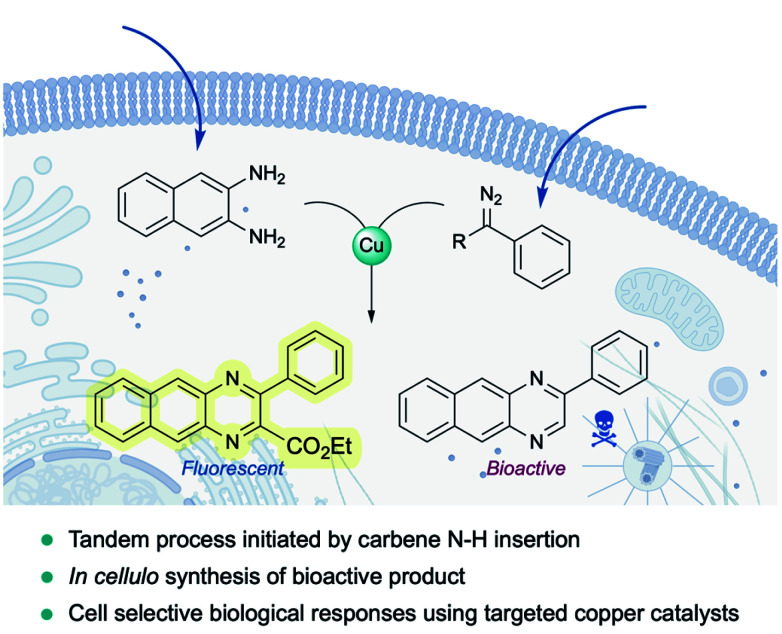
Fig. 16. Exporting metal carbenes to live mammalian cells. Copper catalyzed synthesis of quinoxalines enabled by N–H carbene insertion.
Fig. 17
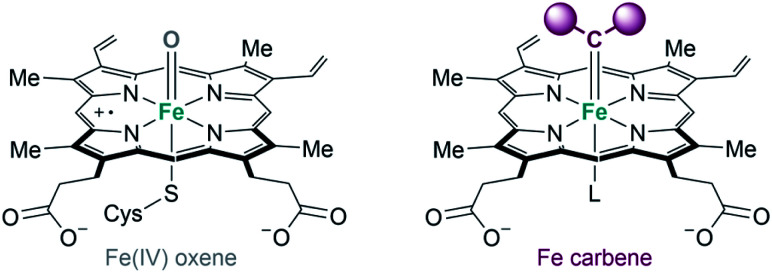
Fig. 17. Comparison of Fe-oxene and Fe-carbene intermediates in heme-based metalloenzymes proposed by Arnold.
Fig. 18
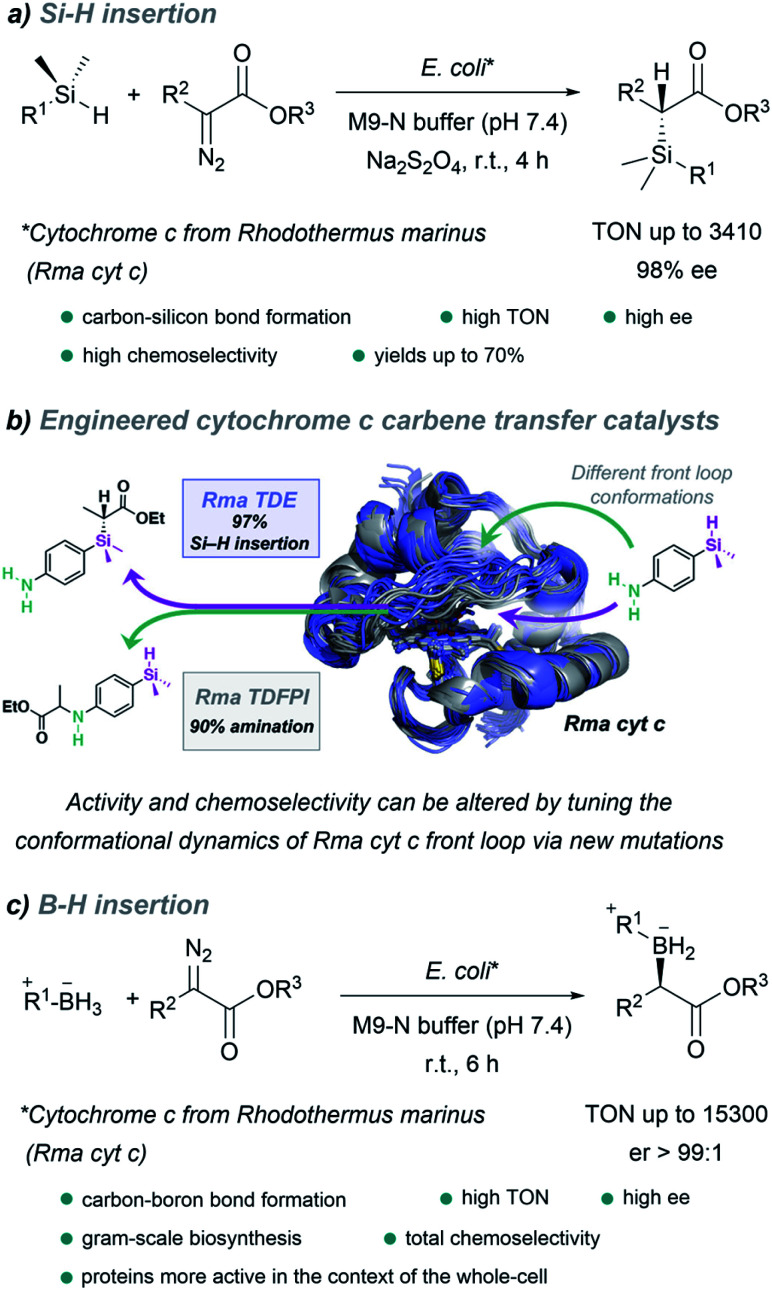
Fig. 18. Expanding nature's carbene catalytic repertoire for in vivo (E. coli) reactions. (a) Synthesis of chiral silicon compounds. (b) Chemoselectivity of carbene transfer: Si–H versus N–H insertion, reproduced from ref. with permission from American Chemical Society, copyright 2021. (c) Synthesis of chiral boron compounds.
Fig. 19
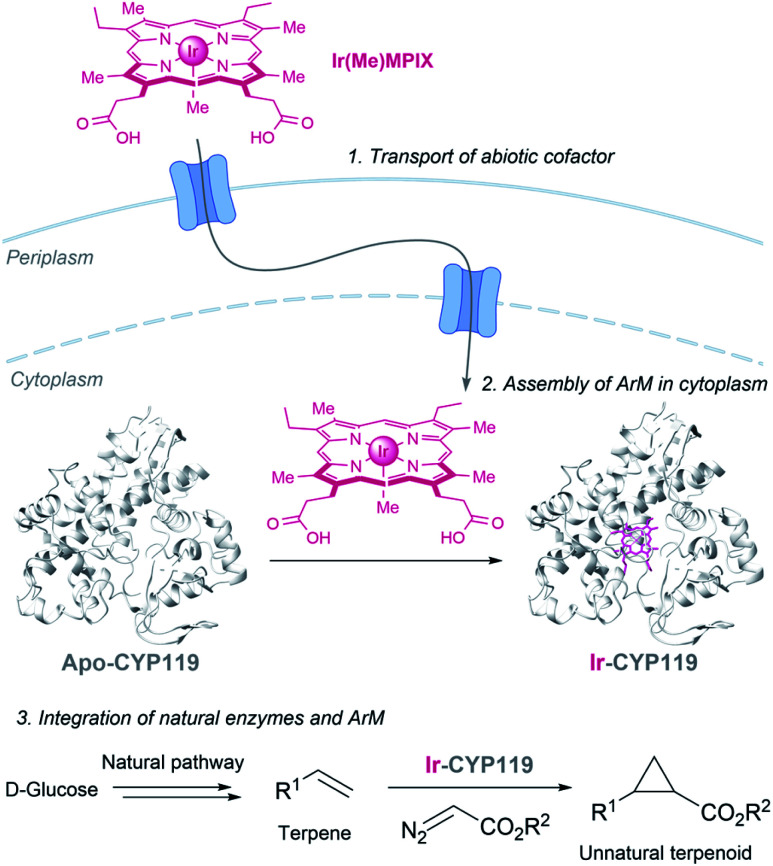
Fig. 19. Combination of microbial metabolism and artificial metalloenzyme cyclopropanation to generate cyclopropanes from d-glucose in E. coli reported by Hartwig (CYP119 PDB ID: 14FU).
Fig. 20
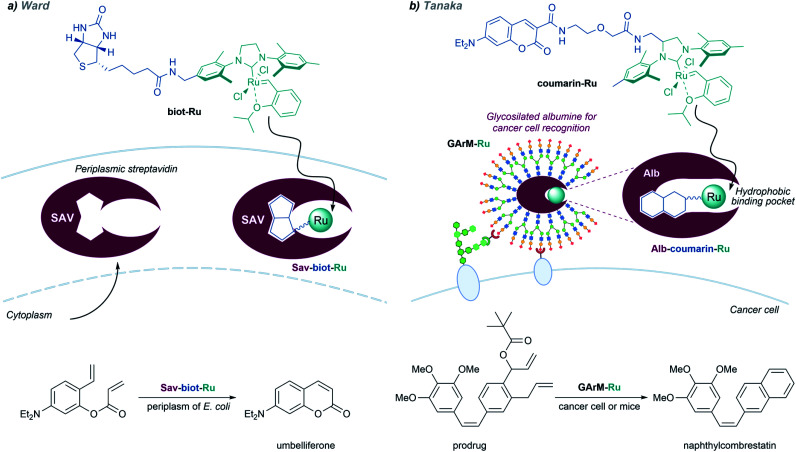
Fig. 20. In vivo metathesis reactions developed by (a) Ward and (b) Tanaka.

References

    1. Hartwig J. F., Organotransition metal chemistry: from bonding to catalysis, University Science Books: Mill Valley, CA, 2010
    1. Dixneuf P. H. and Cadierno V., Metal-catalyzed reactions in water, Wiley-VCH Verlag GmbH & Co. KGaA, 2013
    1. Narayan S. Muldoon J. Finn M. G. Fokin V. V. Kolb H. C. Sharpless K. B. Angew. Chem., Int. Ed. 2005;44:3275–3279. doi: 10.1002/anie.200462883. - DOI - PubMed
    1. Sletten E. M. Bertozzi C. R. Angew. Chem., Int. Ed. 2009;48:6974–6998. doi: 10.1002/anie.200900942. - DOI - PMC - PubMed
    1. Devaraj N. K. ACS Cent. Sci. 2018;4:952–959. doi: 10.1021/acscentsci.8b00251. - DOI - PMC - PubMed