


Risk Factors Associated With Falls and Fall-Related Injuries Among Wheelchair Users With Spinal Cord Injury
- PMID: 35756987
- PMCID: PMC9214309
- DOI: 10.1016/j.arrct.2022.100195
Risk Factors Associated With Falls and Fall-Related Injuries Among Wheelchair Users With Spinal Cord Injury
Abstract
Objective: To identify risk factors for falls and fall-related injuries for wheelchair users with spinal cord injury (SCI).
Design: Cross-sectional study.
Setting: Community setting.
Participants: Fifty-nine community dwelling wheelchair users (N=59), 47.5% male, median age of 52.5 years (IQR, 21 years) with chronic SCI, median time since injury of 16.6 years (IQR, 27.3 years).
Interventions: No intervention.
Main outcome measures: Outcomes were incidence of falls and fall-related injuries. Participants reported on falls and fall-related injuries experienced in the previous 6 months. Independent variables were self-reported and performance-based measures. Self-reported measures included demographics, characteristics of SCI, fear of falling, psychological measures, functional independence, wheelchair skills, environmental barriers, quality of life, and community participation. Performance-based measures included transfer quality and sitting balance assessments. Logistic regression analyses were conducted to identify factors influencing falls and fall-related injuries.
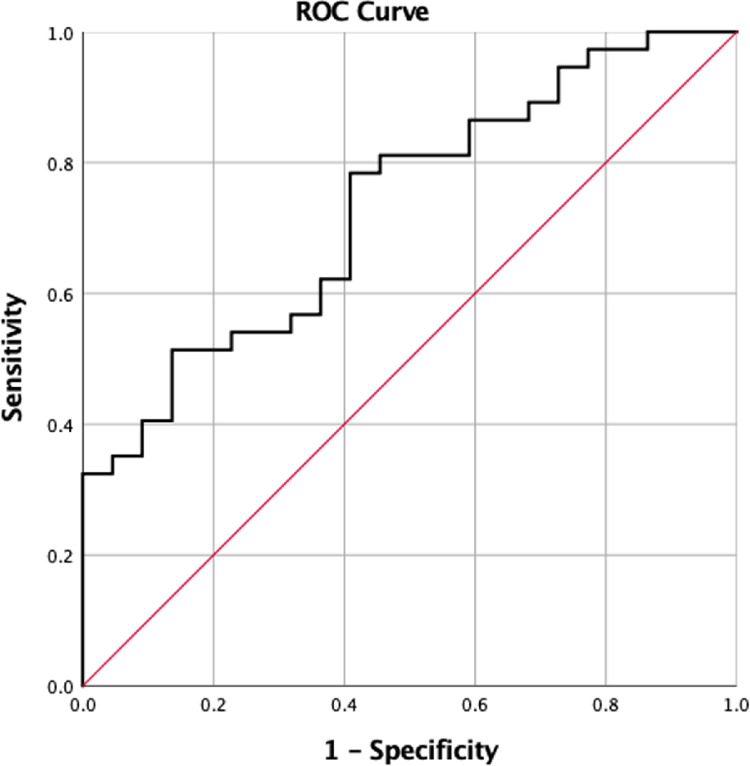
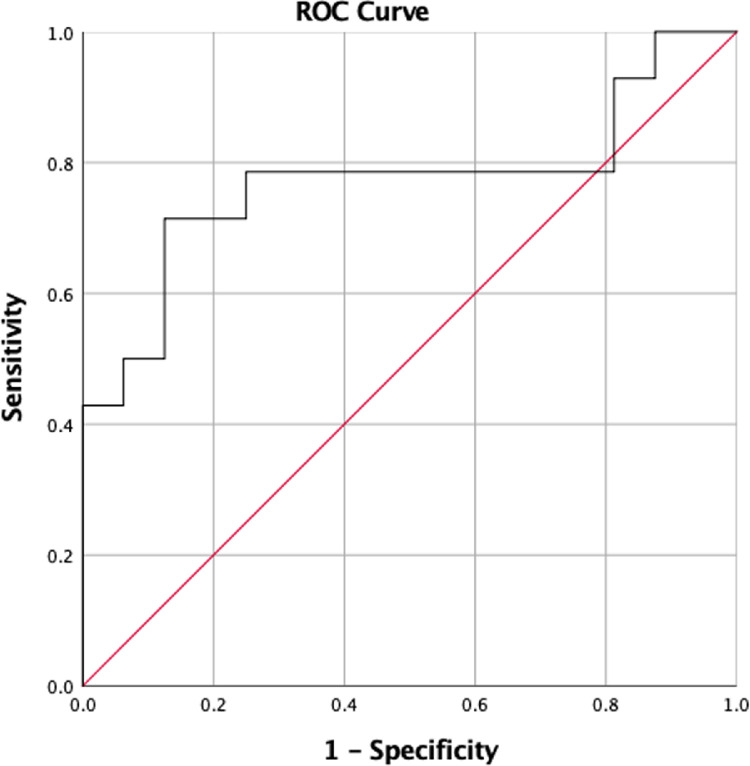
Results: In total, 152 falls and 30 fall-related injuries were reported from a total of 37 fallers. After logistic regression analysis, the model with the greatest levels of clinical utility and discriminative ability for falls (sensitivity 81%; specificity 55%; area under the receiving operating characteristic curve [AUC] statistics=0.73; 95% CI, 0.60-0.86) included the variables of shorter time since SCI, high mobility level, and having received education on fall prevention. The model for fall-related injuries (sensitivity 79%; specificity 75%; AUC statistics=0.77; 95% CI, 0.59-0.96) included the variables of older male individual, lower physical health score, and having received education on fall prevention.
Conclusions: The regression models presented may be used to identify wheelchair users with SCI at greater risk of falls and fall-related injuries. The findings may help to refer those in need to tailored fall and fall-related injury prevention programs. The findings presented in this study were based on a relatively small sample convenience; therefore, further prospective studies with a larger sample size are warranted.
Keywords: ADL, activities of daily living; AIS, American Spinal Injury Association Impairment Scale; AUC, area under the receiver operating characteristic curve; Accidental falls; FOF, fear of falling; OR, odds ratio; QOL, quality of life; Rehabilitation; Risk factors; SCI, spinal cord injury; SCIM III, Spinal Cord Independence Measure III; Spinal cord injuries; TAI, Transfer Assessment Instrument; WHOQOL-BREF, World Health Organization Quality of Life-Brief Version; WST, Wheelchair Skill Test; Wheelchairs.
© 2022 The Authors.
Figures
References
-
- Khan A, Pujol C, Laylor M, et al. Falls after spinal cord injury: a systematic review and meta-analysis of incidence proportion and contributing factors. Spinal Cord. 2019;57:526–539. - PubMed
-
- Peterson EW, Cho CC, Finlayson ML. Fear of falling and associated activity curtailment among middle aged and older adults with multiple sclerosis. Mult Scler. 2007;13:1168–1175. - PubMed
-
- Sung J, Shen S, Peterson EW, et al. Fear of falling, community participation, and quality of life among community-dwelling people who use wheelchairs full time. Arch Phys Med Rehabil. 2021;102:1140–1146. - PubMed
-
- Abou L, Alluri A, Fliflet A, et al. Effectiveness of physical therapy interventions in reducing fear of falling among individuals with neurologic diseases: a systematic review and meta-analysis. Arch Phys Med Rehabil. 2021;102:132–154. - PubMed
-
- McKinley WO, Jackson AB, Cardenas DD, et al. Long-term medical complications after traumatic spinal cord injury: a regional model systems analysis. Arch Phys Med Rehabil. 1999;80:1402–1410. - PubMed
LinkOut - more resources
Full Text Sources
