


'The Mercury Challenge': feline systolic blood pressure in primary care practice - a European survey
- PMID: 35757930
- PMCID: PMC9511504
- DOI: 10.1177/1098612X221105844
'The Mercury Challenge': feline systolic blood pressure in primary care practice - a European survey
Abstract
Objectives: The aim of this study was to collect data from a substantial number of older cats having their systolic blood pressure (SBP) measured in a variety of clinical practices, to describe the findings and assess variables that affected the duration of assessment and the values obtained.
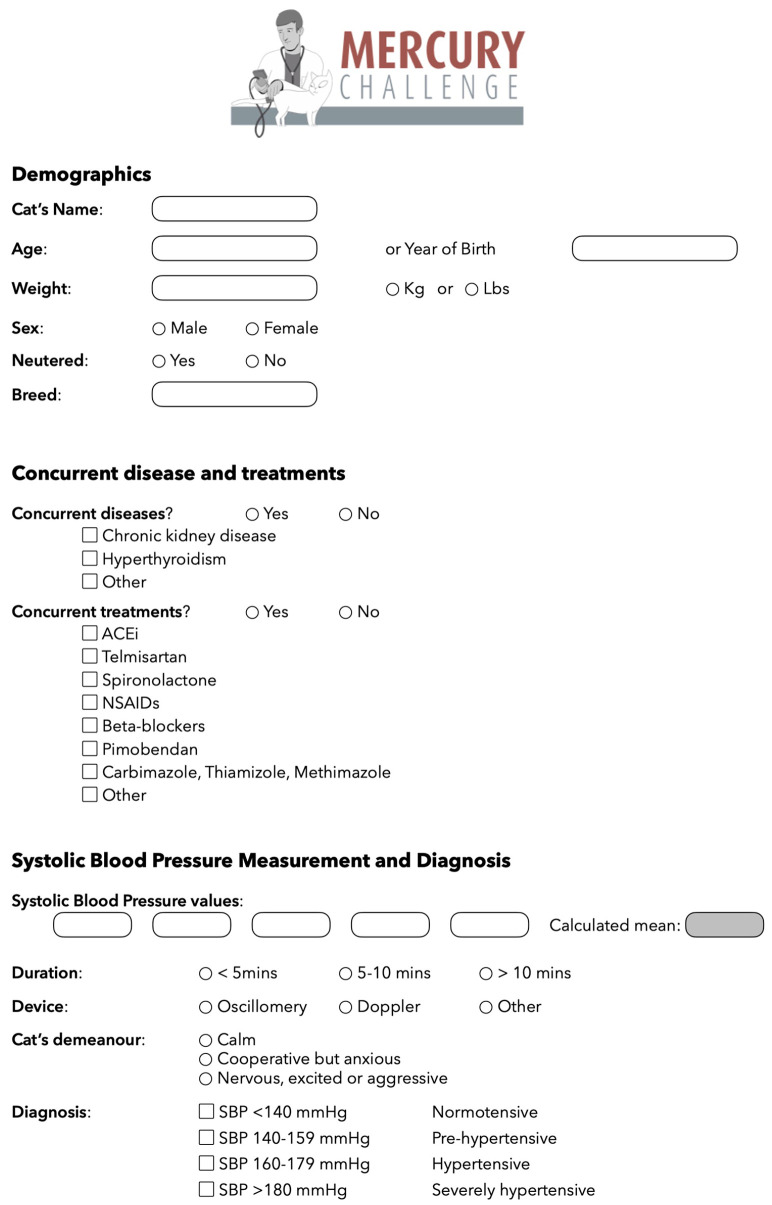
Methods: An international (European-based) multicentre convenience sample survey of cats ⩾7 years of age attending veterinary clinics and having SBP measured as part of their clinical assessment. Information gathered included details of the cat, concomitant disease(s) or therapies, SBP results, device used, time taken to assess SBP and the demeanor of the cat.
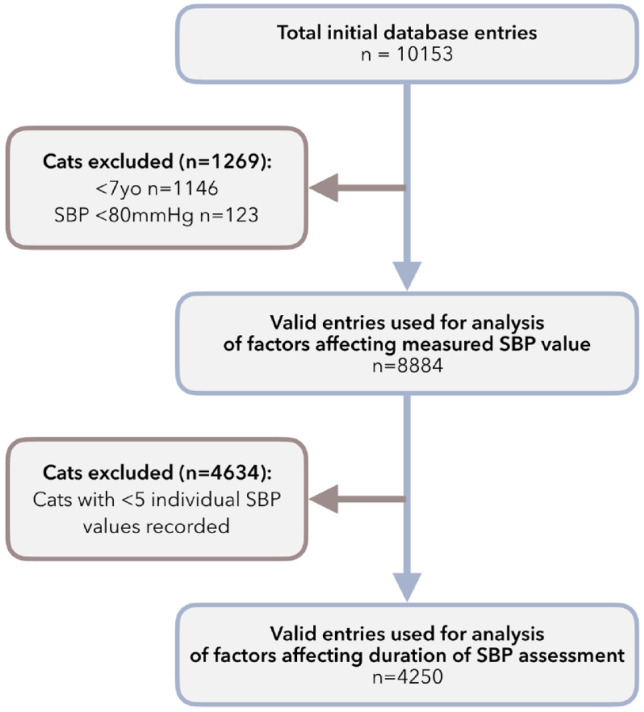
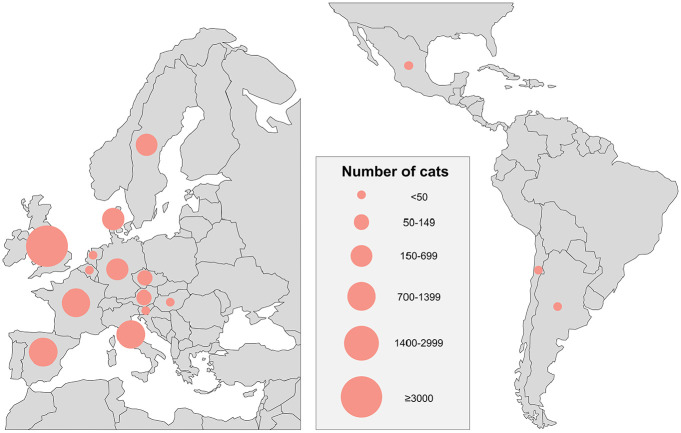
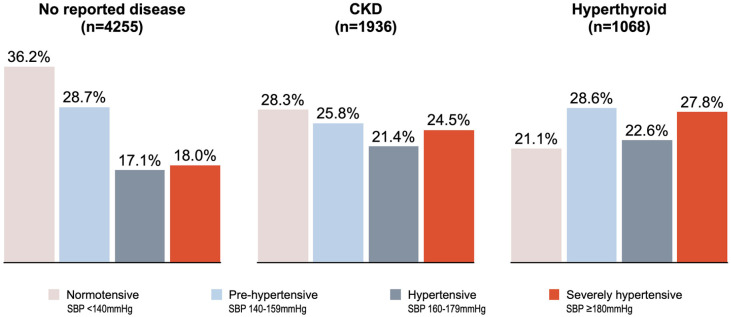
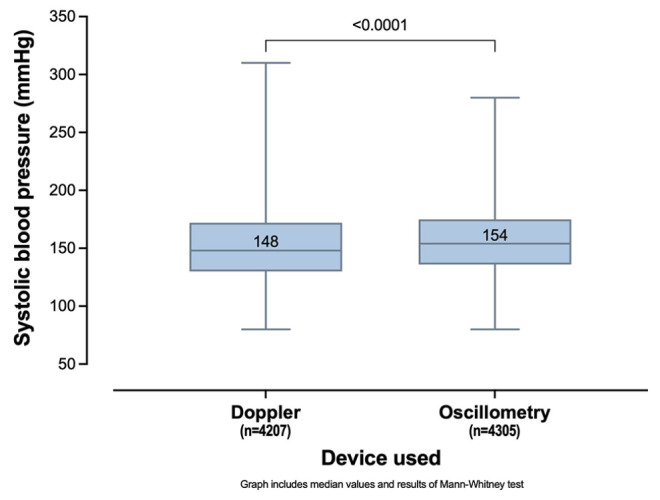
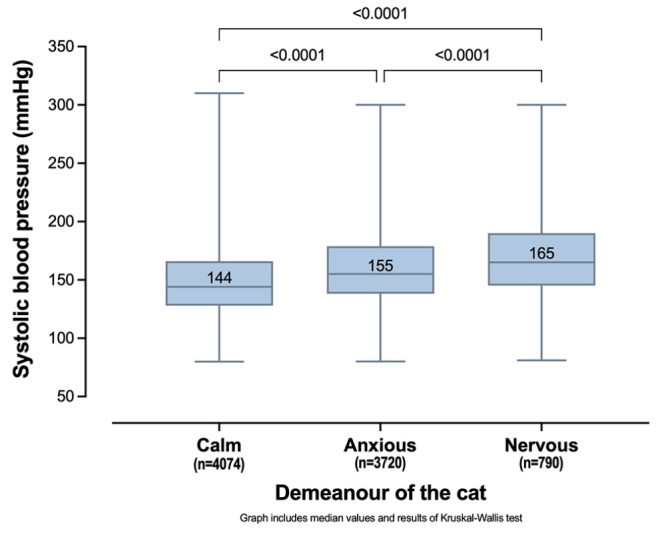
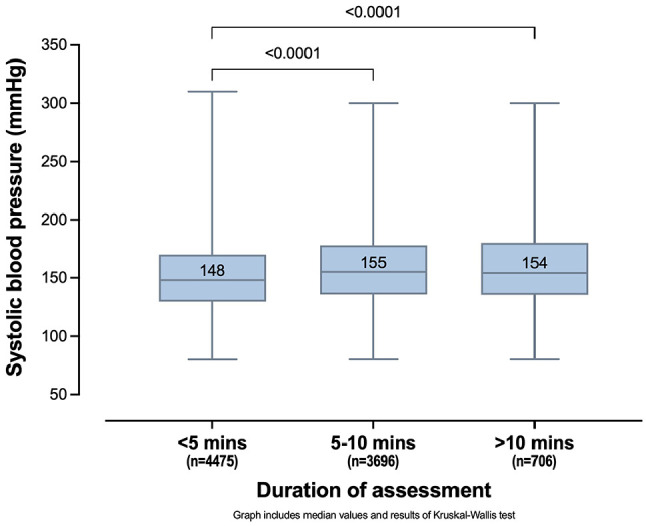
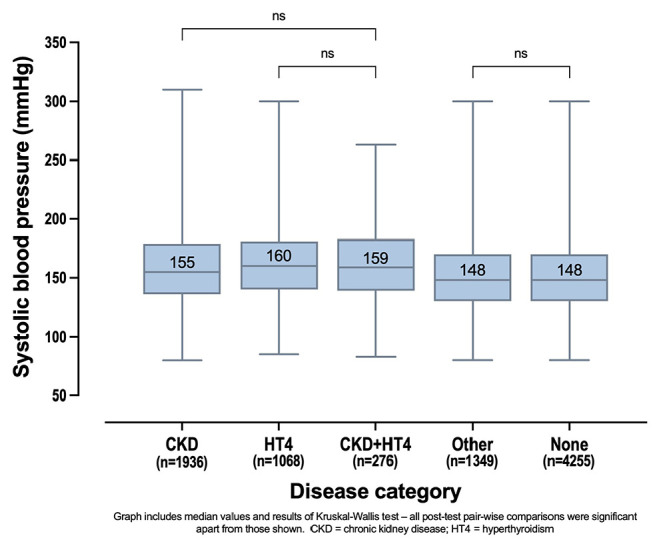
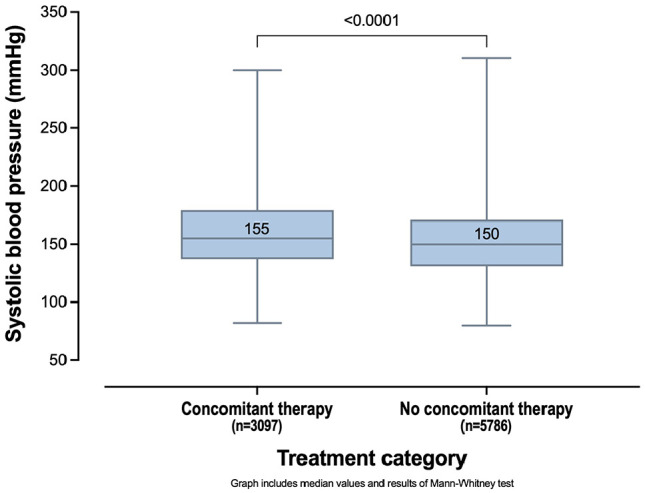
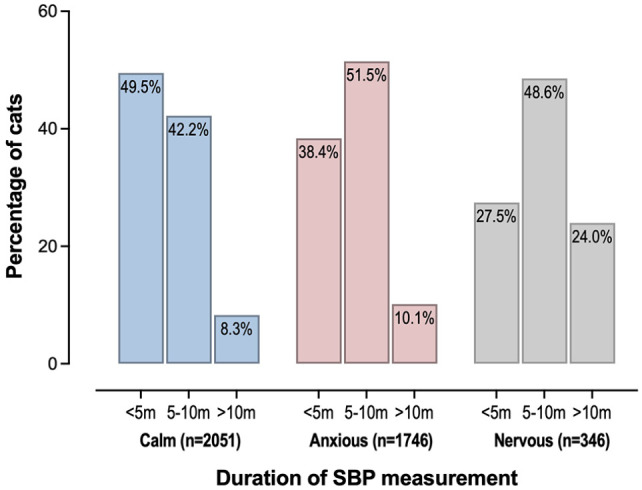
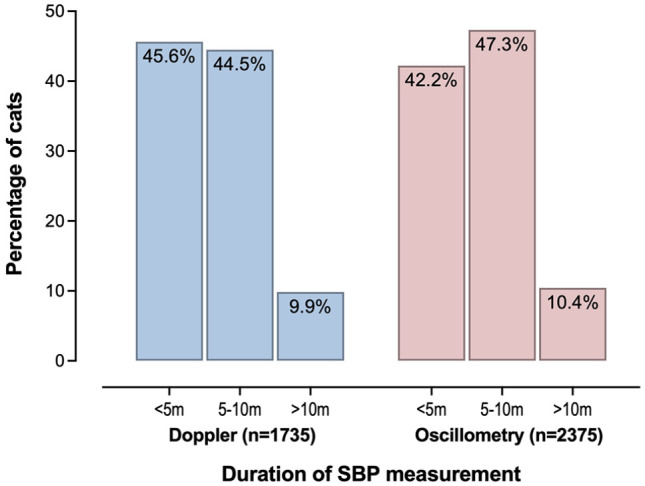
Results: Useable data were available from 8884 cats aged 7-26 years, from 811 clinics across 16 countries. The device used to measure SBP was Doppler in 47.4% and oscillometry in 48.5%. The demeanor of the cat was reported to be calm in 45.7%, anxious in 41.9% and nervous in 8.9%; and the duration of assessment was reported to be <5 mins in 50.4%, 5-10 minutes in 41.7% and >10 mins in 7.9%. Concomitant chronic kidney disease (CKD) was reported in 21.8%, hyperthyroidism in 12.0% or both in 3.1%. The median SBP was 150 mmHg (range 80-310), with 18.6% classified as hypertensive (SBP 160-179 mmHg) and 21.1% as severely hypertensive (SBP ⩾180 mmHg). The measured SBP was significantly affected by the cat's demeanor, duration of SBP assessment, presence of CKD and/or hyperthyroidism, the cat's sex and age, and the presence of concomitant therapy. The duration of SBP assessment was significantly affected by the cat's demeanor.
Conclusions and relevance: In veterinary clinics, SBP can be measured in most cats within a short period of time using either Doppler or oscillometric equipment. The presence of CKD or hyperthyroidism was associated with significantly higher SBP values, and anxious or nervous cats had higher SBP values and took longer to obtain SBP assessments.
Keywords: Doppler; Hypertension; blood pressure; oscillometry.
Conflict of interest statement
This study was conducted by Ceva Santé Animale. CG-P, EG and TB are employees of Ceva Santé Animale, and AHS acts as a consultant for Ceva Santé Animale.
Figures
References
-
- Kobayashi DL, Peterson ME, Graves TK, et al. Hypertension in cats with chronic renal failure or hyperthyroidism. J Vet Intern Med 1990; 4: 58–62. - PubMed
-
- Littman MP. Spontaneous systemic hypertension in 24 cats. J Vet Intern Med 1994; 8: 79–86. - PubMed
-
- Morgan R. Systemic hypertension in four cats: ocular and medical findings. J Am Anim Hosp Assoc 1986; 22: 615–621.
-
- Turner JL, Brogdon JD, Lees GE, et al. Idiopathic hypertension in a cat with secondary hypertensive retinopathy associated with a high-salt diet. J Am Anim Hosp Assoc 1990; 26: 647–651.
Publication types
MeSH terms
Substances
LinkOut - more resources
Full Text Sources
Medical
Miscellaneous
