


MiRNA-SARS-CoV-2 dialogue and prospective anti-COVID-19 therapies
- PMID: 35787998
- PMCID: PMC9249409
- DOI: 10.1016/j.lfs.2022.120761
MiRNA-SARS-CoV-2 dialogue and prospective anti-COVID-19 therapies
Abstract
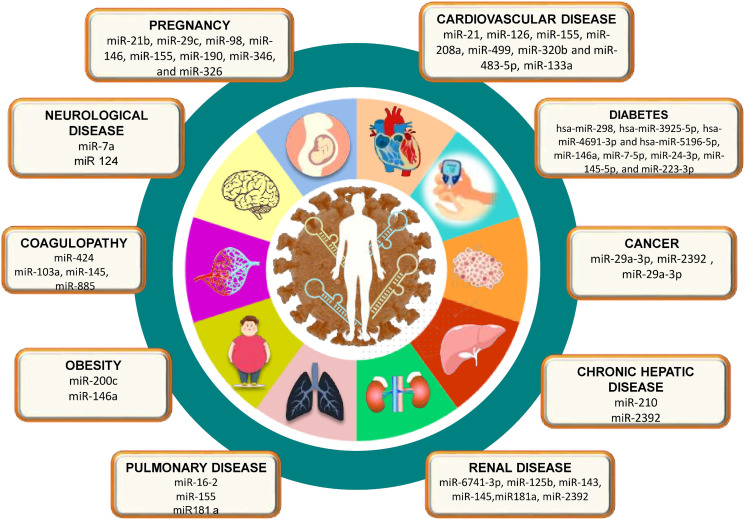
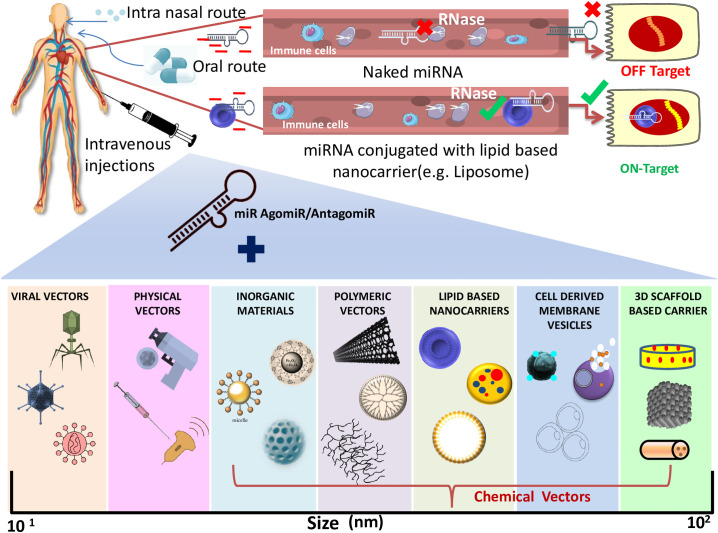
COVID-19 is a highly transmissible disease caused by severe acute respiratory syndrome coronavirus-2 (SARS-CoV-2), affects 226 countries and continents, and has resulted in >6.2 million deaths worldwide. Despite the efforts of all scientific institutions worldwide to identify potential therapeutics, no specific drug has been approved by the FDA to treat the COVID-19 patient. SARS-CoV-2 variants of concerns make the potential of publicly known therapeutics to respond to and detect disease onset highly improbable. The quest for universal therapeutics pointed to the ability of RNA-based molecules to shield and detect the adverse effects of the COVID-19 illness. One such candidate, miRNA (microRNA), works on regulating the differential expression of the target gene post-transcriptionally. The prime focus of this review is to report the critical miRNA molecule and their regular expression in patients with COVID-19 infection and associated comorbidities. Viral and host miRNAs control the etiology of COVID-19 infection throughout the life cycle and host inflammatory response, where host miRNAs are identified as a double-edged showing as a proviral and antiviral response. The review also covered the role of viral miRNAs in mediating host cell signaling expression during disease pathology. Studying molecular interactions between the host and the SARS-CoV-2 virus during COVID-19 pathogenesis offers the chance to use miRNA-based therapeutics to reduce the severity of the illness. By utilizing an appropriate delivery vehicle, these small non-coding RNA could be envisioned as a promising biomarker in designing a practical RNAi-based treatment approach of clinical significance.
Keywords: Biomarker; MiRNA; Pathogen-host interaction; RNA silencing; SARS coronavirus 2.
Copyright © 2022 Elsevier Inc. All rights reserved.
Conflict of interest statement
The authors declare that they have no known competing financial interests or personal relationships that could have appeared to influence the work reported in this paper.
Figures
References
-
- Callaway E. The coronavirus is mutating - does it matter? Nature. 2020;585:174–177. - PubMed
-
- Seyedpour S., Khodaei B., Loghman A.H., Seyedpour N., Kisomi M.F., Balibegloo M., et al. Targeted therapy strategies against SARS-CoV-2 cell entry mechanisms: a systematic review of in vitro and in vivo studies. J. Cell. Physiol. 2021;236:2364–2392. - PubMed
Publication types
MeSH terms
Substances
Supplementary concepts
LinkOut - more resources
Full Text Sources
Medical
Miscellaneous
