. 2022 Jul 5;12(1):267.
doi: 10.1038/s41398-022-02027-4.

Pharmacological treatment strategies for antipsychotic-induced hyperprolactinemia: a systematic review and network meta-analysis

Affiliations

Pharmacological treatment strategies for antipsychotic-induced hyperprolactinemia: a systematic review and network meta-analysis

Zhe Lu et al. Transl Psychiatry. .

Abstract

Antipsychotic-induced hyperprolactinemia (AP-induced HPRL) occurs overall in up to 70% of patients with schizophrenia, which is associated with hypogonadism and sexual dysfunction. We summarized the latest evidence for the benefits of prolactin-lowering drugs. We performed network meta-analyses to summarize the evidence and applied Grading of Recommendations Assessment, Development, and Evaluation frameworks (GRADE) to rate the certainty of evidence, categorize interventions, and present the findings. The search identified 3,022 citations, 31 studies of which with 1999 participants were included in network meta-analysis. All options were not significantly better than placebo among patients with prolactin (PRL) less than 50 ng/ml. However, adjunctive aripiprazole (ARI) (5 mg: MD = -64.26, 95% CI = -87.00 to -41.37; 10 mg: MD = -59.81, 95% CI = -90.10 to -29.76; more than 10 mg: MD = -68.01, 95% CI = -97.12 to -39.72), switching to ARI in titration (MD = -74.80, 95% CI = -134.22 to -15.99) and adjunctive vitamin B6 (MD = -91.84, 95% CI = -165.31 to -17.74) were associated with significant decrease in AP-induced PRL among patients with PRL more than 50 ng/ml with moderated (adjunctive vitamin B6) to high (adjunctive ARI) certainty of evidence. Pharmacological treatment strategies for AP-induced HPRL depends on initial PRL level. No effective strategy was found for patients with AP-induced HPRL less than 50 ng/ml, while adjunctive ARI, switching to ARI in titration and adjunctive high-dose vitamin B6 showed better PRL decrease effect on AP-induced HPRL more than 50 ng/ml.


Conflict of interest statement

The authors declare no competing interests.

Figures
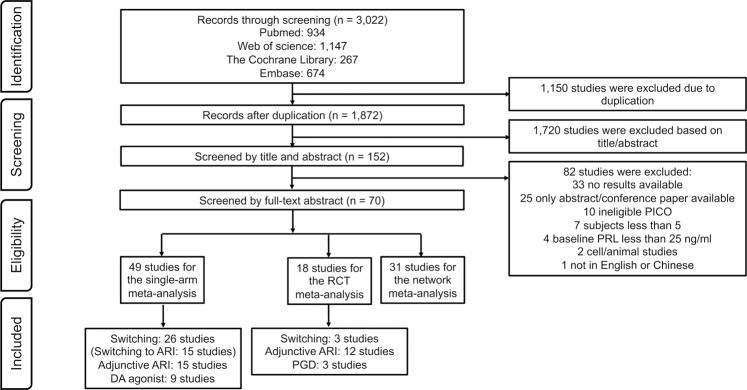
Fig. 1
Fig. 1. Flow chart of included studies.
RCT randomized controlled trials, ARI aripiprazole, DA dopamine agonist, PGD Peony-Glycyrrhiza decoction.
Fig. 2
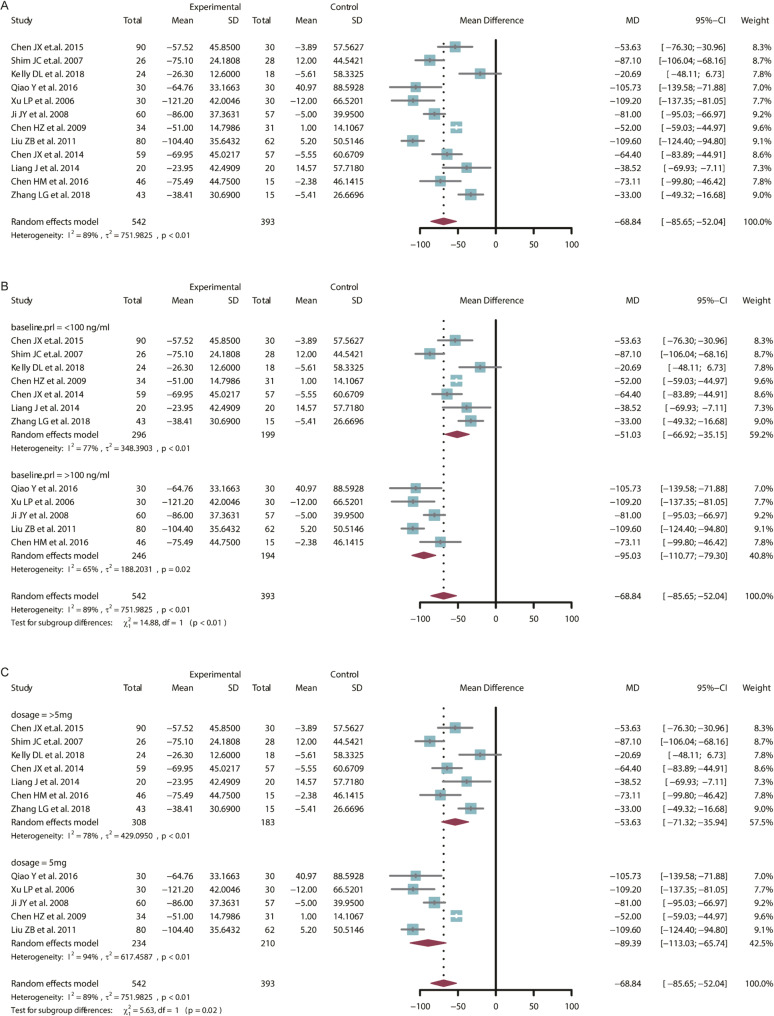
Fig. 2. RCT meta-analysis of adjunctive aripiprazole.
A Forest plot of RCT meta-analysis; B subgroup analysis based on baseline PRL level; C subgroup analysis based on ARI dosage. RCT randomized controlled trials, PRL prolactin, ARI aripiprazole, MD mean difference, CI confidence intervals, SD standard difference.
Fig. 3
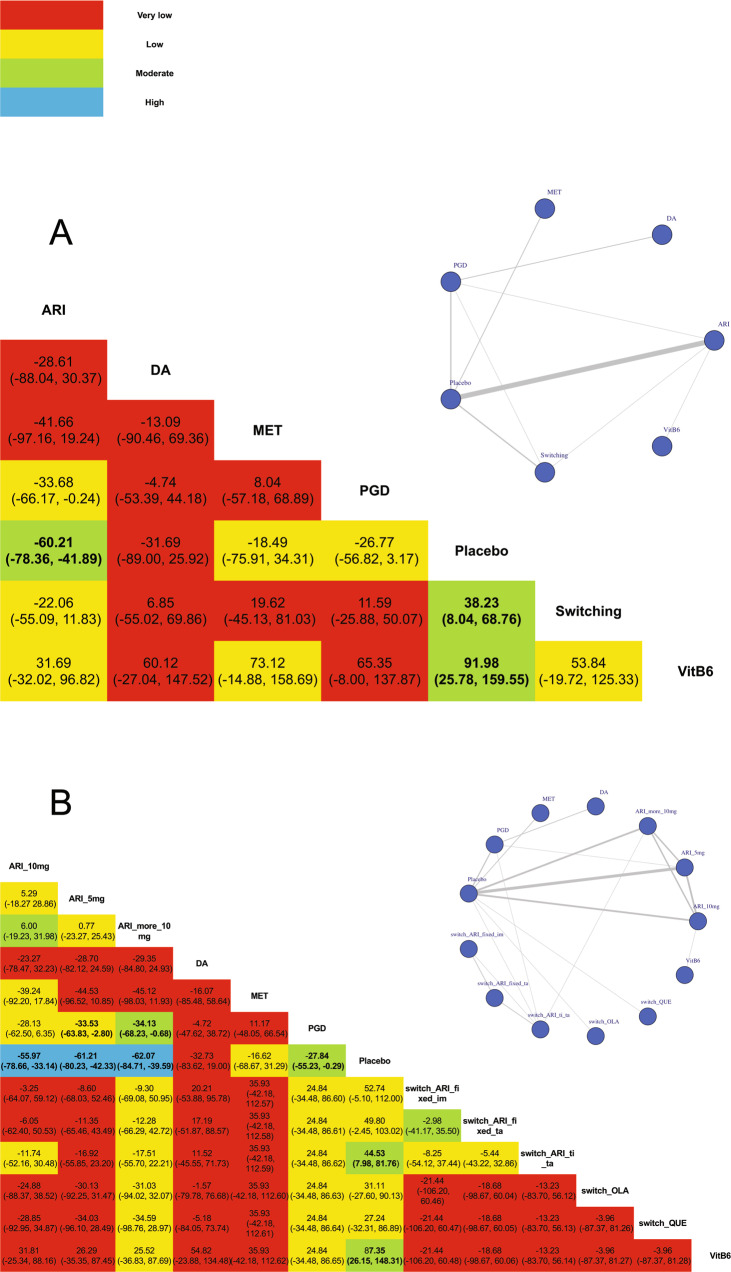
Fig. 3. Network meta-analyses of all the strategies in treatment of patients with antipsychotic-induced hyperprolactinemia.
A Network plot and league table of comparison of all the strategies in treatment of patients with antipsychotic-induced hyperprolactinemia; B network plot and league table of comparison of all re-divided strategies in treatment of patients with antipsychotic-induced hyperprolactinemia. ARI adjunctive aripiprazole, DA adjunctive dopamine agonist, MET adjunctive metformin, PGD adjunctive Peony-Glycyrrhiza decoction, Switching switch to another antipsychotic, VitB6 adjunctive high-dose vitamin B6. ARI_5 mg adjunctive 5 mg aripiprazole, ARI_10 mg adjunctive 10 mg aripiprazole, ARI_more_10 mg adjunctive more than 10 mg aripiprazole, switch_ARI_fixed_im switching to ARI with fixed dosage and reducing the previous antipsychotic immediately, switch_ARI_fixed_ta switching to ARI with fixed dosage and reducing the previous antipsychotic in tardation, switch_ARI_ti_ta switching to ARI in titration and reducing the previous antipsychotic in tardation, switch_OLA switching to olanzapine, switch_QUE switching to quetiapine. The color of each cell indicates the certainty of evidence according to the Grading of Recommendations Assessment, Development, and Evaluation. Red color refers to very low certainty of evidence, yellow color refers to low certainty of evidence, green color refers to moderate certainty of evidence, blue color refers to high certainty of evidence. The significant outcomes were shown in bold.
Fig. 4
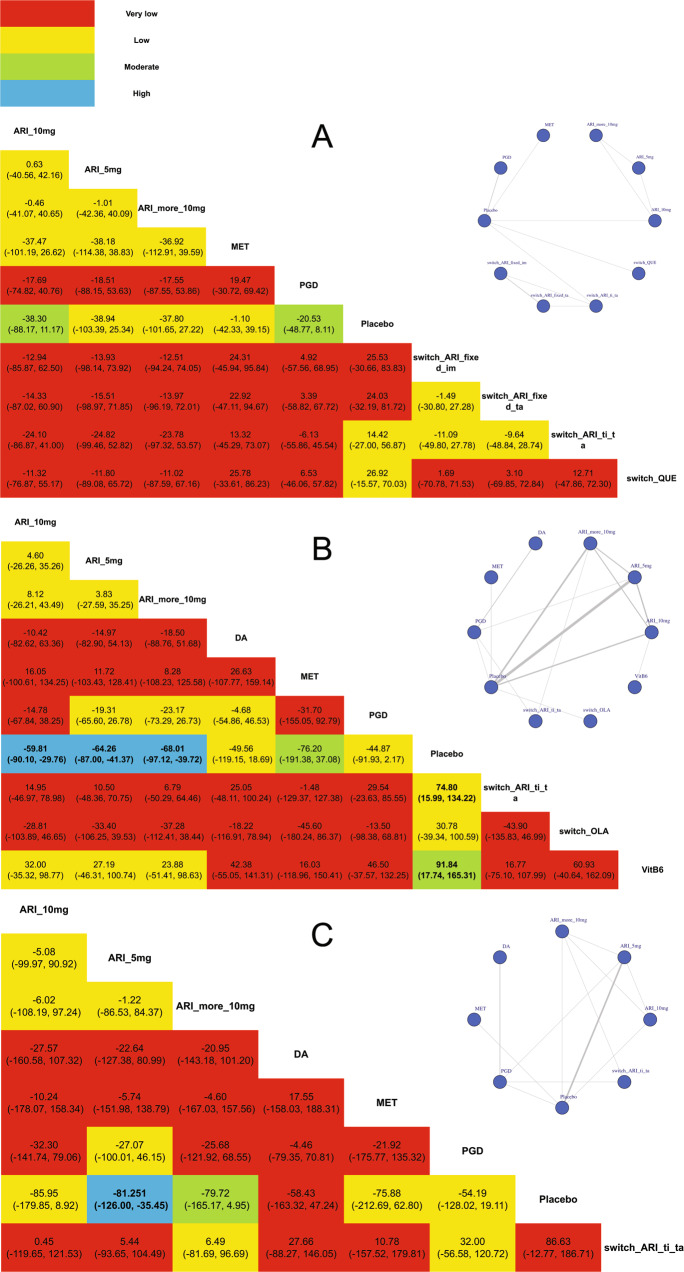
Fig. 4. Subgroup analyses of network meta-analysis.
A Network plot and league table of comparison of pharmacological treatment strategies in treatment of patients with antipsychotic-induced hyperprolactinemia less than 50 ng/ml; B network plot and league table of comparison of pharmacological treatment strategies in treatment of patients with antipsychotic-induced hyperprolactinemia more than 50 ng/ml; C network plot and league table of comparison of pharmacological treatment strategies in treatment of patients with antipsychotic-induced hyperprolactinemia more than 100 ng/ml. ARI_5 mg adjunctive 5 mg aripiprazole, ARI_10 mg adjunctive 10 mg aripiprazole, ARI_more_10 mg adjunctive more than 10 mg aripiprazole, MET adjunctive metformin, PGD adjunctive Peony-Glycyrrhiza decoction, switch_ARI_fixed_im switching to ARI with fixed dosage and reducing the previous antipsychotic immediately, switch_ARI_fixed_ta switching to ARI with fixed dosage and reducing the previous antipsychotic in tardation, switch_ARI_ti_ta switching to ARI in titration and reducing the previous antipsychotic in tardation, VitB6 adjunctive high-dose vitamin B6. The color of each cell indicates the certainty of evidence according to the Grading of Recommendations Assessment, Development, and Evaluation. Red color refers to very low certainty of evidence, yellow color refers to low certainty of evidence, green color refers to moderate certainty of evidence, blue color refers to high certainty of evidence. The significant outcomes were shown in bold.

References

    1. McIntyre RS, Berk M, Brietzke E, Goldstein BI, López-Jaramillo C, Kessing LV, et al. Bipolar disorders. Lancet. 2020;396:1841–56. doi: 10.1016/S0140-6736(20)31544-0. - DOI - PubMed
    1. Owen MJ, Sawa A, Mortensen PB. Schizophrenia. Lancet. 2016;388:86–97. doi: 10.1016/S0140-6736(15)01121-6. - DOI - PMC - PubMed
    1. Montgomery J, Winterbottom E, Jessani M, Kohegyi E, Fulmer J, Seamonds B, et al. Prevalence of hyperprolactinemia in schizophrenia: association with typical and atypical antipsychotic treatment. J Clin Psychiatry. 2004;65:1491–8. doi: 10.4088/JCP.v65n1108. - DOI - PubMed
    1. Melmed S, Casanueva FF, Hoffman AR, Kleinberg DL, Montori VM, Schlechte JA, et al. Diagnosis and treatment of hyperprolactinemia: an Endocrine Society clinical practice guideline. J Clin Endocrinol Metab. 2011;96:273–88. doi: 10.1210/jc.2010-1692. - DOI - PubMed
    1. Lopez-Vicchi F, De Winne C, Brie B, Sorianello E, Ladyman SR, Becu-Villalobos D. Metabolic functions of prolactin: Physiological and pathological aspects. J Neuroendocrinol. 2020;32:e12888. doi: 10.1111/jne.12888. - DOI - PubMed

Publication types

MeSH terms