


Evaluating the diagnostic pathway for acute ACL injuries in trauma centres: a systematic review
- PMID: 35799147
- PMCID: PMC9261037
- DOI: 10.1186/s12891-022-05595-0
Evaluating the diagnostic pathway for acute ACL injuries in trauma centres: a systematic review
Abstract
Objective: This review sought to evaluate the literature on the initial assessment and diagnostic pathway for patients with a suspected Anterior Cruciate Ligament (ACL) tear.
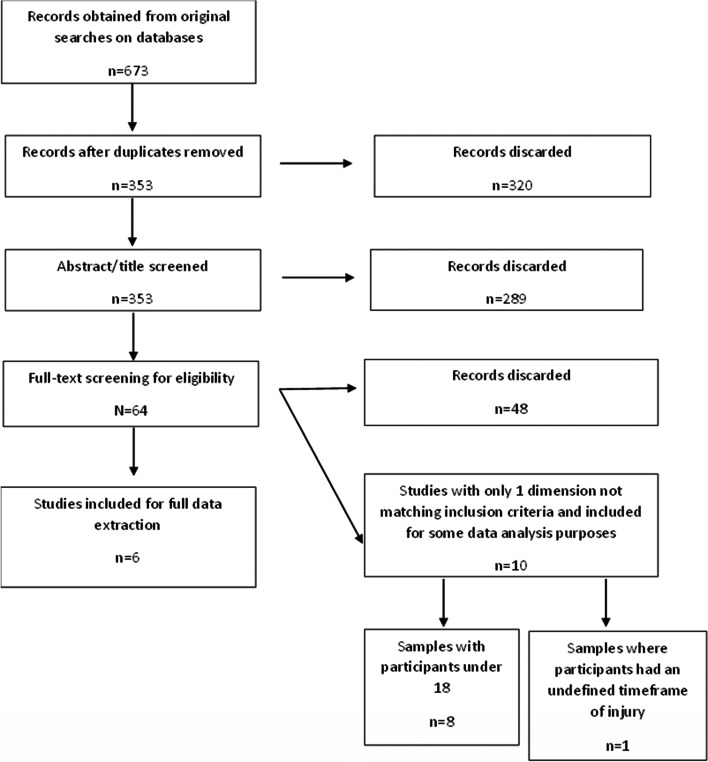
Methods: MEDLINE, EMBASE, and CINAHL were systematically searched for eligible studies, PRISMA guidelines were followed. Studies were included if they used at least one assessment method to assess for ACL injury and participants were assessed at an acute trauma centre within 6-weeks of injury. Article quality was evaluated using the QUADAS-2 checklist.
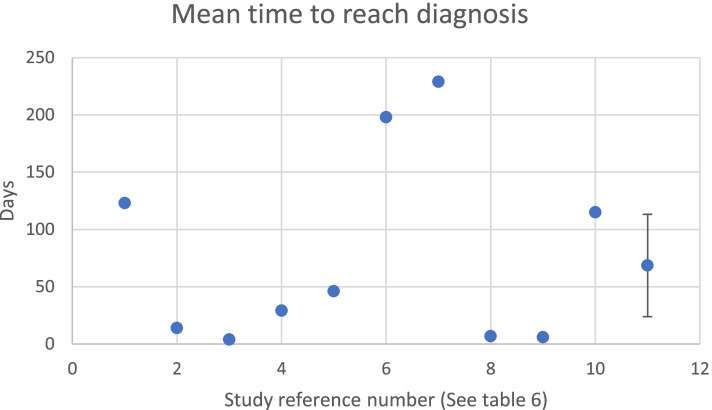
Results: A total of 353 studies were assessed for eligibility, 347 were excluded for the following reasons: injuries were not assessed in an acute trauma setting, injuries were not acute, participants had previous ACL injuries or chronic joint deformities affecting the knee, participants were under 18, or participants included animals or cadavers. A total of six studies were included in the review. Common assessment methods included: laxity tests, joint effusion, inability to continue activity, and a history of a 'pop' and 'giving way' at the time of injury. Diagnostic accuracy varied greatly between the assessment method and the assessing clinician. Gold standard diagnostics were MRI and arthroscopy. A weighted meta-mean calculated the time to reach diagnosis to be 68.60 days [CI 23.94, 113.24]. The mean number of appointments to reach diagnosis varied from 2-5. Delay to surgery or surgical consultation ranged from 61 to 328 days.
Conclusion: Clinicians in the Emergency Department are not proficient in performing the assessment methods that are used for diagnosis in acute ACL injury. Reliance on specialist assessments or radiological methods inevitably increases the time to reach a diagnosis, which has repercussions on management options. There is an ever-growing demand to improve diagnostic accuracy and efficiency; further exploration into quantitative measures of instability would aid the assessment of peripheral joint assessment.
Keywords: ACL; Acute injury; Care pathway; Diagnosis; Emergency department.
© 2022. The Author(s).
Conflict of interest statement
The authors declare that they have no competing interests.
Figures

References
-
- Cimino F, Fau VB, Setter D. Anterior cruciate ligament injury: diagnosis, management, and prevention. Am Fam Physician. 2010;82(8):917–922. - PubMed
Publication types
MeSH terms
Grants and funding
LinkOut - more resources
Full Text Sources
