


Application of an Electronic Nose and HS-SPME/GC-MS to Determine Volatile Organic Compounds in Fresh Mexican Cheese
- PMID: 35804703
- PMCID: PMC9265309
- DOI: 10.3390/foods11131887
Application of an Electronic Nose and HS-SPME/GC-MS to Determine Volatile Organic Compounds in Fresh Mexican Cheese
Abstract
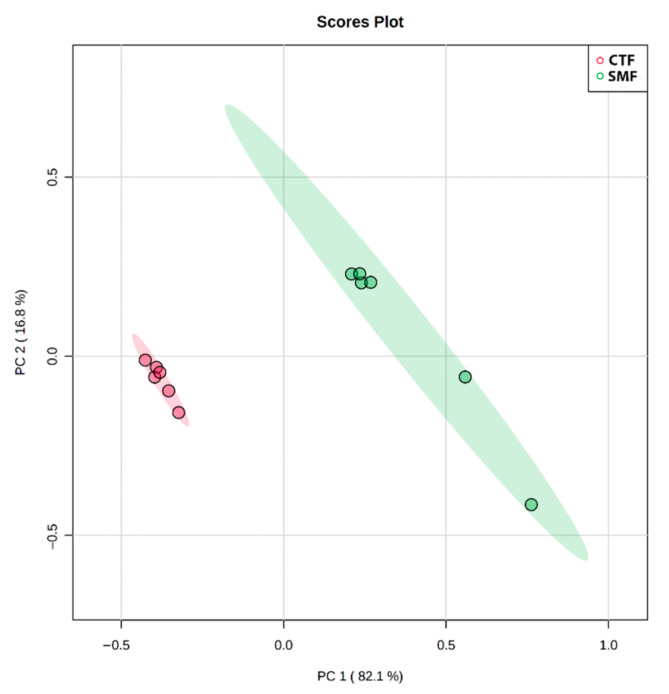
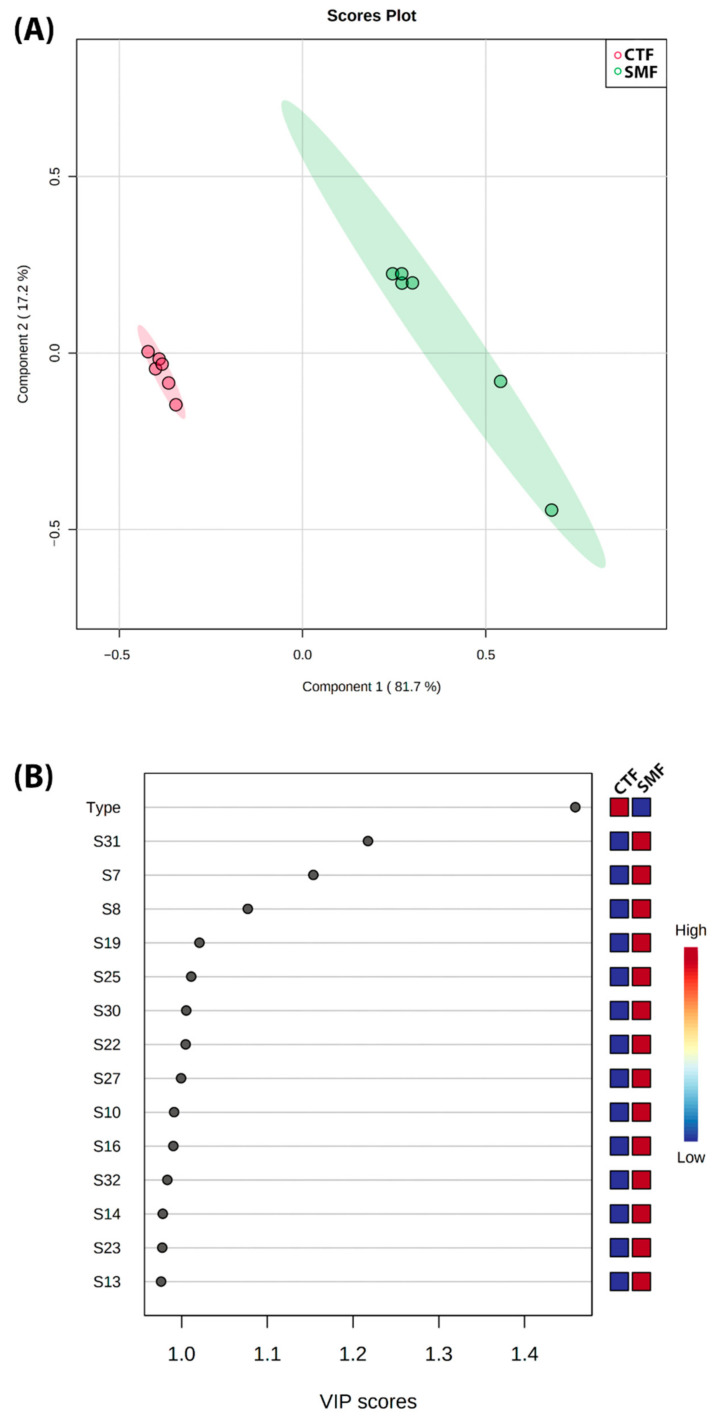
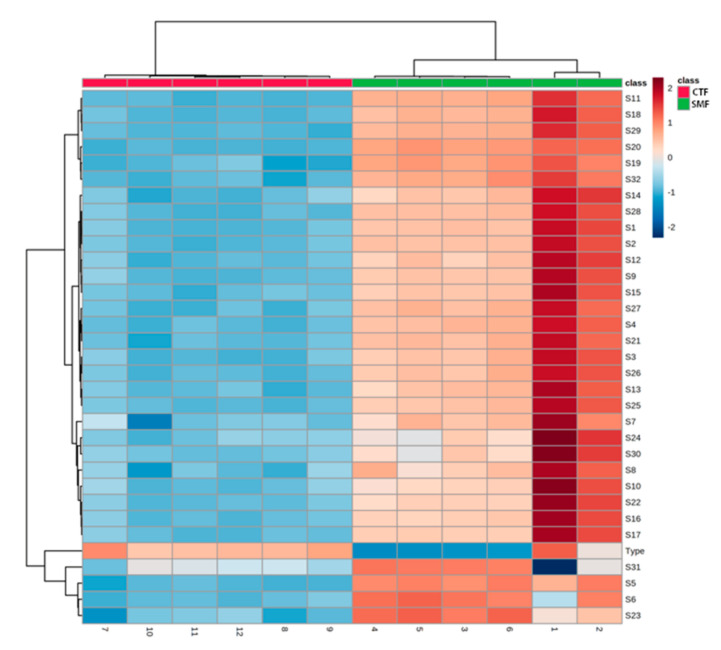
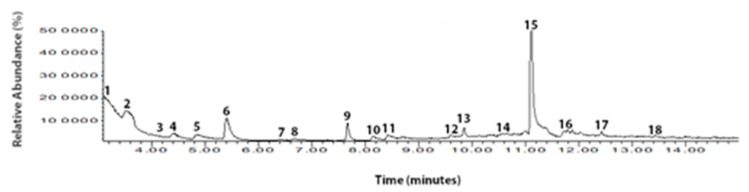
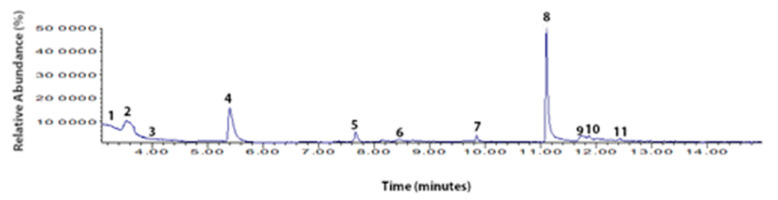
Electronic devices have been used to describe chemical compounds in the food industry. However, there are different models and manufacturers of these devices; thus, there has been little consistency in the type of compounds and methods used for identification. This work aimed to determine the applicability of electronic nose (e-nose) Cyroanose 320 to describe the differentiation of volatile organic compounds (VOCs) in fresh Mexican cheese (F-MC) formulated with milk from two different dairy cattle breeds. The VOCs were described using a device manufactured by Sensigent and Solid-Phase Micro-extraction (SPME) coupled to GC-MS as a complementary method. The multivariate principal components analysis (PCA) and the partial least squares discriminant analysis (PLS-DA) were used to describe the relationships of VOCs to electronic nose data, sensory data, and response levels. In addition, variable importance in projection (VIP) was performed to characterize the e-nose signals to the VOCs. The e-nose distinguishes F-MC prepared with milk from two dairy breeds. Sensor number 31 correlated with carboxylic acids most in F-MC from Jersey milk. The HS-SPME/GC-MS identified eighteen VOCs in F-MC made with Holstein milk, while only eleven VOCs were identified for F-MC made with Jersey milk. The more significant peaks in both chromatogram analyses were Propanoic acid, 2-methyl-, 1-(1,1-dimethylethyl)-2-methyl-1,3-propanediyl ester in cheese made from Holstein milk and Propanoic acid, 2-methyl-, 3-hydroxy-2,4,4-trimethylpentyl ester in Jersey milk cheese. Both compounds are considered essential carboxylic acids in the dairy industry. Thus, sensor 31 in the electronic nose Cyranose 320 increased its response by essential carboxylic acids identified by HS-SPME/GC-MS as a complementary method. The e-nose Cyranose 320 is potentially helpful for evaluating fresh Mexican cheese authentication independent of cows' milk samples from different breeds.
Keywords: GC-MS; VOCs; e-nose; fresh cheese; sensors.
Conflict of interest statement
The authors declare no conflict of interest.
Figures
References
-
- SIAP (Servicio de Información Agroalimentaria y Pesquera) Boletin de la Leche Enero–Junio de 2021. [(accessed on 9 June 2022)]; Available online: https://nube.siap.gob.mx/index.php/s/Nt0tHGfxl21vkl5.
-
- González Ariceaga C.C., Afzal M.I., Umer M., Abbas S., Ahmad H., Sajjad M., Parvaiz F., Imdad K., Imran M., Maan A.A., et al. Physicochemical, Sensorial and Microbiological Characterization of PoroCheese, an Artisanal Mexican Cheese Made from Raw Milk. Foods. 2019;8:509. doi: 10.3390/foods8100509. - DOI - PMC - PubMed
-
- The United States Department of Agriculture Livestock Genetics Report in Mexico 2016. USDA Foreign Agricultural Service, Gain Report, Global Agricultural Information Network. [(accessed on 30 May 2022)]; Available online: https://gain.fas.usda.gov/
LinkOut - more resources
Full Text Sources
Miscellaneous
