


Thiazole: A Versatile Standalone Moiety Contributing to the Development of Various Drugs and Biologically Active Agents
- PMID: 35807236
- PMCID: PMC9268695
- DOI: 10.3390/molecules27133994
Thiazole: A Versatile Standalone Moiety Contributing to the Development of Various Drugs and Biologically Active Agents
Abstract
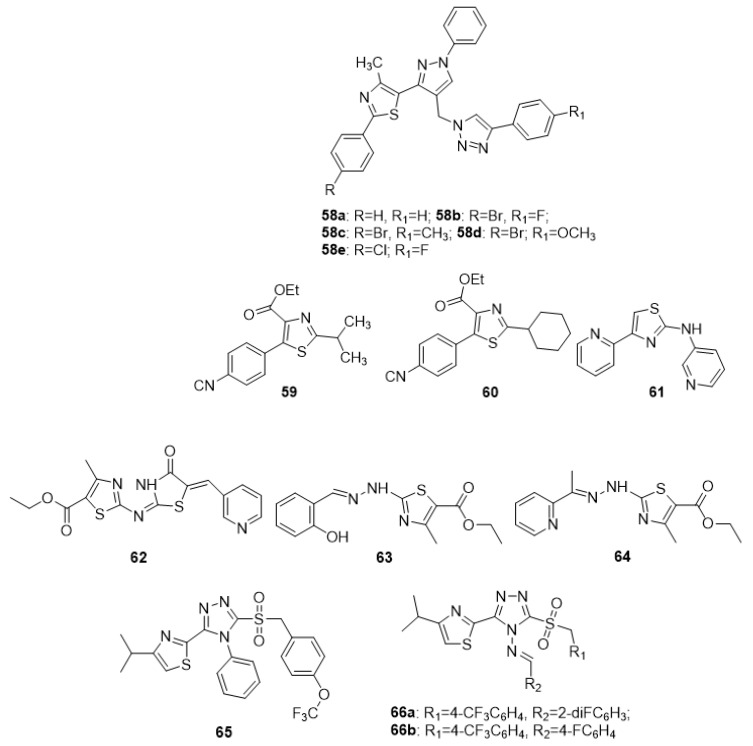
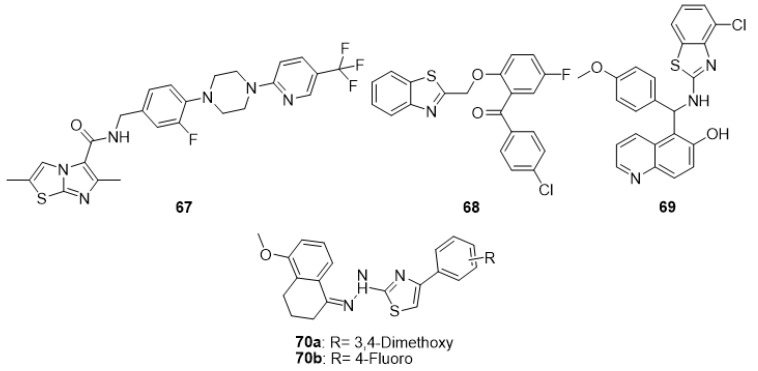
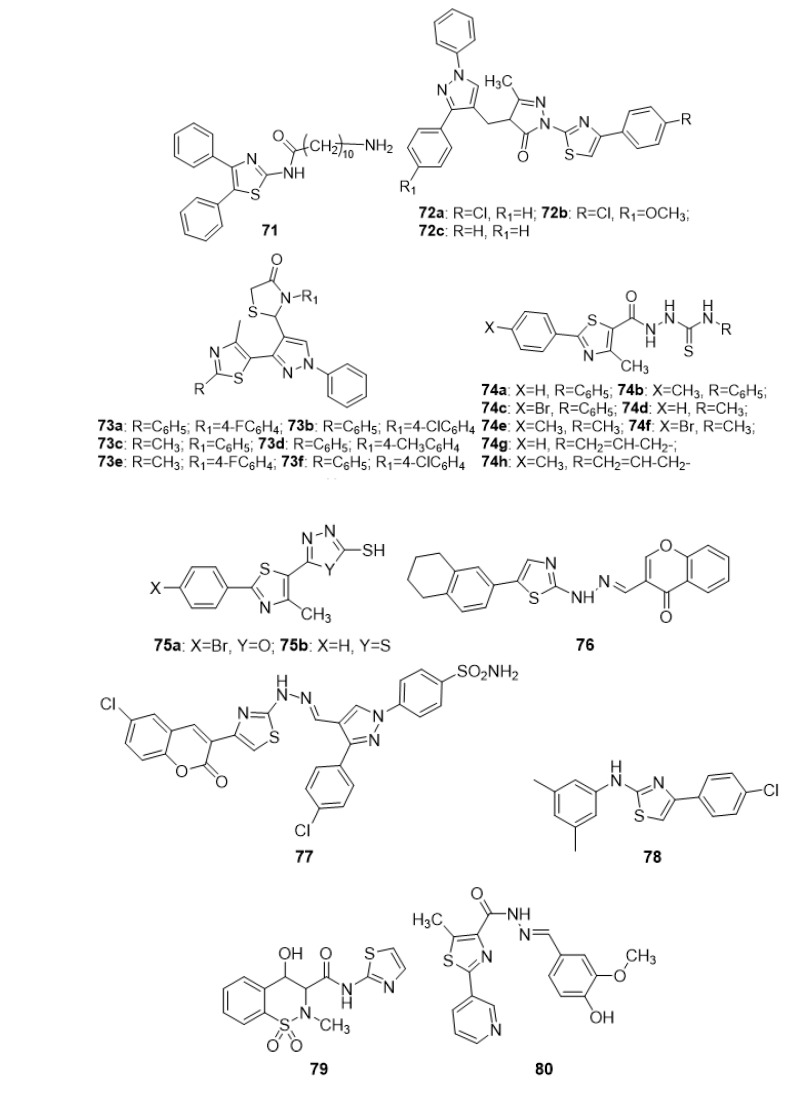
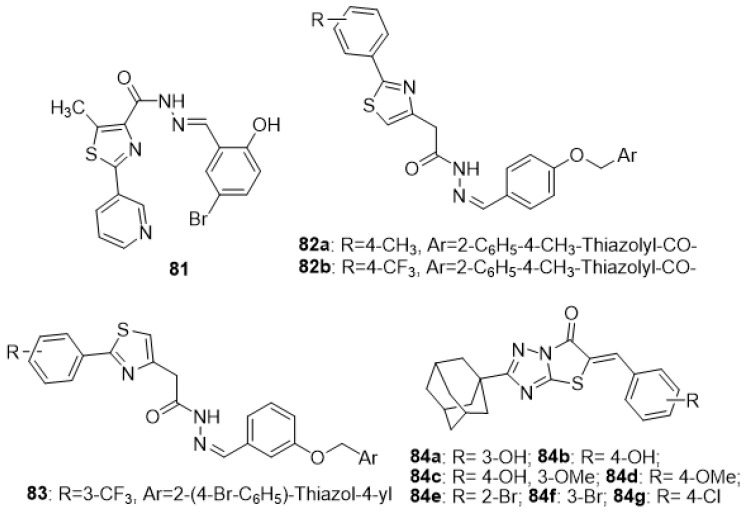
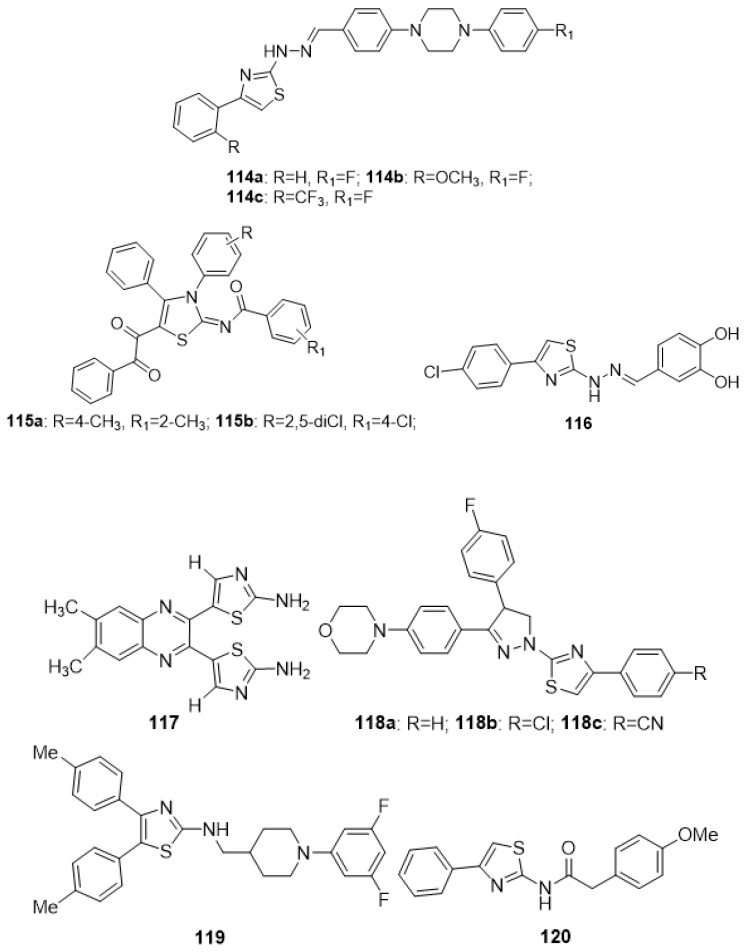
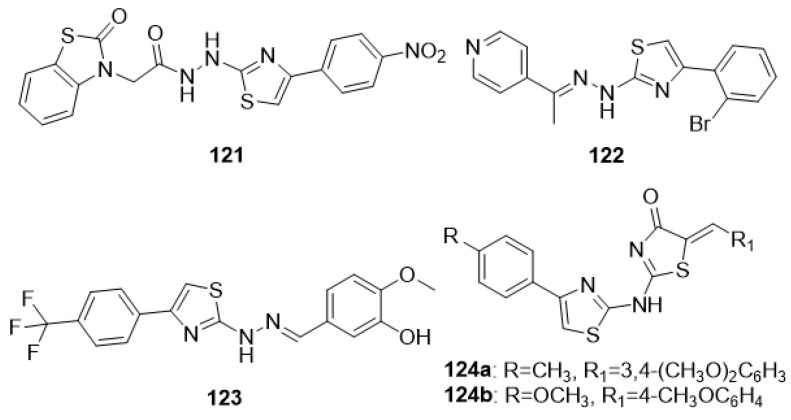
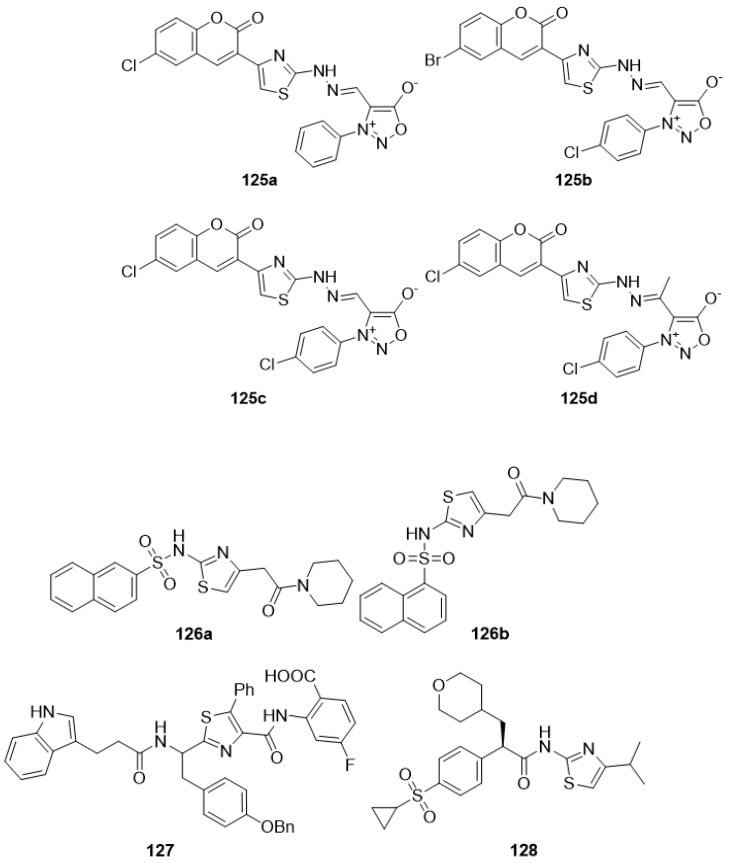
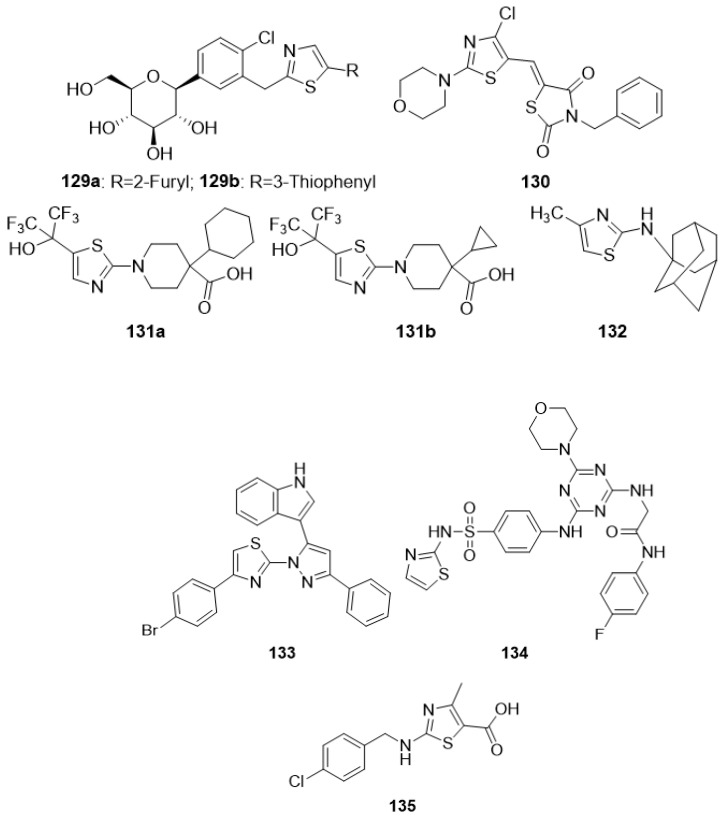
For many decades, the thiazole moiety has been an important heterocycle in the world of chemistry. The thiazole ring consists of sulfur and nitrogen in such a fashion that the pi (π) electrons are free to move from one bond to other bonds rendering aromatic ring properties. On account of its aromaticity, the ring has many reactive positions where donor-acceptor, nucleophilic, oxidation reactions, etc., may take place. Molecules containing a thiazole ring, when entering physiological systems, behave unpredictably and reset the system differently. These molecules may activate/stop the biochemical pathways and enzymes or stimulate/block the receptors in the biological systems. Therefore, medicinal chemists have been focusing their efforts on thiazole-bearing compounds in order to develop novel therapeutic agents for a variety of pathological conditions. This review attempts to inform the readers on three major classes of thiazole-bearing molecules: Thiazoles as treatment drugs, thiazoles in clinical trials, and thiazoles in preclinical and developmental stages. A compilation of preclinical and developmental thiazole-bearing molecules is presented, focusing on their brief synthetic description and preclinical studies relating to structure-based activity analysis. The authors expect that the current review may succeed in drawing the attention of medicinal chemists to finding new leads, which may later be translated into new drugs.
Keywords: aromaticity; donor-acceptor reaction; nitrogen; oxidation reaction; sulfur; thiazole.
Conflict of interest statement
The authors report no declarations of interest.
Figures


References
-
- Alajarín M., Cabrera J., Pastor A., Sánchez-Andrada P., Bautista D. On the [2+2] Cycloaddition of 2-Aminothiazoles and Dimethyl Acetylenedicarboxylate. Experimental and Computational Evidence of a Thermal Disrotatory Ring Opening of Fused Cyclobutenes. J. Org. Chem. 2006;71:5328–5339. doi: 10.1021/jo060664c. - DOI - PubMed
-
- Breitung E.M., Shu A.C.-F., McMahon R.J. Thiazole and Thiophene Analogues of Donor−Acceptor Stilbenes: Molecular Hyperpolarizabilities and Structure−Property Relationships. J. Am. Chem. Soc. 2000;122:1154–1160. doi: 10.1021/ja9930364. - DOI
-
- Huang Y., Gan H., Li S., Xu J., Wu X., Yao H. Oxidation of 4-carboxylate thiazolines to 4-carboxylate thiazoles by molecular oxygen. Tetrahedron Lett. 2010;51:1751–1753. doi: 10.1016/j.tetlet.2010.01.091. - DOI
-
- D’Auria M., Racioppi R., Viggiani L., Zanirato P. Photochemical Reactivity of 2-Azido-1,3-thiazole and 2-Azido-1,3-benzothiazole: A Procedure for the Aziridination of Enol Ethers. Eur. J. Org. Chem. 2009;2009:932–937. doi: 10.1002/ejoc.200800959. - DOI
Publication types
MeSH terms
Substances
LinkOut - more resources
Full Text Sources
Other Literature Sources
Research Materials
Miscellaneous
