


Phylogeny and Taxonomic Synopsis of the Genus Bougainvillea (Nyctaginaceae)
- PMID: 35807654
- PMCID: PMC9269543
- DOI: 10.3390/plants11131700
Phylogeny and Taxonomic Synopsis of the Genus Bougainvillea (Nyctaginaceae)
Abstract
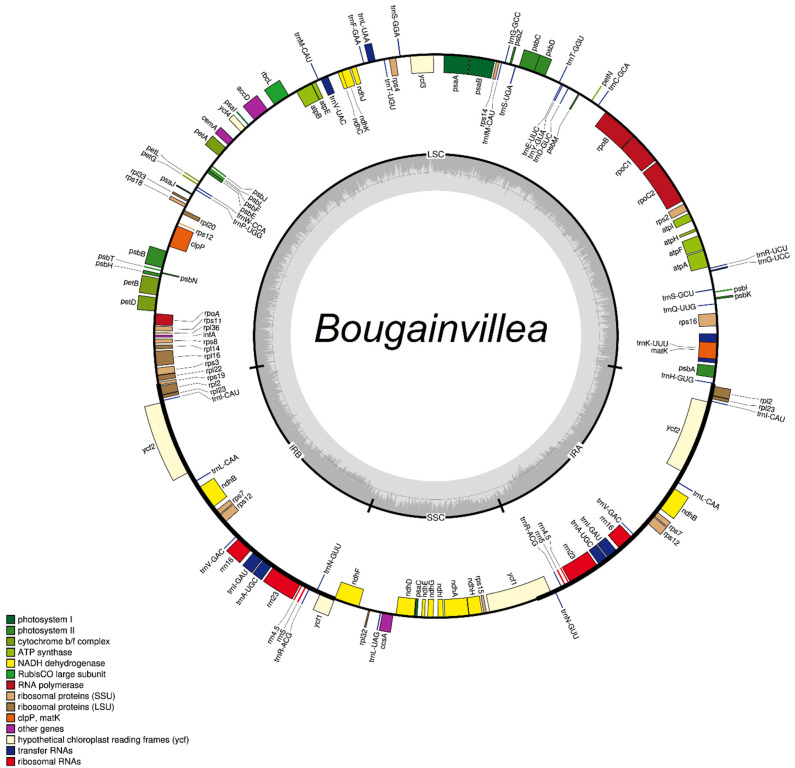
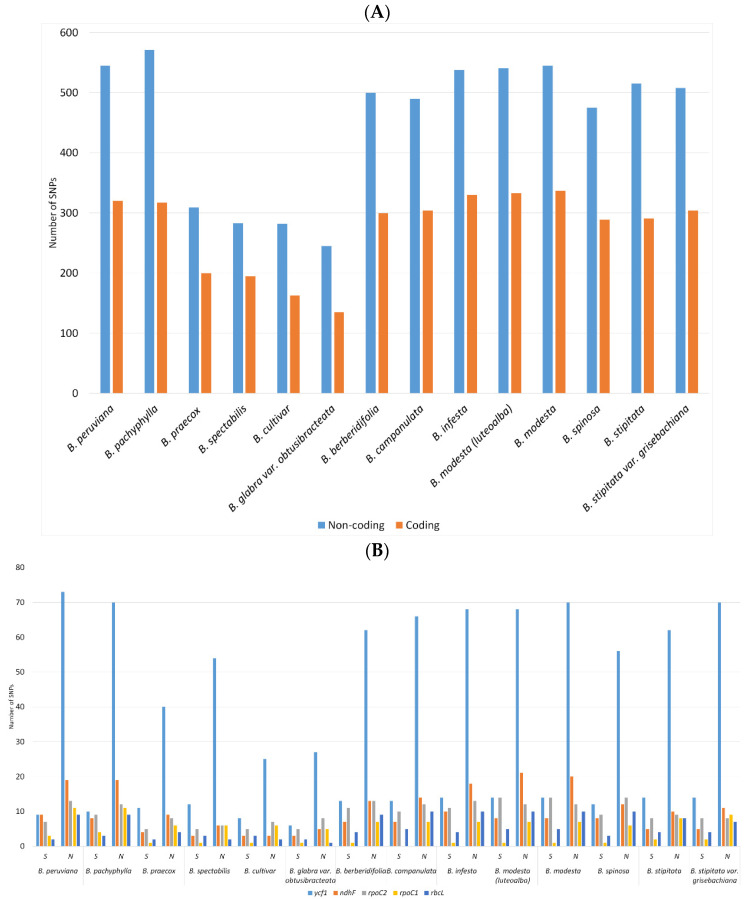
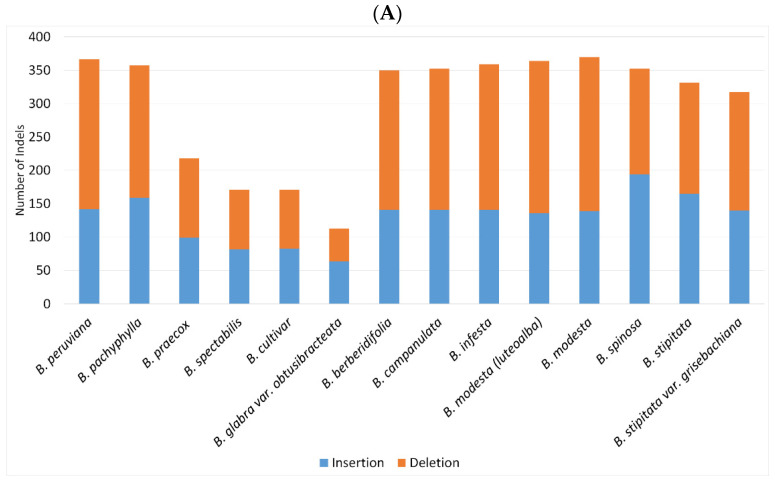
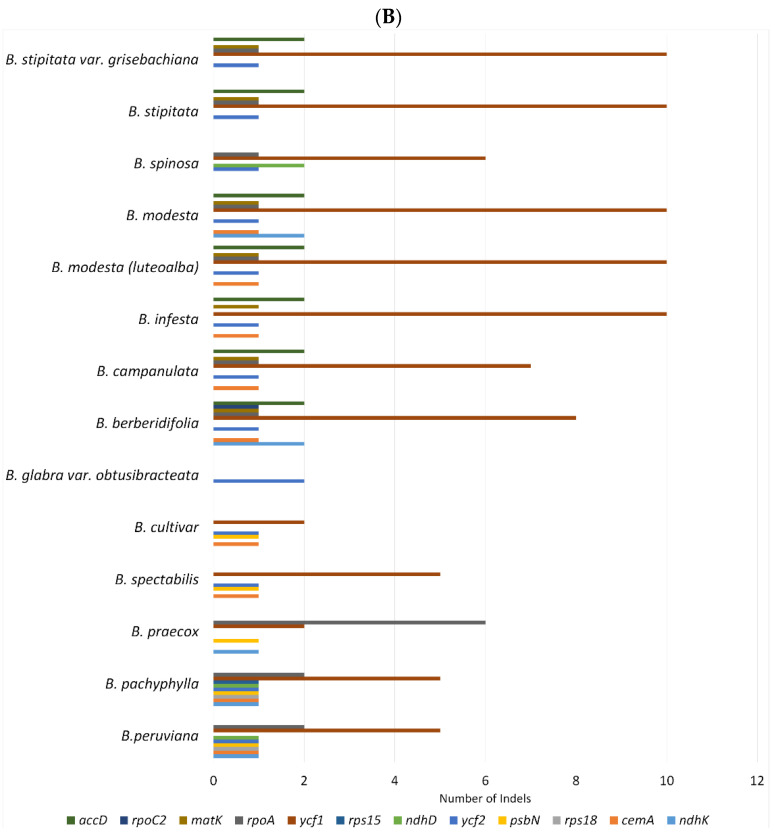
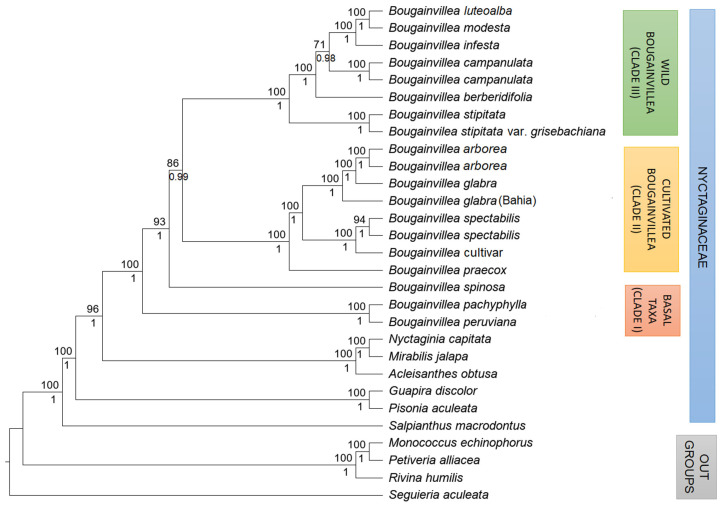
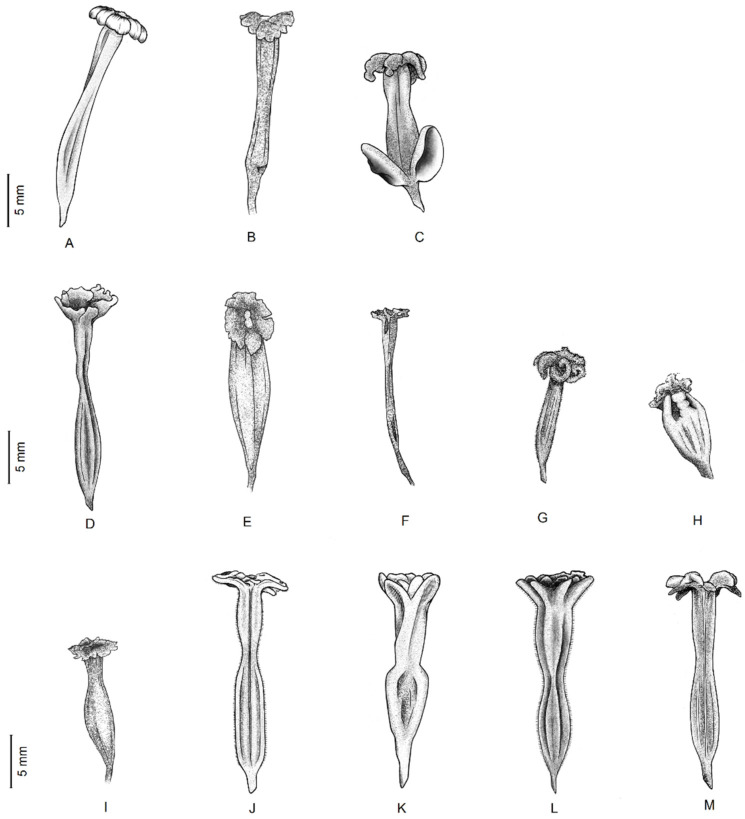
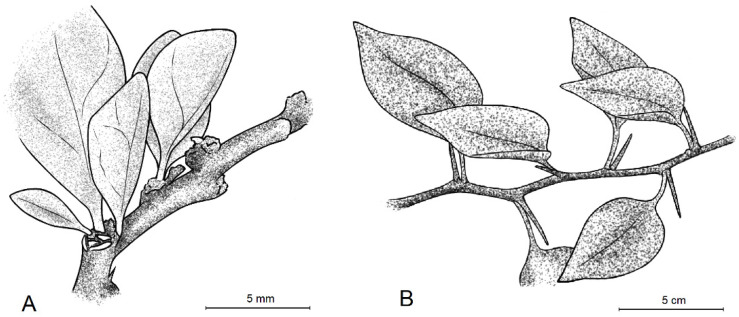
Bougainvillea Comm. ex Juss. is one of the renowned genera in the Nyctaginaceae, but despite its recognized horticultural value, the taxonomy and phylogeny of the genus is not well-studied. Phylogenetic reconstructions based on plastid genomes showed that B. pachyphylla and B. peruviana are basal taxa, while B. spinosa is sister to two distinct clades: the predominantly cultivated Bougainvillea clade (B. spectabilis, B. glabra, B. arborea, B. cultivar, B. praecox) and the clade containing wild species of Bougainvillea (B. berberidifolia, B. campanulata, B. infesta, B. modesta, B. luteoalba, B. stipitata, and B. stipitata var. grisebachiana). Early divergence of B. peruviana, B. pachyphylla and B. spinosa is highly supported, thus the previously proposed division of Bougainvillea into two subgenera (Bougainvillea and Tricycla) was not reflected in this study. Morphological analysis also revealed that leaf arrangement, size, and indumentum together with the perianth tube and anthocarp shape and indumentum are important characteristics in differentiating the species of Bougainvillea. In the present study, 11 species and one variety are recognized in Bougainvillea. Six names are newly reduced to synonymy, and lectotypes are designated for 27 names. In addition, a revised identification key and illustrations of the distinguishing parts are also provided in the paper.
Keywords: Bougainvillea; Nyctaginaceae; chloroplast genome; morphology; nomenclature; phylogeny; taxonomy.
Conflict of interest statement
The authors declare no conflict of interest. The funders had no role in the design of the study; in the collection, analyses, or interpretation of data; in the writing of the manuscript, or in the decision to publish the results.
Figures
References
-
- Lack H.W. The discovery, naming and typification of Bougainvillea spectabilis (Nyctaginaceae) Willdenowia. 2012;42:117–126. doi: 10.3372/wi.42.42114. - DOI
-
- Jussieu A.L. Genera Plantarum: Secundum Ordines Naturales Disposita, Juxta Methodum in Horto Regio Parisiensi Exaratam, Anno M.DCC.LXXIV. Apud viduam Herissant et Theophilum Barrois; Parisiis, France: 1789. pp. 1–498.
-
- Spach E. Histoire Naturelle des Végétaux. Volume 10. Librairie encyclopédique de Roret; Paris, France: 1841. p. 516.
-
- Sprague T.A. International Botanical Congress: Nomenclature Proposals by British Botanists. Wyman & Sons, Ltd.; London, England: 1930. Proposal to conserve 90 additional generic names; pp. 49–54.
-
- Rickett H.W., Stafleu F.A. Nomina generica conservanda et rejicienda spermatophytorum. Taxon. 1959;8:213–243. doi: 10.2307/1217883. - DOI
Grants and funding
- JCYJ20120615172425764/Shenzhen Science and Technology Innovation Commission
- GZY-KJS-2018-004/Fourth National Survey of Chinese Traditional Medicine Resources
- Chen, 2009/Shenzhen Urban Management Bureau
- Chen 2018-2021/Shenzhen Key Laboratory of South Subtropical Plant Diversity, Fairy Lake Botanical Garden, Chinese Academy of Sciences
- Deng 2018-2021/Key Laboratory of Plant Resource Conservation and Sustainable Utilization, South China Botan-ical Garden, Chinese Academy of Sciences
LinkOut - more resources
Full Text Sources
