


Reasons for using indoor tanning devices: A systematic review of qualitative evidence
- PMID: 35808920
- PMCID: PMC10084128
- DOI: 10.1111/bjhp.12610
Reasons for using indoor tanning devices: A systematic review of qualitative evidence
Abstract
Purpose: Despite the established causal links to skin cancer, skin ageing and eye inflammation, people continue to use indoor tanning devices (hereafter 'sunbeds'). Understanding the reasons underlying the use of sunbeds is essential for developing effective interventions. The purpose of this study was to collate all existing evidence from qualitative papers published to date that had assessed motivations for using sunbeds.
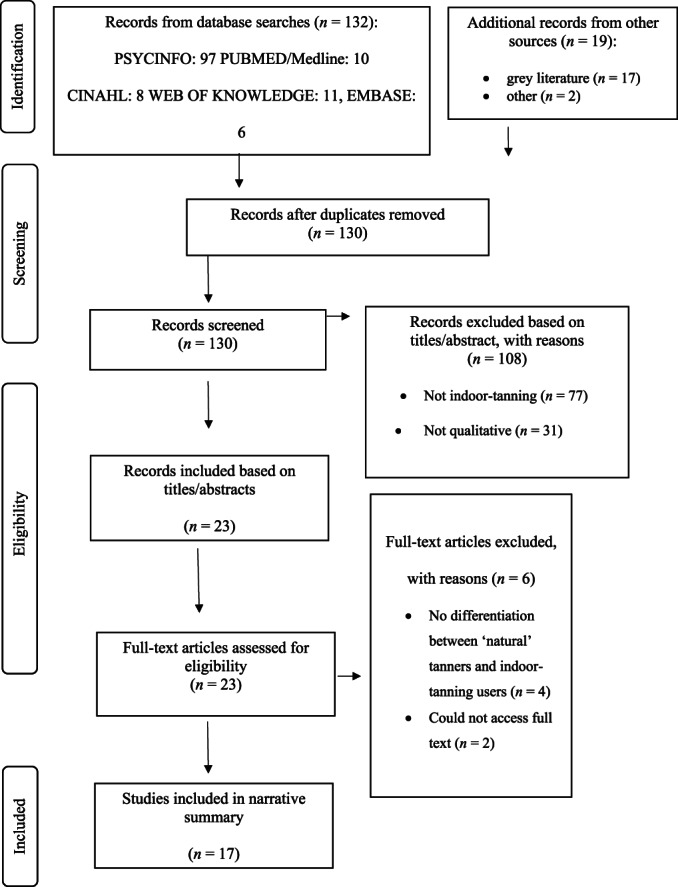
Methods: Six databases were searched from inception to February 2020 for qualitative studies that explored adults' experiences of using sunbeds. Sixteen studies met the inclusion criteria, and a narrative evidence synthesis was used to collate findings from each primary study.
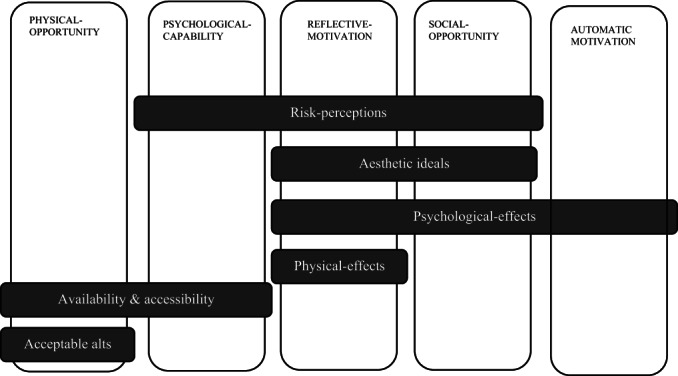
Results: Users of sunbeds were motivated primarily by aesthetic concerns but also by perceived psychological benefits (well-being, confidence and 'fitting in') and physical benefits (improvement in skin conditions such as acne, acquiring vitamin D and preventing sunburn). People also chose indoor tanning over alternatives such as fake tans because they considered the alternatives unacceptable and did not consider indoor tanning a serious health risk. To date, no studies have explored alternatives to meeting non-aesthetic needs related to the use of sunbeds.
Conclusions: This comprehensive explanation for the practice of indoor tanning provides the basis for development of complex interventions to reduce the harm caused by using sunbeds. Effective interventions should include promotion of alternatives, such as different methods of relaxing, to satisfy underlying motivations, changing social norms and correcting misperceptions about health benefits.
Keywords: indoor tanning devices; melanoma; qualitative studies; skin cancer; systematic review.
© 2022 The Authors. British Journal of Health Psychology published by John Wiley & Sons Ltd on behalf of British Psychological Society.
Conflict of interest statement
The authors have no conflicts of interest to declare.
Figures
References
-
- * Buchanan Lunsford, N. , Berktold, J. , Holman, D. M. , Stein, K. , Prempeh, A. , & Yerkes, A. (2018). Skin cancer knowledge, awareness, beliefs and preventive behaviors among black and hispanic men and women. Preventive Medicine Reports, 12, 203–209. 10.1016/j.pmedr.2018.09.017 - DOI - PMC - PubMed
Publication types
MeSH terms
Grants and funding
LinkOut - more resources
Full Text Sources
Medical
Miscellaneous
