


A prospective evaluation of postoperative fever in adult neurosurgery patients in the COVID-19 era
- PMID: 35809454
- PMCID: PMC9250895
- DOI: 10.1016/j.jocn.2022.06.024
A prospective evaluation of postoperative fever in adult neurosurgery patients in the COVID-19 era
Abstract
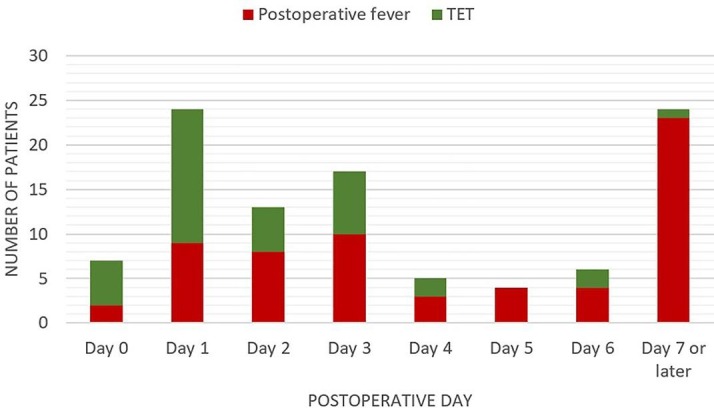
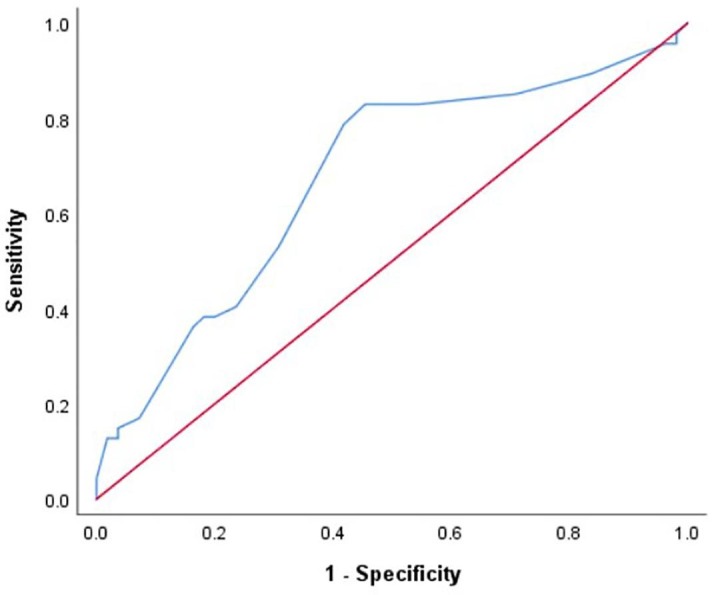
Postoperative fever is mostly transient and inconsequential but may portend a serious postoperative infection requiring a thorough evaluation, especially during the recent COVID-19 pandemic. We aimed to determine the incidence, causes and outcomes of postoperative fever in neurosurgical patients, as well as to evaluate a protocol for management of postoperative fever. We conducted a prospective study over 12 months, recruiting 425 adult patients operated for non-traumatic neurosurgical indications. We followed a standard protocol for the evaluation and management of postoperative fever collecting data regarding operative details, daily maximal temperature, clinical features, as well as use of surgical drains, urinary catheters, and other invasive adjuncts. Elevated body temperature of > 99.9°F or 37.7 °C for over 48 h or associated with clinical deterioration or localising features was considered as "fever" and was evaluated according to our protocol. We classified elevated temperature not meeting this criterion as a transient elevation in temperature (TET). Sixty-five patients (13.5%) had postoperative fever. Transient elevation of temperature, occurring in 40 patients (8.8%) was most common in the first 48 h after surgery. The most common causes of fever were urinary tract infections (13.7%), followed by aseptic meningitis (10.8%), wound infections and pneumonia. Various aetiologies of fever followed distinct patterns, with COVID-19 and meningitis causing high-grade, prolonged fever. Multivariate analysis revealed cranial surgery, prolonged duration of surgery, urinary catheters and wound drains retained beyond POD 3 to predict fever. Postoperative fever was associated with significantly longer duration of hospital admission. COVID-19 had a high mortality rate in the early postoperative period.
Keywords: COVID-19; Fever; Infections; Neurosurgery; Postoperative.
Copyright © 2022 Elsevier Ltd. All rights reserved.
Conflict of interest statement
The authors declare that they have no known competing financial interests or personal relationships that could have appeared to influence the work reported in this paper.
Figures


References
MeSH terms
LinkOut - more resources
Full Text Sources
Medical
