


Protocol for mindfulness-oriented recovery enhancement (MORE) in the management of lumbosacral radiculopathy/radiculitis symptoms: A randomized controlled trial
- PMID: 35812821
- PMCID: PMC9260614
- DOI: 10.1016/j.conctc.2022.100962
Protocol for mindfulness-oriented recovery enhancement (MORE) in the management of lumbosacral radiculopathy/radiculitis symptoms: A randomized controlled trial
Abstract
Introduction: Lumbosacral radiculopathy/radiculitis (LR) or "sciatica" is a commonly intractable sequelae of chronic low back pain (LBP), and challenges in the treatment of LR indicate that persistent pain may have both mechanical and neuropathic origins. Mindfulness-based interventions have been demonstrated to be effective tools in mitigating self-reported pain in LBP patients. This paper describes the protocol for a randomized controlled trial (RCT) evaluating the effects of the specific mindfulness-based intervention Mindfulness-Oriented Recovery Enhancement (MORE) on LR symptoms and sequelae, including mental health and physical function.
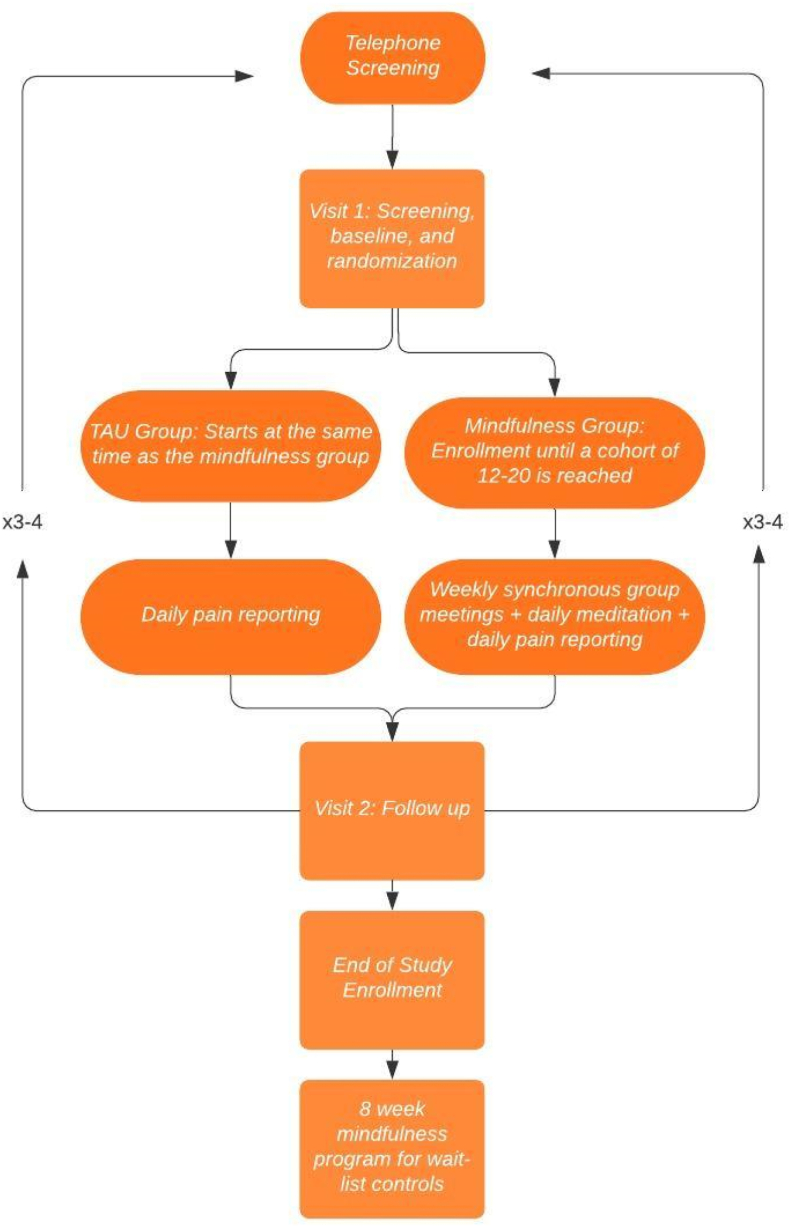
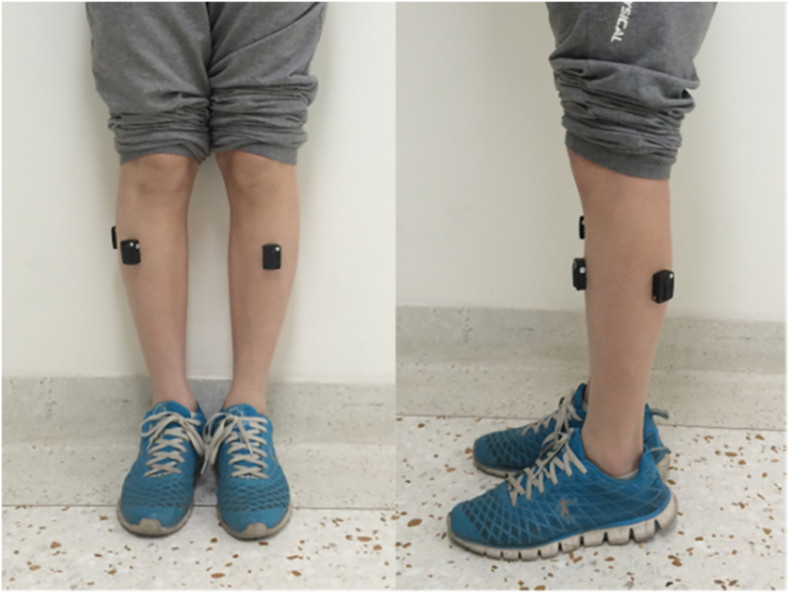
Methods: Participants recruited from the Portland, OR area are screened before completing a baseline visit that includes a series of self-report questionnaires and surface electromyography (sEMG) of the lower extremity. Upon enrollment, participants are randomly assigned to the MORE (experimental) group or treatment as usual (control) group for 8 weeks. Self-reported assessments and sEMG studies are repeated after the intervention is complete for pre/post-intervention comparisons. The outcome measures evaluate self-reported pain, physical function, quality of life, depression symptoms, trait mindfulness, and reinterpretation of pain, with surface electromyography (sEMG) findings evaluating objective physical function in patients with LR. To our knowledge, this is the first trial to date using an objective measure, sEMG, to evaluate the effects of a mindfulness-based intervention on LR symptoms.
Hypotheses: We hypothesize that MORE will be effective in improving self-reported pain, physical function, quality of life, depression symptoms, mindfulness, and reinterpretation of pain scores after 8 weeks of mindfulness training as compared to treatment as usual. Additionally, we hypothesize that individuals in the MORE group with abnormal sEMG findings at baseline will have improved sEMG findings at their 8-week follow-up visit.
Keywords: Low back pain; Lumbosacral radiculopathy; Mindfulness; Mindfulness-oriented recovery enhancement; RCT protocol; Virtual intervention.
© 2022 The Authors. Published by Elsevier Inc.
Conflict of interest statement
The authors declare that they have no known competing financial interests or personal relationships that could have appeared to influence the work reported in this paper.
Figures
References
-
- Schmidt C.O., Raspe H., Pfingsten M., et al. Back pain in the German adult population: prevalence, severity, and sociodemographic correlates in a multiregional survey. Spine. 2007;32(18) https://journals.lww.com/spinejournal/Fulltext/2007/08150/Back_Pain_in_t... - PubMed
Grants and funding
LinkOut - more resources
Full Text Sources
Miscellaneous
