


Animal models in lymph node transfer surgery: A systematic review
- PMID: 35813893
- PMCID: PMC9260349
Animal models in lymph node transfer surgery: A systematic review
Abstract
Background and aim: Lymph node transfer surgery (LNTS) is indicated in secondary lymphedema (LE) patients who do not respond to conservative therapy. Animal models are the spearhead of LE research and were used to pioneer most of the surgical interventions currently in practice. We conducted a systematic review of the literature to explore animal models dedicated to LNTS to compare different species, techniques, and outcomes.
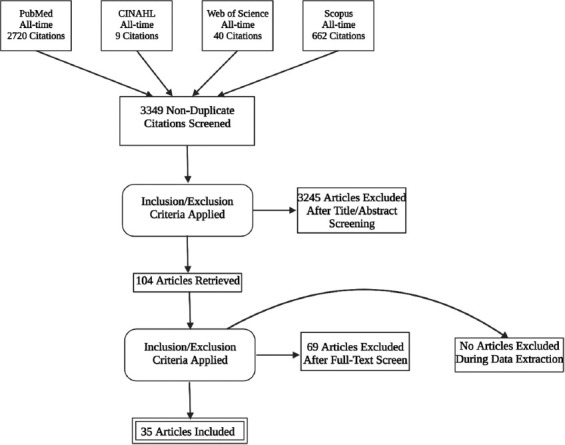
Methods: Four databases were searched: PubMed, Cumulative Index of Nursing and Allied Health Literature, Scopus, and Web of Science. We used the Preferred Reporting Items for Systematic Reviews and Meta-Analysis as our basis of organization.
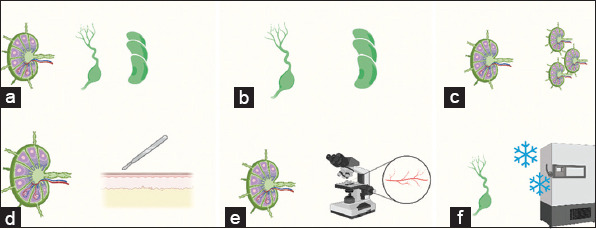
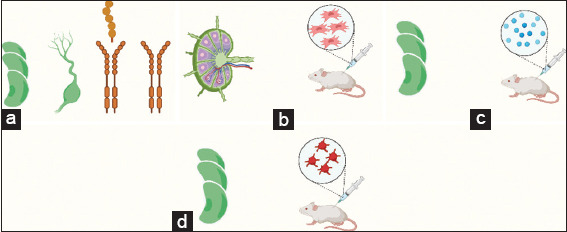
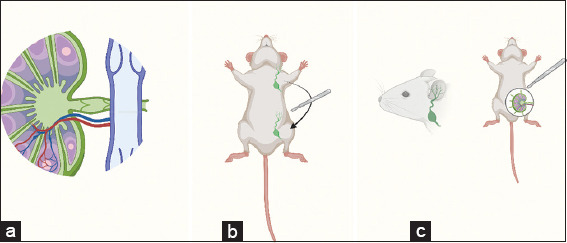
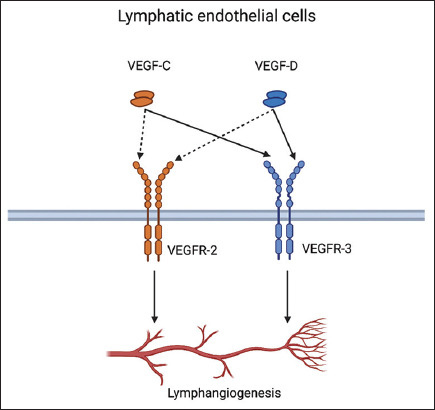
Results: Avascular lymph node graft (ALNG) and vascularized lymph node transfer (VLNT) effectively treated LE and lead to better outcomes than controls. Whole ALNGs are superior to fragmented ALNGs. Larger fragments are more likely to be reintegrated into the lymphatic system than small fragments. VLNT was superior to whole and fragmented ALNG. Increasing the number of VLNT resulted in better outcomes. Adipose-derived stem cells improved outcomes of VLNT; vascular endothelial growth factor C and D and platelet-rich plasma improved outcomes for ALNG. Cryopreservation of lymph nodes (LNs) did not affect outcomes for ALNG. The critical ischemia and venous occlusion time for LN flaps were 4-5 and 4 h, respectively. The critical time for reperfusion injury was 2 h. Some of the novel models included venous LNT, and cervical adipocutaneous flap to groin.
Conclusion: Current evidence from animals favors VLNT over other surgical interventions. Several pharmacological therapies significantly improved outcomes of ALNG and VLNT.
Relevance to patients: LE is a chronic condition affecting millions of patients worldwide. LNTS is becoming more popular as a LE treatment. Animal models have led the LE research for decades and developing new models for LE are essential for LE research. This systematic review aims to summarize the existing animal models dedicated to LNTS. We believe that this review is critical to guide researchers in the selection of the model that is best fit for their hypothesis-driven experiments.
Keywords: animal models; lymphedema; lymphedema surgery; systematic review.
Copyright: © 2022 Whioce Publishing Pte. Ltd.
Conflict of interest statement
None of the authors have any conflicts of interest.
Figures
References
-
- Warren AG, Brorson H, Borud LJ, Slavin SA. Lymphedema:A Comprehensive Review. Ann Plastic Surg. 2007;59:464–72. - PubMed
-
- Kitsiou-Tzeli S, Vrettou C, Leze E, Makrythanasis P, Kanavakis E, Willems P. Milroy's Primary Congenital Lymphedema in a Male Infant and Review of the Literature. In vivo (Athens, Greece) 2010;24:309–14. - PubMed
-
- Bolletta A, Di Taranto G, Chen SH, Elia R, Amorosi V, Chan JC, et al. Surgical Treatment of Milroy Disease. J Surg Oncol. 2020;121:175–81. - PubMed
-
- Wheeler ES, Chan V, Wassman R, Rimoin DL, Lesavoy MA. Familial Lymphedema Praecox:Meige's Disease. Plastic Reconstruct Surg. 1981;67:362–4. - PubMed
-
- Szuba A, Shin WS, Strauss HW, Rockson S. The Third Circulation:Radionuclide Lymphoscintigraphy in the Evaluation of Lymphedema. J Nuclear Med. 2003;44:43–57. - PubMed
Publication types
LinkOut - more resources
Full Text Sources