


Potentiation of morphine antinociception and inhibition of diabetic neuropathic pain by the multi-chemokine receptor antagonist peptide RAP-103
- PMID: 35817166
- PMCID: PMC9398950
- DOI: 10.1016/j.lfs.2022.120788
Potentiation of morphine antinociception and inhibition of diabetic neuropathic pain by the multi-chemokine receptor antagonist peptide RAP-103
Abstract
Aims: We determined the ability of the multi-chemokine receptor (CCR2/CCR5/CCR8) antagonist RAP-103 to modulate pain behaviors in an acute model of surgical pain, with and without an added opioid (morphine), and by itself in a chronic model of Streptozotocin (STZ)-induced diabetic peripheral neuropathy (DPN).
Materials and methods: Pain behaviors were assessed by mechanical and thermal tests in rats. Cytokine and chemokine biomarkers in sciatic nerve and spinal cord were assessed by in situ qPCR.
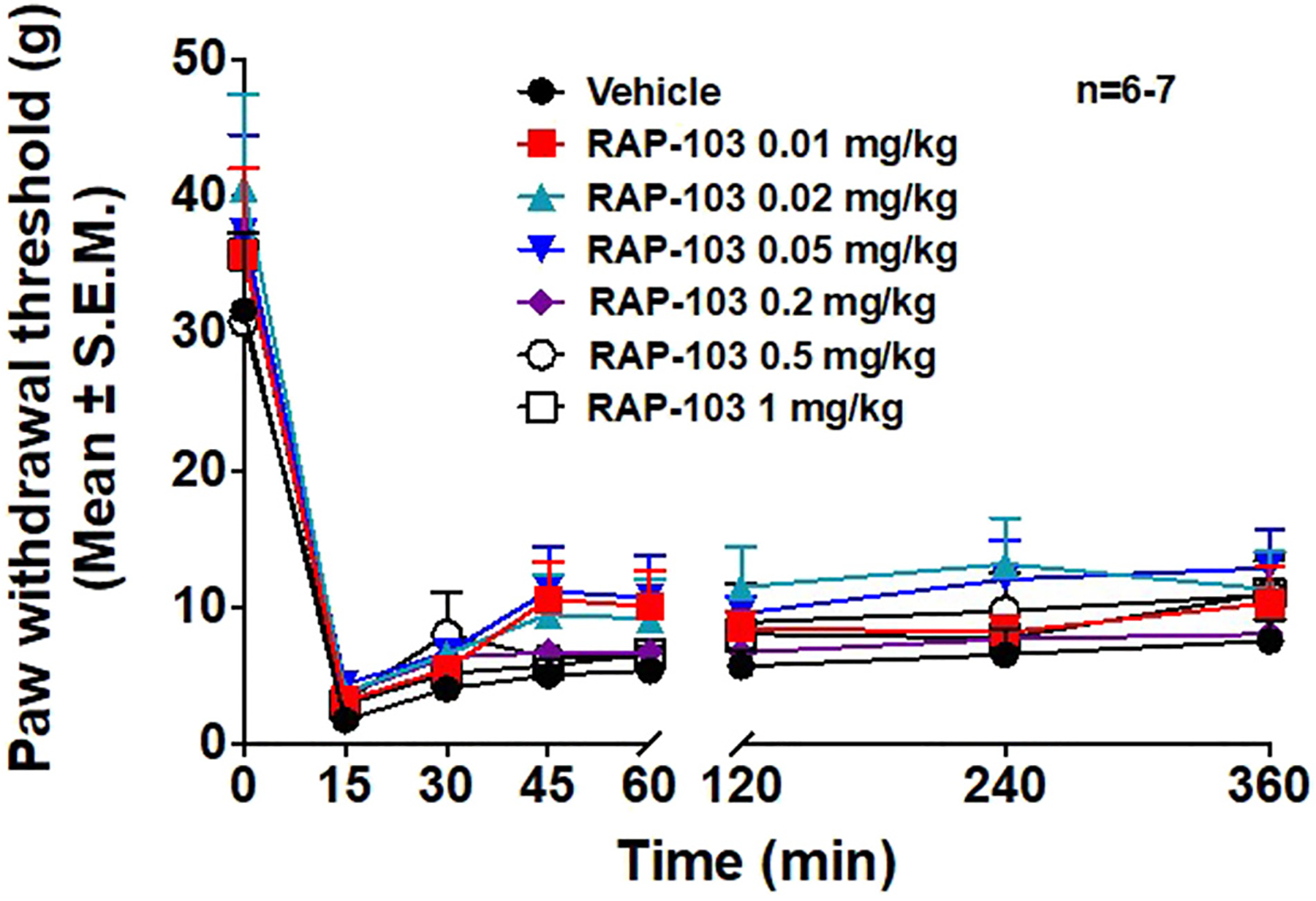
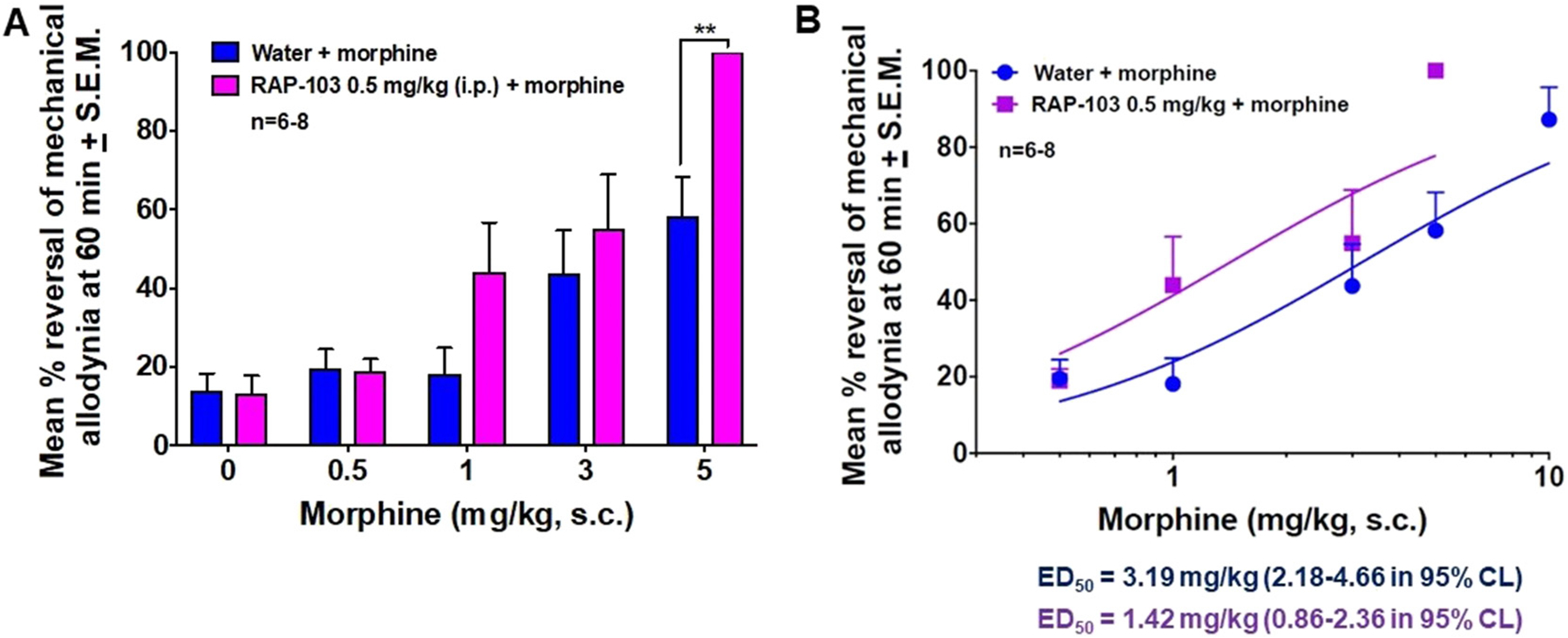
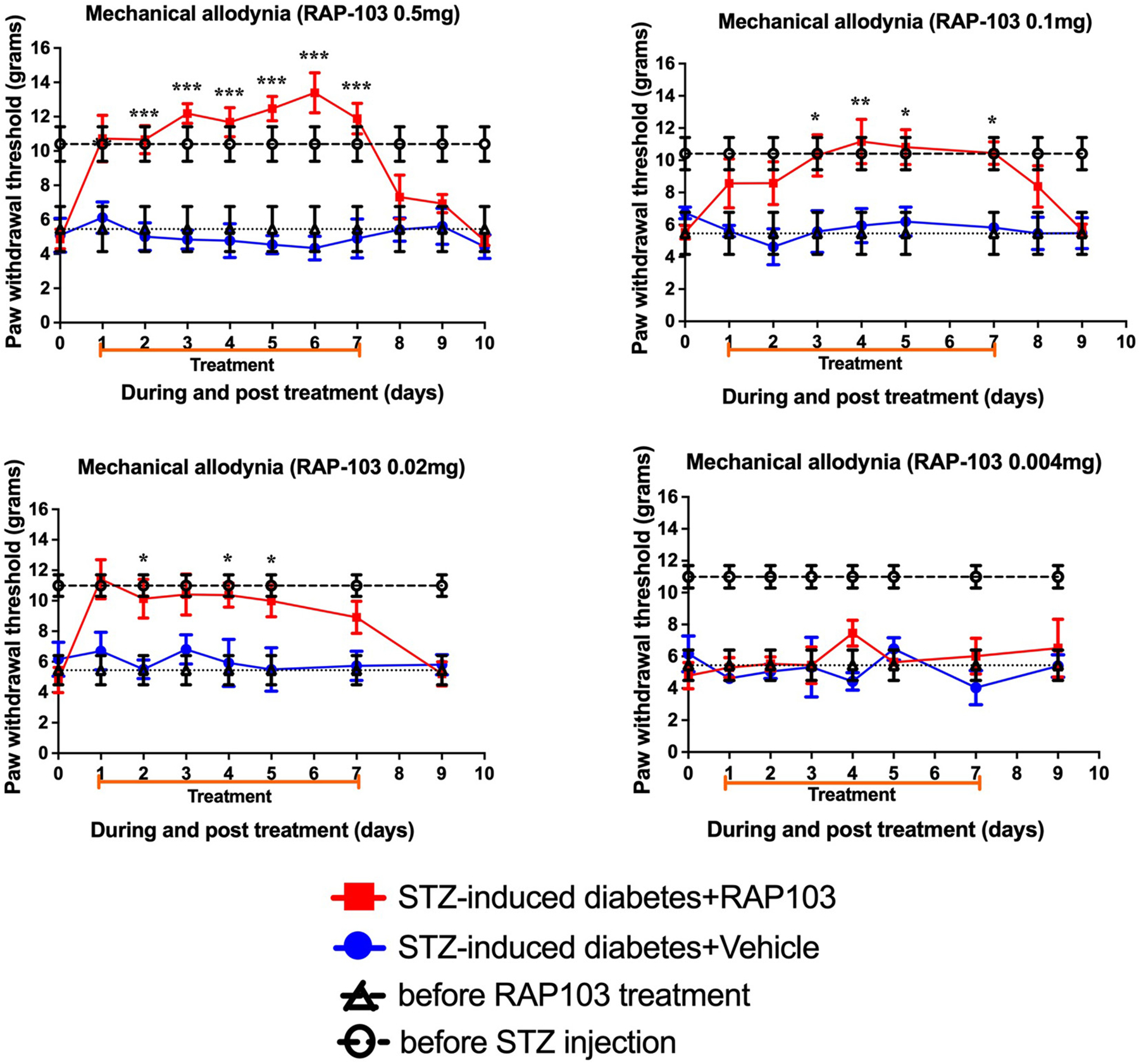
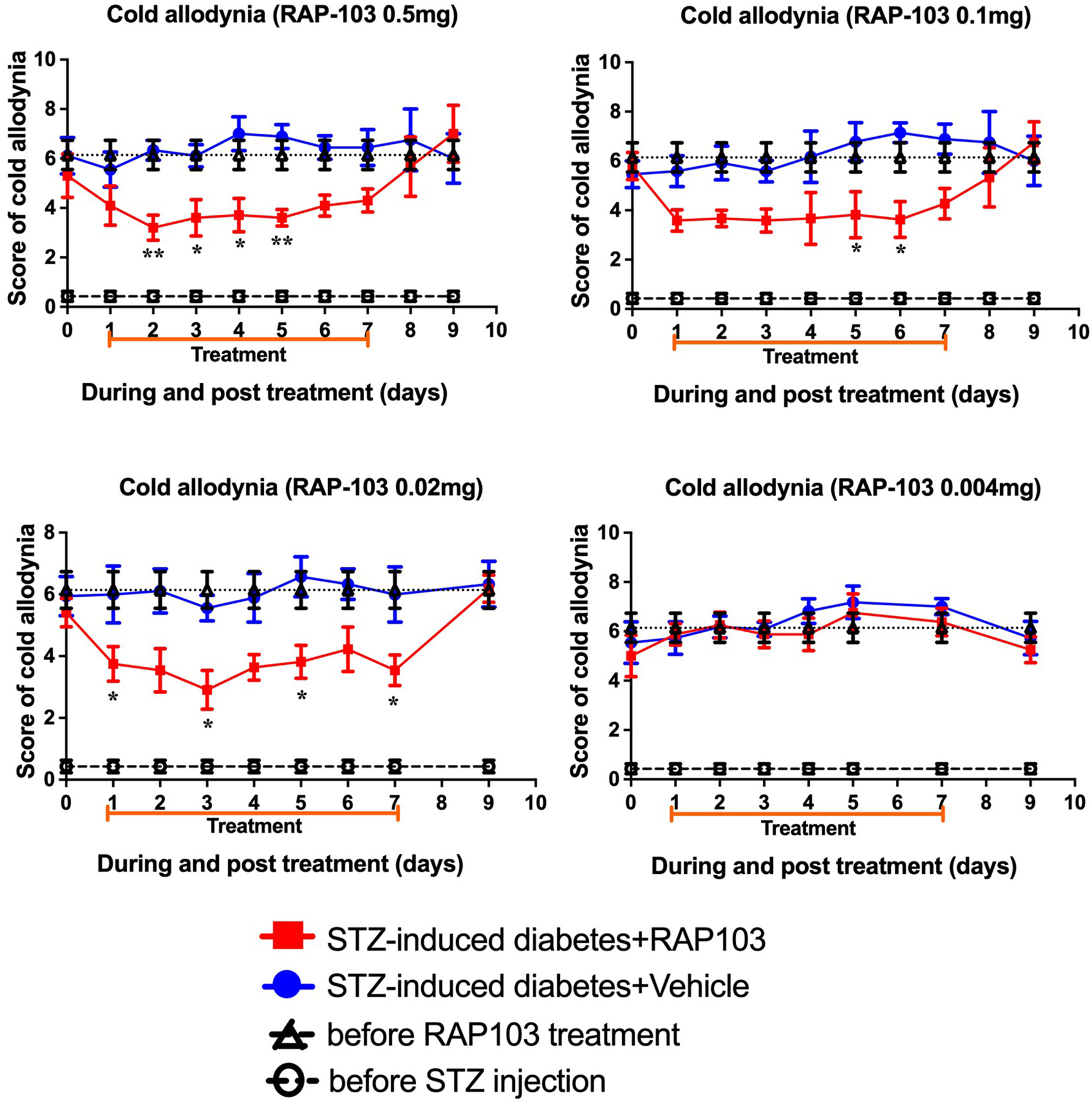
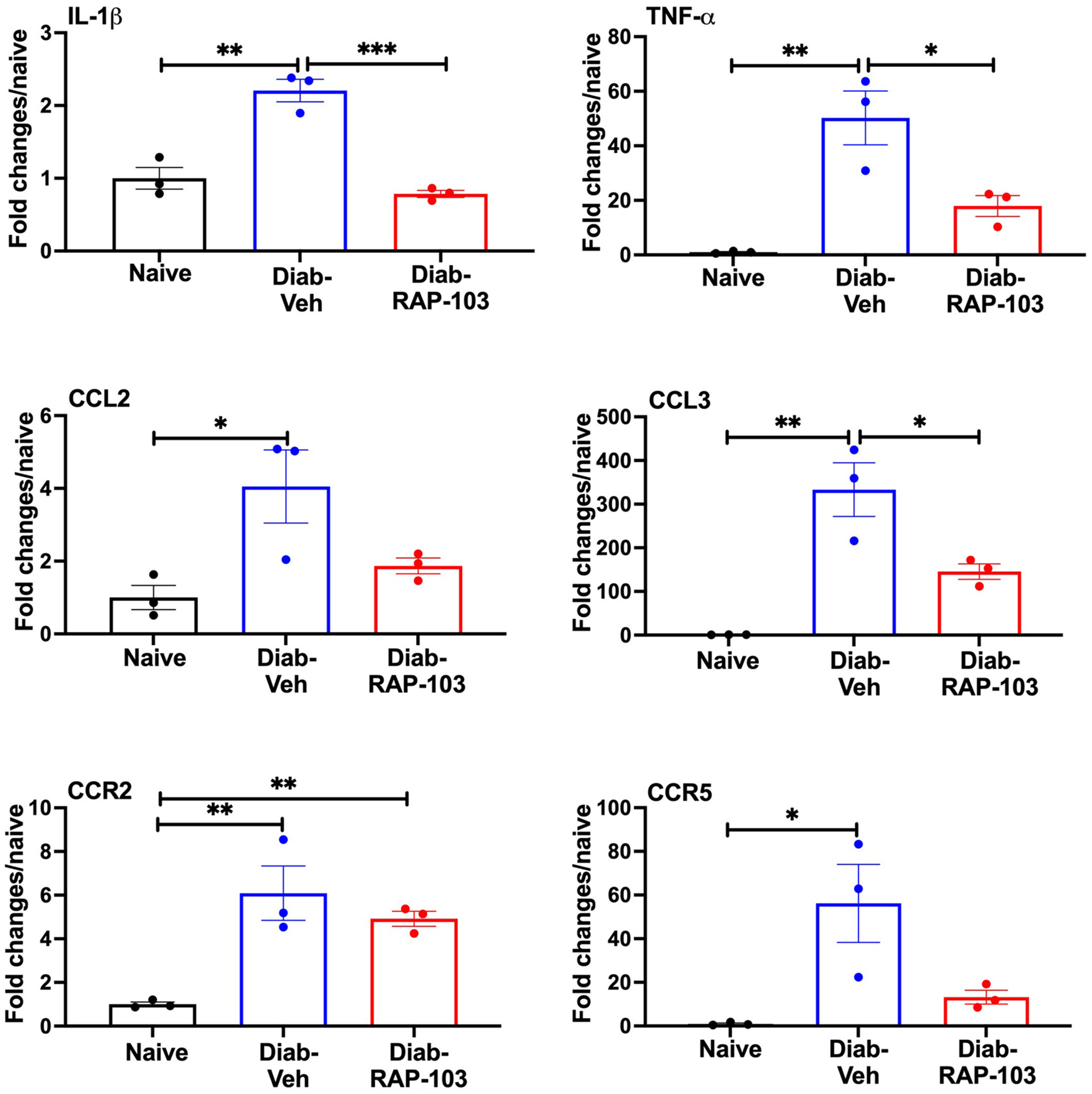
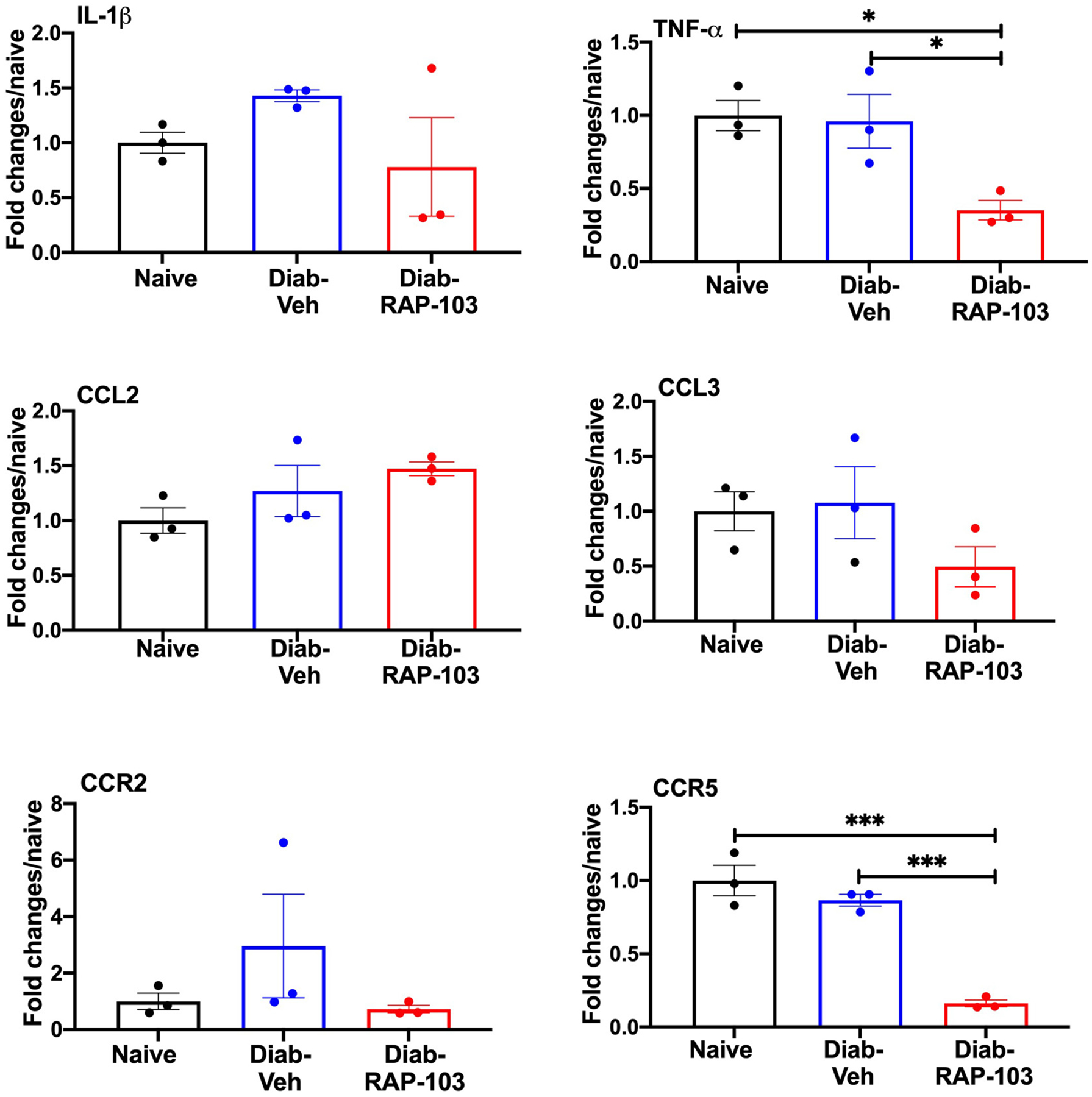
Key findings: In the incisional pain assay, RAP-103 (0.01-1 mg/kg, i.p.) alone had no antiallodynic effect post-surgery. RAP-103 (0.5 mg/kg) when co-administered with morphine (0.5-5 mg/kg), reduced the ED50 of morphine from 3.19 mg/kg to 1.42 mg/kg. In a DPN model, rats exhibited persistent mechanical and cold allodynia. Oral administration of RAP-103 (0.5-0.02 mg/kg/day) resulted in a complete reversal of established hypersensitivity in DPN rats (P < .001), which gradually returned to pain hypersensitivity after the cessation of the treatment. The mRNA expression of cytokines, IL-1β, TNFα; chemokines CCL2, CCL3; and chemokine receptors CCR2 and CCR5 in DPN rat sciatic nerve, but not spinal cord, were significantly increased. RAP-103 resulted in significant reductions in sciatic nerve expression of IL-1β, TNFα and CCL3 in STZ-induced diabetic rats with trends toward lower levels for CCL2 and CCR5, while CCR2 was unchanged.
Significance: In acute pain, co-administration of RAP-103 with morphine provided the same antinociceptive effect with a reduced dose of morphine, reducing opioid side-effects and risks. RAP-103 by itself is an effective non-opioid antinociceptive treatment for diabetic neuropathic pain.
Keywords: Antagonist; CCR5; Chemokine; Neuropathy; Opioid; Pain.
Copyright © 2022 The Authors. Published by Elsevier Inc. All rights reserved.
Conflict of interest statement
Declaration of competing interest
Dr. Ruff is an inventor of RAP-103 and has a financial interest in Creative Bio-Peptides, Inc. The funders had no role in the design of the study; in the collection, analyses, or interpretation of data; in the writing of the manuscript, or in the decision to publish the results.
Figures
References
-
- Kwiatkowski K, Pawlik K, Ciapala K, Piotrowska A, Makuch W, Mika J, Bidirectional action of cenicriviroc, a CCR2/CCR5 antagonist, results in alleviation of pain-related behaviors and potentiation of opioid analgesia in rats with peripheral neuropathy, Front. Immunol 11 (2020), 615327. - PMC - PubMed
-
- Padi S, Shi X, Zhao Y, Ruff M, Baichoo N, Pert C, et al. , Attenuation of rodent neuropathic pain by an orally active peptide, RAP-103, which potently blocks CCR2- and CCR5-mediated monocyte chemotaxis and inflammation, Pain 153 (2012) 95–106. - PubMed
-
- Zychowska M, Rojewska E, Piotrowska A, Kreiner G, Nalepa I, Mika J, Spinal CCL1/CCR8 signaling interplay as a potential therapeutic target - evidence from a mouse diabetic neuropathy model, Int. Immunopharmacol 52 (2017) 261–271. - PubMed
MeSH terms
Substances
Grants and funding
LinkOut - more resources
Full Text Sources
Other Literature Sources
Medical
