


The efficacy of tucatinib-based therapeutic approaches for HER2-positive breast cancer
- PMID: 35820970
- PMCID: PMC9277867
- DOI: 10.1186/s40779-022-00401-3
The efficacy of tucatinib-based therapeutic approaches for HER2-positive breast cancer
Abstract
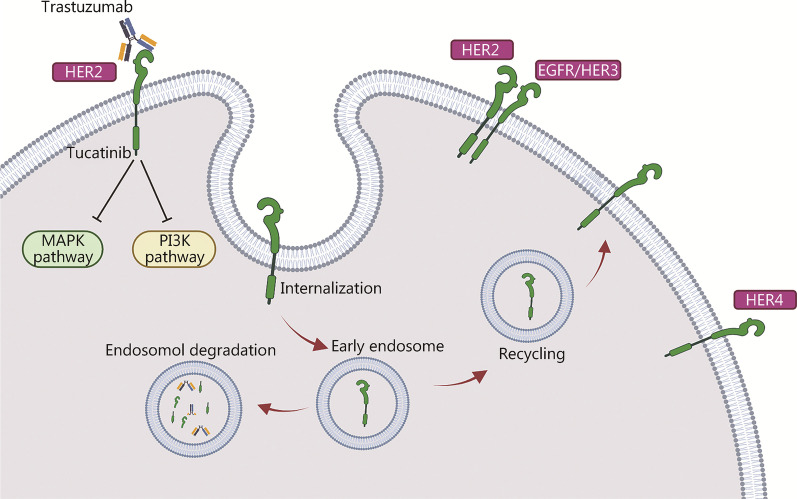
Overexpression of human epidermal growth factor receptor 2 (HER2) occurs in approximately 15-20% of breast cancer cases. HER2 is a member of the epidermal growth factor receptor (EGFR) family with tyrosinase kinase activity, and its overexpression is linked to poor prognosis and shorter progression-free survival (PFS) and overall survival (OS). Among various treatment options, HER2-targeting monoclonal antibodies and tyrosine kinase inhibitors (TKIs) have mostly been applied in recent decades to treat HER2-positive (HER2+) breast cancer patients. Although positive clinical outcomes were documented in both advanced disease and neoadjuvant settings, the development of resistance mechanisms to such approaches has been one of the major challenges with the continuous usage of these drugs. In addition, patients who experience disease progression after treatment with multiple HER2-targeted therapies often have limited treatment options. The Food and Drug Administration (FDA) has recently approved a new TKI (i.e., tucatinib) for use in combination with immunotherapy and/or chemotherapeutic agents for the treatment of advanced-stage/metastatic HER2+ breast cancer. This review highlights recent updates on the efficacy of tucatinib-based therapeutic approaches in experimental models as well as in the clinical settings of HER2+ breast cancer.
Keywords: Breast cancer; HER2-positive (HER2+); Immunotherapy; Targeted therapy; Tucatinib.
© 2022. The Author(s).
Conflict of interest statement
The authors declare that they have no competing interests.
Figures
References
Publication types
MeSH terms
Substances
LinkOut - more resources
Full Text Sources
Medical
Research Materials
Miscellaneous
