


1,5-Anhydroglucitol as a Marker of Acute Hyperglycemia in Cardiovascular Events
- PMID: 35831937
- PMCID: PMC10044046
- DOI: 10.1900/RDS.2022.18.68
1,5-Anhydroglucitol as a Marker of Acute Hyperglycemia in Cardiovascular Events
Abstract
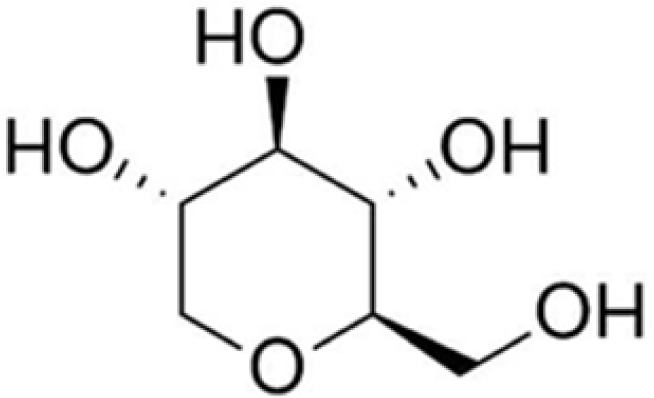
1,5-anhydroglucitol (1,5-AG) is a biomarker of acute hyperglycemia in diabetology and also in cardiodiabetology. It is used to monitor fluctuating glucose levels. 1,5-AG is a monosaccharide that is biochemically similar to D-glucose and originates from the nutrition. The presence of 1,5-AG in blood and tissue is nearly constant due to reabsorption in the renal proximal tubule. In acute hyperglycemia, renal reabsorption is inhibited by glucose and 1,5- AG is excreted in the urine, while its serum level decreases rapidly. 1,5-AG reflects glucose excursions over 1-3 days to 2 weeks. In this regard, low levels of serum 1,5-AG can be a clinical marker of short- term glycemic derangements such as postprandial hyperglycemia, which is an important risk factor for the pathogenesis of coronary artery disease (CAD) as low levels of 1,5-AG reflect severe plaque calcification in CAD and correlate with high-density lipoprotein cholesterol (HDL-C) levels. For these reasons, 1,5-AG may also be a marker for atherosclerosis; in fact an even better marker than HbA1c or fructosamine which are normally used. 1,5-AG may also be a predictor of cardiovascular disease, left ventricular dysfunction after acute coronary syndrome (ACS), and mortality after ACS. This articles reviews the current knowledge on 1,5-AG related to its use as predictor for cardiovascular events.
Conflict of interest statement
The authors report no conflict of interests.
Figures
References
-
- Selvin E, Coresh J, Golden S, Brancati F, Folsom A, Steffes M. Glycemic control and coronary heart disease risk in persons with and without diabetes: The atherosclerosis risk in communities study. Arch Intern Med 2005. 165(16):1910-1916. - PubMed
-
- Deedwania P, Kosiborod M, Barrett E, Ceriello A, Isley W, Mazzone T, Raskin P. Hyperglycemia and acute coronary syndrome: A scientific statement from the american heart association diabetes committee of the council on nutrition, physical activity, and metabolism. Circulation 2008. 117(12):1610-1619. - PubMed
-
- Burchfiel C, David Curb J, Rodriguez B, Abbott R, Chiu D, Yano K. Glucose intolerance and 22-year stroke incidence: The honolulu heart program. Stroke. 25(5):951-957. - PubMed
Publication types
MeSH terms
Substances
LinkOut - more resources
Full Text Sources
Medical
Miscellaneous