


Enhancers of Human and Rodent Oligodendrocyte Formation Predominantly Induce Cholesterol Precursor Accumulation
- PMID: 35833657
- PMCID: PMC9773236
- DOI: 10.1021/acschembio.2c00330
Enhancers of Human and Rodent Oligodendrocyte Formation Predominantly Induce Cholesterol Precursor Accumulation
Abstract
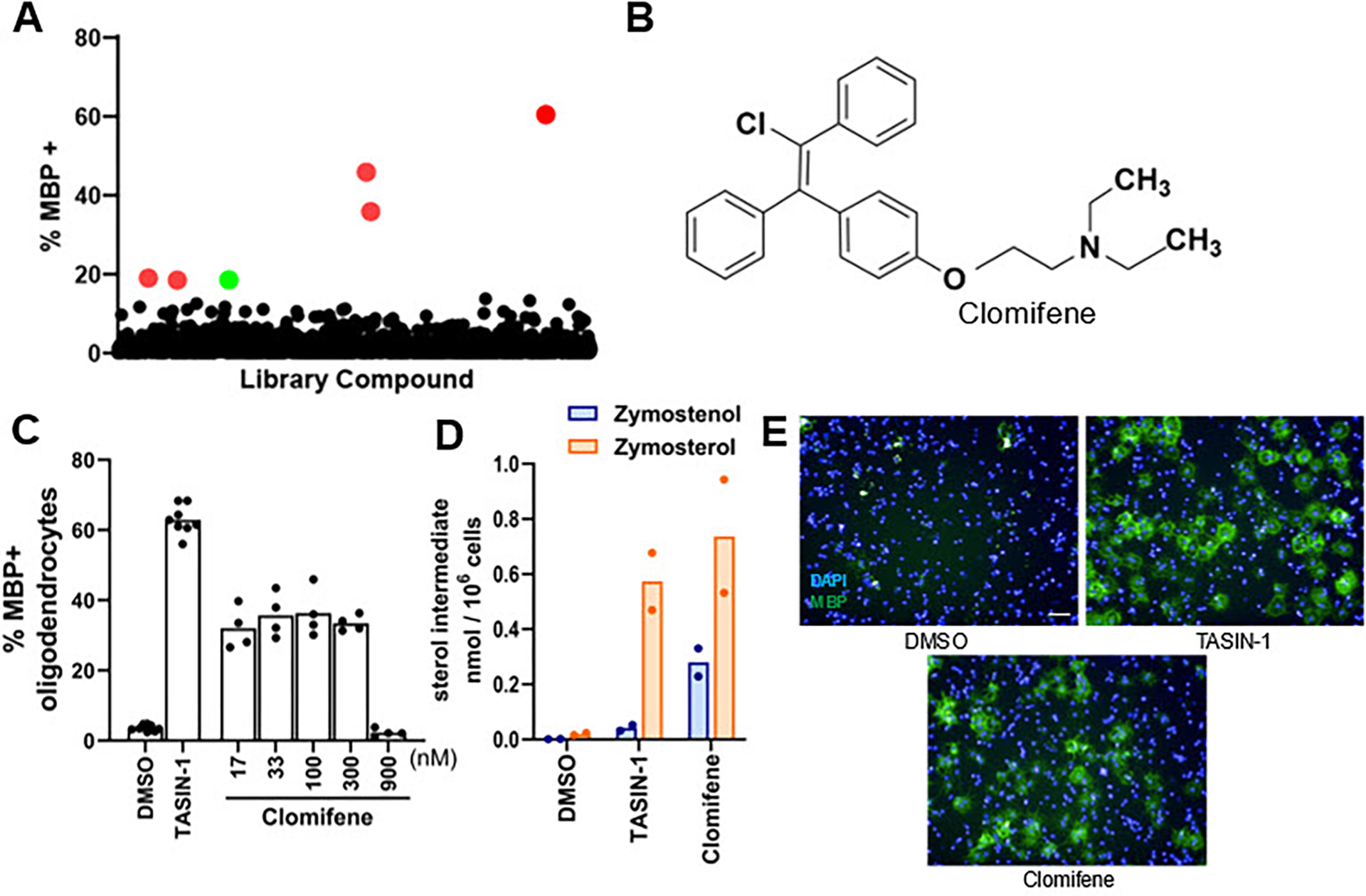
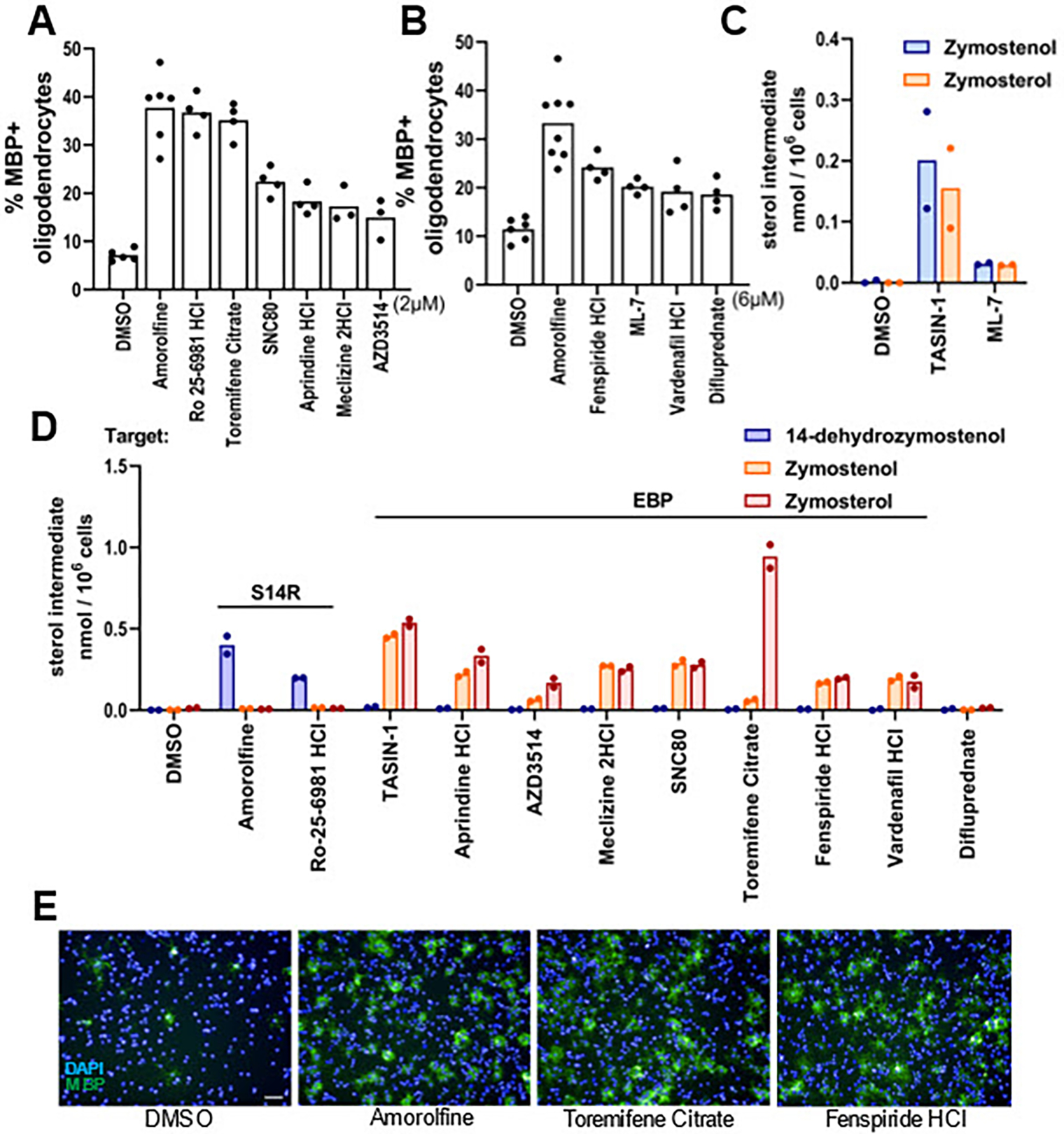
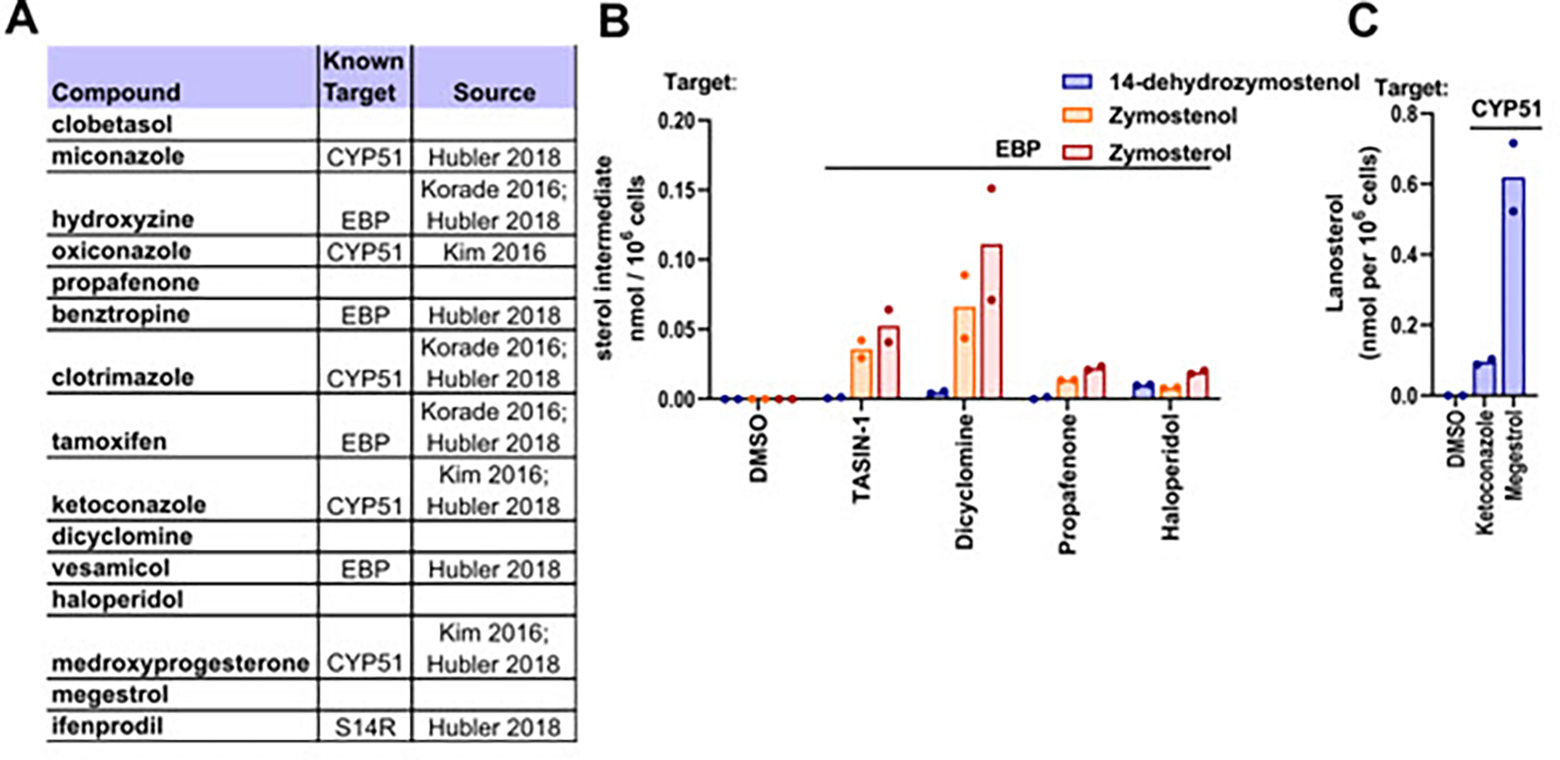
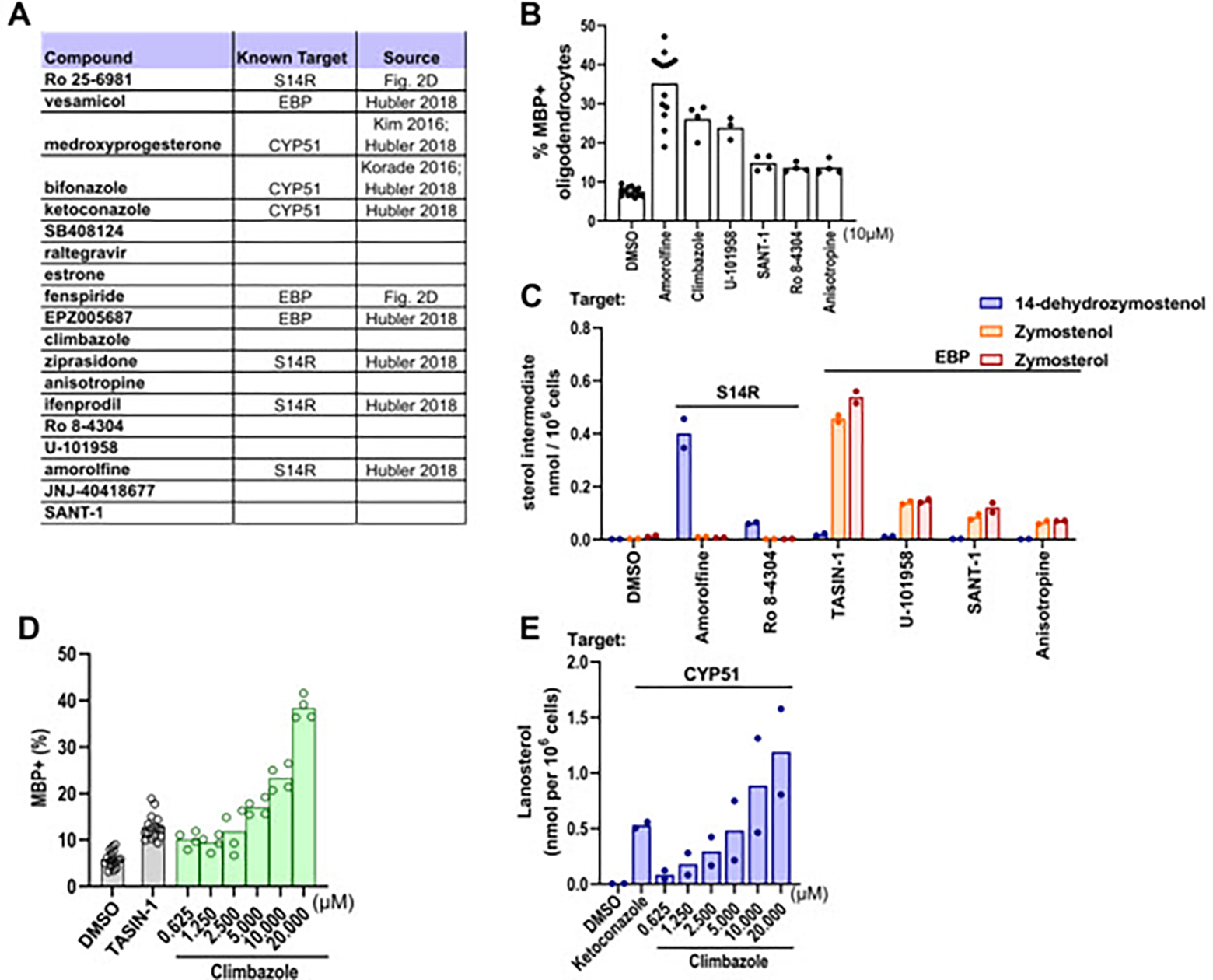
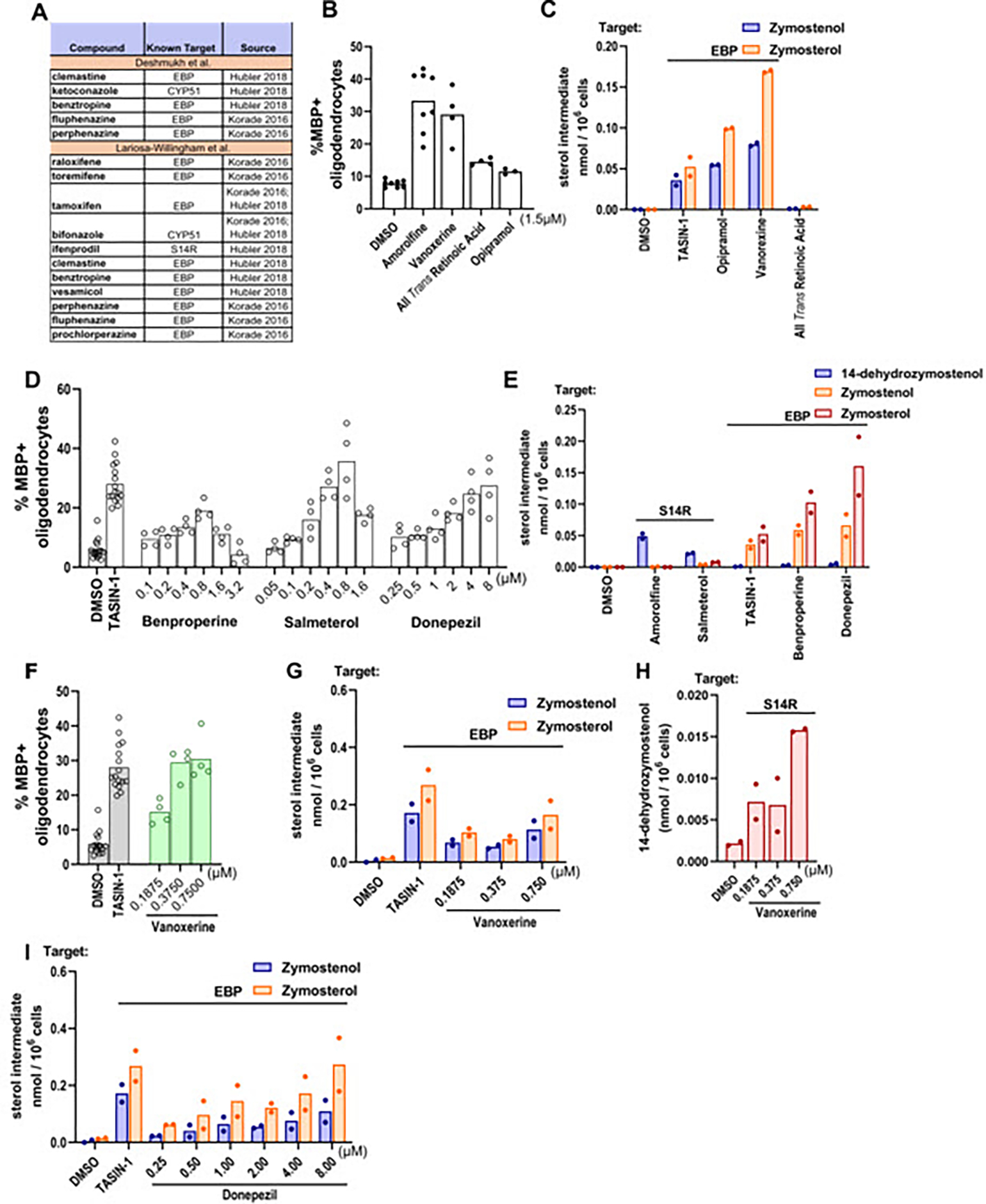
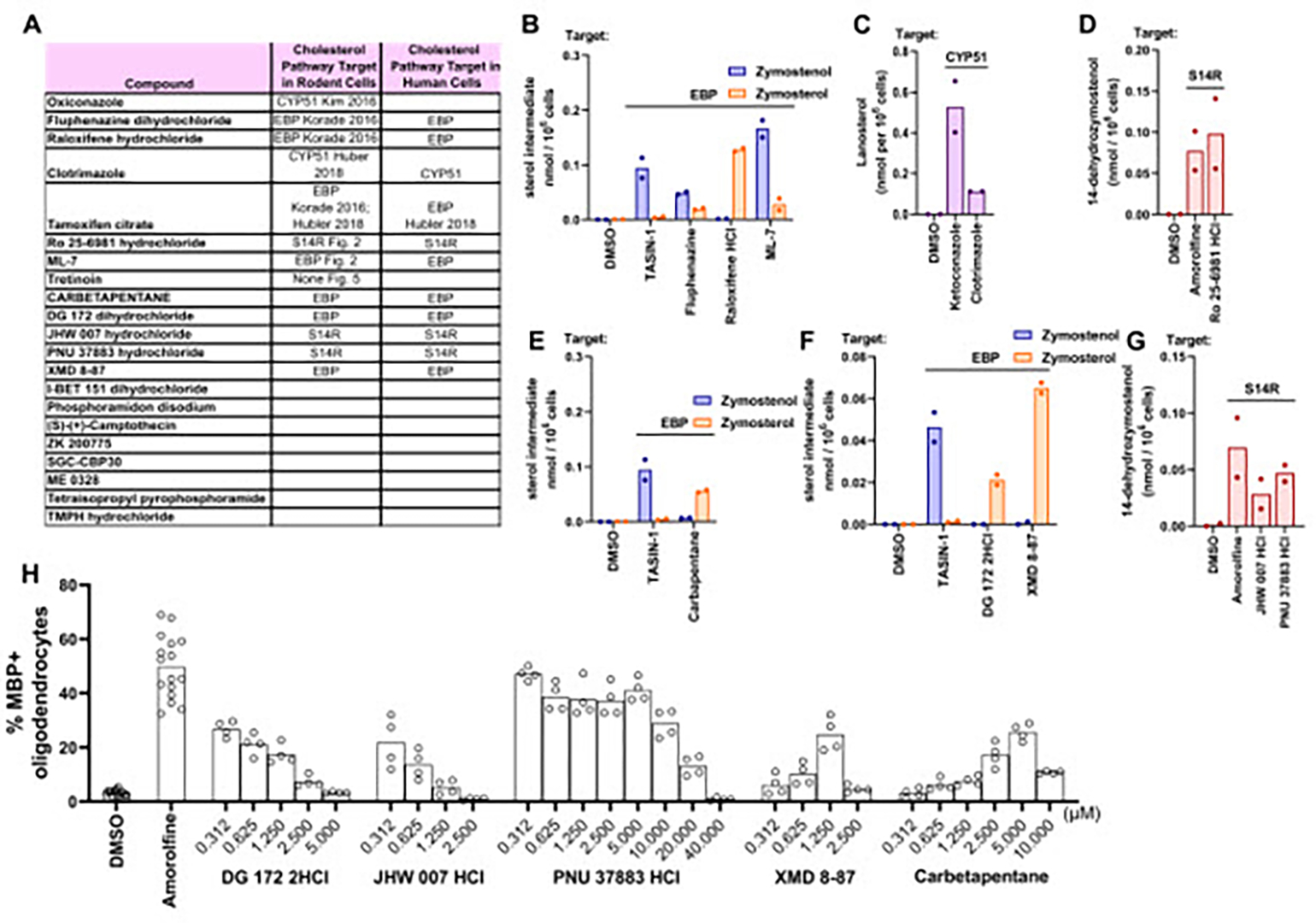
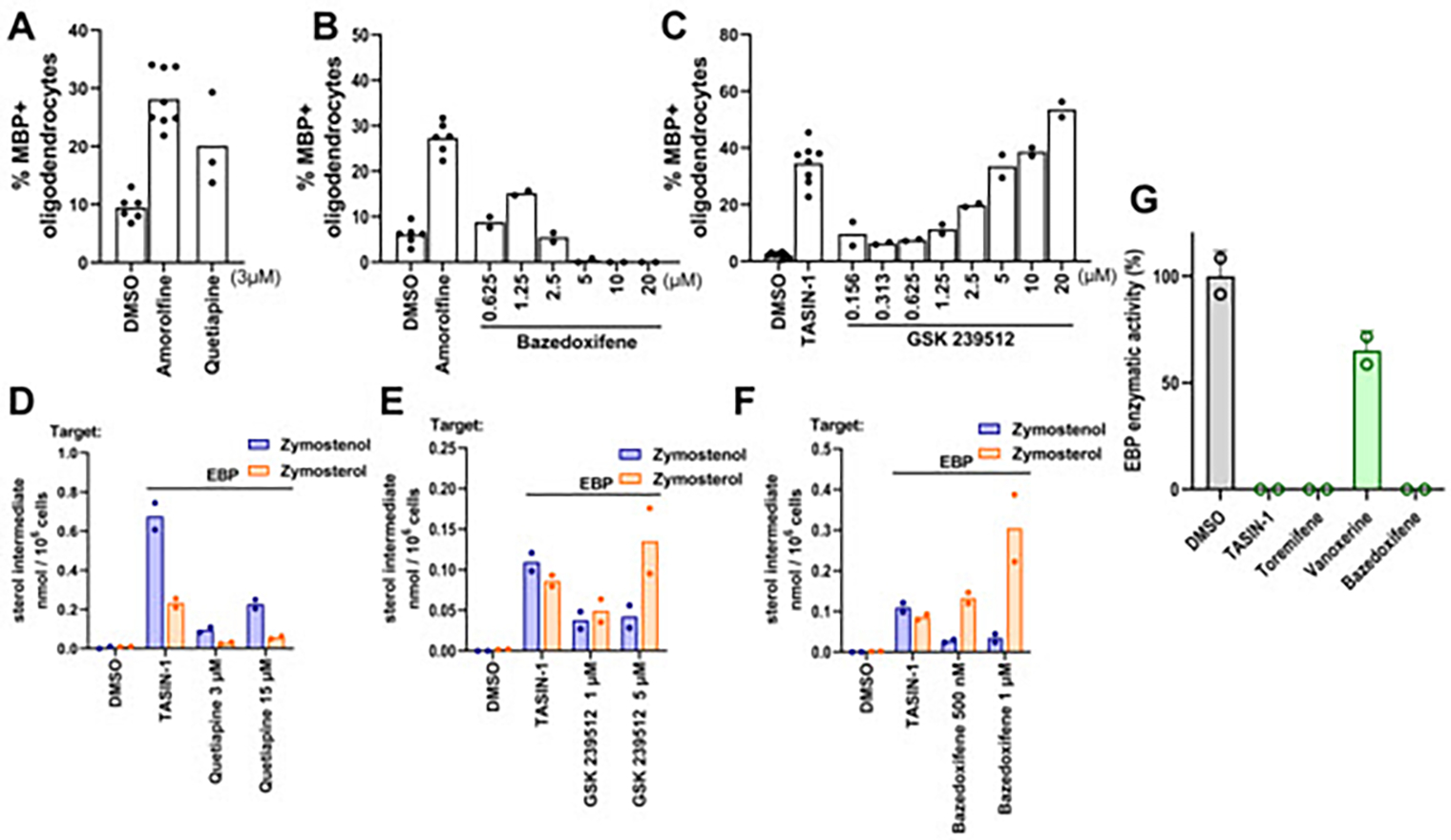
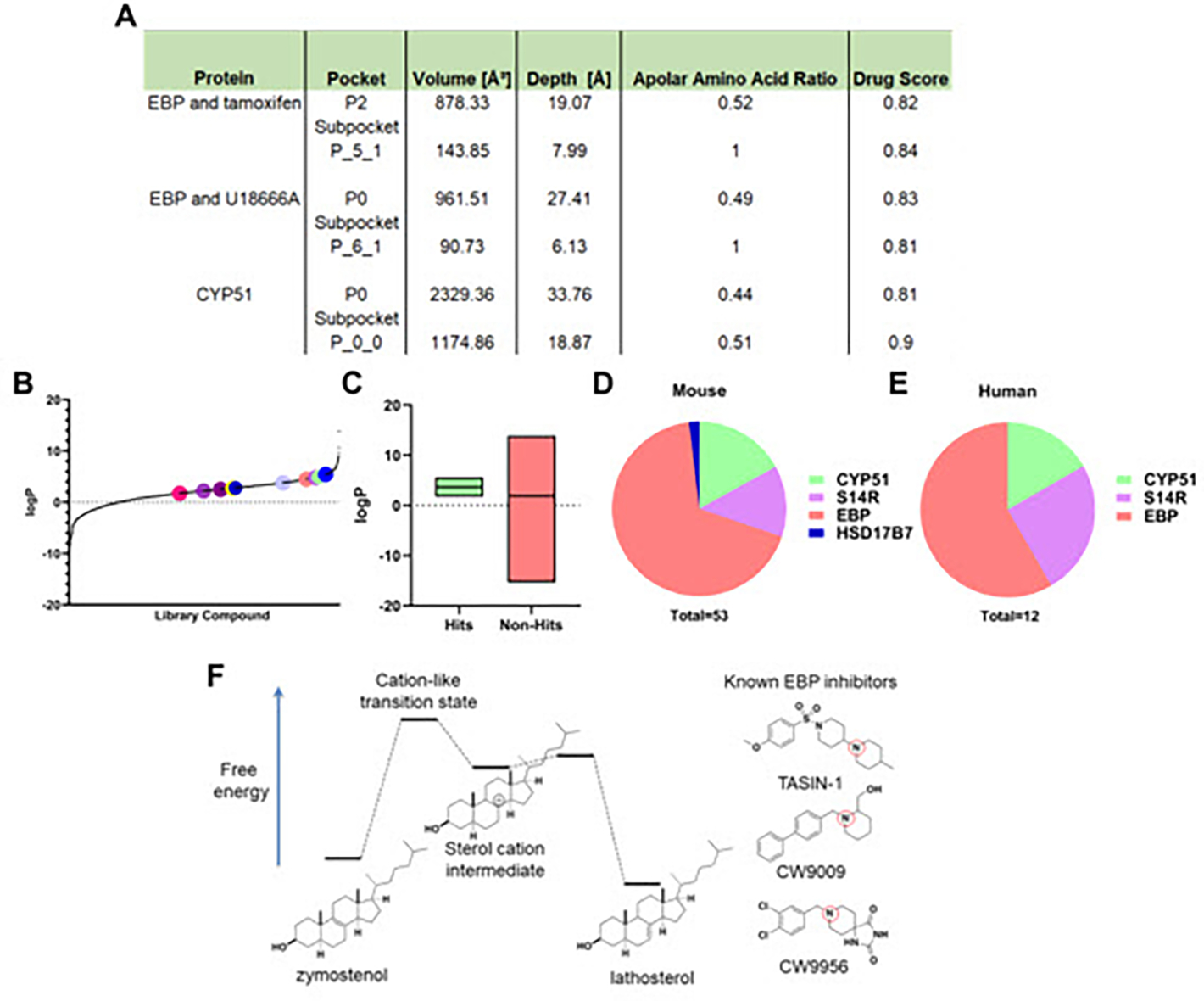
Regeneration of myelin in the central nervous system is being pursued as a potential therapeutic approach for multiple sclerosis. Several labs have reported small molecules that promote oligodendrocyte formation and remyelination in vivo. Recently, we reported that many such molecules function by inhibiting a narrow window of enzymes in the cholesterol biosynthesis pathway. Here we describe a new high-throughput screen of 1,836 bioactive molecules and a thorough re-analysis of more than 60 molecules previously identified as promoting oligodendrocyte formation from human, rat, or mouse oligodendrocyte progenitor cells. These studies highlight that an overwhelming fraction of validated screening hits, including several molecules being evaluated clinically for remyelination, inhibit cholesterol pathway enzymes like emopamil-binding protein (EBP). To rationalize these findings, we suggest a model that relies on the high druggability of sterol-metabolizing enzymes and the ability of cationic amphiphiles to mimic the transition state of EBP. These studies further establish cholesterol pathway inhibition as a dominant mechanism among screening hits that enhance human, rat, or mouse oligodendrocyte formation.
Conflict of interest statement
The authors declare the following competing interests: D.J.A. is a founder, consultant, director, and shareholder of Convelo Therapeutics, Inc., which seeks to develop remyelinating therapeutics. D.J.A is also an inventor on patents and patent applications that have been licensed to Convelo Therapeutics, Inc.
Figures
References
Publication types
MeSH terms
Substances
Grants and funding
LinkOut - more resources
Full Text Sources
