


Seminal plasma metabolomics and lipidomics profiling to identify signatures of pituitary stalk interruption syndrome
- PMID: 35841106
- PMCID: PMC9287950
- DOI: 10.1186/s13023-022-02408-4
Seminal plasma metabolomics and lipidomics profiling to identify signatures of pituitary stalk interruption syndrome
Abstract
Background: Pituitary stalk interruption syndrome (PSIS) is a rare disease caused by congenital pituitary anatomical defects. The underlying mechanisms remain unclear, and the diagnosis is difficult. Here, integrated metabolomics and lipidomics profiling were conducted to study the pathogenesis of PSIS.
Methods: Twenty-one patients with PSIS (BD group) and twenty-three healthy controls (HC group) were enrolled. Basal information and seminal plasma samples were collected. Untargeted metabolomics and lipidomics analyses were performed using ultraperformance liquid chromatography-quadrupole time-of-flight mass spectrometry (UPLC-QTOF-MS).
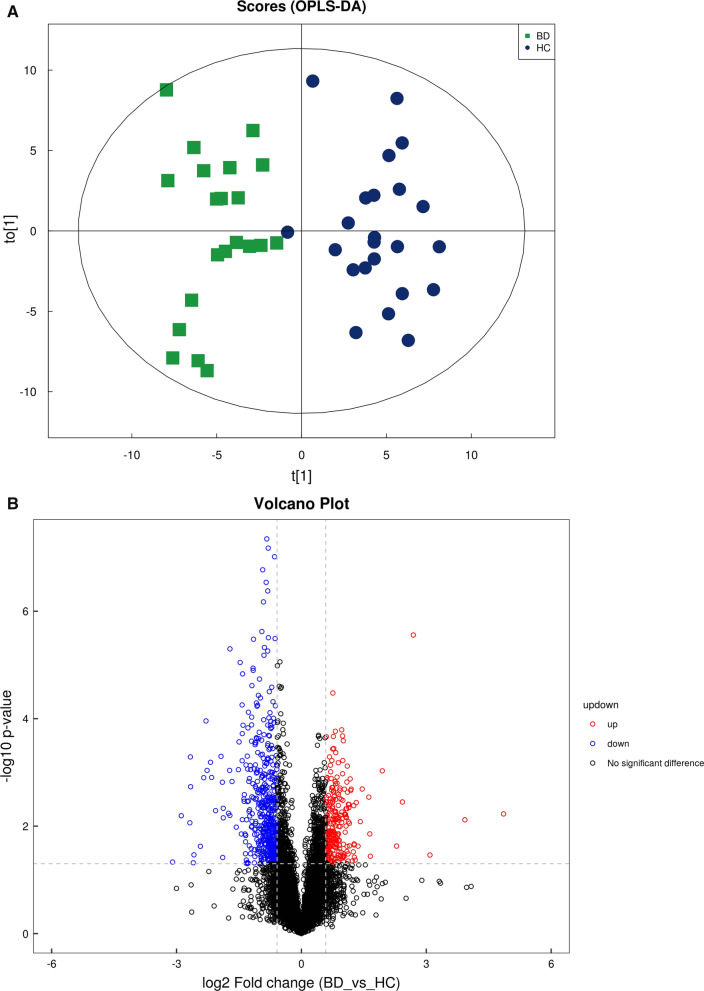
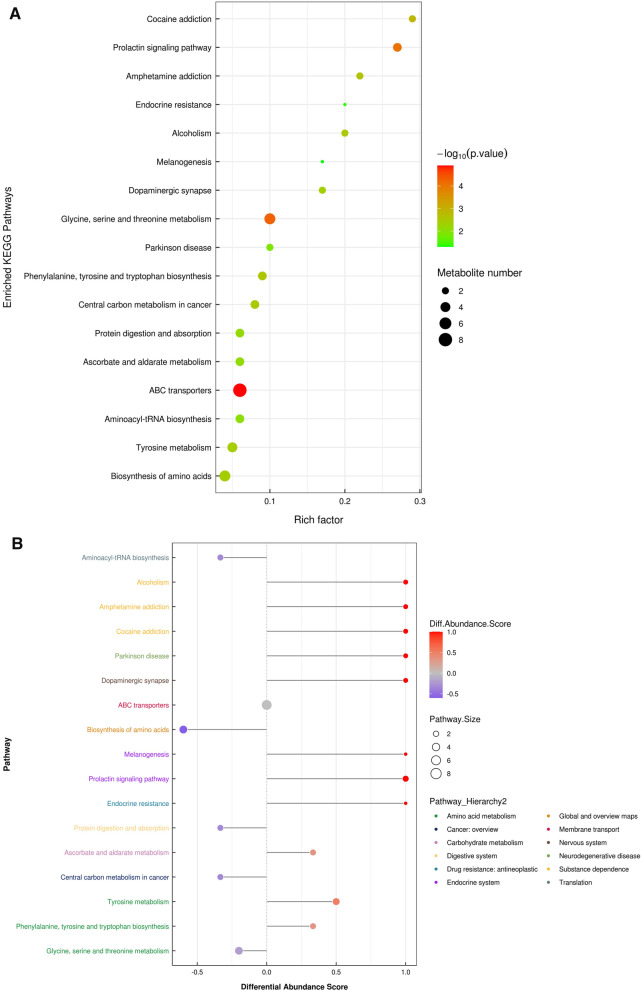
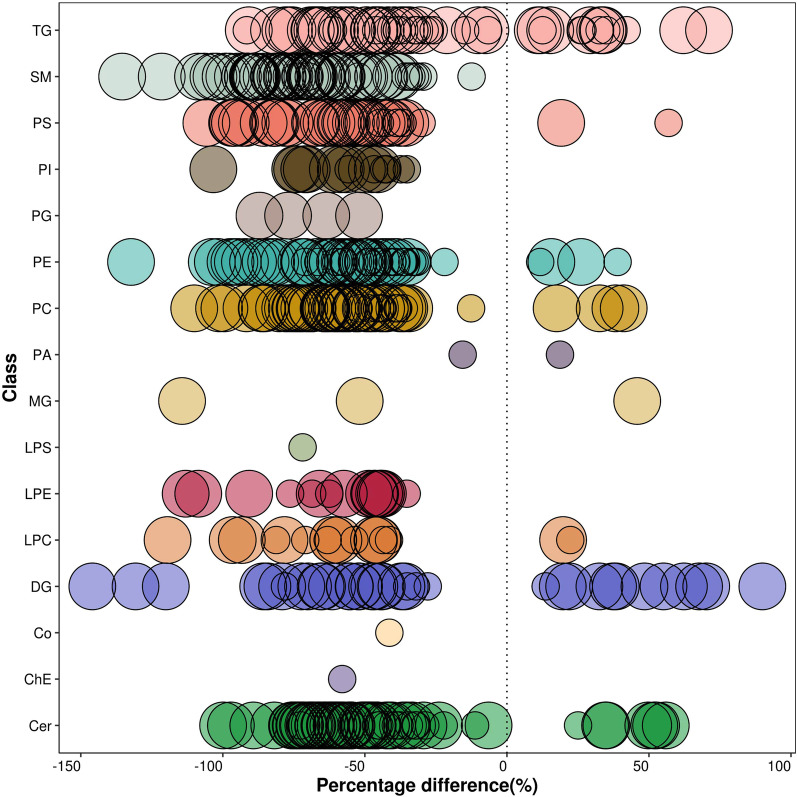
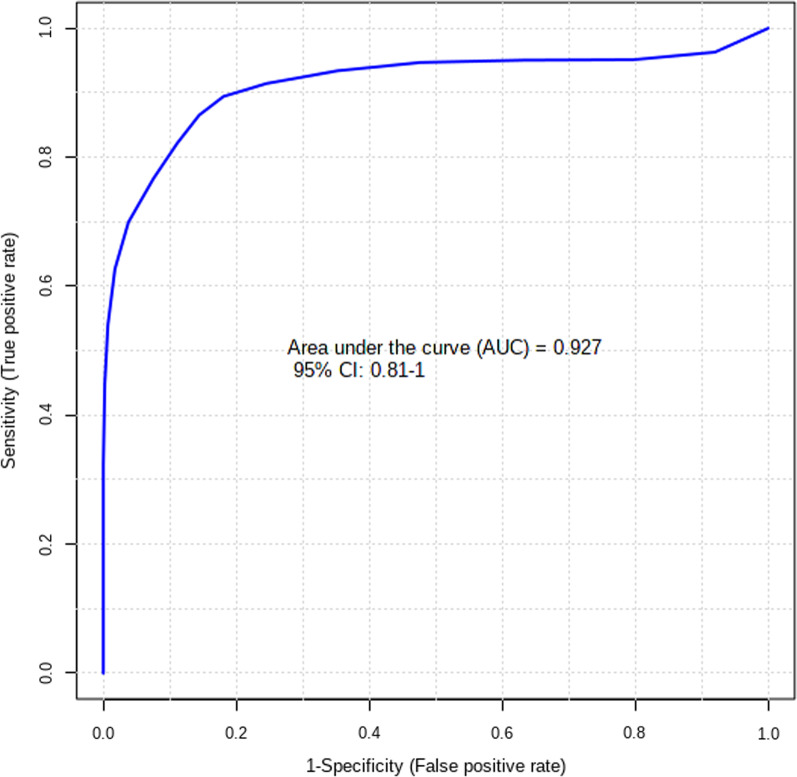
Results: The metabolomics and lipidomics profiles of patients with PSIS changed. The prolactin signaling pathway and biosynthesis of amino acids were the main differentially modified metabolic pathways. The main differentially modified metabolites were triacylglycerols (TGs), phosphatidylethanolamine (PE), sphingomyelin (SM), ceramide (Cer) and phosphatidylcholines (PCs). Pregnenolones and L-saccharopine could achieve a diagnosis of PSIS.
Conclusions: Pregnenolones and L-saccharopine are potential biomarkers for a PSIS diagnosis.
Keywords: Biomarker; Lipidomics; Metabolomics; Pituitary stalk interruption syndrome; Rare disease.
© 2022. The Author(s).
Conflict of interest statement
The authors declare that they have no competing interests.
Figures


References
-
- Wang CZ, Guo LL, Han BY, Su X, Guo QH, Mu YM. Pituitary stalk interruption syndrome: from clinical findings to pathogenesis. J Neuroendocrinol. 2017;29(1). - PubMed
Publication types
MeSH terms
LinkOut - more resources
Full Text Sources
