


Hesperidin ameliorates cisplatin induced hepatotoxicity and attenuates oxidative damage, cell apoptosis, and inflammation in rats
- PMID: 35844386
- PMCID: PMC9280168
- DOI: 10.1016/j.sjbs.2022.01.052
Hesperidin ameliorates cisplatin induced hepatotoxicity and attenuates oxidative damage, cell apoptosis, and inflammation in rats
Abstract
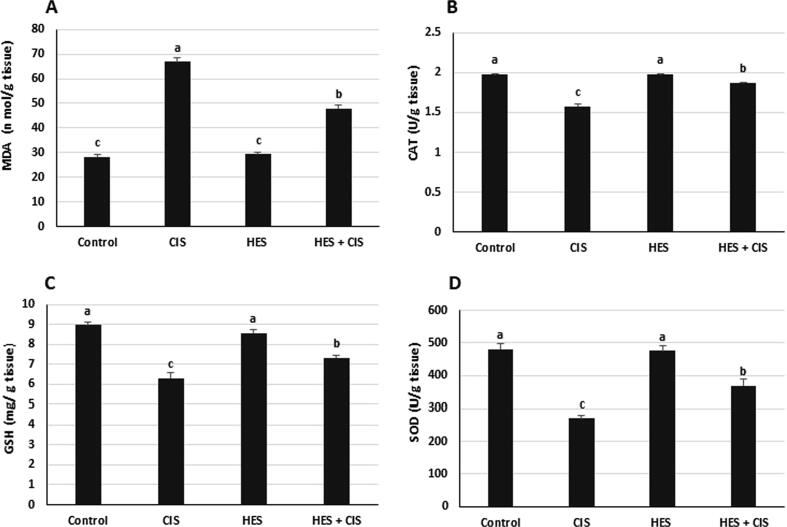
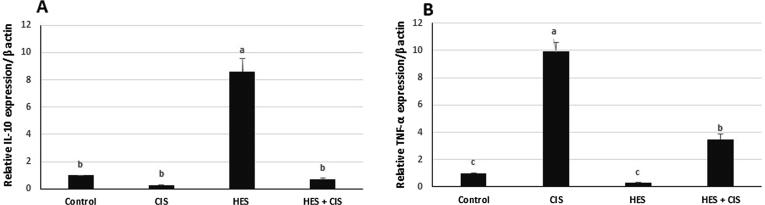
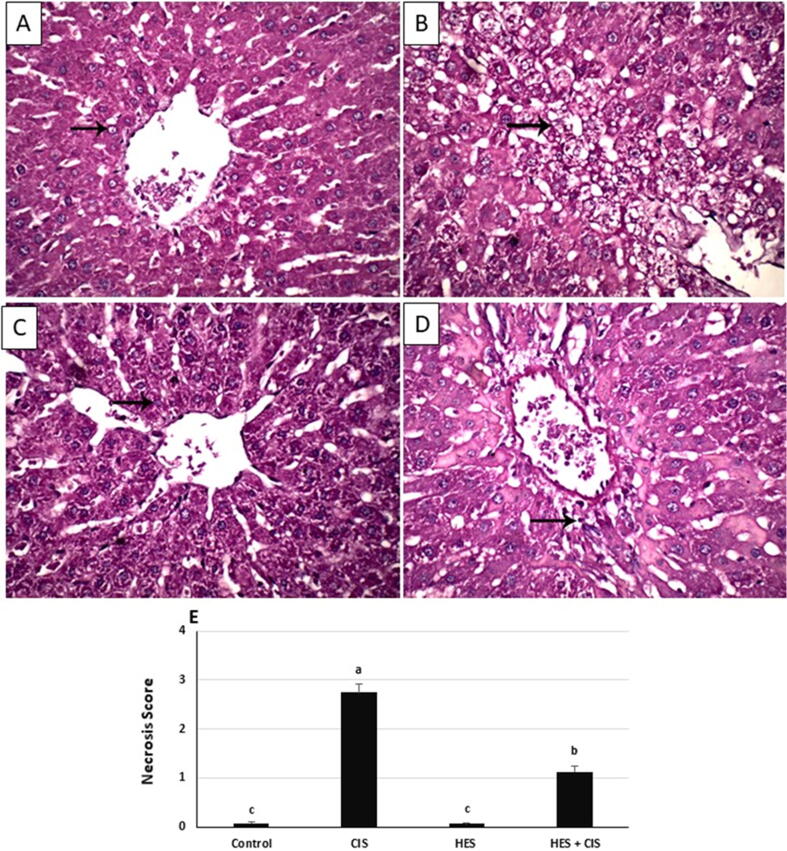
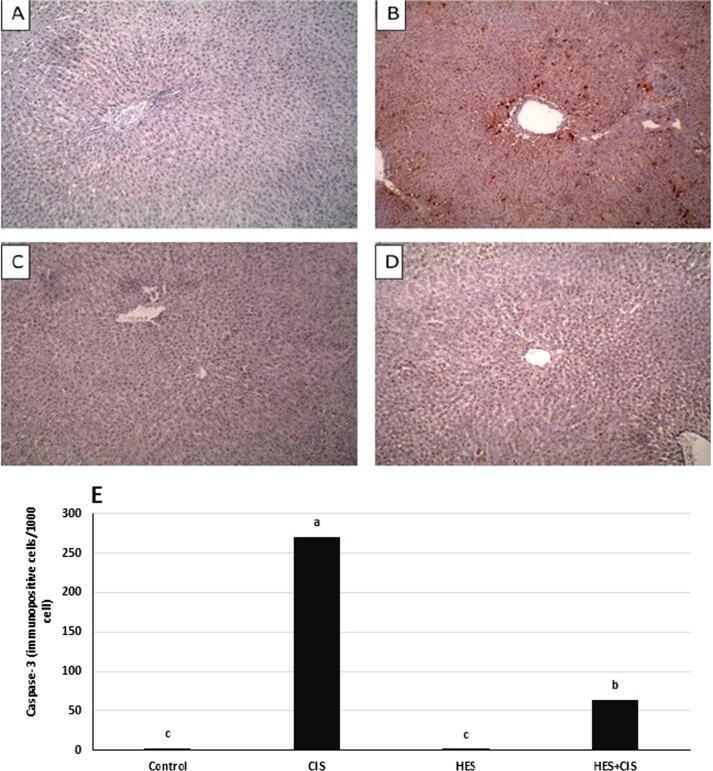
Cisplatin is one of the most widely used chemotherapeutic anti-cancer drugs that is associated with multiple systemic toxicities limiting its use. The present study aimed to evaluate the hepato-protective effect of hesperidin against cisplatin-induced toxicity. Thirty-two adult male albino rats were equally split into four groups, the first group served as control received normal saline, the second group (CIS) received a single intraperitoneal dose of cisplatin (7.5 mg/kg bw) on the 22nd day of the experiment, the third group (HES) treated once daily with hesperidin (200 mg/kg bw, orally) for 21 days, and the last group (HES + CIS) pretreated once daily with hesperidin followed by a single intraperitoneal dose of cisplatin. Twenty-four hours later, samples were collected for further investigations. CIS-intoxication resulted in a significant decrease in the erythrogram along with thrombocytopenia leukopenia, and lymphopenia. Furthermore, CIS administration significantly elevated serum activity of liver enzymes, total, and indirect bilirubin as well serum glucose, total cholesterol, and triglycerides levels, meanwhile serum total protein, and globulin levels were significantly reduced. The hepatic MDA was markedly elevated with a concomitant decline in the hepatic antioxidant enzymes and severe alterations in the hepatic tissue architecture in CIS-intoxicated rats. Additionally, CIS-induced overexpression of hepatic Bax, caspase-3, and TNF-α, with no effect on hepatic expression of IL-10. Interestingly, HES pretreatment improved the CIS-induced hemato-biochemical, molecular and histopathological alterations. In conclusion, hesperidin hepato-protective effects against CIS might be mediated by its antioxidant, anti-inflammatory, and anti-apoptotic properties.
Keywords: Apoptosis; Cisplatin; Hepatic oxidative stress; Hesperidin; Inflammation.
© 2022 The Author(s).
Conflict of interest statement
The authors declare that they have no known competing financial interests or personal relationships that could have appeared to influence the work reported in this paper.
Figures

References
-
- Adikay S., Spandana U., Bharathi K. Effect of hesperdin isolated from orange peels on cisplatin-induced nephrotoxicity. Int. J. Pharmacogn. Phytochem. Res. 2012;4:49–53.
-
- Akiyama S., Katsumata S.-I., Suzuki K., Nakaya Y., Ishimi Y., Uehara M. Hypoglycemic and Hypolipidemic Effects of Hesperidin and Cyclodextrin-Clathrated Hesperetin in Goto-Kakizaki Rats with Type 2 Diabetes. Biosci. Biotechnol. Biochem. 2009;73(12):2779–2782. - PubMed
-
- Apaydin F.G., KaltalioĞLu K., Balabanli B., Cevher Ş.C. Morin and hesperidin ameliorate cisplatin-induced hepatotoxicity and nephrotoxicity in rats: A histopathological study. Gazi University J. Sci. 2018;31:399–406.
-
- Bancroft J.D., Gamble M. Theory and Practice of Histological Techniques. sixth ed. Elsevier; 2008. Preface to the.
LinkOut - more resources
Full Text Sources
Research Materials
