


Community preferences for the allocation of scarce healthcare resources during the COVID-19 pandemic: a review of the literature
- PMID: 35849934
- PMCID: PMC9212404
- DOI: 10.1016/j.puhe.2022.06.004
Community preferences for the allocation of scarce healthcare resources during the COVID-19 pandemic: a review of the literature
Abstract
Objective: The purpose of this thematic review is to examine the literature on the publics' preferences of scarce medical resource allocation during COVID-19.
Study design: Literature review.
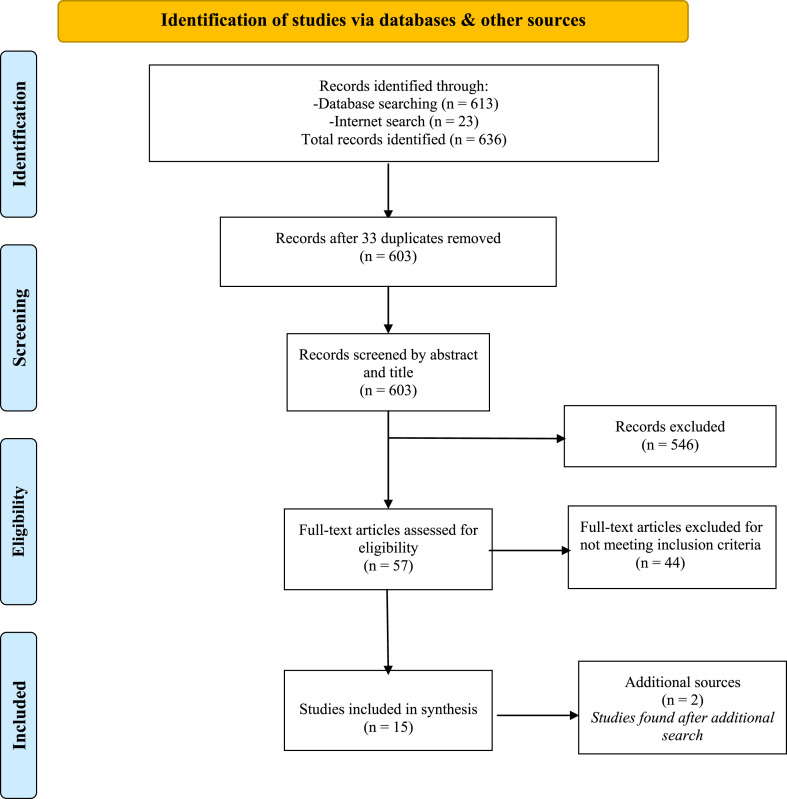
Methods: A review of Ovid MEDLINE, Embase, CINAHL and Scopus was performed between December 2019 and June 2022 for eligible articles.
Results: Fifteen studies using three methodologies and spanning five continents were included. Five key themes were identified: (1) prioritise the youngest; (2) save the most lives; (3) egalitarian allocation approaches; (4) prioritise healthcare workers; and (5) bias against particular groups. The public gave high priority to allocation that saved the most lives, particularly to patients who are younger and healthcare workers. Themes present but not supported as broadly were giving priority to individuals with disabilities, high frailty or those with behaviours that may have contributed to their ill-health (e.g. smokers). Allocation involving egalitarian approaches received the least support among community members.
Conclusion: The general public prefer rationing scarce medical resources in the COVID-19 pandemic based on saving the most lives and giving priority to the youngest and frontline healthcare workers rather than giving preference to patients with disabilities, frailty or perceived behaviours that may have contributed to their own ill-health. There is also little public support for allocation based on egalitarian strategies.
Keywords: COVID-19; Ethical principles; Healthcare allocation; Pandemic; Public preferences.
Copyright © 2022 The Royal Society for Public Health. Published by Elsevier Ltd. All rights reserved.
Conflict of interest statement
All authors declare that they have no financial, personal, or potential conflict of interest.
Figures
References
-
- COVID Live . 2022. Coronavirus statistics - worldometer. Cases and deaths from covid-19.https://www.worldometers.info/coronavirus/ (Viewed 20 April 2022)
-
- Emanuel E., Persad G., Upshur R., Thome B., Parker M., Glickman A., et al. Fair allocation of scarce medical resources in the time of covid-19. N Engl J Med. 2020;382(21):2049. - PubMed
-
- Rosenbaum L. Facing covid-19 in Italy - ethics, logistics, and therapeutics on the epidemic's front line.(perspective) N Engl J Med. 2020;382(20):1873. - PubMed
-
- White D., Lo B. A framework for rationing ventilators and critical care beds during the COVID-19 pandemic. JAMA. 2020;323(18):1773. - PubMed
Publication types
MeSH terms
LinkOut - more resources
Full Text Sources
Medical
