


LIPID transfer proteins regulate store-operated calcium entry via control of plasma membrane phosphoinositides
- PMID: 35853265
- PMCID: PMC9444960
- DOI: 10.1016/j.ceca.2022.102631
LIPID transfer proteins regulate store-operated calcium entry via control of plasma membrane phosphoinositides
Abstract
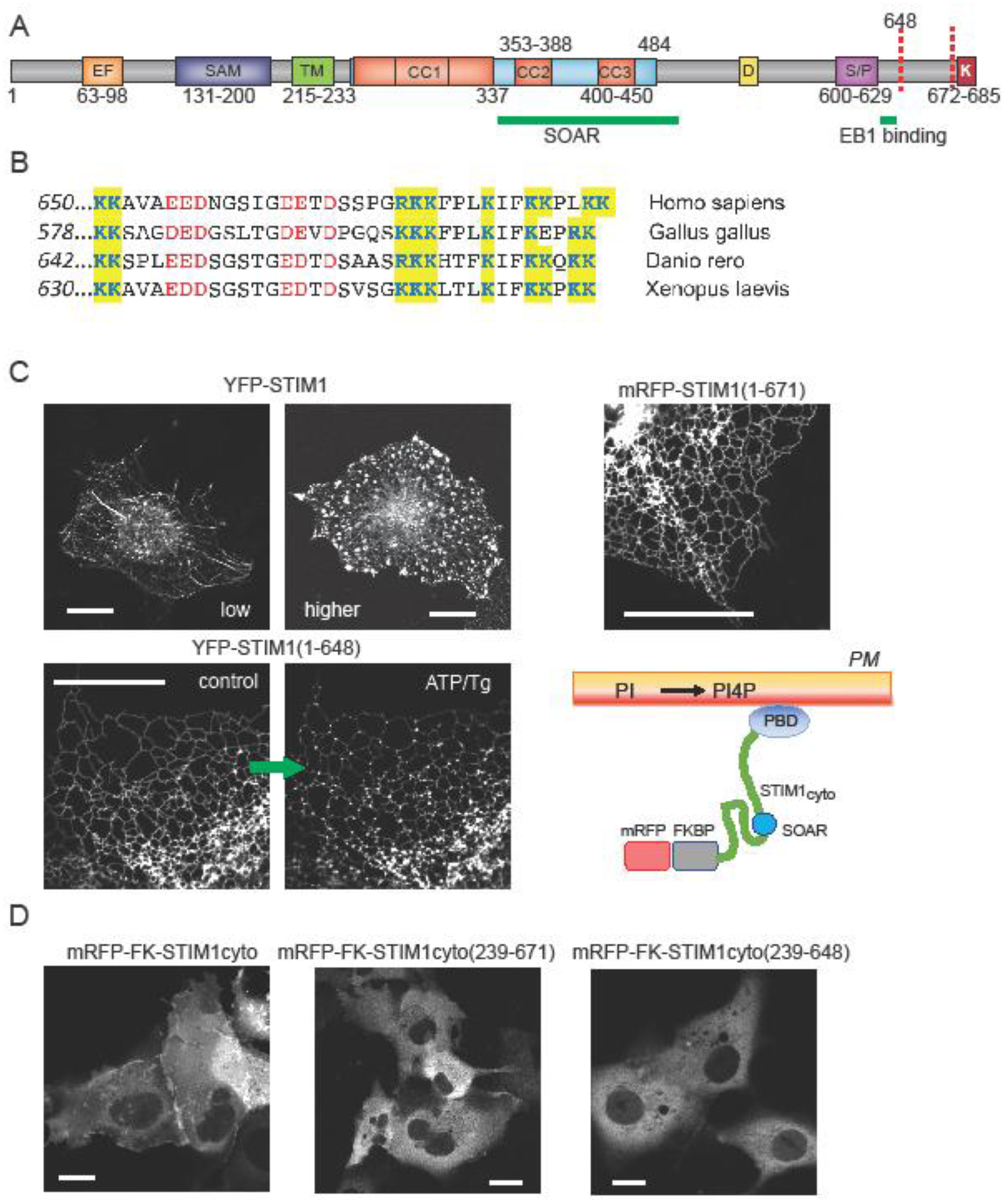
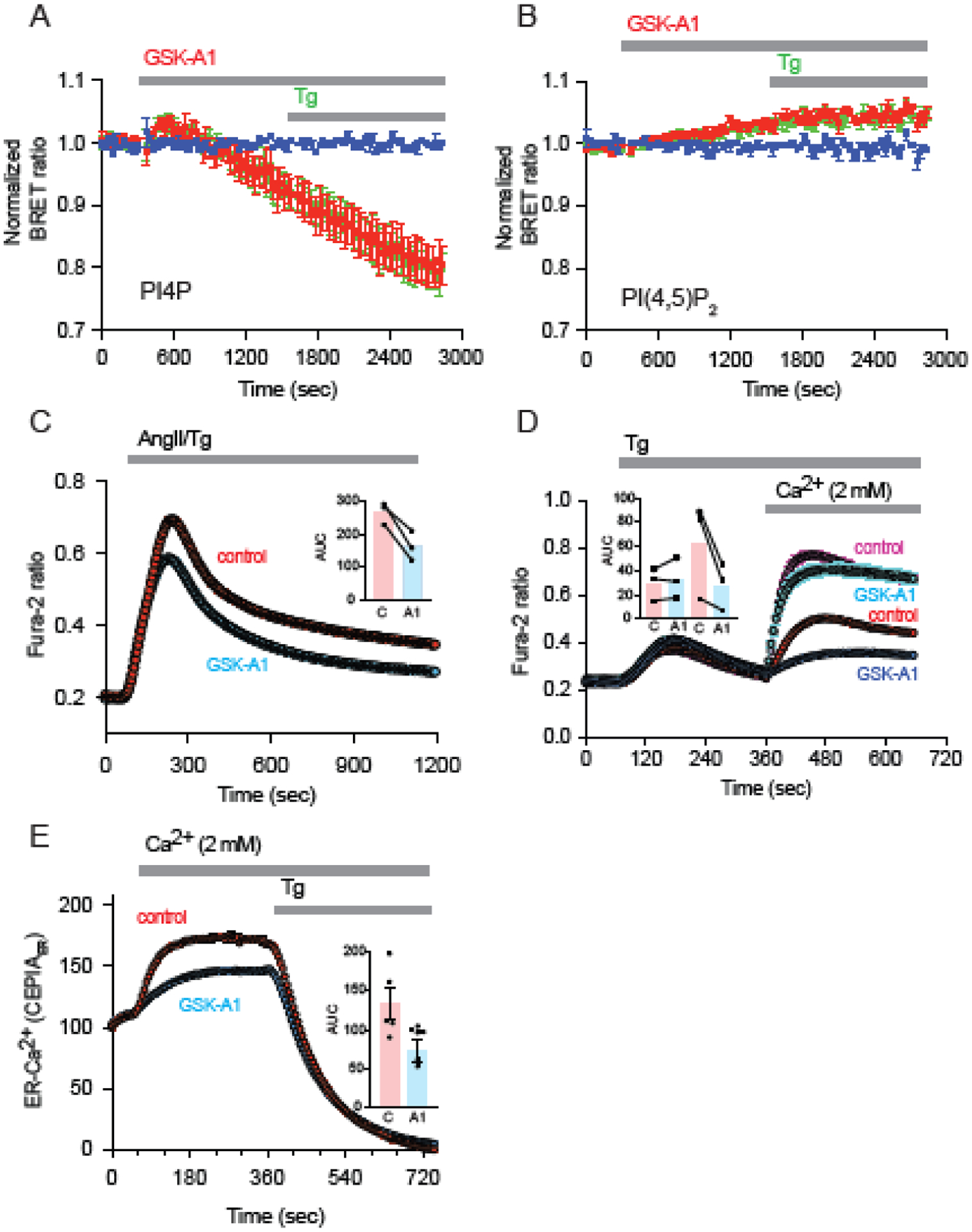
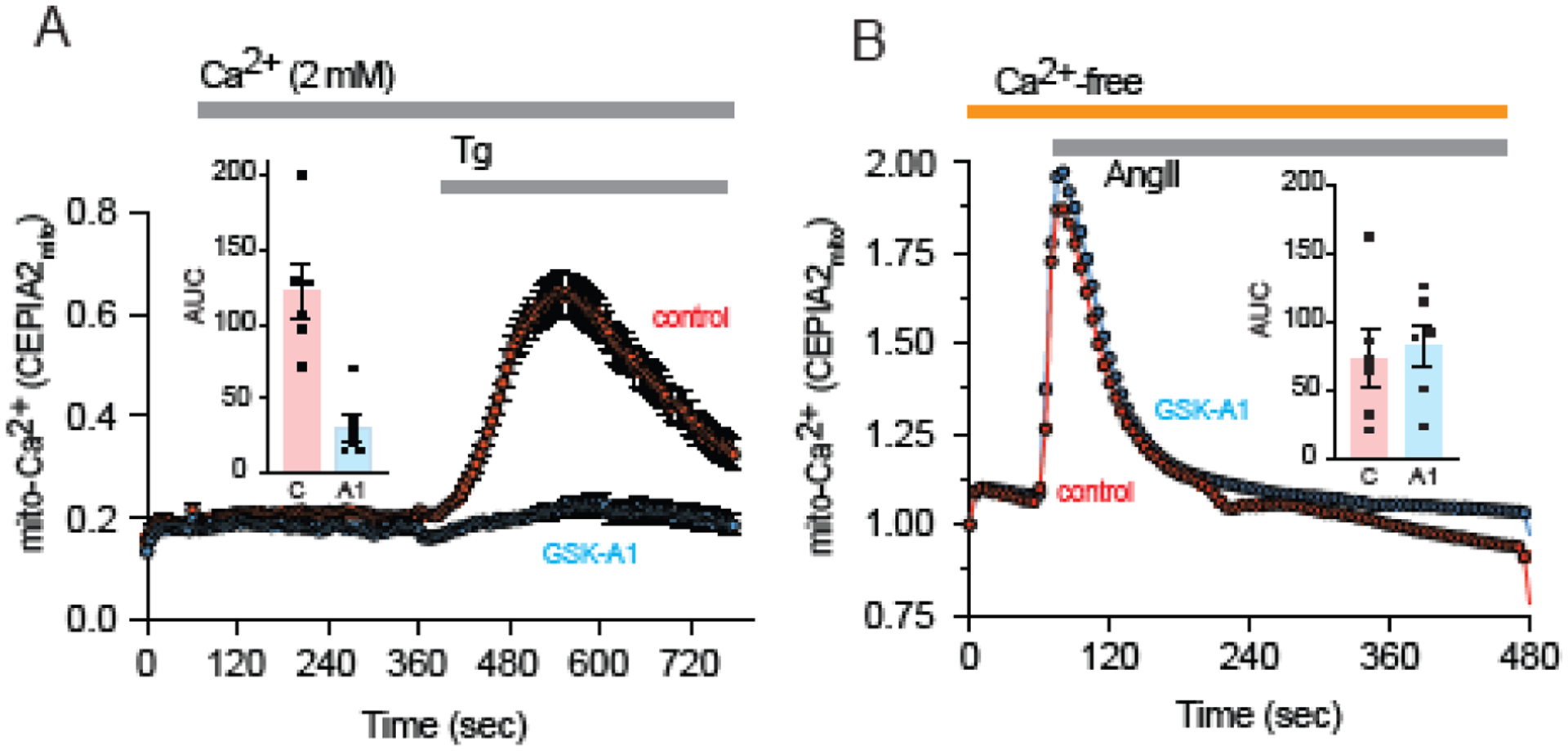
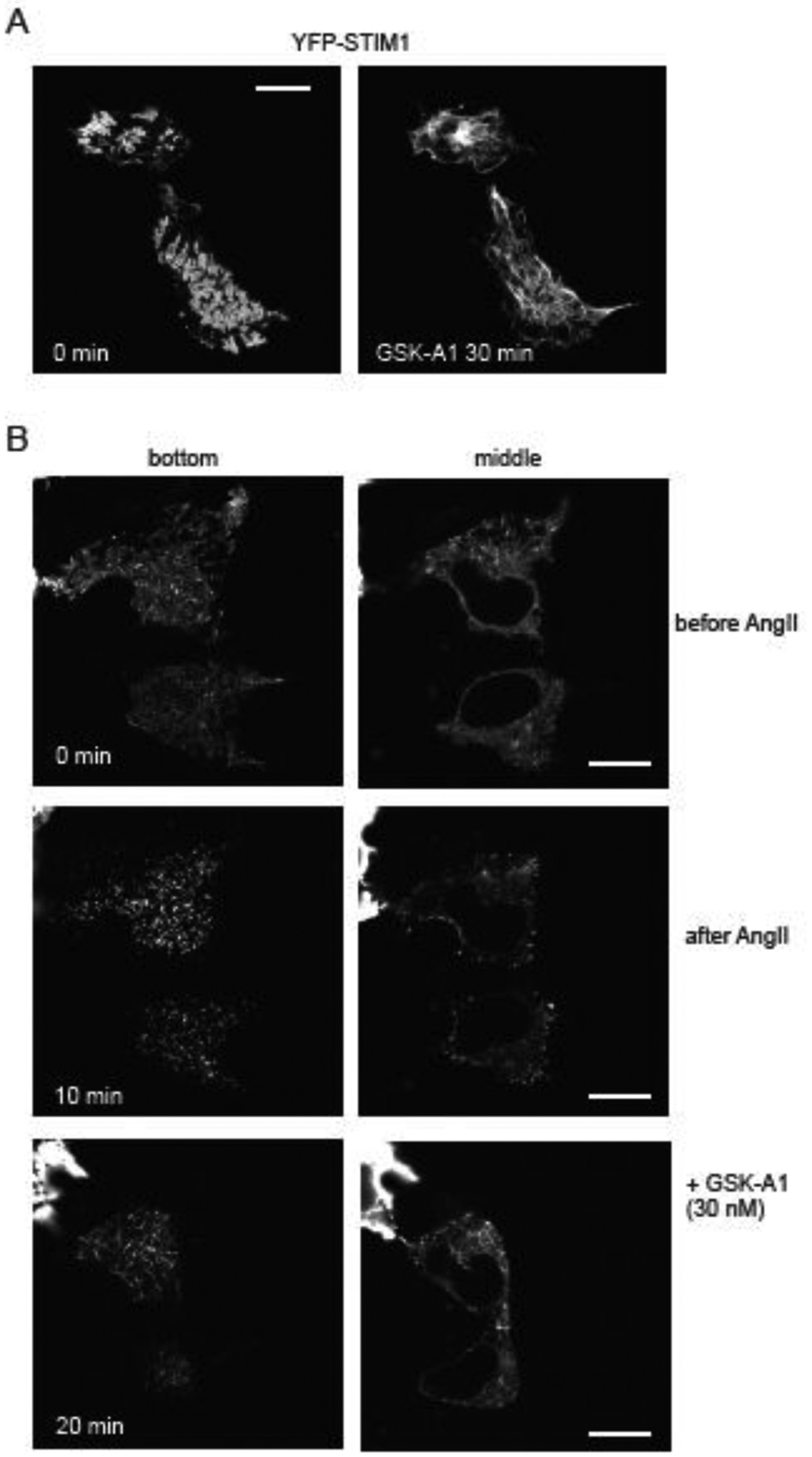
The ER-resident proteins STIM1 together with the plasma membrane (PM)-localized Orai1 channels constitute the molecular components of the store-operated Ca2+ entry (SOCE) pathway. Prepositioning of STIM1 to the peripheral ER close to the PM ensures its efficient interaction with Orai1 upon a decrease in the ER luminal Ca2+ concentration. The C-terminal polybasic domain of STIM1 has been identified as mediating the interaction with PM phosphoinositides and hence positions the molecule to ER-PM contact sites. Here we show that STIM1 requires PM phosphatidylinositol 4-phosphate (PI4P) for efficient PM interaction. Accordingly, oxysterol binding protein related proteins (ORPs) that work at ER-PM junctions and consume PI4P gradients exert important control over the Ca2+ entry process. These studies reveal an important connection between non-vesicular lipid transport at ER-PM contact sites and regulation of ER Ca2+store refilling.
Keywords: Calcium; ER; Lipid transfer proteins; Membrane contact sites; Phosphatidylinositol; Phosphoinositides; Plasma membrane.
Copyright © 2022. Published by Elsevier Ltd.
Conflict of interest statement
Declaration of Competing Interest
The authors declare that they have no conflict of interest pertinent to this study.
Figures
References
Publication types
MeSH terms
Substances
Grants and funding
LinkOut - more resources
Full Text Sources
Miscellaneous
