


Genomic and epigenetic landscapes drive CRISPR-based genome editing in Bifidobacterium
- PMID: 35857876
- PMCID: PMC9335239
- DOI: 10.1073/pnas.2205068119
Genomic and epigenetic landscapes drive CRISPR-based genome editing in Bifidobacterium
Abstract
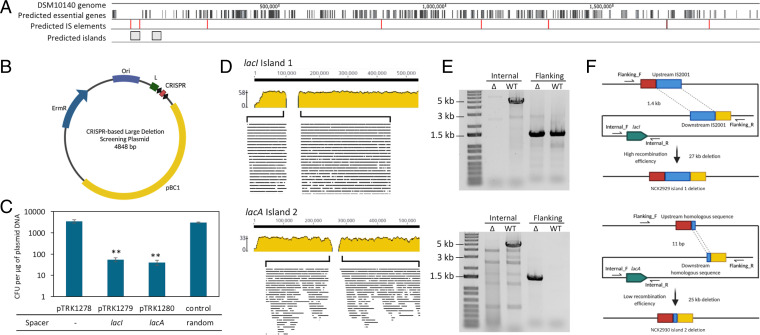
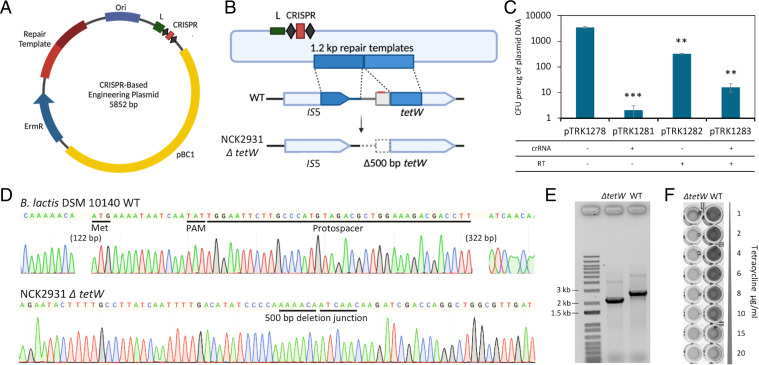
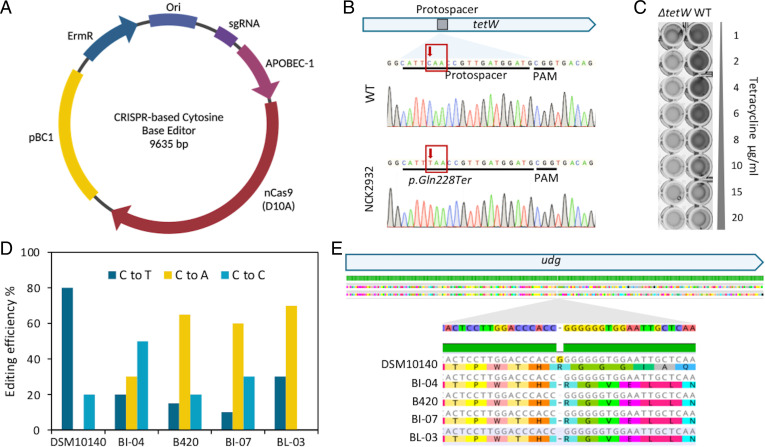
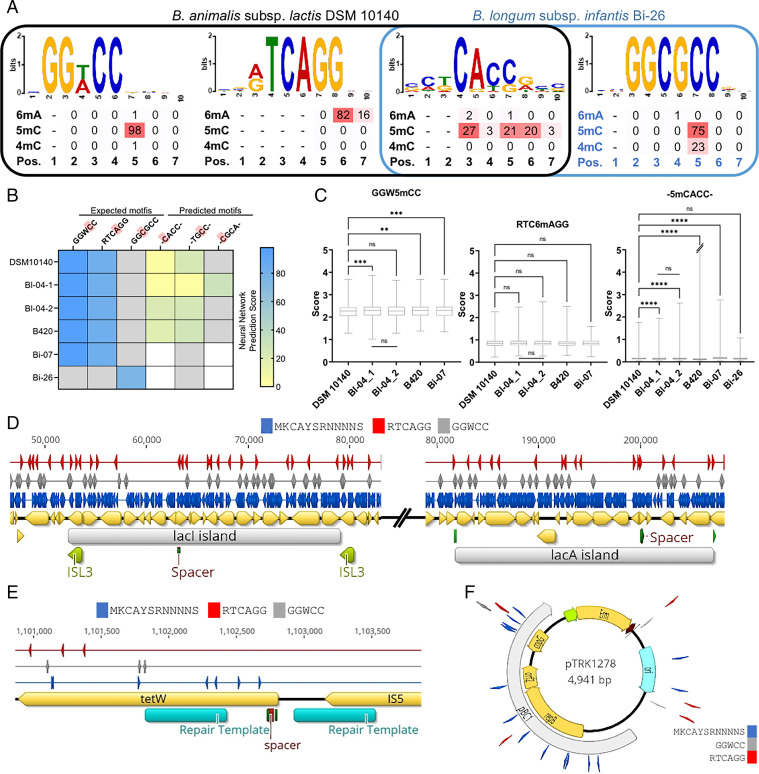
Bifidobacterium is a commensal bacterial genus ubiquitous in the human gastrointestinal tract, which is associated with a range of health benefits. The advent of CRISPR-based genome editing technologies provides opportunities to investigate the genetics of important bacteria and transcend the lack of genetic tools in bifidobacteria to study the basis for their health-promoting attributes. Here, we repurpose the endogenous type I-G CRISPR-Cas system and adopt an exogenous CRISPR base editor for genome engineering in B. animalis subsp. lactis, demonstrating that both genomic and epigenetic contexts drive editing outcomes across strains. We reprogrammed the endogenous type I-G system to screen for naturally occurring large deletions up to 27 kb and to generate a 500-bp deletion in tetW to abolish tetracycline resistance. A CRISPR-cytosine base editor was optimized to install C•G-to-T•A amber mutations to resensitize multiple B. lactis strains to tetracycline. Remarkably, we uncovered epigenetic patterns that are distributed unevenly among B. lactis strains, despite their genomic homogeneity, that may contribute to editing efficiency variability. Insights were also expanded to Bifidobacterium longum subsp. infantis to emphasize the broad relevance of these findings. This study highlights the need to develop individualized CRISPR-based genome engineering approaches for distinct bacterial strains and opens avenues for engineering of next generation probiotics.
Keywords: CRISPR-Cas; bifidobacterium; epigenomics; genomics; probiotics.
Conflict of interest statement
Competing interest statement: R.B., C.H.-C. and Y.J.G are inventors on several patents related to CRISPR-Cas systems and their uses. R.B. is a cofounder of Intellia Therapeutics, Locus Biosciences, TreeCo, CRISPR Biotechnologies and Ancilia Biosciences, and a shareholder of Caribou Biosciences, Inari Ag, Felix Biotechnologies, and Provaxus. C.H.-C. is a cofounder of Microviable Therapeutics and shareholder of CRISPR Biotechnologies. W.M. is employed by IFF Health & Biosciences, International Flavors and Fragrances, Inc., which commercializes probiotic products. R.B. and J.v.d.O. are co-authors on a 2018 news and views article and a 2020 review article.
Figures
References
-
- Fukuda S., et al. , Bifidobacteria can protect from enteropathogenic infection through production of acetate. Nature 469, 543–547 (2011). - PubMed
-
- O’Mahony L., et al. , Lactobacillus and bifidobacterium in irritable bowel syndrome: symptom responses and relationship to cytokine profiles. Gastroenterology 128, 541–551 (2005). - PubMed
-
- Henrick B. M., et al. , Bifidobacteria-mediated immune system imprinting early in life. Cell 184, 3884–3898.e11 (2021). - PubMed
Publication types
MeSH terms
LinkOut - more resources
Full Text Sources
