


Subthalamic deep brain stimulation for refractory Gilles de la Tourette's syndrome: clinical outcome and functional connectivity
- PMID: 35861855
- PMCID: PMC9553760
- DOI: 10.1007/s00415-022-11266-w
Subthalamic deep brain stimulation for refractory Gilles de la Tourette's syndrome: clinical outcome and functional connectivity
Erratum in
-
Correction: Subthalamic deep brain stimulation for refractory Gilles de la Tourette's syndrome: clinical outcome and functional connectivity.J Neurol. 2022 Nov;269(11):6127-6128. doi: 10.1007/s00415-022-11327-0. J Neurol. 2022. PMID: 35980469 Free PMC article. No abstract available.
Abstract
Background: Deep brain stimulation (DBS) is a promising novel approach for managing refractory Gilles de la Tourette's syndrome (GTS). The subthalamic nucleus (STN) is the most common DBS target for treating movement disorders, and smaller case studies have reported the efficacy of bilateral STN-DBS treatment for relieving tic symptoms. However, management of GTS and treatment mechanism of STN-DBS in GTS remain to be elucidated.
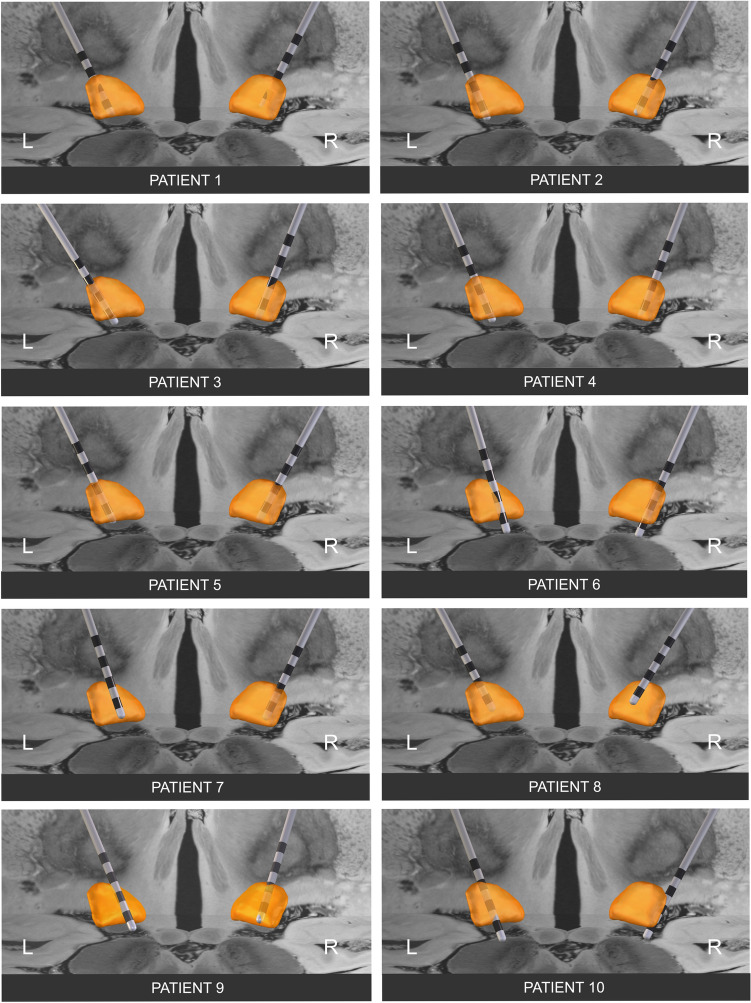
Methods: Ten patients undergoing STN-DBS were included. Tics severity was evaluated using the Yale Global Tic Severity Scale. The severities of comorbid psychiatric symptoms of obsessive-compulsive behavior (OCB), attention-deficit/hyperactivity disorder, anxiety, and depression; social and occupational functioning; and quality of life were assessed. Volumes of tissue activated were used as seed points for functional connectivity analysis performed using a control dataset.
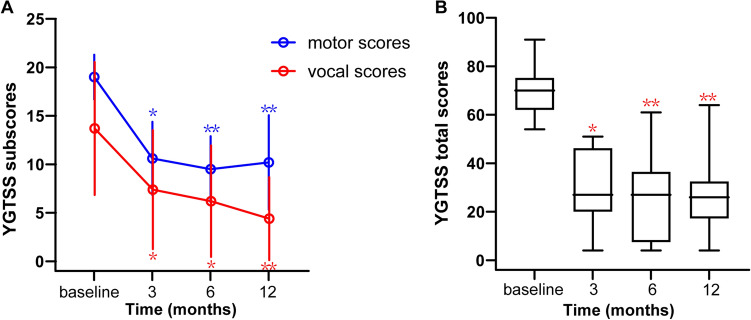
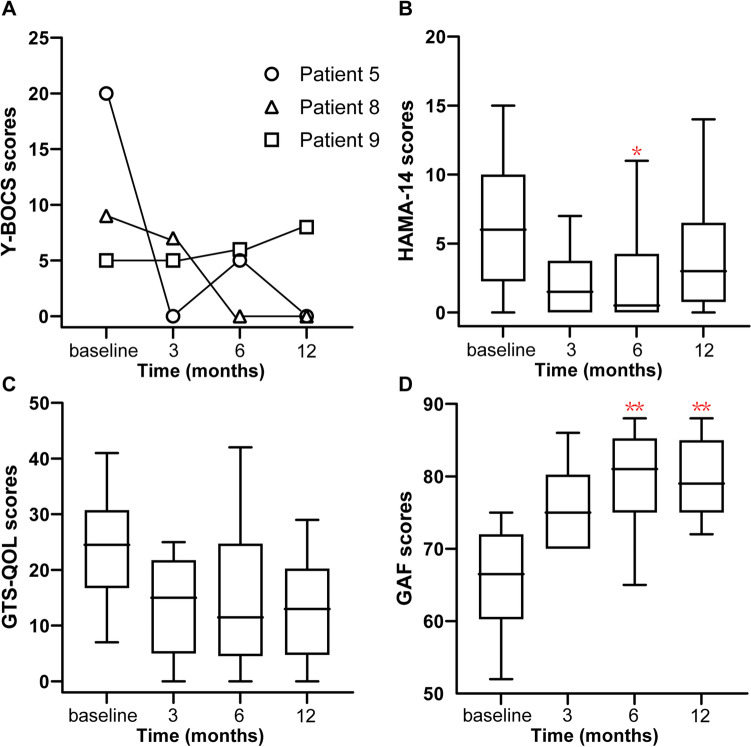
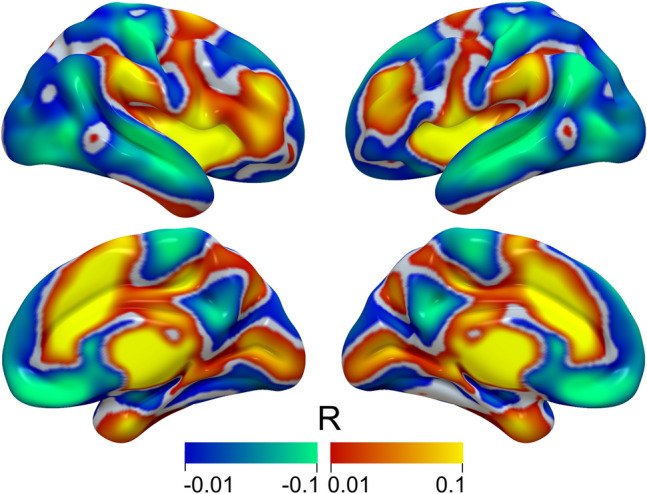
Results: The overall tics severity significantly reduced, with 62.9% ± 26.2% and 58.8% ± 27.2% improvements at the 6- and 12-months follow-up, respectively. All three patients with comorbid OCB showed improvement in their OCB symptoms at both the follow-ups. STN-DBS treatment was reasonably well tolerated by the patients with GTS. The most commonly reported side effect was light dysarthria. The stimulation effect of STN-DBS might regulate these symptoms through functional connectivity with the thalamus, pallidum, substantia nigra pars reticulata, putamen, insula, and anterior cingulate cortices.
Conclusions: STN-DBS was associated with symptomatic improvement in severe and refractory GTS without significant adverse events. The STN is a promising DBS target by stimulating both sensorimotor and limbic subregions, and specific brain area doses affect treatment outcomes.
Keywords: Clinical outcome; Deep brain stimulation; Functional connectivity; Gilles de la Tourette’s syndrome; Psychiatric comorbidity; Subthalamic nucleus.
© 2022. The Author(s).
Conflict of interest statement
The authors declare that they have no conflict of interest.
Figures
References
MeSH terms
Grants and funding
LinkOut - more resources
Full Text Sources
Medical
Miscellaneous
