


Prone restraint cardiac arrest in in-custody and arrest-related deaths
- PMID: 35869602
- PMCID: PMC9546229
- DOI: 10.1111/1556-4029.15101
Prone restraint cardiac arrest in in-custody and arrest-related deaths
Abstract
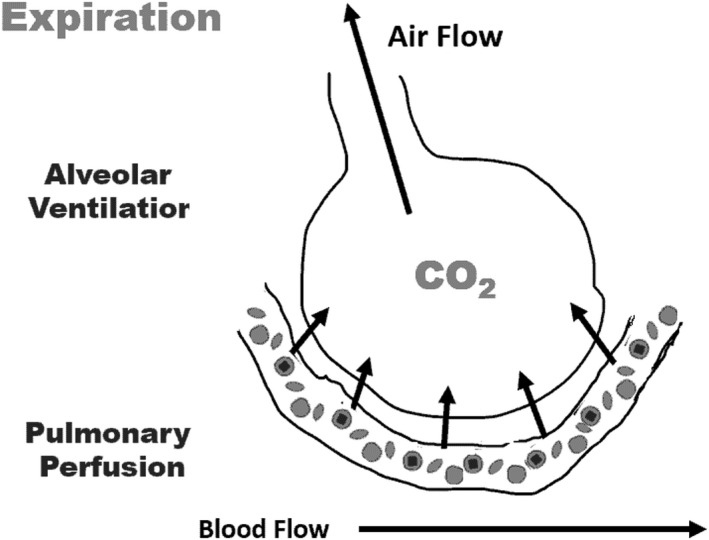
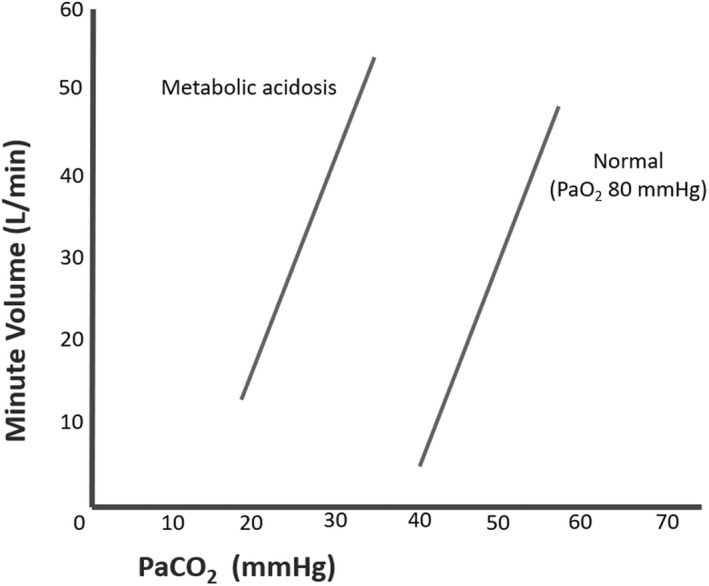
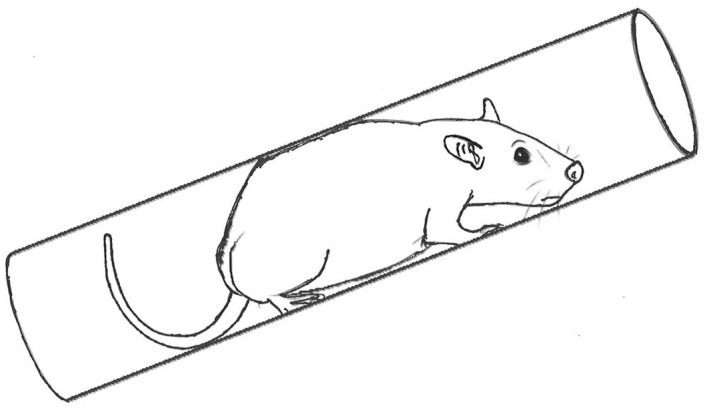
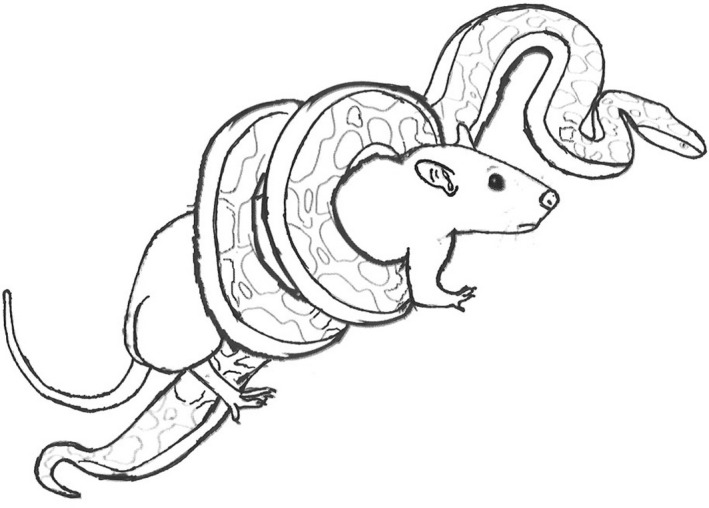
We postulate that most atraumatic deaths during police restraint of subjects in the prone position are due to prone restraint cardiac arrest (PRCA), rather than from restraint asphyxia or a stress-induced cardiac condition, such as excited delirium. The prone position restricts ventilation and diminishes pulmonary perfusion. In the setting of a police encounter, metabolic demand will be high from anxiety, stress, excitement, physical struggle, and/or stimulant drugs, leading to metabolic acidosis and requiring significant hyperventilation. Although oxygen levels may be maintained, prolonged restraint in the prone position may result in an inability to adequately blow off CO2 , causing blood pCO2 levels to rise rapidly. The uncompensated metabolic acidosis (low pH) will eventually result in loss of myocyte contractility. The initial electrocardiogram rhythm will generally be either pulseless electrical activity (PEA) or asystole, indicating a noncardiac etiology, more consistent with PRCA and inconsistent with a primary role of any underlying cardiac pathology or stress-induced cardiac etiology. We point to two animal models: in one model rats unable to breathe deeply due to an external restraint die when their metabolic demand is increased, and in the other model, pressure on the chest of rats results in decreased venous return and cardiac arrest rather than death from asphyxia. We present two cases of subjects restrained in the prone position who went into cardiac arrest and had low pHs and initial PEA cardiac rhythms. Our cases demonstrate the danger of prone restraint and serve as examples of PRCA.
Keywords: George Floyd; arrest-related deaths (ARDs); autopsy; excited delirium; forensic pathology; in-custody deaths; metabolic acidosis; police-involved deaths; positional asphyxia; prone restraint; restraint asphyxia; sudden cardiac death.
© 2022 The Authors. Journal of Forensic Sciences published by Wiley Periodicals LLC on behalf of American Academy of Forensic Sciences.
Conflict of interest statement
The authors have no conflicts to report, except that A.S. is involved as a consultant in civil litigation involving ARD cases. The authors have received no financial support to produce this work.
Figures
Comment in
-
Commentary on: Prone restraint cardiac arrest in in-custody and arrest-related deaths. J Forensic Sci. 2022;67(5):1899-914. doi: 10.1111/1556-4029.15101.J Forensic Sci. 2023 Jan;68(1):359-360. doi: 10.1111/1556-4029.15159. Epub 2022 Oct 28. J Forensic Sci. 2023. PMID: 36308010 No abstract available.
References
-
- Beaumont P, Jones S. ‘Guilty, guilty, guilty’: World’s media react to Chauvin trial verdict. The Guardian. 2021 Apr 21. https://www.theguardian.com/us‐news/2021/apr/21/guilty‐world‐media‐chauv.... Accessed 24 Jan 2022.
-
- Harris CJ. Police use of improper force: A systematic review of the evidence. NCJ 232516. 2009. https://www.ojp.gov/ncjrs/virtual‐library/abstracts/police‐use‐improper‐.... Accessed 24 Jan 2022.
-
- Banks D, Planty M, Couzens L, Lee P, Brooks C, Scott KM, et al. Arrest‐related deaths program: pilot study of redesigned survey methodology. NCJ 252675. 2019. https://www.ojp.gov/ncjrs/virtual‐library/abstracts/arrest‐related‐death.... Accessed 24 Jan 2022.
MeSH terms
LinkOut - more resources
Full Text Sources
Medical
