


Cancer genes and cancer stem cells in tumorigenesis: Evolutionary deep homology and controversies
- PMID: 35873035
- PMCID: PMC9293697
- DOI: 10.1016/j.gendis.2022.03.010
Cancer genes and cancer stem cells in tumorigenesis: Evolutionary deep homology and controversies
Abstract
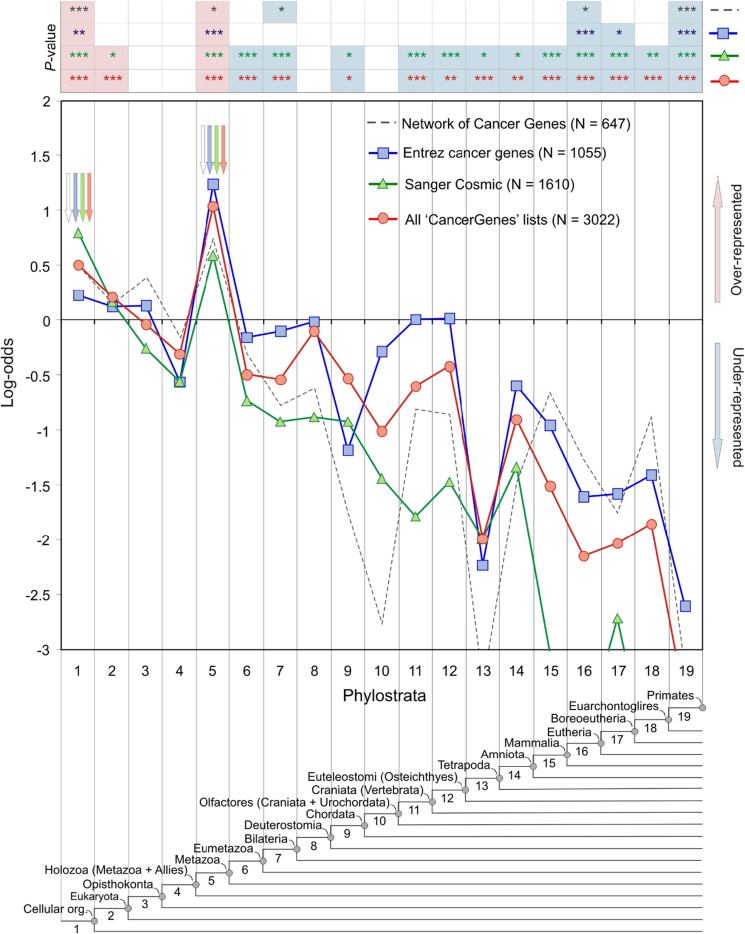
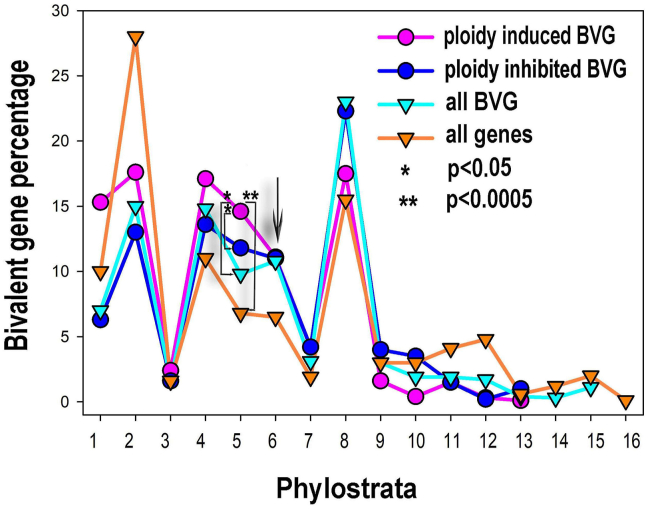
In the past, contradictory statements have been made about the age of cancer genes. While phylostratigraphic studies suggest that cancer genes emerged during the transitional period from unicellularians (UC) to early metazoans (EM), life cycle studies suggest that they arose earlier. This controversy could not be resolved. Phylostratigraphic methods use data from somatic tumor gene collections containing or lacking polyploidy genes (PGCC genes) and compare them to genes from evolutionary node taxa. I analyze whether the selected taxa are suitable to resolve the above contradiction or not. Both cancer and amoebae life cycles have a reproductive asexual germline that produces germline stem cells (GSCs) and somatic cell lines that cannot. When the germline loses its reproductive function, the soma-to-germ transition forms a new reproductive germline. The reproductive polyploidy of cancer is homologous to the reproductive polyploidy of unicellular cysts. PGCCs repair DNA defects, reorganize the involved genome architecture and produce new GSCs. The present study refutes the dogma of the early metazoan origin of cancer. Cancer has a unicellular life cycle that was adopted by early metazoans to rescue themselves from evolutionary dead ends. Early metazoans controlled the unicellular life cycle through suppressor and anti-suppressor genes that could suspend or reactivate it. They are the archetypes of tumor suppressor genes and oncogenes. Cells of mammalians and humans that reach a similar impasse as early metazoans can reactivate the conserved life cycle of unicellularians.
Keywords: CSCs; Cancer; EMT; Entamoeba; Gene age; Life cycle; PGCC; Polyploidy.
© 2022 Chongqing Medical University. Production and hosting by Elsevier B.V.
Conflict of interest statement
The author declares no conflict of interests.
Figures
References
-
- Kreisman R. Deep homology opens up new possibilities for gene research. 2010. https://www.robertkreisman.com/medicalmalpractice-lawyer/deep_homology_o... preprint at.
-
- Niculescu V.F. aCLS cancers: genomic and epigenetic changes transform the cell of origin of cancer into a tumorigenic pathogen of unicellular organization and lifestyle. Gene. 2020;726:144174. - PubMed
-
- Niculescu V.F. Germline evolution in cancer as explained by the germ and soma theory of dual cell systems. J Clin Anat Pathol. 2021;6(1):113.
Publication types
LinkOut - more resources
Full Text Sources
Miscellaneous
