


Efficacy of Kinematic Parameters for Assessment of Temporomandibular Joint Function and Disfunction: A Systematic Review and Meta-Analysis
- PMID: 35877320
- PMCID: PMC9311583
- DOI: 10.3390/bioengineering9070269
Efficacy of Kinematic Parameters for Assessment of Temporomandibular Joint Function and Disfunction: A Systematic Review and Meta-Analysis
Abstract
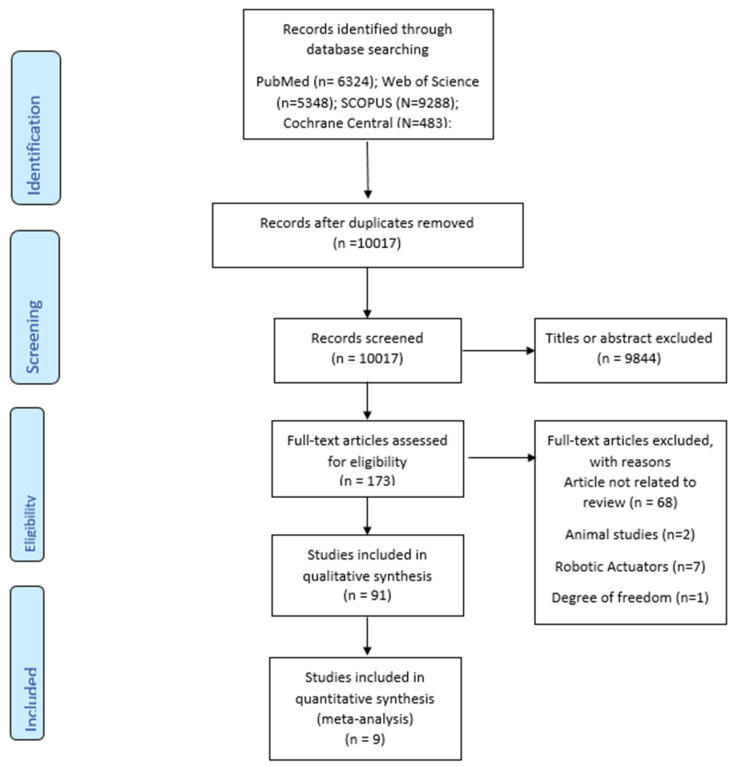
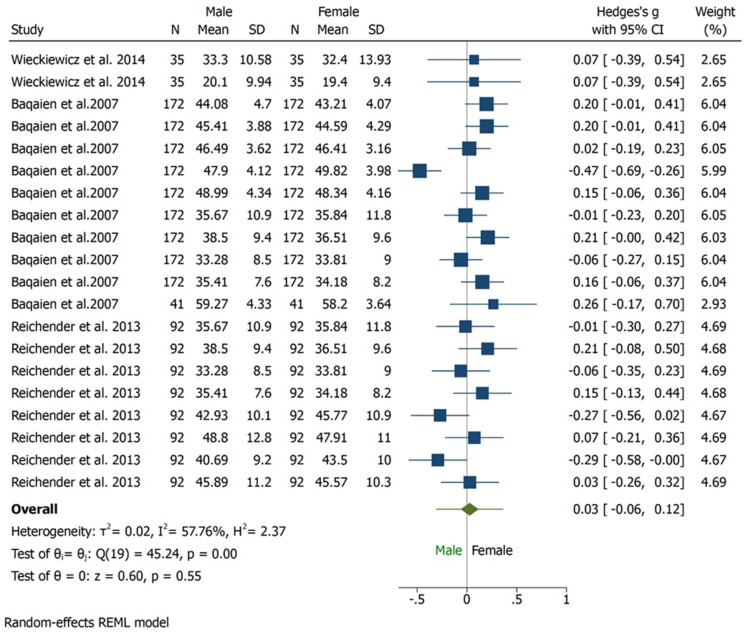
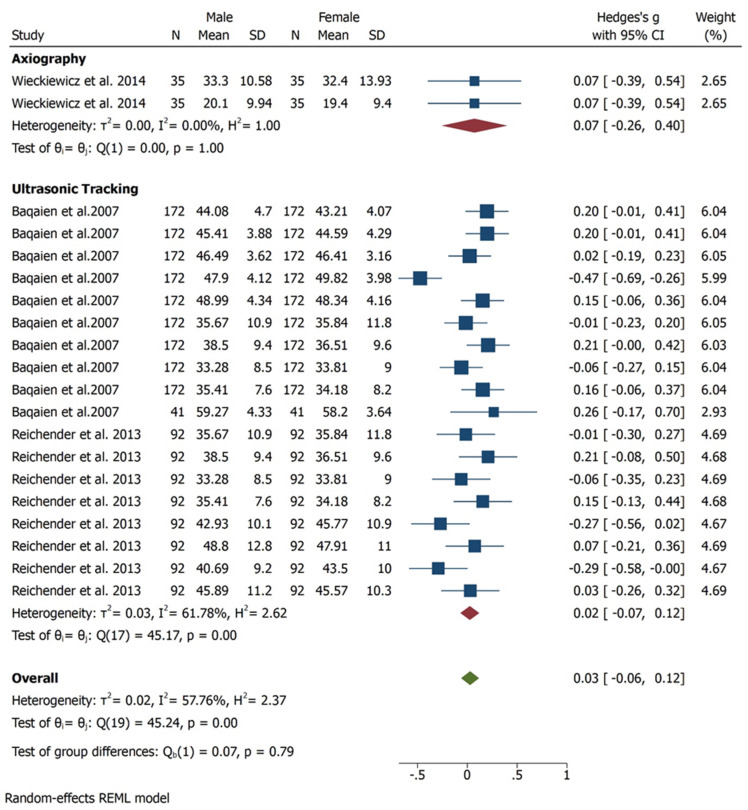
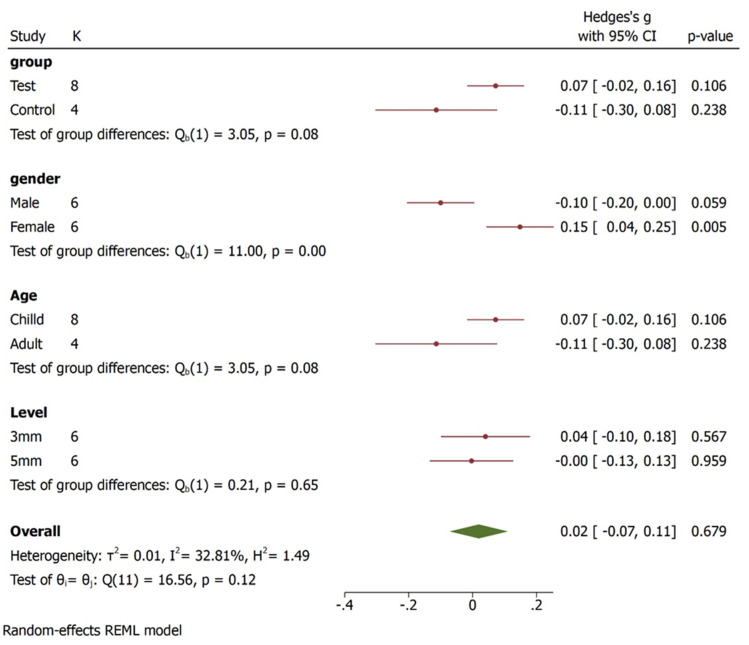
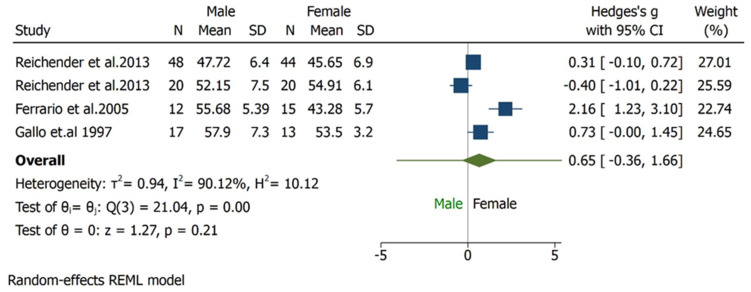
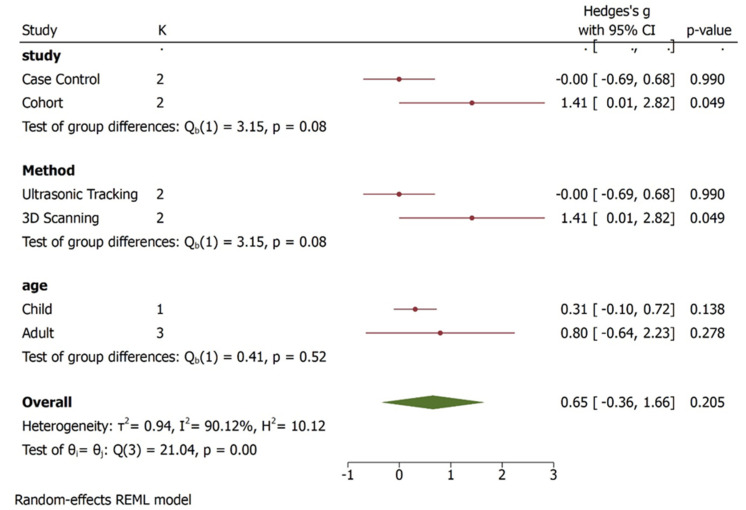
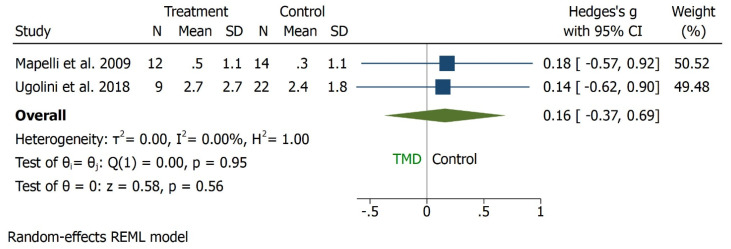
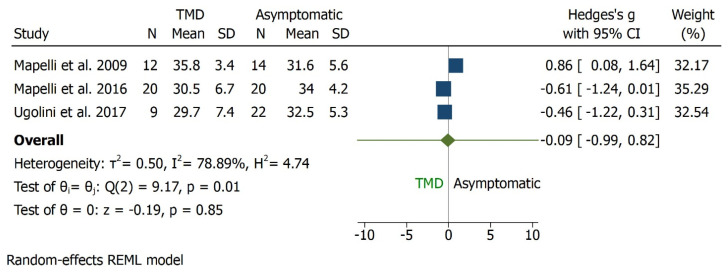
The aim of this review was to answer the following PICO question: "Do TMJ kinematic parameters (intervention and comparison) show efficacy for assessment of mandibular function (Outcome) both in asymptomatic and TMD subjects? (Population)". PubMed, Scopus, Web of Science, Embase, Central databases were searched. The inclusion criteria were (1) performed on human, (2) English only, (3) on healthy, symptomatic or surgically altered TMJ, (4) measured dynamic kinematics of mandible or TMJ (5) with six degrees of freedom. To assess the Risk of Bias, the Joanna Briggs Institute tool for non-randomised clinical studies was employed. A pairwise meta-analysis was carried out using STATA v.17.0 (Stata). The heterogeneity was estimated using the Q value and the inconsistency index. Ninety-two articles were included in qualitative synthesis, nine studies in quantitative synthesis. The condylar inclination was significantly increased in female (effect size 0.03°, 95% CI: -0.06, 0.12, p = 0.00). Maximum mouth opening (MMO) was increased significantly in female population in comparison with males (effect size 0.65 millimetres (0.36, 1.66). Incisor displacement at MMO showed higher values for control groups compared with TMD subjects (overall effect size 0.16 millimetres (-0.37, 0.69). Evidence is still needed, considering the great variety of devices and parameters used for arthrokinematics. The present study suggests standardising outcomes, design, and population of the future studies in order to obtain more reliable and repeatable values.
Keywords: TMJ dysfunction; kinematics; motion analysis; temporomandibular joint; temporomandibular joint disorders.
Conflict of interest statement
The authors declare no conflict of interest.
Figures
References
-
- Okeson J.P. Management of Temporomandibular Disorders and Occlusion. 7th ed. Elsevier; Mosby, MO, USA: Louis, MO, USA: 2012.
-
- Reisine S.T., Weber J. The effects of temporomandibular joint disorders on patients’ quality of life. Community Dent. Health. 1989;6:257–270. - PubMed
-
- Schiffman E., Ohrbach R., Truelove E., Look J., Anderson G., Goulet J.P., List T., Svensson P. Diagnostic criteria for temporomandibular disorders (DC/TMD) for clinical and research applications: Recommendations of the international RDC/TMD consortium network and orofacial pain special interest group. J. Oral Facial Pain Headache. 2014;28:6–27. doi: 10.11607/jop.1151. - DOI - PMC - PubMed
-
- Peck C.C., Goulet J.-P., Lobbezoo F., Schiffman E.L., Alstergren P., Anderson G.C., de Leeuw R., Jensen R., Michelotti A., Ohrbach R., et al. Expanding the taxonomy of the diagnostic criteria for temporomandibular disorders. J. Oral Rehabil. 2014;41:2e23. doi: 10.1111/joor.12132. - DOI - PMC - PubMed
