


Formulation and Evaluation of Moxifloxacin Loaded Bilosomes In-Situ Gel: Optimization to Antibacterial Evaluation
- PMID: 35877503
- PMCID: PMC9323078
- DOI: 10.3390/gels8070418
Formulation and Evaluation of Moxifloxacin Loaded Bilosomes In-Situ Gel: Optimization to Antibacterial Evaluation
Abstract
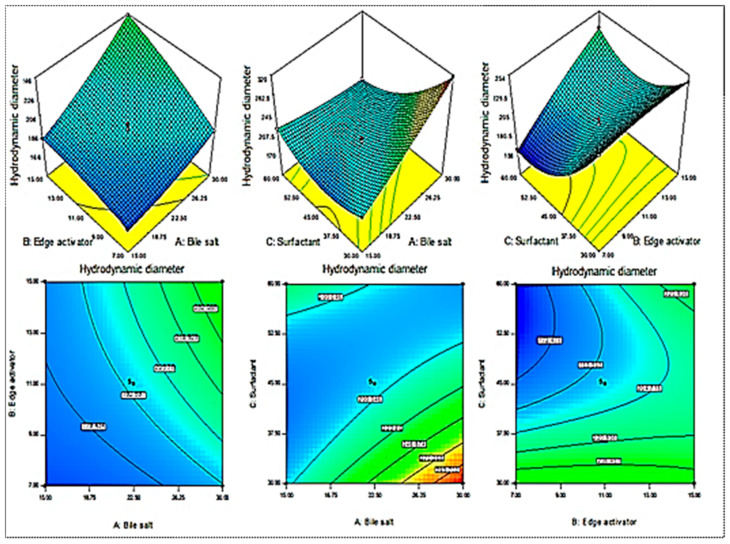
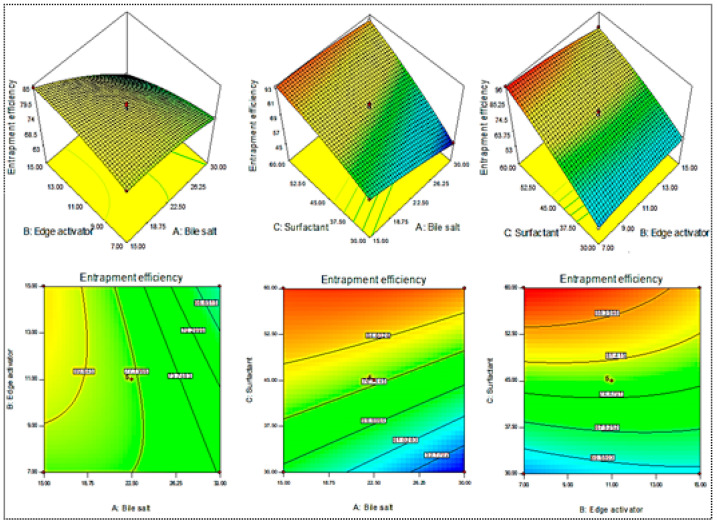
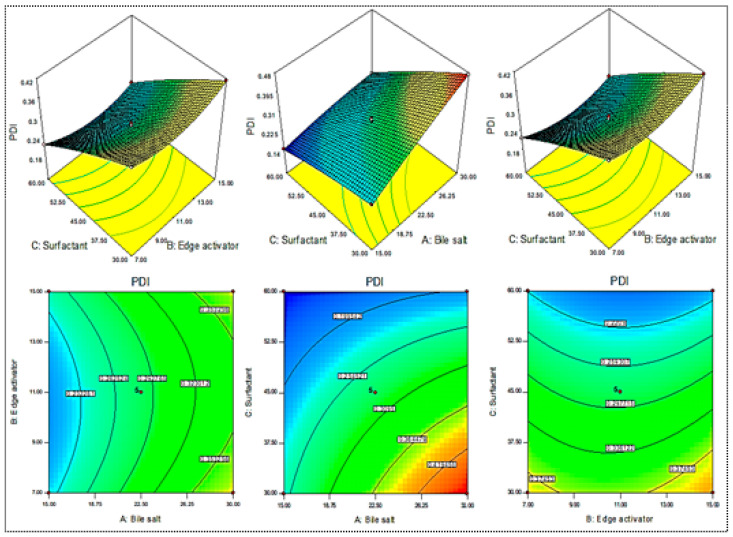
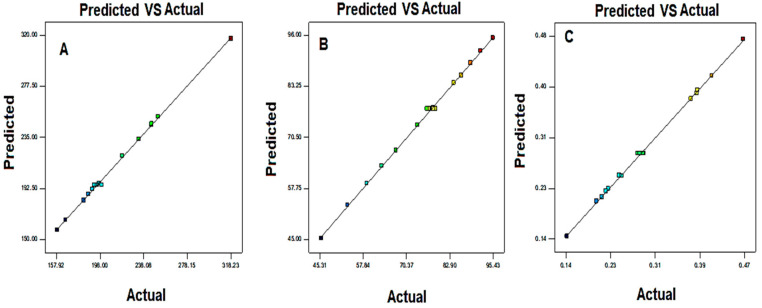
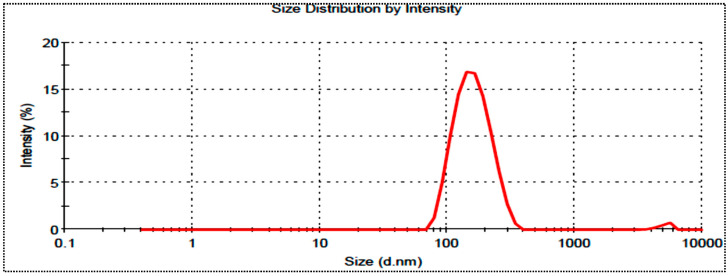
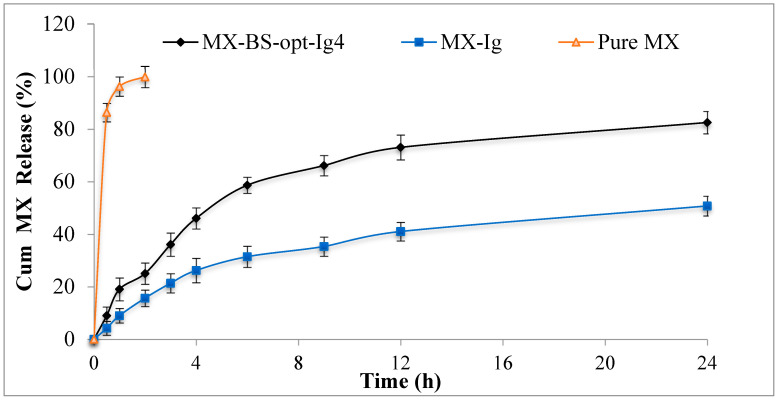
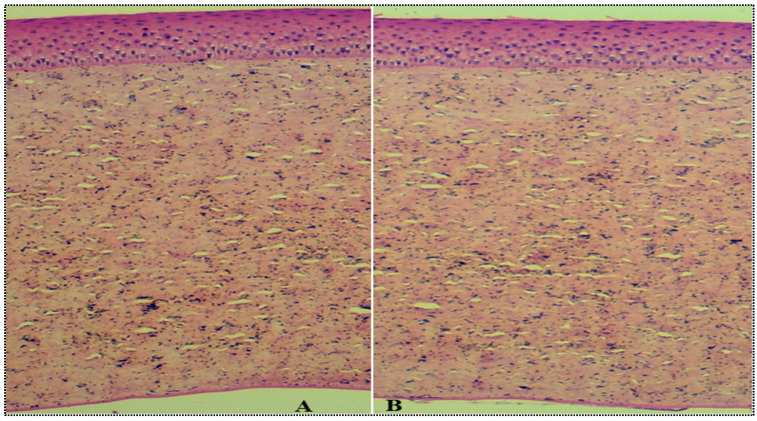
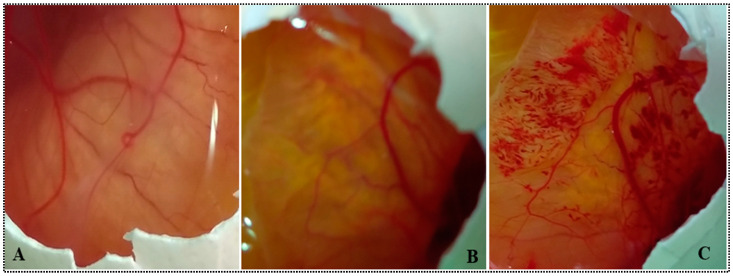
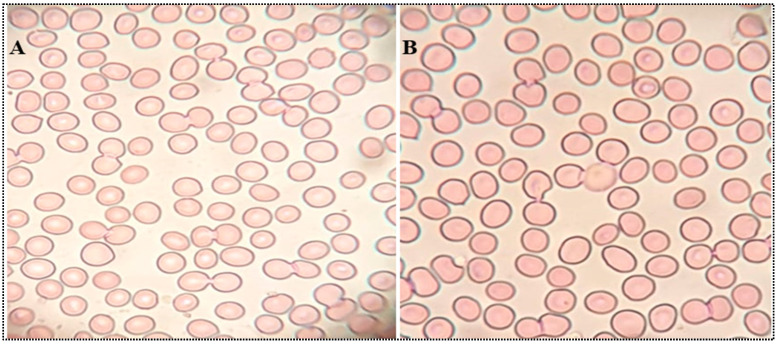
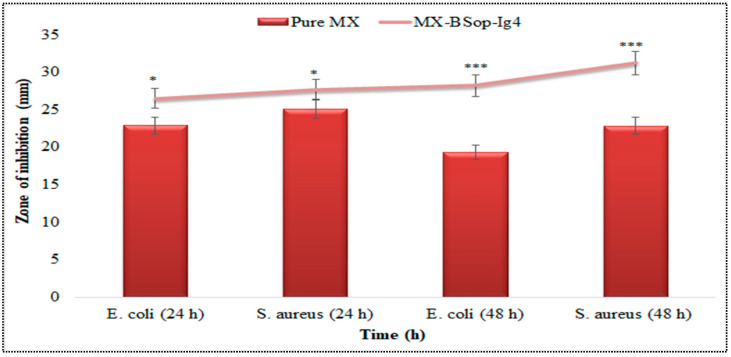
In this study, moxifloxacin (MX)-loaded bilosome (BS) in situ gel was prepared to improve ocular residence time. MX-BSs were prepared using the thin-film hydration method. They were optimized using a Box−Behnken design (BBD) with bile salt (A, sodium deoxycholate), an edge activator (B, Cremophor EL), and a surfactant (C, Span 60) as process variables. Their effects were assessed based on hydrodynamic diameter (Y1), entrapment efficacy (Y2), and polydispersity index (Y3). The optimized formulation (MX-BSop) depicted a low hydrodynamic diameter (192 ± 4 nm) and high entrapment efficiency (76 ± 1%). Further, MX-BSop was successfully transformed into an in situ gel using chitosan and sodium alginate as carriers. The optimized MX-BSop in situ gel (MX-BSop-Ig4) was further evaluated for gelling capacity, clarity, pH, viscosity, in vitro release, bio-adhesiveness, ex vivo permeation, toxicity, and antimicrobial properties. MX-BSop-Ig4 exhibited an optimum viscosity of 65.4 ± 5.3 cps in sol and 287.5 ± 10.5 cps in gel states. The sustained release profile (82 ± 4% in 24 h) was achieved with a Korsmeyer−Peppas kinetic release model (R2 = 0.9466). Significant bio-adhesion (967.9 dyne/cm2) was achieved in tear film. It also exhibited 1.2-fold and 2.8-fold higher permeation than MX-Ig and a pure MX solution, respectively. It did not show any toxicity to the tested tissue, confirmed by corneal hydration (77.3%), cornea histopathology (no internal changes), and a HET-CAM test (zero score). MX-BSop-Ig4 exhibited a significantly (p < 0.05) higher antimicrobial effect than pure MX against Staphylococcus aureus and Escherichia coli. The findings suggest that bilosome in situ gel is a good alternative to increase corneal residence time, as well as to improve therapeutic activity.
Keywords: antimicrobial activity; bilosomes; moxifloxacin; ocular delivery; toxicity study.
Conflict of interest statement
The authors declare no conflict of interest.
Figures
References
-
- Souto E.B., Dias-Ferreira J., López-Machado A., Ettcheto M., Cano A., Espuny A.C., Espina M., Garcia M.L., Sánchez-López E. Advanced Formulation Approaches for Ocular Drug Delivery: State-Of-The-Art and Recent Patents. Pharmaceutics. 2019;11:460. doi: 10.3390/pharmaceutics11090460. - DOI - PMC - PubMed
-
- Polat H.K., Pehlivan S.B., Özkul C., Calamak S., Ozturk N., Aytekin E., Fırat A., Ulubayram K., Kocabeyoğlu S., Irkeç M., et al. Development of besifloxacin HCl loaded nanofibrous ocular inserts for the treatment of bacterial keratitis: In vitro, ex vivo and in vivo evaluation. Int. J. Pharm. 2020;585:119552. doi: 10.1016/j.ijpharm.2020.119552. - DOI - PubMed
Grants and funding
LinkOut - more resources
Full Text Sources
Research Materials
