


PI3Kδ activity controls plasticity and discriminates between EMT and stemness based on distinct TGFβ signaling
- PMID: 35879421
- PMCID: PMC9314410
- DOI: 10.1038/s42003-022-03637-w
PI3Kδ activity controls plasticity and discriminates between EMT and stemness based on distinct TGFβ signaling
Abstract
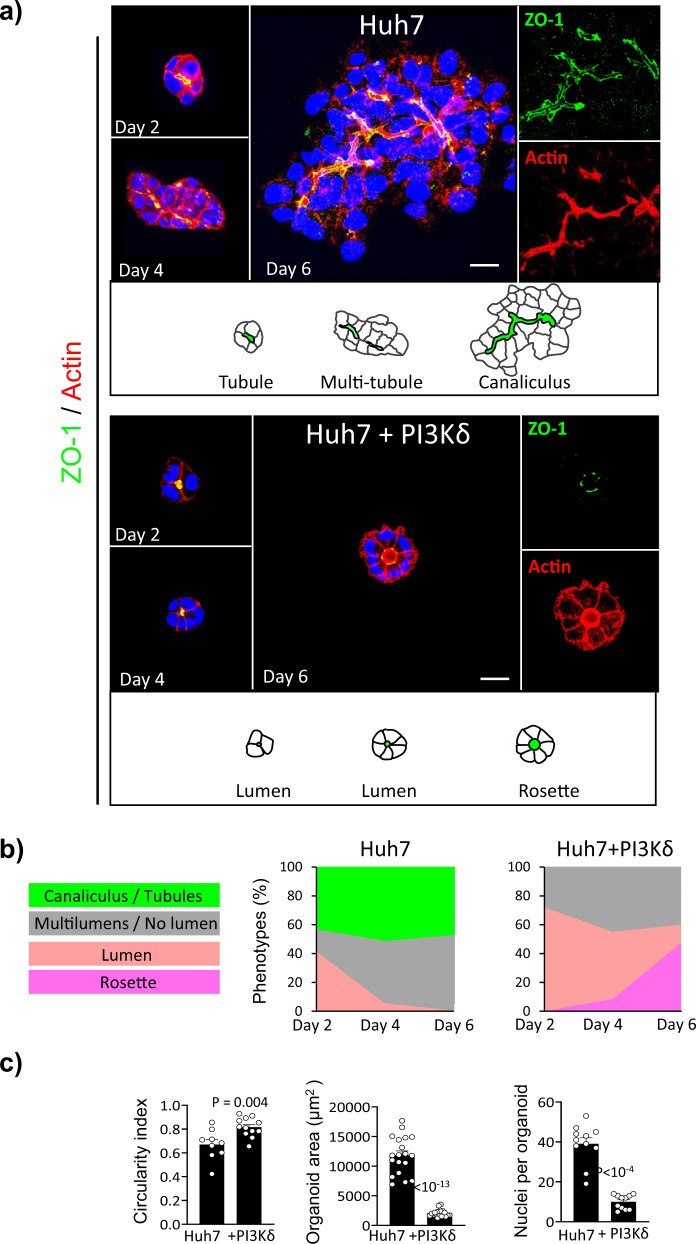
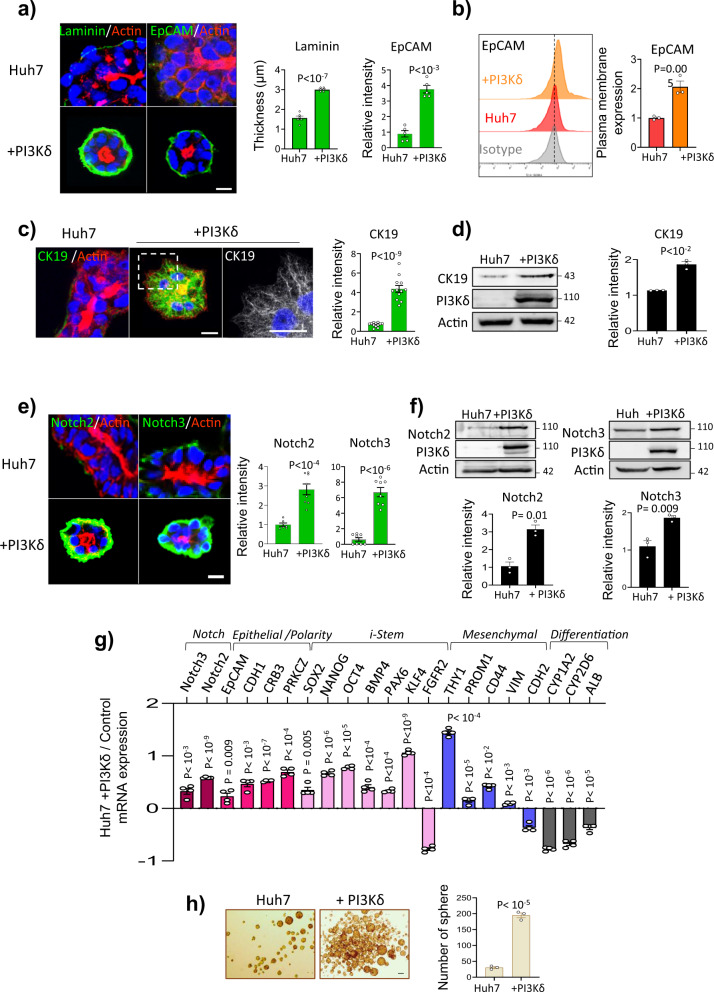
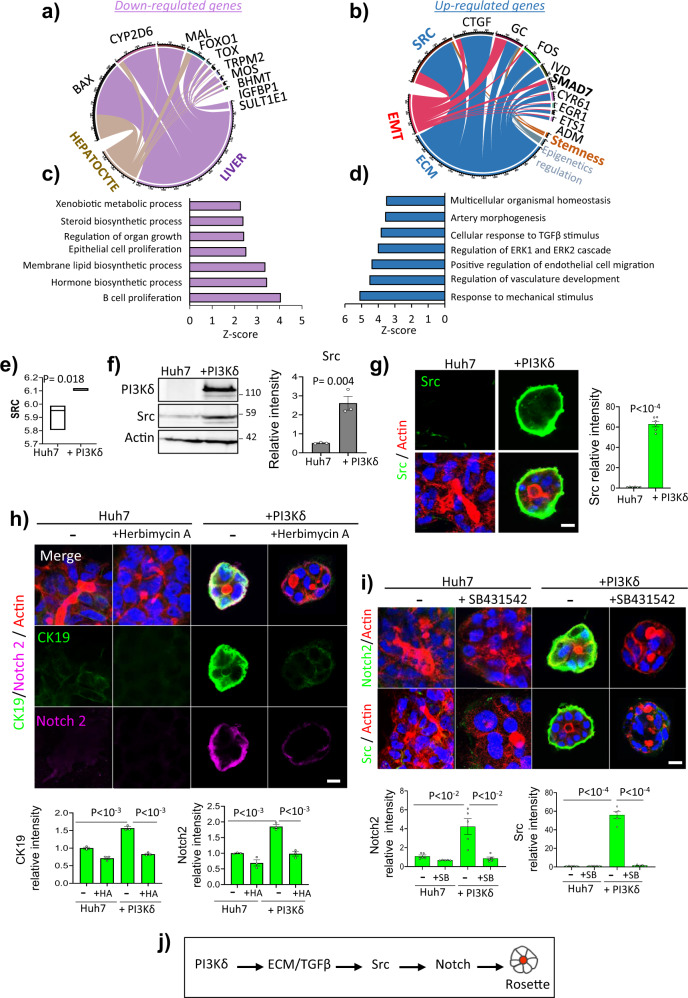
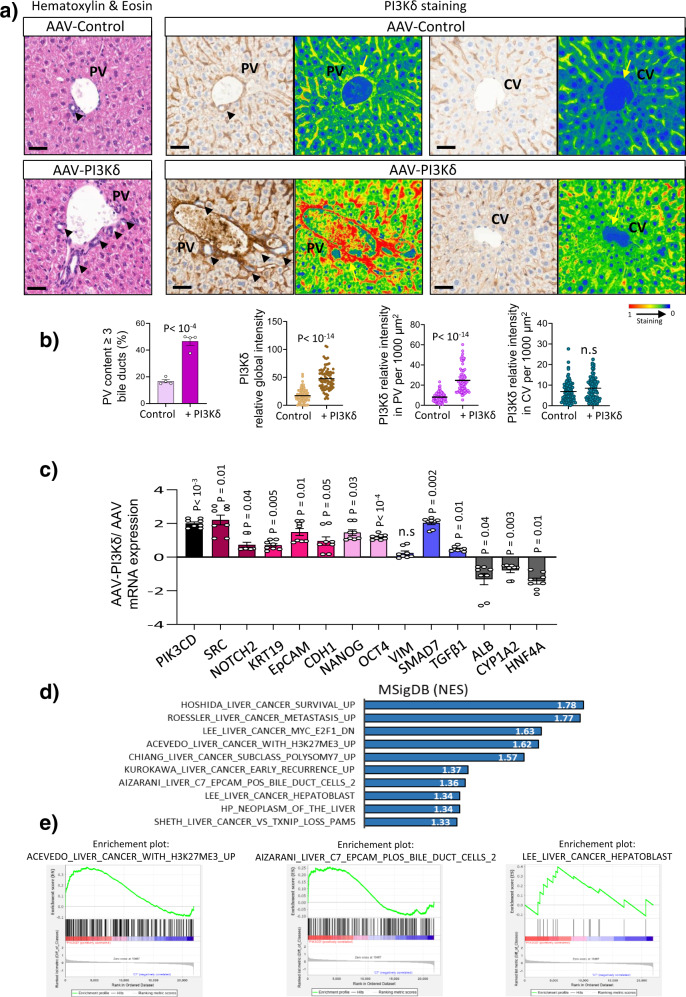
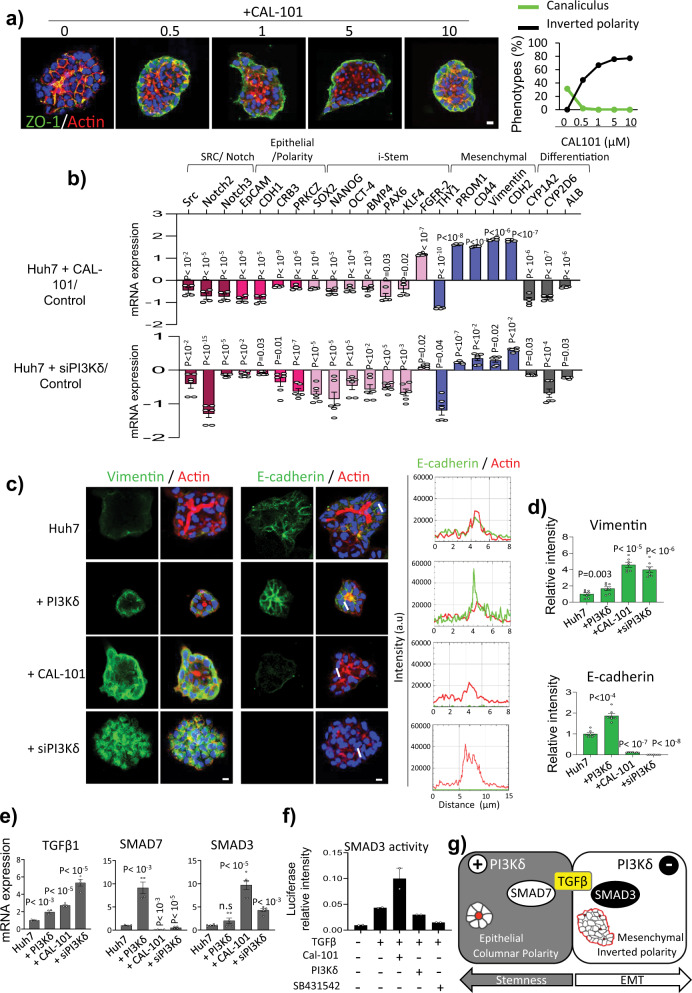
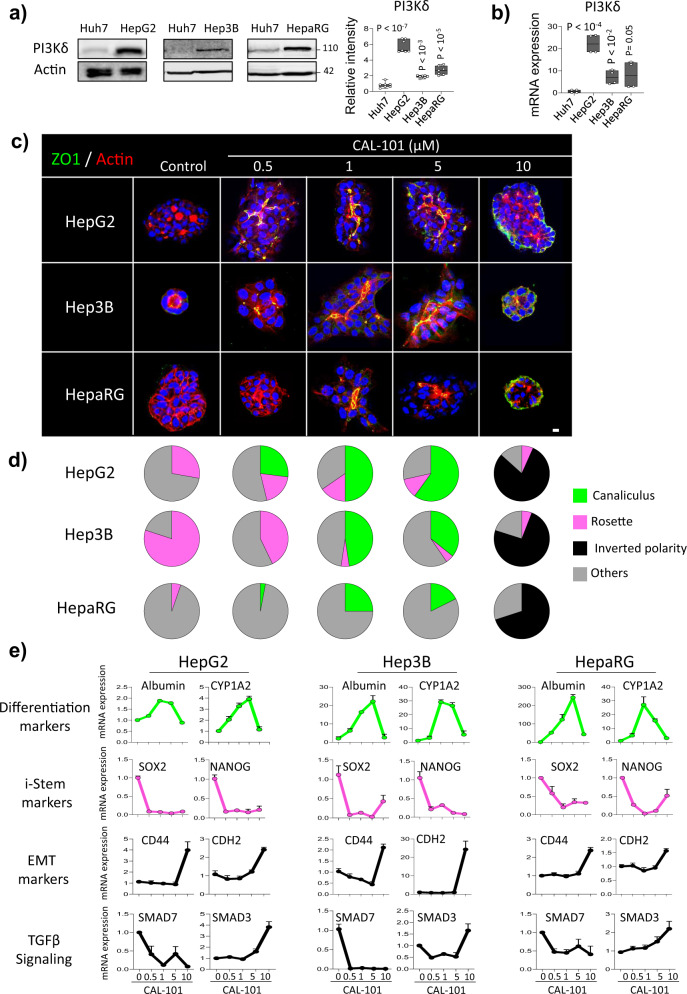
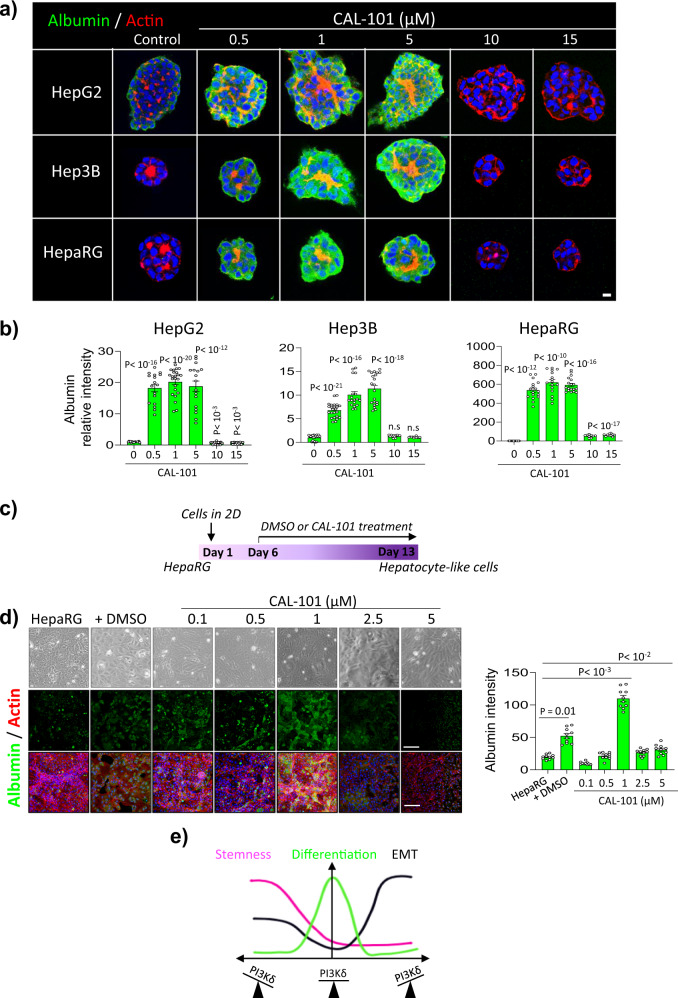
The stem cells involved in formation of the complex human body are epithelial cells that undergo apicobasal polarization and form a hollow lumen. Epithelial plasticity manifests as epithelial to mesenchymal transition (EMT), a process by which epithelial cells switch their polarity and epithelial features to adopt a mesenchymal phenotype. The connection between the EMT program and acquisition of stemness is now supported by a substantial number of reports, although what discriminates these two processes remains largely elusive. In this study, based on 3D organoid culture of hepatocellular carcinoma (HCC)-derived cell lines and AAV8-based protein overexpression in the mouse liver, we show that activity modulation of isoform δ of phosphoinositide 3-kinase (PI3Kδ) controls differentiation and discriminates between stemness and EMT by regulating the transforming growth factor β (TGFβ) signaling. This study provides an important tool to control epithelial cell fate and represents a step forward in understanding the development of aggressive carcinoma.
© 2022. The Author(s).
Conflict of interest statement
The authors declare no competing interests.
Figures
References
Publication types
MeSH terms
Substances
LinkOut - more resources
Full Text Sources
Medical
Molecular Biology Databases
Miscellaneous
