


Anti-Inflammatory, Antioxidant, and Skin Regenerative Potential of Secondary Metabolites from Plants of the Brassicaceae Family: A Systematic Review of In Vitro and In Vivo Preclinical Evidence (Biological Activities Brassicaceae Skin Diseases)
- PMID: 35883837
- PMCID: PMC9312357
- DOI: 10.3390/antiox11071346
Anti-Inflammatory, Antioxidant, and Skin Regenerative Potential of Secondary Metabolites from Plants of the Brassicaceae Family: A Systematic Review of In Vitro and In Vivo Preclinical Evidence (Biological Activities Brassicaceae Skin Diseases)
Abstract
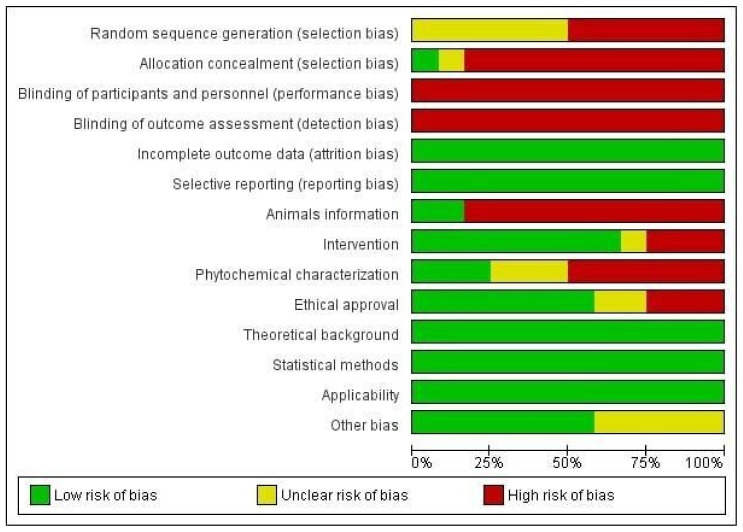
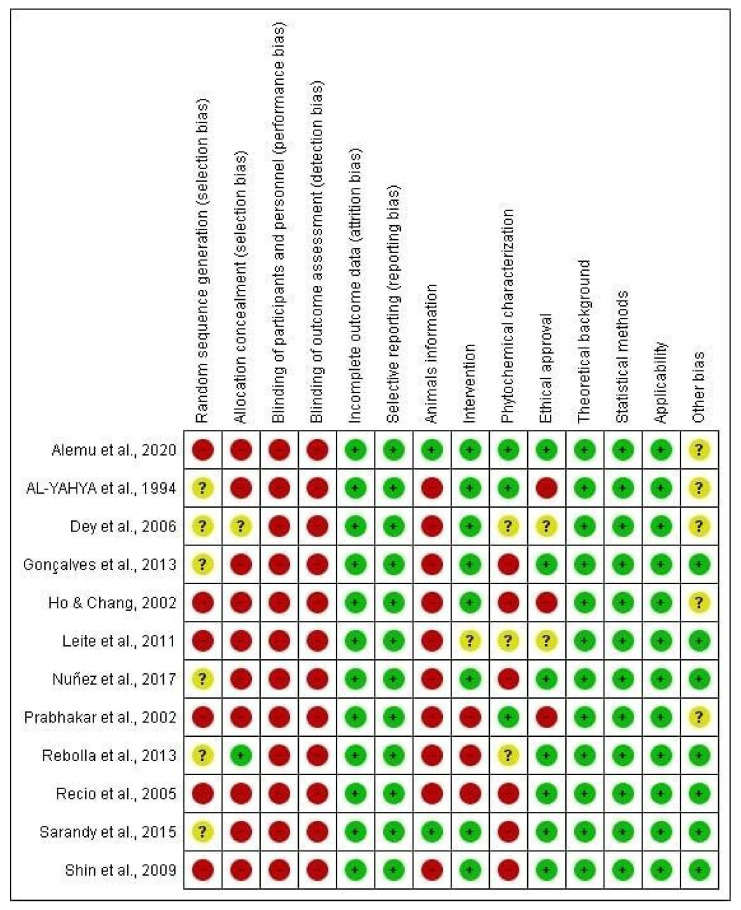
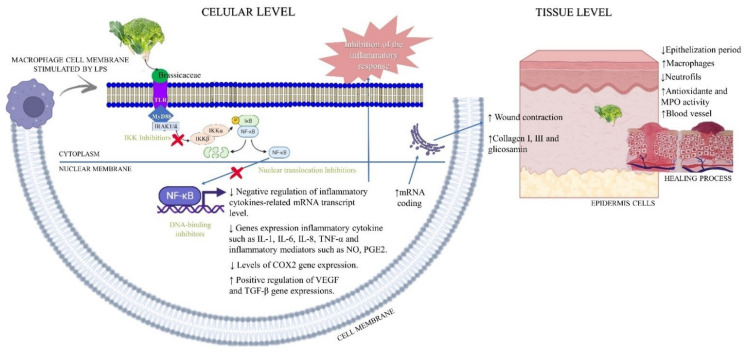
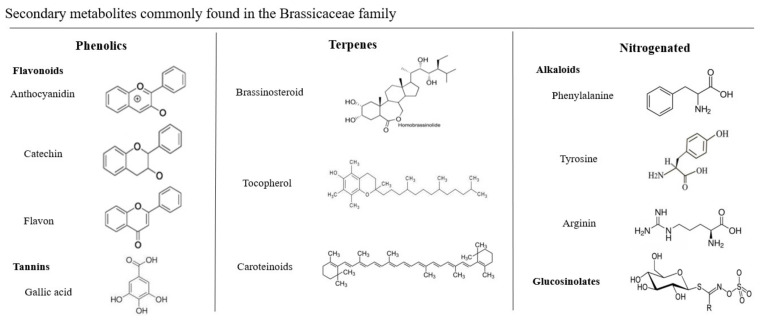
The Brassicaceae family constitutes some of the most well-studied natural products in the world, due to their anti-inflammatory, anti-oxidative, and pro-regenerative properties as well as their ubiquitous distribution across the world. To evaluate the potential efficacy of the Brassicaceae family in the treatment of inflammatory skin disorders and wounds, based on preclinical evidence from in vivo and in vitro studies. This systematic review was performed according to the PRISMA guidelines, using a structured search on the PubMed-Medline, Scopus, and Web of Science platforms. The studies included were those that used murine models and in vitro studies to investigate the effect of Brassicaceae on skin disorders. Bias analysis and methodological quality assessments were examined through SYRCLE's RoB tool. Brassicaceae have shown positive impacts on inflammatory regulation of the skin, accelerating the wound healing process, and inhibiting the development of edema. The studies showed that the Brassicaceae family has antioxidant activity and effects on the modulation of cyclooxygenase 2 and the nuclear factor kappa β (NFκβ) pathway. The secondary metabolites present in Brassicas are polyphenols (68.75%; n = 11), terpenes/carotenoids (31.25%; n = 5), and glycosylates (25%; n = 4), which are responsible for their anti-inflammatory, healing, and antioxidant effects. In addition, the current evidence is reliable because the bias analysis showed a low risk of bias. Our review indicates that compounds derived from Brassicaceae present exceptional potential to treat inflammatory skin diseases and accelerate cutaneous wound healing. We hope that our critical analysis can help to expedite clinical research and to reduce methodological bias, thereby improving the quality of evidence in future research. The registration number on the Prospero platform is CRD42021262953.
Keywords: Brassicaceae; cytokines; epithelial cells; inflammation; inflammatory mediators; murine.
Conflict of interest statement
The authors declare that there are no conflict of interest regarding this article.
Figures
References
-
- García E.R., Barros E., Stransky S., Chávez-Olórtegui C., Freitas M.B., Novaes R.D., Gonçalves R.V. Acidic Phospholipase A2-Peptide Derivative Modulates Oxidative Status and Microstructural Reorganization of Scar Tissue after Cutaneous Injury. Evid. Based Complementary Altern. Med. 2020;2020:1–13. doi: 10.1155/2020/8273986. - DOI - PMC - PubMed
-
- Mittag B.F., Krause T.C.C., Roehrs H., Meier M.J., Danski M.T.R. Cuidados com Lesão de Pele: Ações da Enfermagem. Rev. Estima. 2017;15:19–25. doi: 10.5327/Z1806-3144201700010004. - DOI
-
- Altoé S.L., Alves S.R., Miranda L.L., Sarandy M.M., Bastos S.S.D., Gonçalves-Santos E., Novaes D.R., Gonçalves V.R. Doxycycline Hyclate Modulates Antioxidant Defenses, Matrix Metalloproteinases, and COX-2 Activity Accelerating Skin Wound Healing by Secondary Intention in Rats. Oxidative Med. Cell. Longev. 2021;2021:1–16. doi: 10.1155/2021/4681041. - DOI - PMC - PubMed
-
- Del Rosario Loyo Casao T., Pinheiro C.G., Sarandy M.M., Zanatta A.C., Vilegas W., Novaes R.D., Viana Leite J.P. Croton urucurana Baillon stem bark ointment accelerates the closure of cutaneous wounds in knockout IL-10 mice. J. Ethnopharmacol. 2020;261:113042. doi: 10.1016/j.jep.2020.113042. - DOI - PubMed
Publication types
Grants and funding
LinkOut - more resources
Full Text Sources
Other Literature Sources
Research Materials
