


Skin Cancer Research Goes Digital: Looking for Biomarkers within the Droplets
- PMID: 35887633
- PMCID: PMC9323323
- DOI: 10.3390/jpm12071136
Skin Cancer Research Goes Digital: Looking for Biomarkers within the Droplets
Abstract
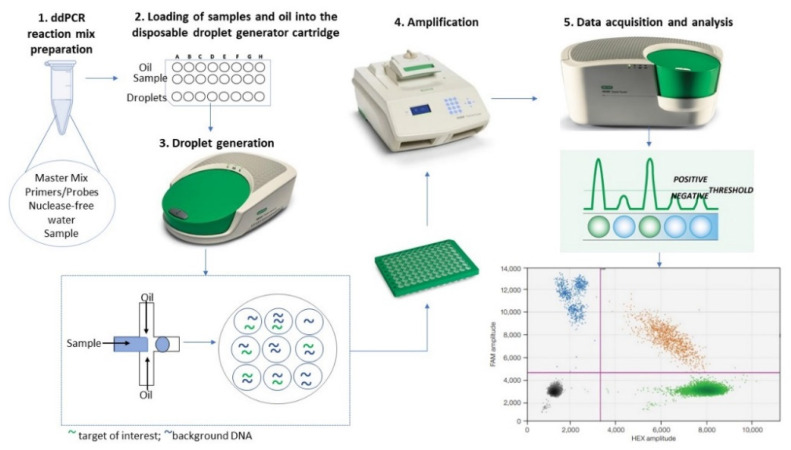
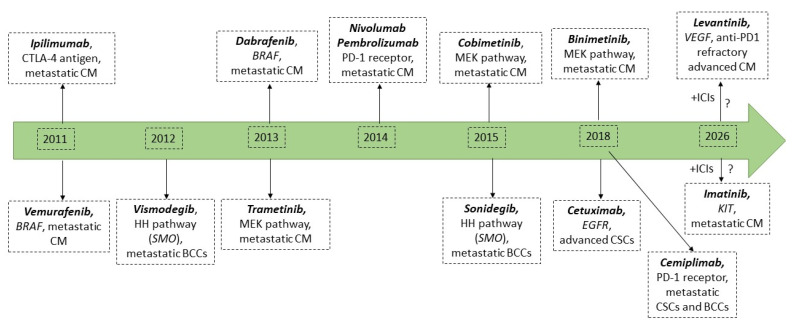
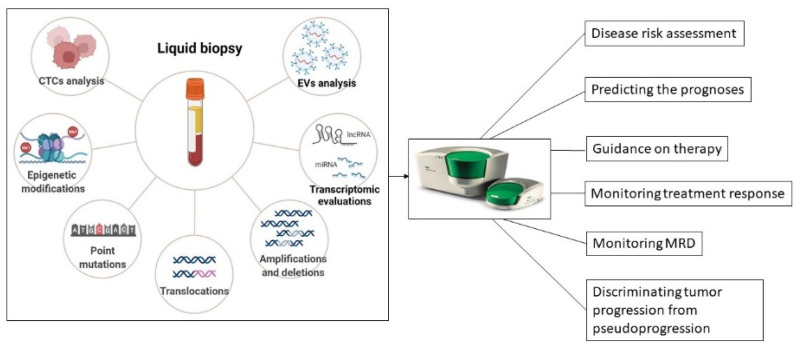
Skin cancer, which includes the most frequent malignant non-melanoma carcinomas (basal cell carcinoma, BCC, and squamous cell carcinoma, SCC), along with the difficult to treat cutaneous melanoma (CM), pose important worldwide issues for the health care system. Despite the improved anti-cancer armamentarium and the latest scientific achievements, many skin cancer patients fail to respond to therapies, due to the remarkable heterogeneity of cutaneous tumors, calling for even more sophisticated biomarker discovery and patient monitoring approaches. Droplet digital polymerase chain reaction (ddPCR), a robust method for detecting and quantifying low-abundance nucleic acids, has recently emerged as a powerful technology for skin cancer analysis in tissue and liquid biopsies (LBs). The ddPCR method, being capable of analyzing various biological samples, has proved to be efficient in studying variations in gene sequences, including copy number variations (CNVs) and point mutations, DNA methylation, circulatory miRNome, and transcriptome dynamics. Moreover, ddPCR can be designed as a dynamic platform for individualized cancer detection and monitoring therapy efficacy. Here, we present the latest scientific studies applying ddPCR in dermato-oncology, highlighting the potential of this technology for skin cancer biomarker discovery and validation in the context of personalized medicine. The benefits and challenges associated with ddPCR implementation in the clinical setting, mainly when analyzing LBs, are also discussed.
Keywords: biomarkers; cutaneous melanoma; ddPCR; immunotherapy; liquid biopsy; personalized medicine; skin cancer; squamous cell carcinoma; targeted therapy.
Conflict of interest statement
The authors declare no conflict of interest.
Figures
References
Publication types
Grants and funding
LinkOut - more resources
Full Text Sources
Research Materials
