


Acne, Microbiome, and Probiotics: The Gut-Skin Axis
- PMID: 35889022
- PMCID: PMC9318165
- DOI: 10.3390/microorganisms10071303
Acne, Microbiome, and Probiotics: The Gut-Skin Axis
Abstract
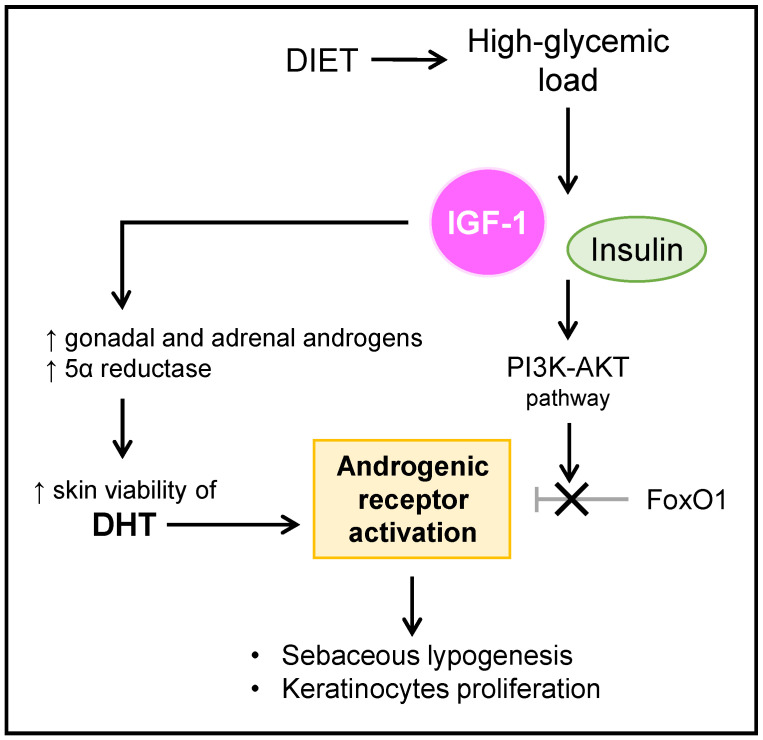
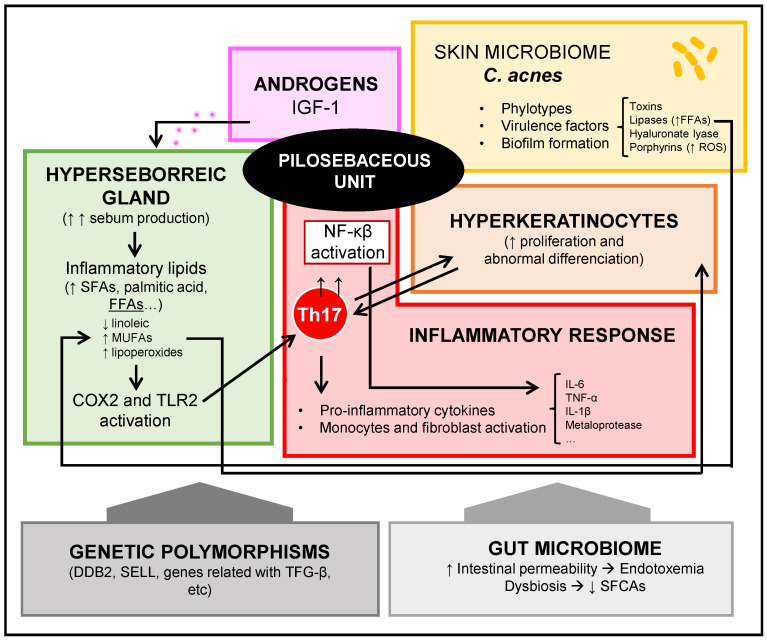
The objective of this narrative review was to check the influence of the human microbiota in the pathogenesis of acne and how the treatment with probiotics as adjuvant or alternative therapy affects the evolution of acne vulgaris. Acne is a chronic inflammatory skin disease involving the pilosebaceous units. The pathogenesis of acne is complex and multifactorial involving genetic, metabolic, and hormonal factors in which both skin and gut microbiota are implicated. Numerous studies have shown the bidirectionality between the intestinal microbiota and skin homeostasis, a communication mainly established by modifying the immune system. Increased data on the mechanisms of action regarding the relevance of Cutibacterium acnes, as well as the importance of the gut-skin axis, are becoming known. Diverse and varied in vitro studies have shown the potential beneficial effects of probiotics in this context. Clinical trials with both topical and oral probiotics are scarce, although they have shown positive results, especially with oral probiotics through the modulation of the intestinal microbiota, generating an anti-inflammatory response and restoring intestinal integrity, or through metabolic pathways involving insulin-like growth factor I (IGF-1). Given the aggressiveness of some standard acne treatments, probiotics should continue to be investigated as an alternative or adjuvant therapy.
Keywords: Cutibacterium acnes; acne vulgaris; gut microbiota; gut–skin axis; probiotics; skin inflammatory diseases; skin microbiota; topical probiotics.
Conflict of interest statement
The authors declare no conflict of interest.
Figures
References
Publication types
LinkOut - more resources
Full Text Sources
Molecular Biology Databases
Miscellaneous
