


The Mediterranean Diet: An Update of the Clinical Trials
- PMID: 35889911
- PMCID: PMC9317652
- DOI: 10.3390/nu14142956
The Mediterranean Diet: An Update of the Clinical Trials
Abstract
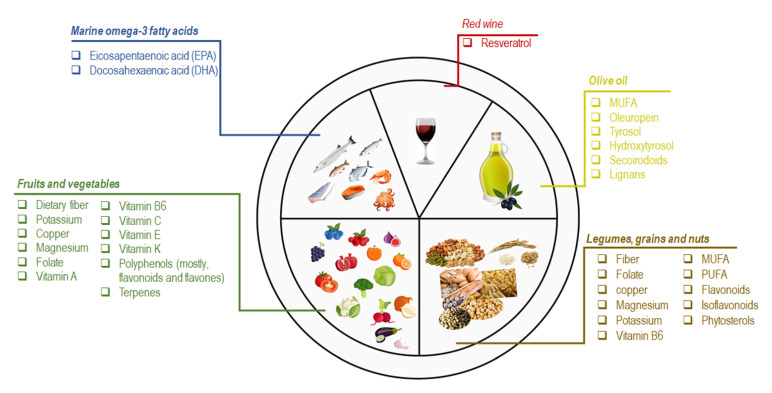
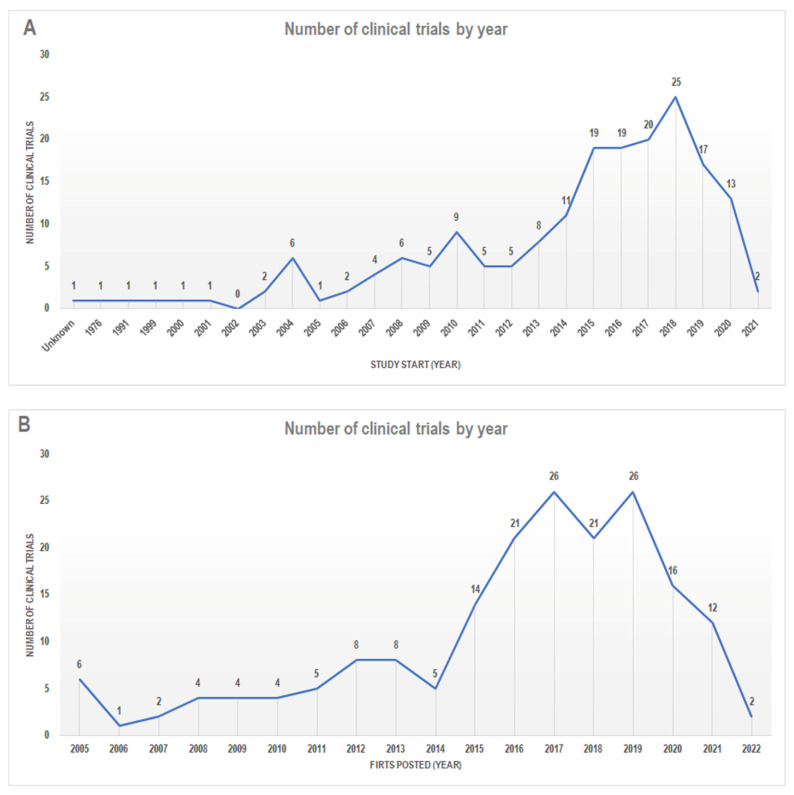
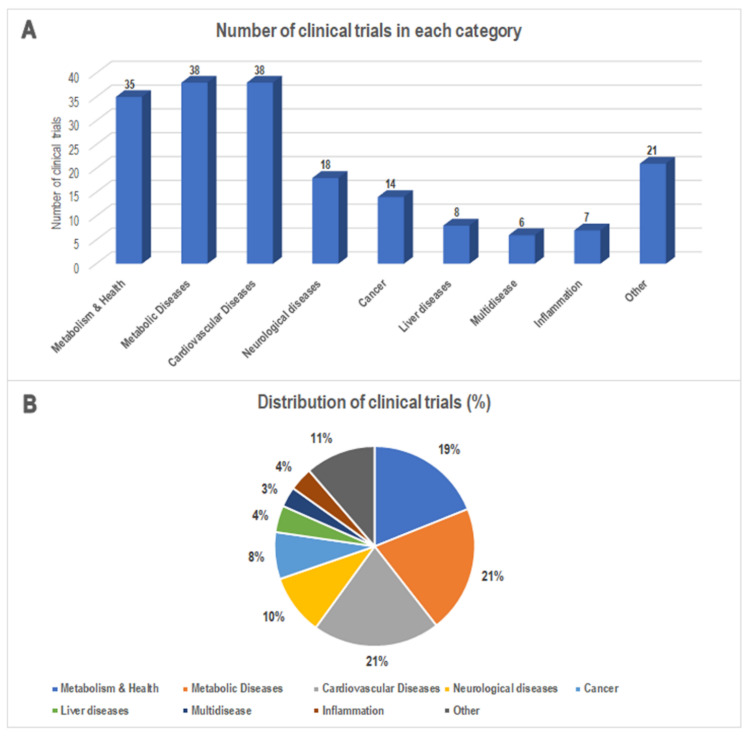
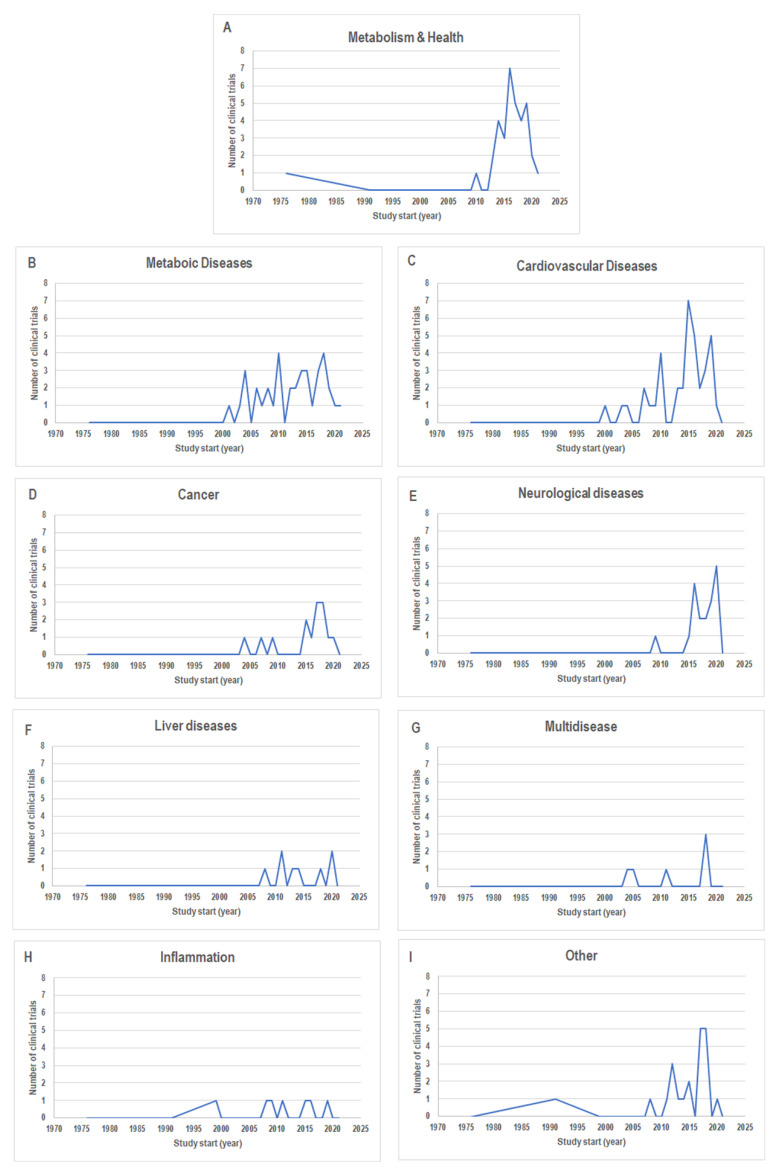
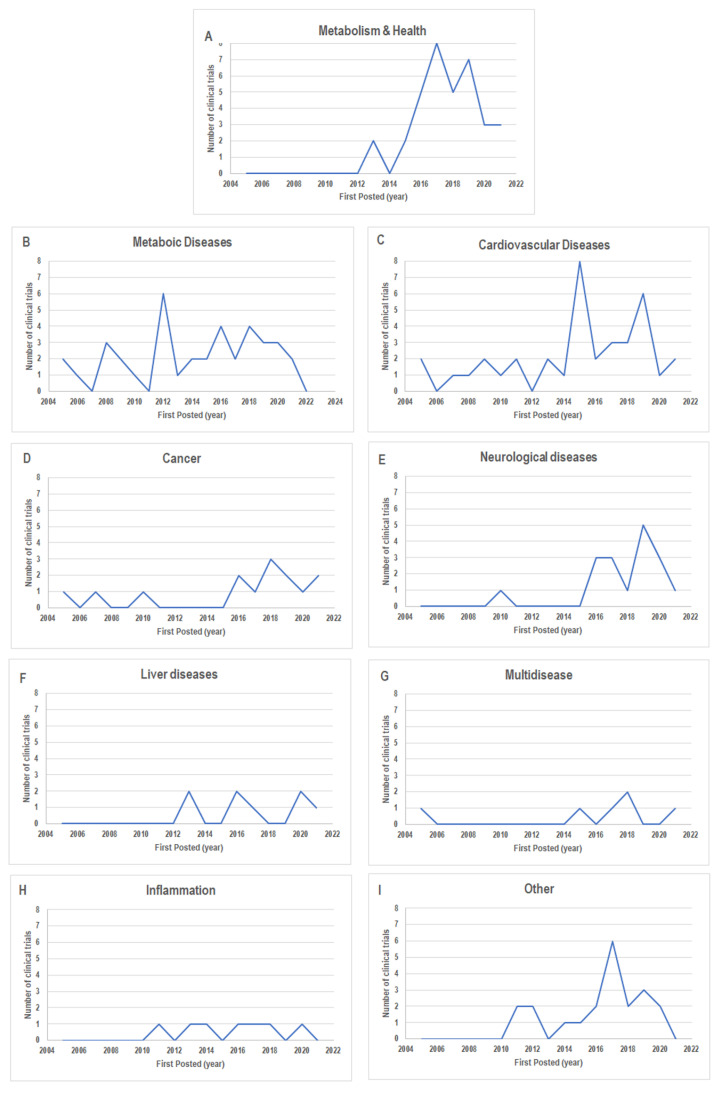
The Mediterranean Diet (MedDiet) is a term used to identify a dietary pattern originating from the unique multi-millennial interplay between natural food resources and the eating practices of people living in the Mediterranean basin. Scientific evidence has described the healthy properties of the MedDiet and its beneficial role in several pathological conditions. Nevertheless, current socio-economic trends have moved people away from this healthy lifestyle. Thus, clinical and biological evidence supporting the benefits of the MedDiet is needed to overcome these limitations. Clinical nutrition research examines the effects of dietary interventions on biological or health-related outcomes in a determined study population. The evidence produced by these studies is useful for dietary guidance and public health messaging. We provided an update of the clinical trials registered on the database clinicaltrials.gov evaluating the effects of the MedDiet on health and specific diseases. Our findings revealed an increased number of clinical trials in the last decade and found that most disease-related studies focused on cardiovascular diseases, metabolic diseases, and cancer. The majority of MedDiet's beneficial effects could be primarily related to its anti-inflammatory and anti-oxidant properties as well as the effectiveness of this dietary pattern in controlling waist circumference and obesity. Moreover, strict and long-lasting adherence to the MedDiet as well as the beneficial effects of specific components (e.g., olive oil or its polyphenols) seem to emerge as useful insights for interventional improvements. These findings present further insights into the MedDiet's resources and how it could strengthen overall public health.
Keywords: Mediterranean Diet; cancer; cardiovascular disease; clinical trials; diabetes; inflammation; metabolic diseases; oxidative stress.
Conflict of interest statement
The authors declare no conflict of interest.
Figures
References
-
- Serra-Majem L., Ortiz-Andrellucchi A., Sánchez-Villegas A. Mediterranean Diet. In: Ferranti P., Berry E.M., Anderson J.R., editors. Encyclopedia of Food Security and Sustainability. Elsevier; Oxford, UK: 2019. pp. 292–301. - DOI
Publication types
MeSH terms
Substances
Grants and funding
- PON I&C 2014-2020 MiSE, project title: "Micro-nanodispositivi veicolanti polifenoli isolati da scarti della filiera olivicola come nuovi integratori alimentari-MicroPoli"/Ministry of Economic Development
- POR Campania FESR 2014-2020: "Sviluppo di nanotecnologie Orientate alla Rigenerazione e Ricostruzione tissutale, Implantologia e Sensoristica in Odontoiatria/oculistica (SORRISO)"/Regione Campania
- PSR Campania 2014-2020, project title: "Identificazione delle componenti salutistiche della filiera olivicola campana" acronimo "OLIVEHEALTH"/Regione Campania
LinkOut - more resources
Full Text Sources
