


The Need for Improved Recruitment to Neurosurgery Training: A Systematic Review of Enrollment Strategies
- PMID: 35891848
- PMCID: PMC9307286
- DOI: 10.7759/cureus.26212
The Need for Improved Recruitment to Neurosurgery Training: A Systematic Review of Enrollment Strategies
Abstract
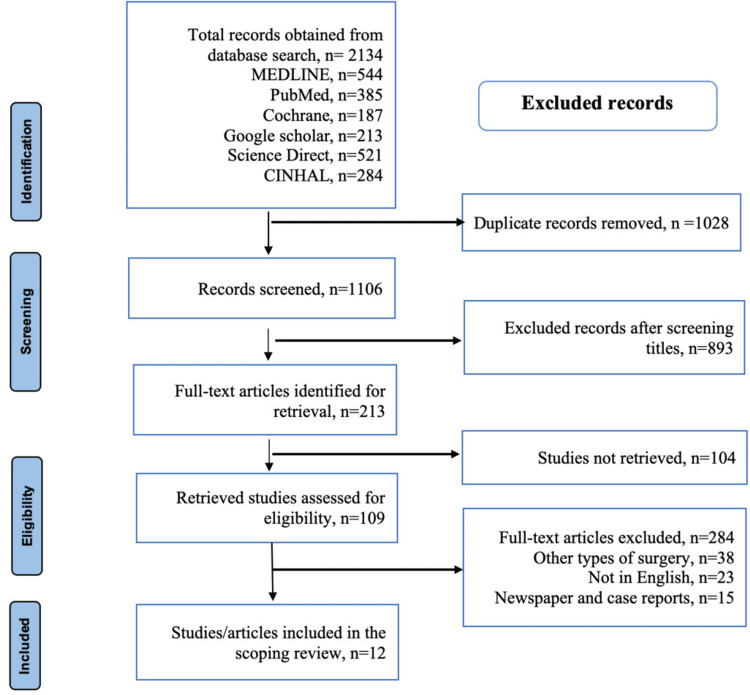
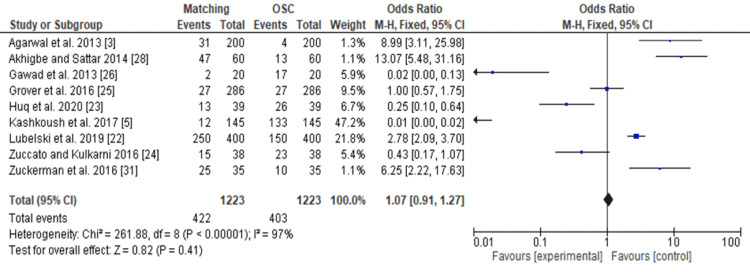
Neurosurgery is one of the cornerstones corresponding to a large scope of clinical pathologies and is a highly-regarded surgical specialty. However, there has been a decline in recruits into the neurosurgical residency due to many factors derailing the interest of medical students with an ambition to become neurosurgeons. Some of these issues encompass little or lack of early exposure to neurosurgery, lack of quality mentorship programs, and institutional curriculum entailing prolonged periods of training and study in neurosurgery. Therefore, this systematic review and meta-analysis aim to establish some strategic methodologies for increasing the recruitment to neurological surgery. Neurosurgery is an interestingly exciting specialty that integrates cutting-edge technology allowing for diversified subspecialization with an exceptional degree of variety. Nevertheless, several factors such as the duration of the required training, the kind of lifestyle, lack of early exposure to neurosurgery, and lack of mentors to a vast of medical students across the globe have curtailed the recruitment to neurological surgery. Despite an increased number of female representations in medical surgery, there has been a reported increase in students matching into neurosurgery, although the number is relatively below the expectation due to the factors highlighted earlier. As a result, many studies and surveys have been conducted to identify ways of improving neurosurgical recruitment. Five electronic databases, including PubMed, Science Direct, Cumulative Index to Nursing and Allied Health Literature (CINAHL), Google Scholar, MEDLINE, and Cochrane Library, were searched to provide pertinent information to the topic of study in strict compliance with the PRISMA (Preferred Reporting Items for Systematic Review and Meta-analysis) guidelines. Meta-analysis was then conducted on the included studies to determine their correlations based on the individual outcomes of each study. A total of 2,134 search results were obtained, screened, and reviewed against the exclusion and inclusion criteria to remain with 12 included studies detailing improving the recruitment to neurosurgical residency. The 12 studies were retrieved for their study characteristics based on the PICO (predetermined patient, intervention, control, and outcome) standards. Most of the studies were surveys (n = 8), retrospective and prospective studies (n = 2), and pilot and multifocal studies making up for the rest (n = 2). Several neurosurgery aspects need consideration to improve the recruitment of medical students to neurosurgical fields. Medical institutions, specialists, and other stakeholders should consider reconstructing the neurosurgical curriculum to ease the prolonged study time as well as to create and encourage structural programs aimed at acquainting medical students in neurosurgery and involving the students in conducting other research projects. In addition, mentorship programs and early exposure of medical students to neurological surgery play a key role in influencing the medical students' interest in choosing neurosurgical career paths.
Keywords: education; enrollment; neurology; neurosurgery; surgery.
Copyright © 2022, Ekhator et al.
Conflict of interest statement
The authors have declared that no competing interests exist.
Figures


References
-
- The influence of controllable lifestyle and sex on the specialty choices of graduating U.S. medical students, 1996-2003. Dorsey ER, Jarjoura D, Rutecki GW. Acad Med. 2005;80:791–796. - PubMed
-
- The variable influence of lifestyle and income on medical students' career specialty choices: data from two U.S. medical schools, 1998-2004. Newton DA, Grayson MS, Thompson LF. Acad Med. 2005;80:809–814. - PubMed
-
- Improving medical student recruitment into neurological surgery: a single institution's experience. Agarwal N, Norrmén-Smith IO, Tomei KL, Prestigiacomo CJ, Gandhi CD. World Neurosurg. 2013;80:745–750. - PubMed
-
- Undergraduate neuroscience education in the U.S.: quantitative comparisons of programs and graduates in the broader context of undergraduate life sciences education. Ramos RL, Esposito AW, O’Malley S, Smith PT, Grisham W. https://pubmed.ncbi.nlm.nih.gov/27980463/ J Undergrad Neurosci Educ. 2016;15:0. - PMC - PubMed
-
- Fostering student interest in neurologic surgery: the university of pittsburgh experience. Kashkoush A, Feroze R, Myal S, Prabhu AV, Sansosti A, Tonetti D, Agarwal N. World Neurosurg. 2017;108:101–106. - PubMed
Publication types
LinkOut - more resources
Full Text Sources
Research Materials