


Effects of Resveratrol Administration in Liver Injury Prevention as Induced by an Obesogenic Diet: Role of Ruminococcaceae
- PMID: 35892696
- PMCID: PMC9330856
- DOI: 10.3390/biomedicines10081797
Effects of Resveratrol Administration in Liver Injury Prevention as Induced by an Obesogenic Diet: Role of Ruminococcaceae
Abstract
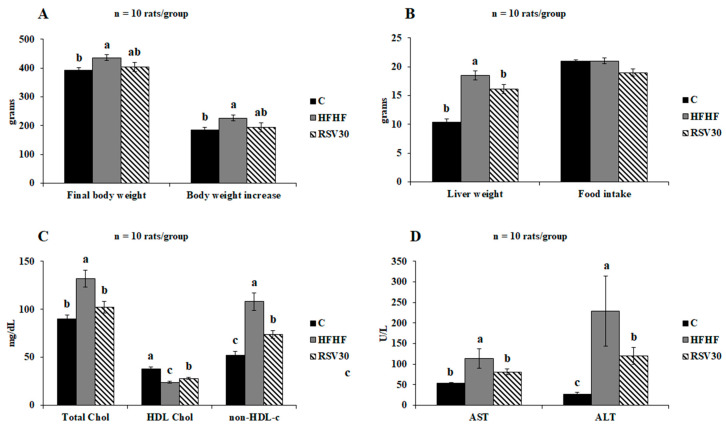
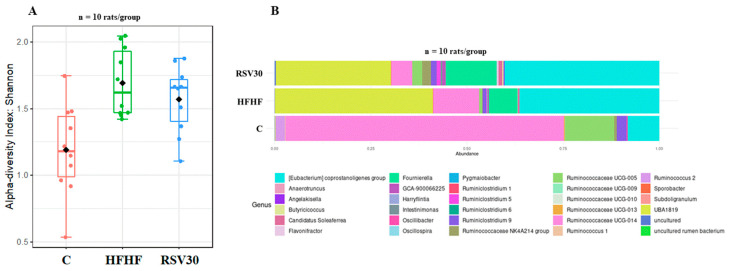
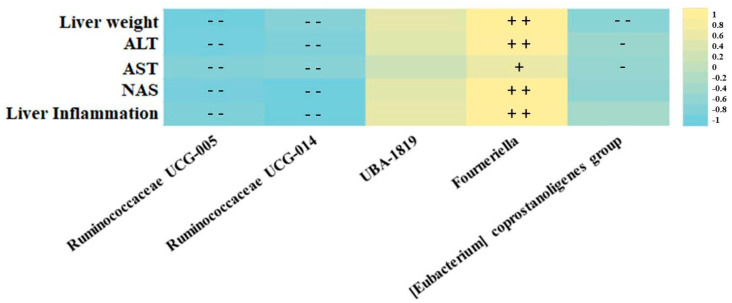
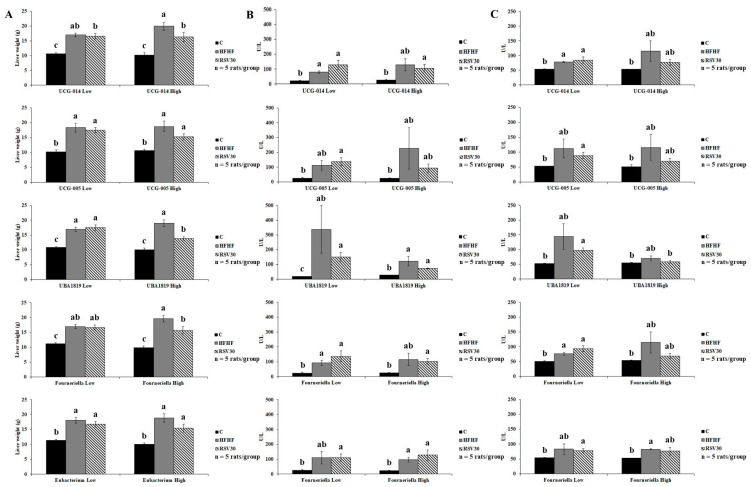
Gut microbiota dysbiosis has been described in several metabolic disruptions, such as non-alcoholic fatty liver disease (NAFLD). Administration of resveratrol has been claimed to elicit benefits against NAFLD along with modulating gut microbiota composition. This investigation aims to study the putative mediating role of gut microbiota in the potential hepato-protective effects of resveratrol in a diet-induced NAFLD rat model. The involvement of bacteria from the Ruminococcaceae family in such effects was also addressed. Resveratrol administration resulted in lowered liver weight and serum total and non-HDL cholesterol concentrations, as well as in increased serum HDL cholesterol levels. The administration of this polyphenol also prevented obesogenic diet-induced serum transaminase increases. In addition, histopathological analysis revealed that resveratrol administration ameliorated the dietary-induced liver steatosis and hepatic inflammation. Gut microbiota sequencing showed an inverse relationship between some bacteria from the Ruminococcaceae family and the screened hepatic markers, whereas in other cases the opposite relationship was also found. Interestingly, an interaction was found between UBA-1819 abundance and resveratrol induced liver weight decrease, suggesting that for this marker resveratrol induced effects were greater when the abundance of this bacteria was high, while no actions were found when UBA-1819 abundance was low.
Keywords: NAFLD; Ruminococcaceae; fructose; microbiota; resveratrol.
Conflict of interest statement
The authors declare no conflict of interest.
Figures
References
Grants and funding
- AGL-2015-65719-R MINECO/FEDER, UE/Ministerio de Economía y Competitividad-Fondo Europeo de Desarrollo Regional
- CB12/03/30007/Instituto de Salud Carlos III CIBERobn
- GIU 18/173/University of the Basque Country
- METAINFLAMATION-Y2020/BIO-6600/Synergic R&D Projects in New and Emerging Scientific Areas on the Frontier of Science and In-terdisciplinary Nature of The Community of Madrid
LinkOut - more resources
Full Text Sources
