


A Three-Dimensional Printed Polycaprolactone-Biphasic-Calcium-Phosphate Scaffold Combined with Adipose-Derived Stem Cells Cultured in Xenogeneic Serum-Free Media for the Treatment of Bone Defects
- PMID: 35893462
- PMCID: PMC9326540
- DOI: 10.3390/jfb13030093
A Three-Dimensional Printed Polycaprolactone-Biphasic-Calcium-Phosphate Scaffold Combined with Adipose-Derived Stem Cells Cultured in Xenogeneic Serum-Free Media for the Treatment of Bone Defects
Abstract
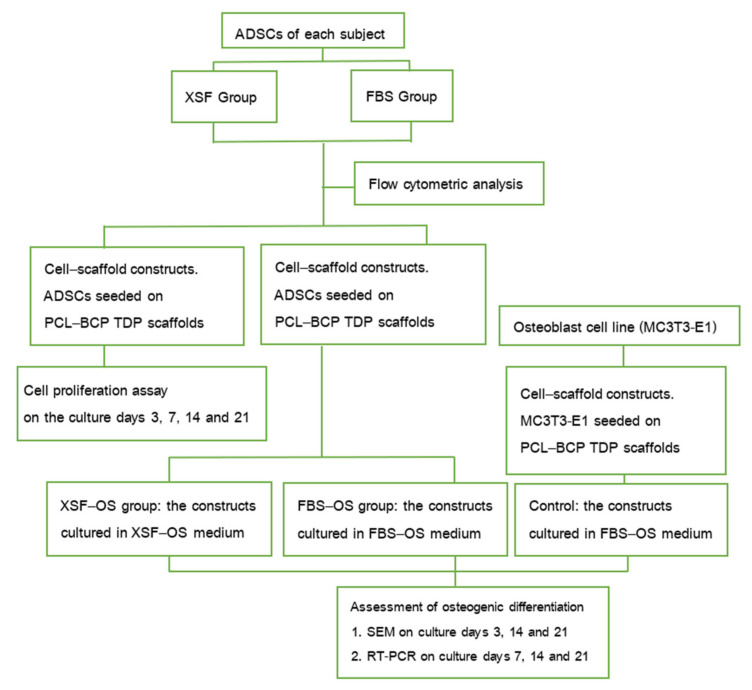
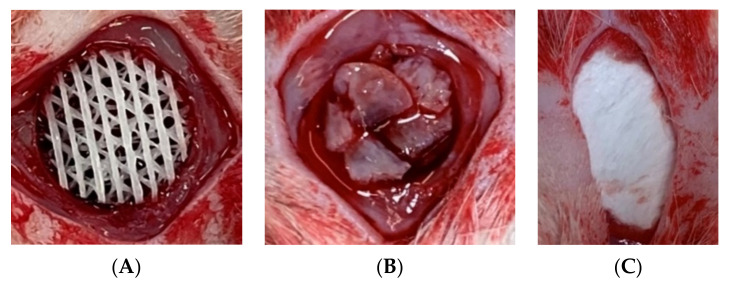
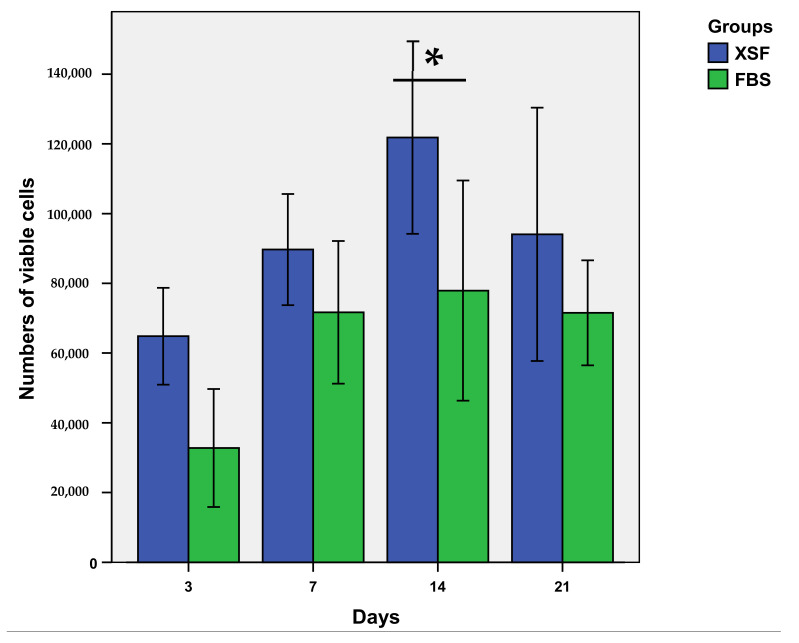
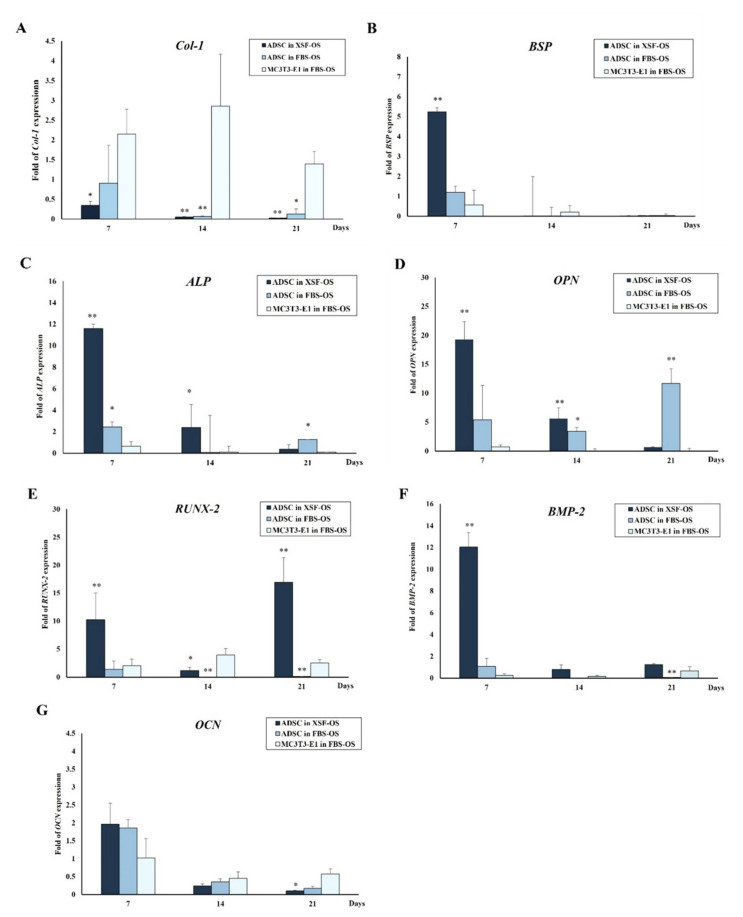
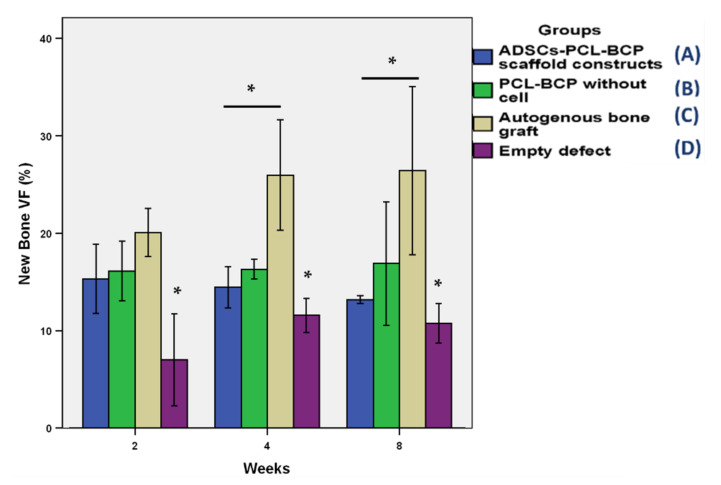
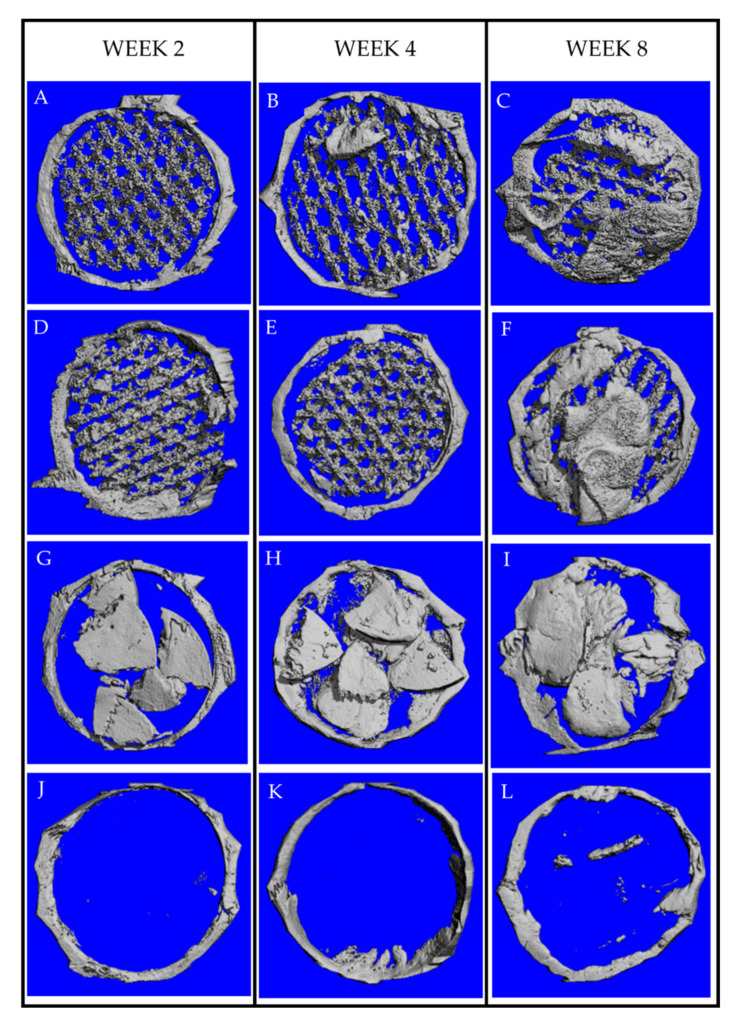
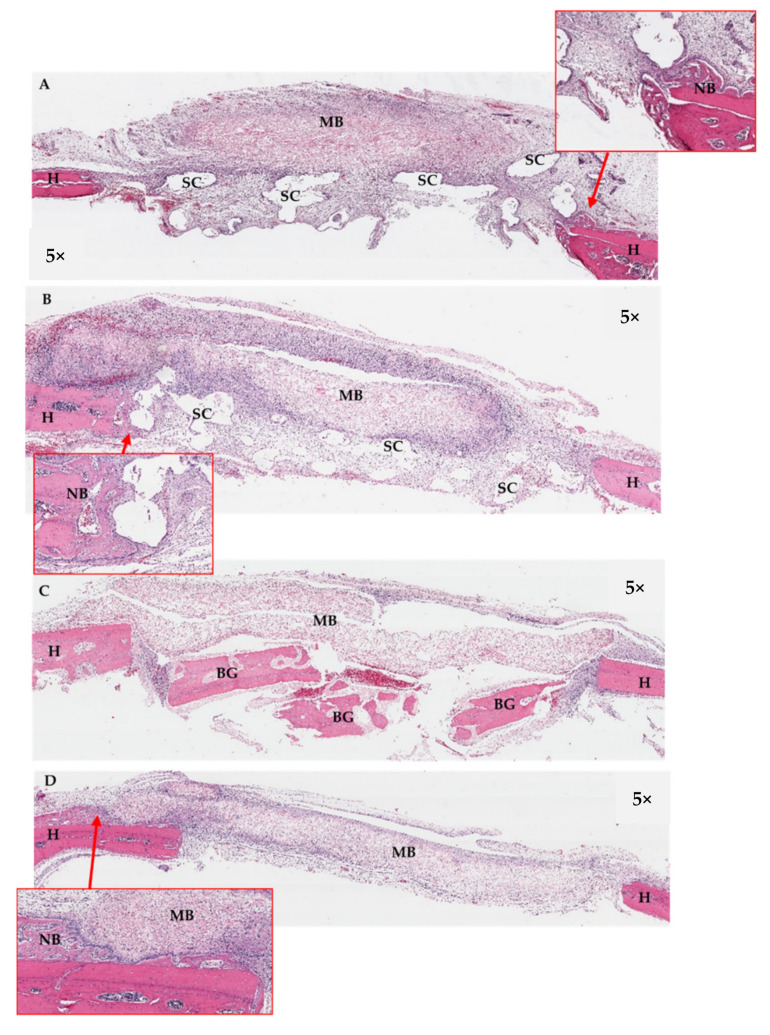
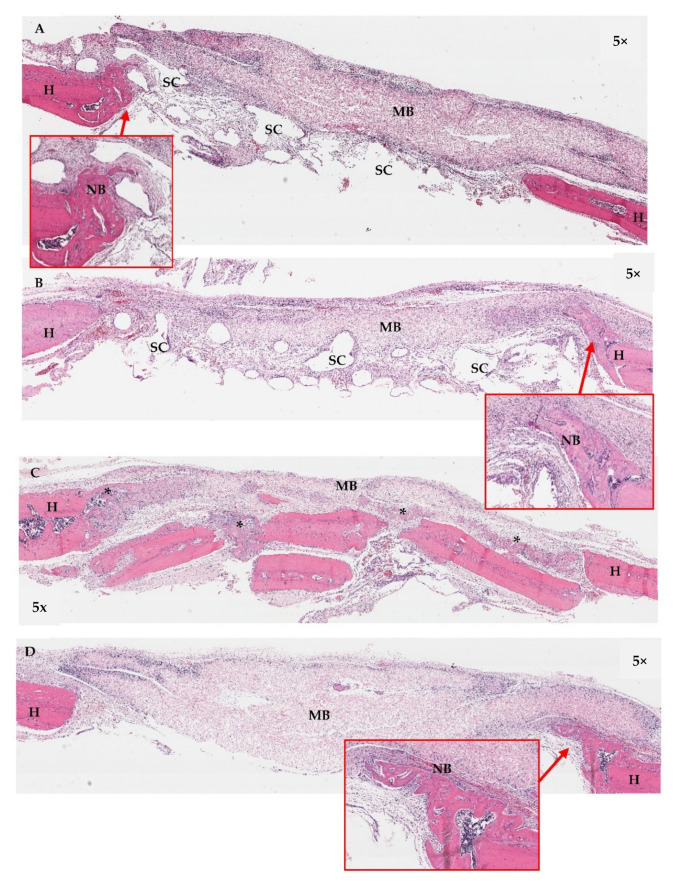
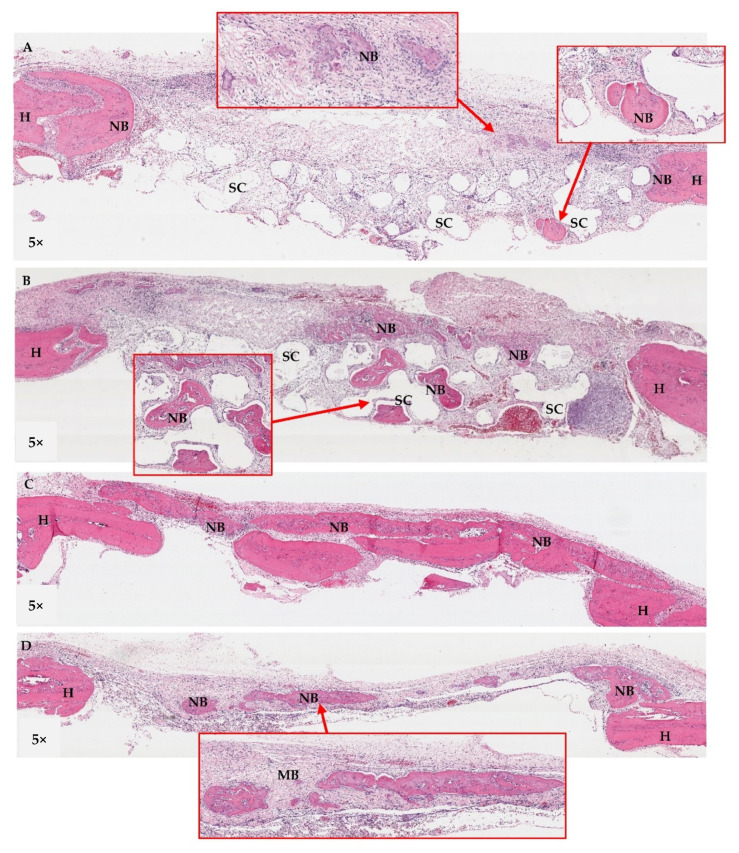
The efficacy of a three-dimensional printed polycaprolactone-biphasic-calcium-phosphate scaffold (PCL-BCP TDP scaffold) seeded with adipose-derived stem cells (ADSCs), which were cultured in xenogeneic serum-free media (XSFM) to enhance bone formation, was assessed in vitro and in animal models. The ADSCs were isolated from the buccal fat tissue of six patients using enzymatic digestion and the plastic adherence method. The proliferation and osteogenic differentiation of the cells cultured in XSFM when seeded on the scaffolds were assessed and compared with those of cells cultured in a medium containing fetal bovine serum (FBS). The cell-scaffold constructs were cultured in XSFM and were implanted into calvarial defects in thirty-six Wistar rats to assess new bone regeneration. The proliferation and osteogenic differentiation of the cells in the XSFM medium were notably better than that of the cells in the FBS medium. However, the efficacy of the constructs in enhancing new bone formation in the calvarial defects of rats was not statistically different to that achieved using the scaffolds alone. In conclusion, the PCL-BCP TDP scaffolds were biocompatible and suitable for use as an osteoconductive framework. The XSFM medium could support the proliferation and differentiation of ADSCs in vitro. However, the cell-scaffold constructs had no benefit in the enhancement of new bone formation in animal models.
Keywords: adipose; biphasic calcium phosphate; polycaprolactone; scaffold; stem cells.
Conflict of interest statement
The authors declare no conflict of interest.
Figures

References
-
- Thuaksuban N., Luntheng T., Monmaturapoj N. Physical characteristics and biocompatibility of the polycaprolactone-biphasic calcium phosphate scaffolds fabricated using the modified melt stretching and multilayer deposition. J. Biomater. Appl. 2016;30:1460–1472. doi: 10.1177/0885328216633890. - DOI - PubMed
-
- Wongsupa N., Nuntanaranont T., Kamolmattayakul S., Thuaksuban N. Assessment of bone regeneration of a tissue-engineered bone complex using human dental pulp stem cells/poly(epsilon-caprolactone)-biphasic calcium phosphate scaffold constructs in rabbit calvarial defects. J. Mater. Sci. Mater. Med. 2017;28:77. doi: 10.1007/s10856-017-5883-x. - DOI - PubMed
-
- Wongsupa N., Nuntanaranont T., Kamolmattayakul S., Thuaksuban N. Biological characteristic effects of human dental pulp stem cells on poly-epsilon-caprolactone-biphasic calcium phosphate fabricated scaffolds using modified melt stretching and multilayer deposition. J. Mater. Sci. Mater. Med. 2017;28:25. doi: 10.1007/s10856-016-5833-z. - DOI - PubMed
LinkOut - more resources
Full Text Sources
