


Molecular Docking and Efficacy of Aloe vera Gel Based on Chitosan Nanoparticles against Helicobacter pylori and Its Antioxidant and Anti-Inflammatory Activities
- PMID: 35893958
- PMCID: PMC9330094
- DOI: 10.3390/polym14152994
Molecular Docking and Efficacy of Aloe vera Gel Based on Chitosan Nanoparticles against Helicobacter pylori and Its Antioxidant and Anti-Inflammatory Activities
Abstract
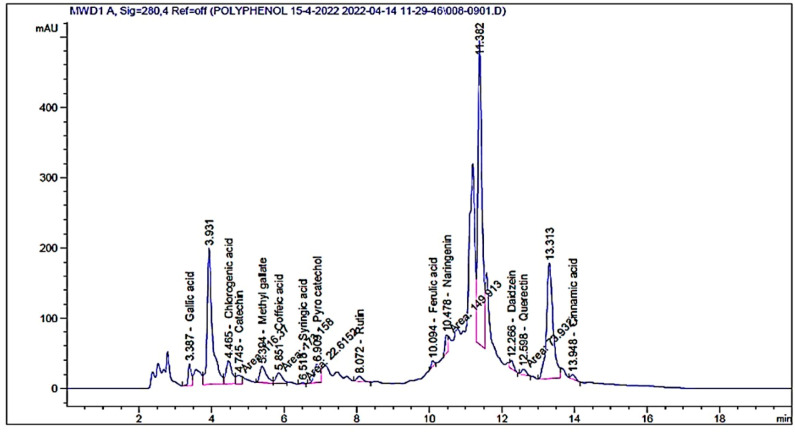
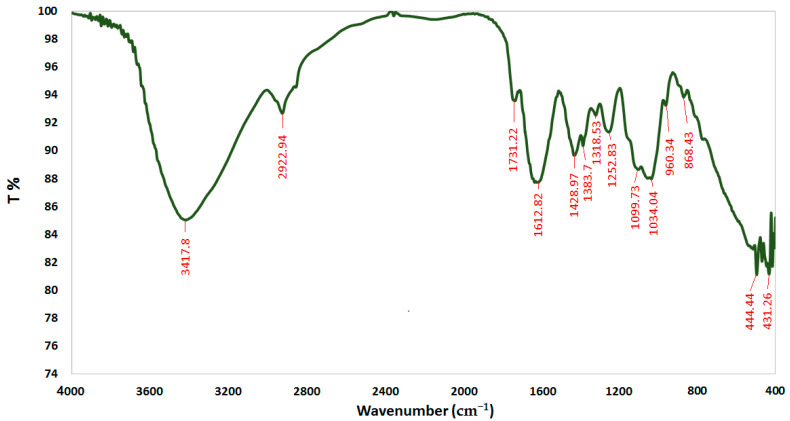
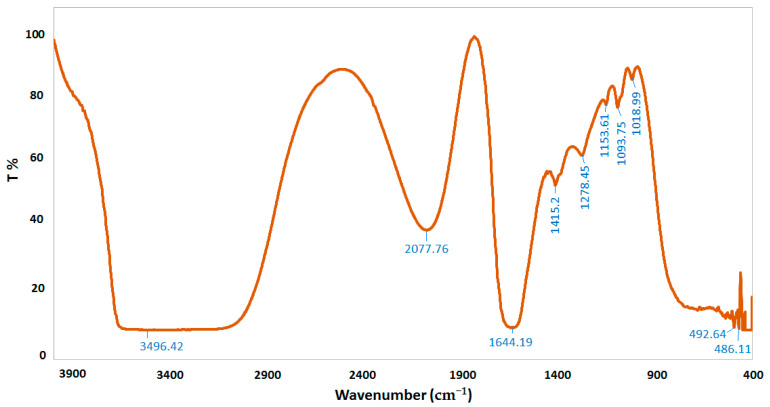
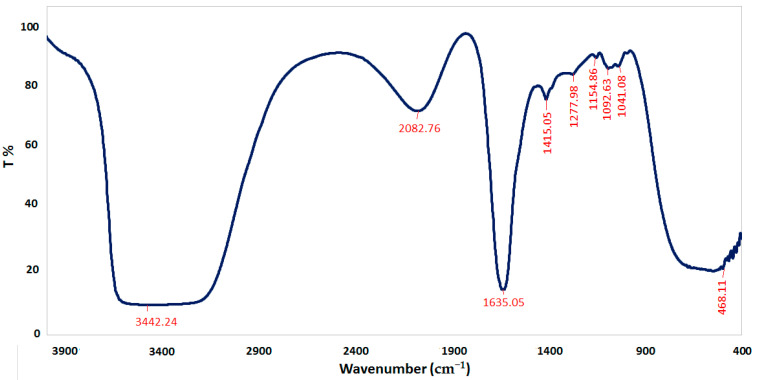
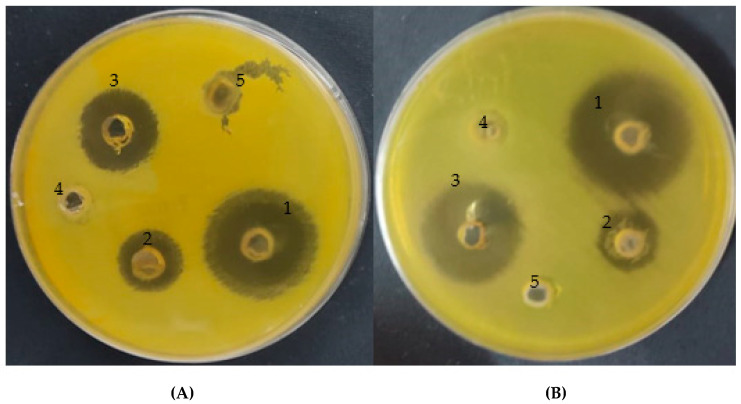
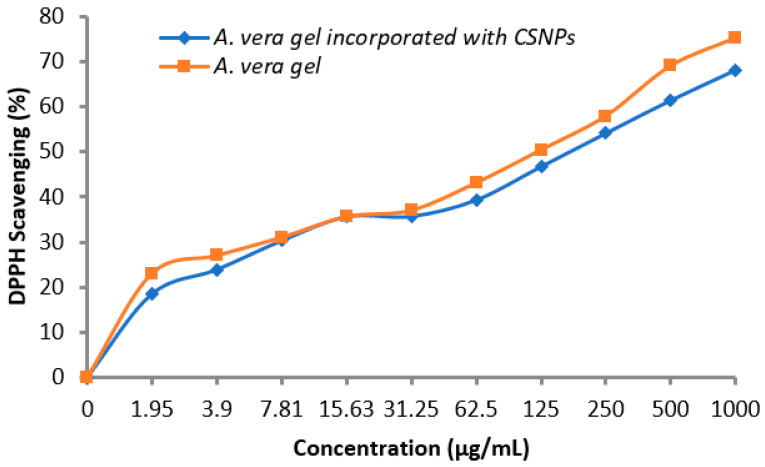
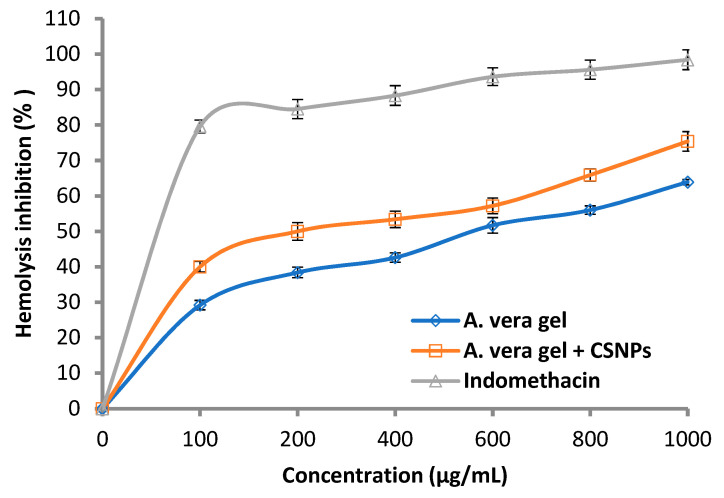
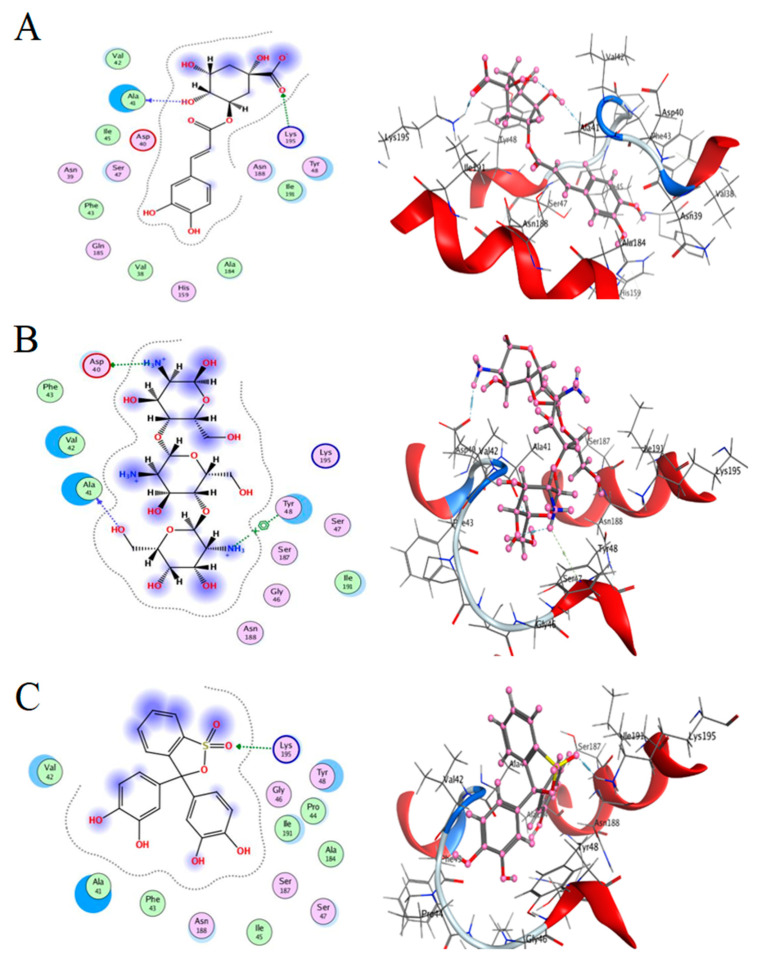
The medicinal administration of Aloe vera gel has become promising in pharmaceutical and cosmetic applications particularly with the development of the nanotechnology concept. Nowadays, effective H. pylori treatment is a global problem; therefore, the development of natural products with nanopolymers such as chitosan nanoparticles (CSNPs) could represent a novel strategy for the treatment of gastric infection of H. pylori. HPLC analysis of A. vera gel indicated the presence of chlorogenic acid as the main constituent (1637.09 µg/mL) with other compounds pyrocatechol (1637.09 µg/mL), catechin (1552.92 µg/mL), naringenin (528.78 µg/mL), rutin (194.39 µg/mL), quercetin (295.25 µg/mL), and cinnamic acid (37.50 µg/mL). CSNPs and A. vera gel incorporated with CSNPs were examined via TEM, indicating mean sizes of 83.46 nm and 36.54 nm, respectively. FTIR spectra showed various and different functional groups in CSNPs, A. vera gel, and A. vera gel incorporated with CSNPs. Two strains of H. pylori were inhibited using A. vera gel with inhibition zones of 16 and 16.5 mm, while A. vera gel incorporated with CSNPs exhibited the highest inhibition zones of 28 and 30 nm with resistant and sensitive strains, respectively. The minimal inhibitory concentration (MIC) was 15.62 and 3.9 µg/mL, while the minimal bactericidal concentration (MBC) was 15.60 and 7.8 µg/mL with MBC/MIC 1 and 2 indexes using A. vera gel and A. vera gel incorporated with CSNPs, respectively, against the resistance strain. DPPH Scavenging (%) of the antioxidant activity exhibited an IC50 of 138.82 μg/mL using A.vera gel extract, and 81.7 μg/mL when A.vera gel was incorporated with CSNPs. A.vera gel incorporated with CSNPs enhanced the hemolysis inhibition (%) compared to using A.vera gel alone. Molecular docking studies through the interaction of chlorogenic acid and pyrocatechol as the main components of A. vera gel and CSNPs with the crystal structure of the H. pylori (4HI0) protein supported the results of anti-H. pylori activity.
Keywords: Aloe vera; Helicobacter pylor; chitosan nanoparticles; evaluation; in vitro; therapeutic effects.
Conflict of interest statement
The authors declare no conflict of interest.
Figures

References
-
- Bajer D., Janczak K., Bajer K. Novel Starch/Chitosan/Aloe vera Composites as Promising Biopackaging Materials. J. Polym. Environ. 2020;28:1021–1039. doi: 10.1007/s10924-020-01661-7. - DOI
-
- Tayal E., Sardana D., InduShekar K.R., Saraf B.G., Sheoran N. Current perspectives on use of Aloe vera in dentistry. Eur. J. Med. Plants. 2014;4:1408–1419. doi: 10.9734/EJMP/2014/10843. - DOI
LinkOut - more resources
Full Text Sources
