


VMHvllCckar cells dynamically control female sexual behaviors over the reproductive cycle
- PMID: 35896109
- PMCID: PMC9509472
- DOI: 10.1016/j.neuron.2022.06.026
VMHvllCckar cells dynamically control female sexual behaviors over the reproductive cycle
Abstract
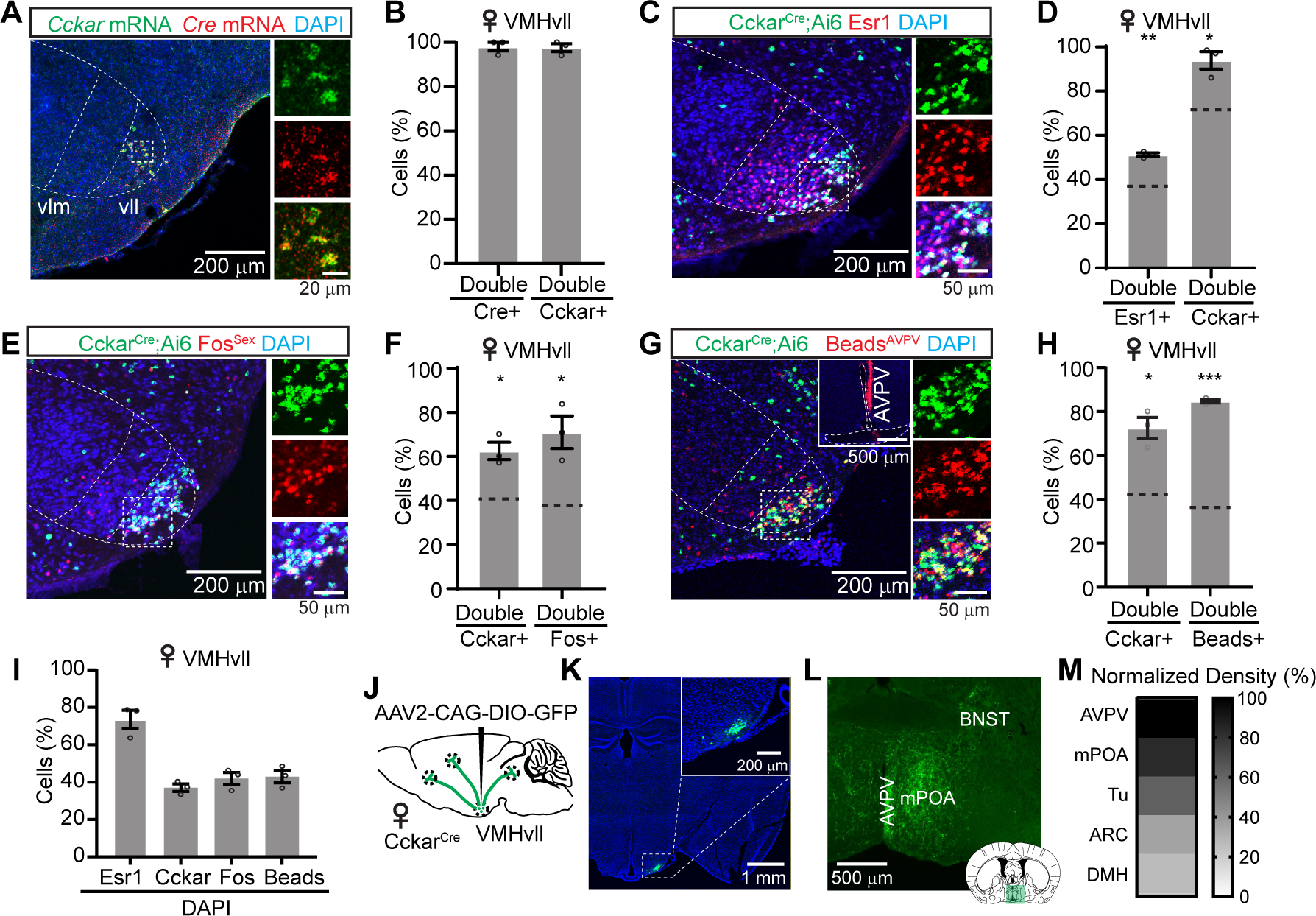
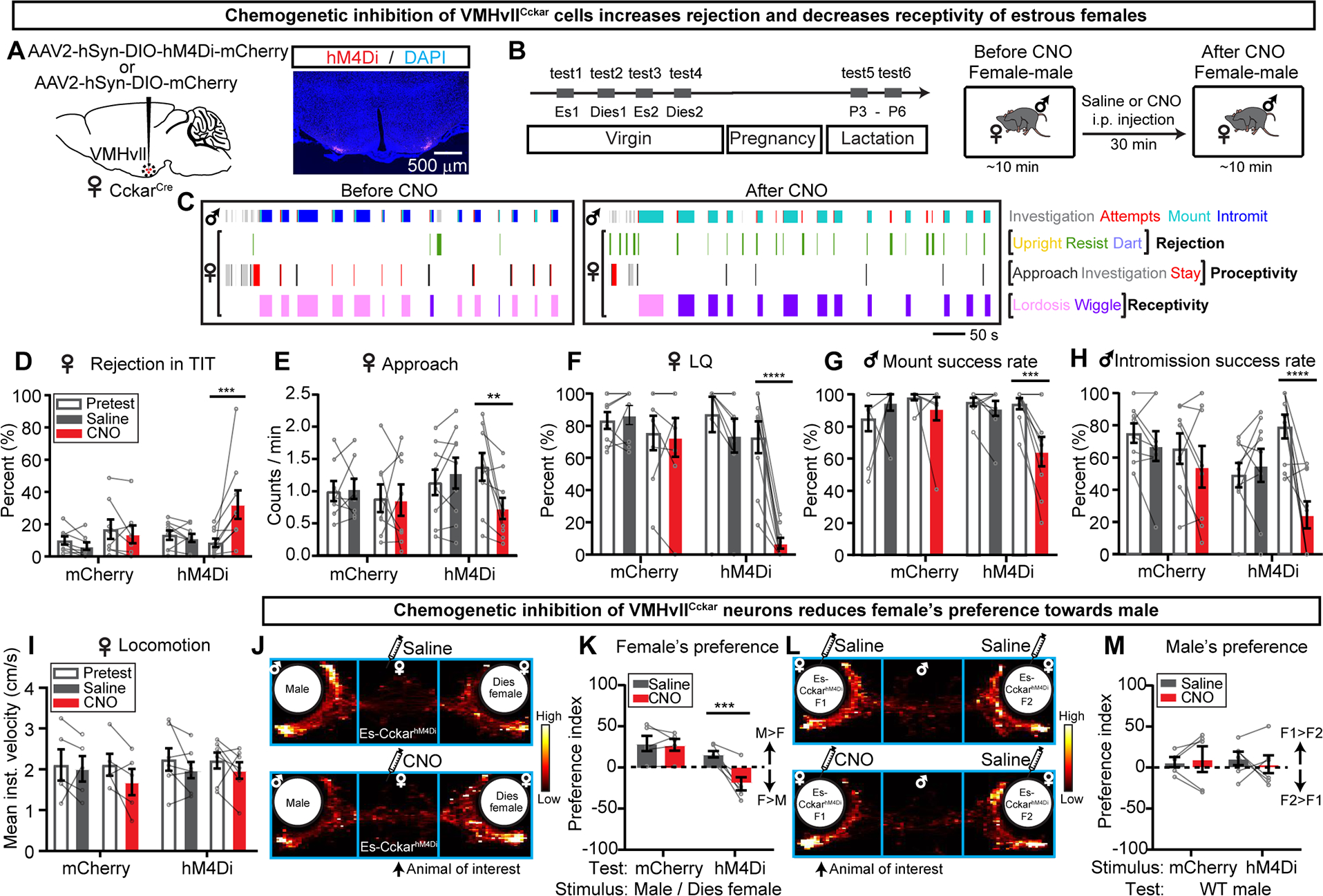
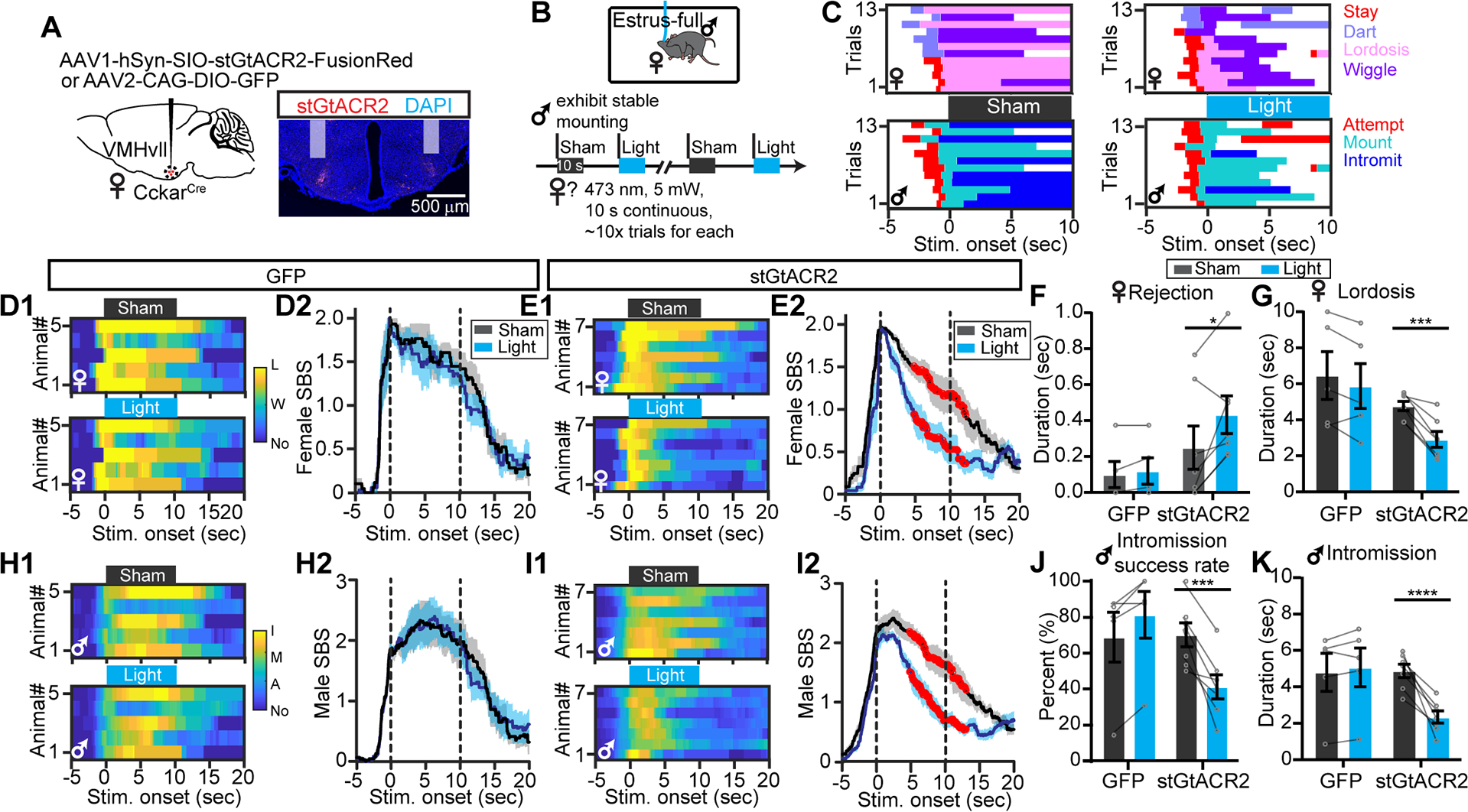
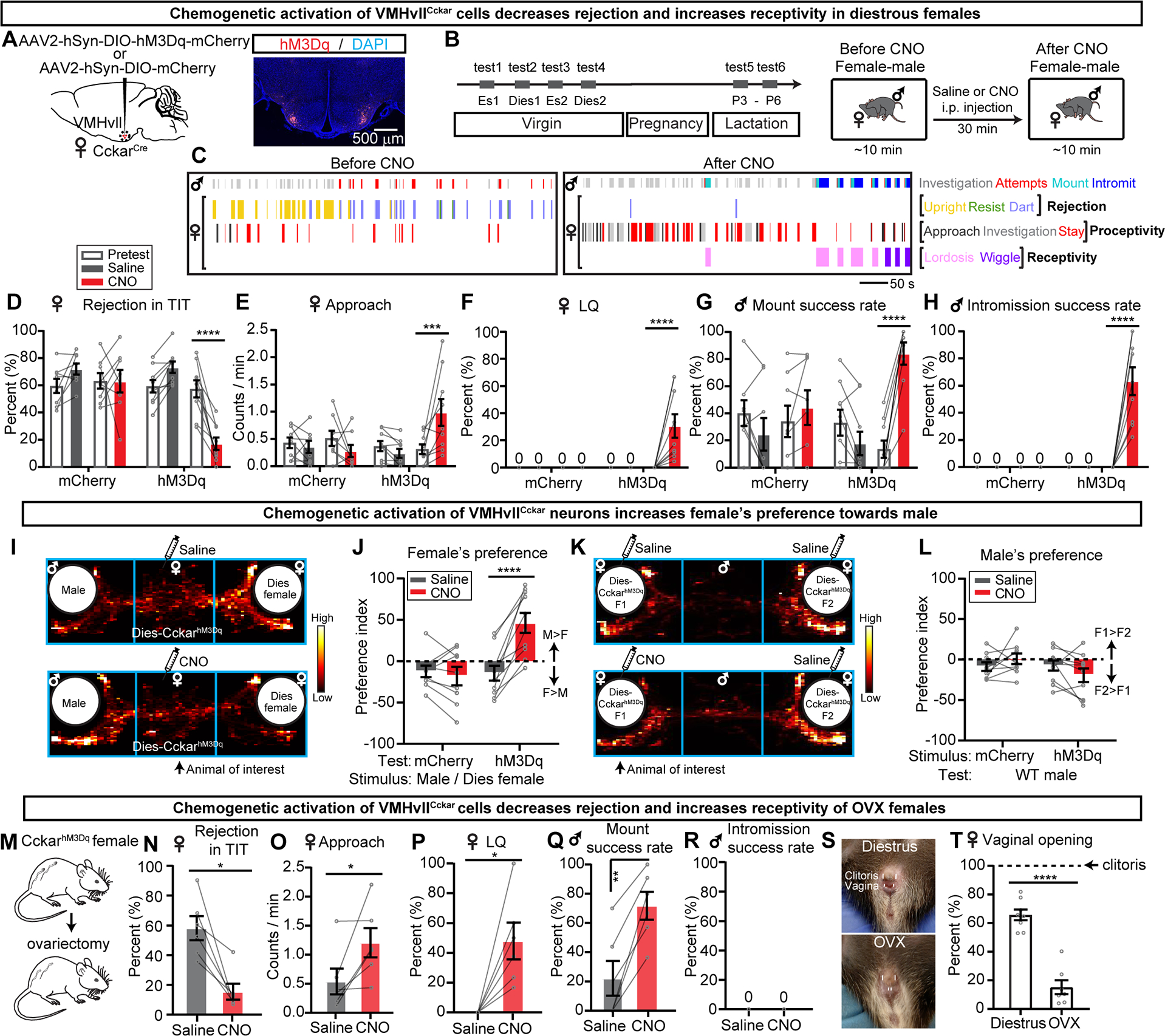
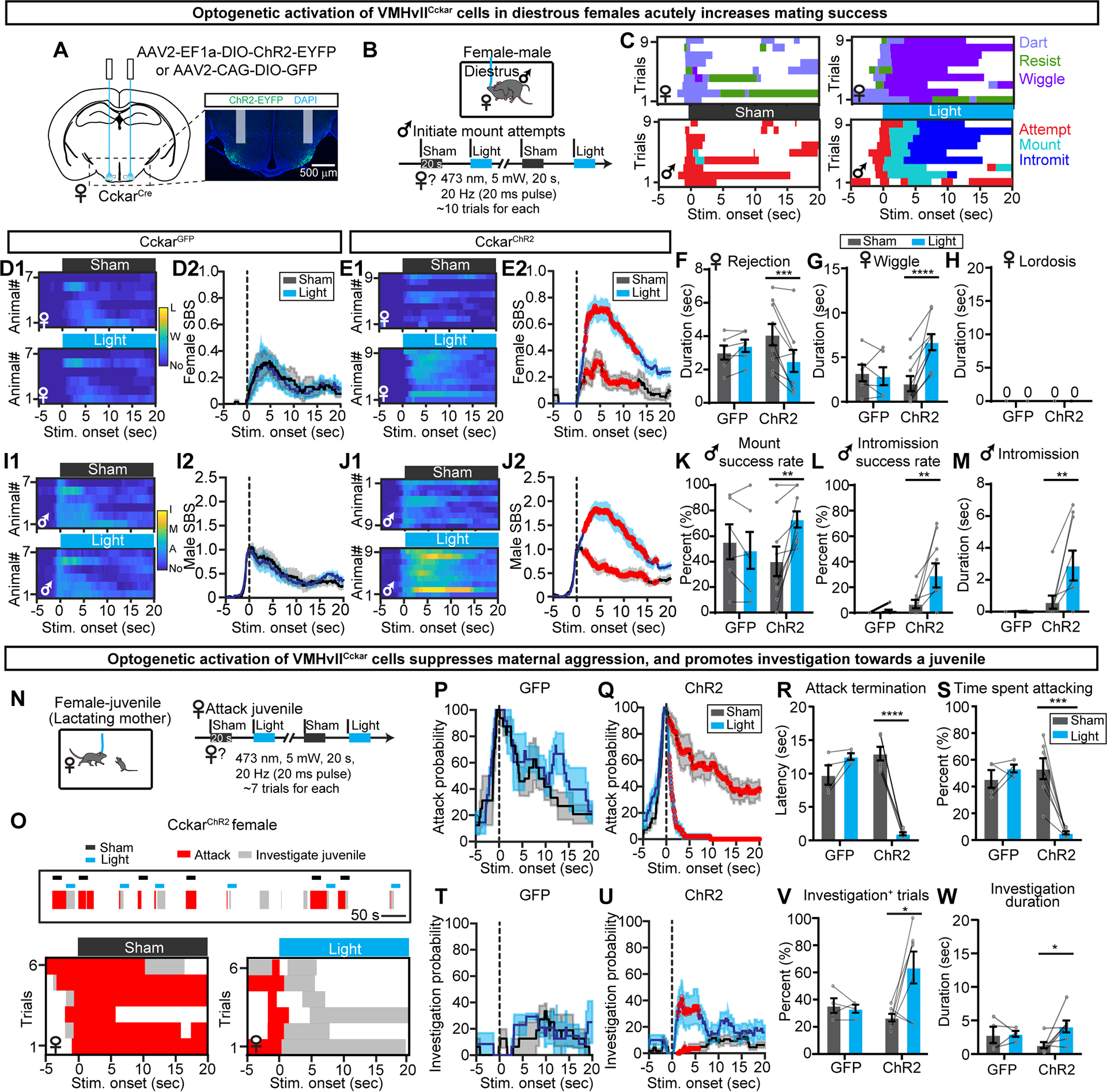
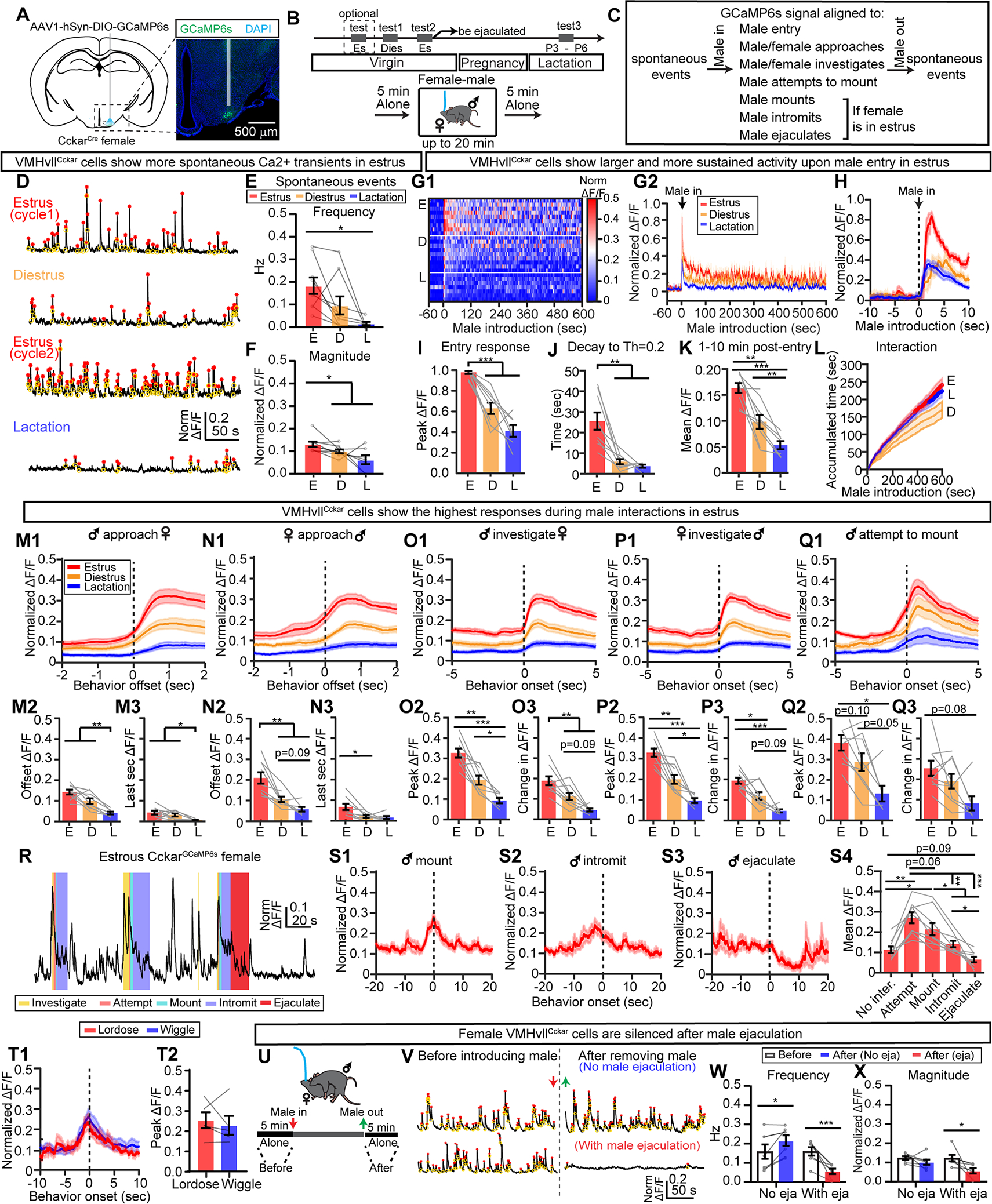
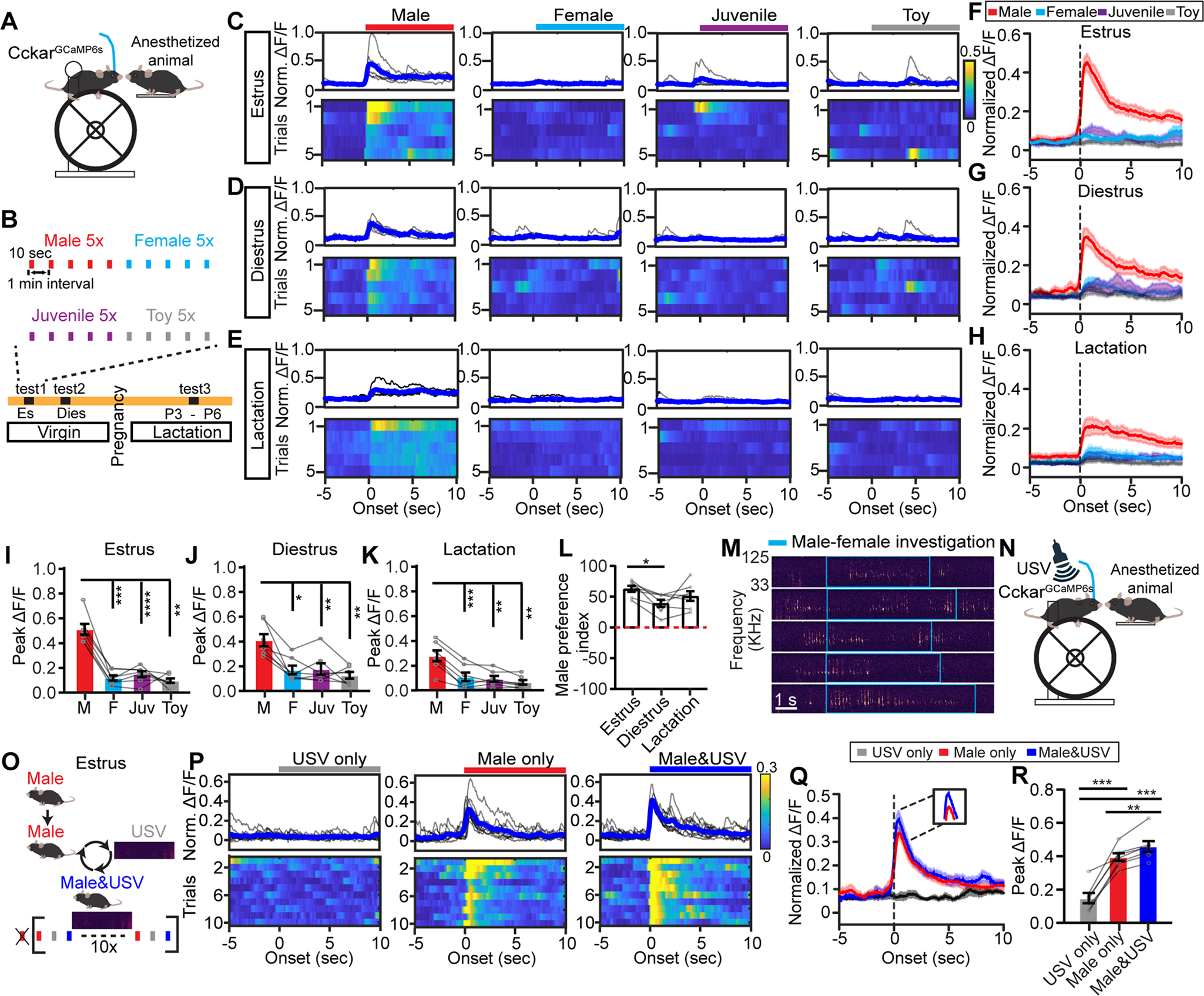
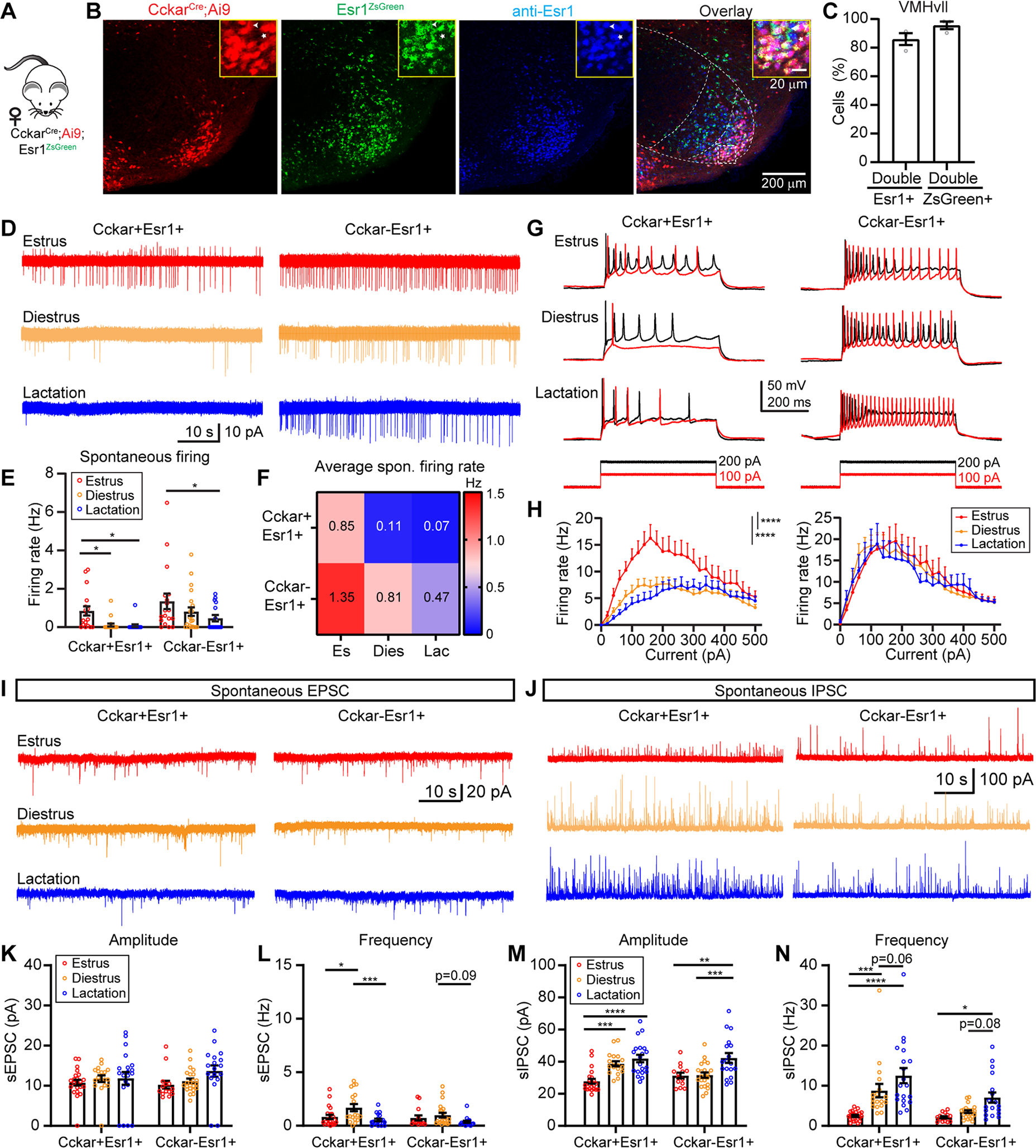
Sexual behavior is fundamental for the survival of mammalian species and thus supported by dedicated neural substrates. The ventrolateral part of ventromedial hypothalamus (VMHvl) is an essential locus for controlling female sexual behaviors, but recent studies revealed the molecular complexity and functional heterogeneity of VMHvl cells. Here, we identify the cholecystokinin A receptor (Cckar)-expressing cells in the lateral VMHvl (VMHvllCckar) as the key controllers of female sexual behaviors. The inactivation of VMHvllCckar cells in female mice diminishes their interest in males and sexual receptivity, whereas activating these cells has the opposite effects. Female sexual behaviors vary drastically over the reproductive cycle. In vivo recordings reveal reproductive-state-dependent changes in VMHvllCckar cell spontaneous activity and responsivity, with the highest activity occurring during estrus. These in vivo response changes coincide with robust alternation in VMHvllCckar cell excitability and synaptic inputs. Altogether, VMHvllCckar cells represent a key neural population dynamically controlling female sexual behaviors over the reproductive cycle.
Keywords: cholecystokinin A receptor; female sexual behavior; maternal aggression; neural plasticity; reproductive cycle; ventrolateral part of ventromedial hypothalamus.
Copyright © 2022 Elsevier Inc. All rights reserved.
Conflict of interest statement
Declaration of interests The authors declare no competing interests.
Figures
Comment in
-
Love or not? A new subpopulation of neurons controls the switch of female sexual behavior.Neuron. 2022 Sep 21;110(18):2893-2895. doi: 10.1016/j.neuron.2022.08.008. Neuron. 2022. PMID: 36137518
References
-
- Babcock AM, Bloch GJ, and Micevych PE (1988). Injections of cholecystokinin into the ventromedial hypothalamic nucleus inhibit lordosis behavior in the rat. Physiology behavior 43, 195–199. - PubMed
-
- Beach FA (1976). Sexual attractivity, proceptivity, and receptivity in female mammals. Horm Behav 7, 105–138. - PubMed
Publication types
MeSH terms
Substances
Grants and funding
LinkOut - more resources
Full Text Sources
Molecular Biology Databases
