


Rhabdomyolysis-Induced AKI (RIAKI) Including the Role of COVID-19
- PMID: 35897810
- PMCID: PMC9329740
- DOI: 10.3390/ijms23158215
Rhabdomyolysis-Induced AKI (RIAKI) Including the Role of COVID-19
Abstract
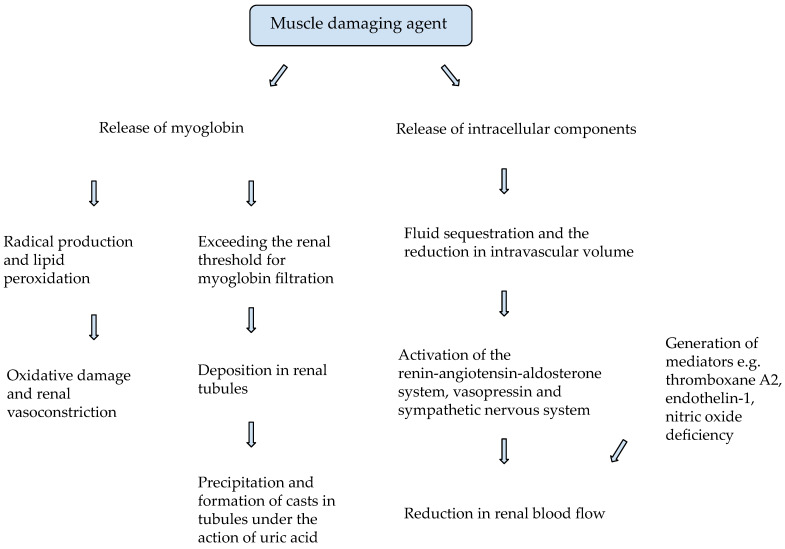
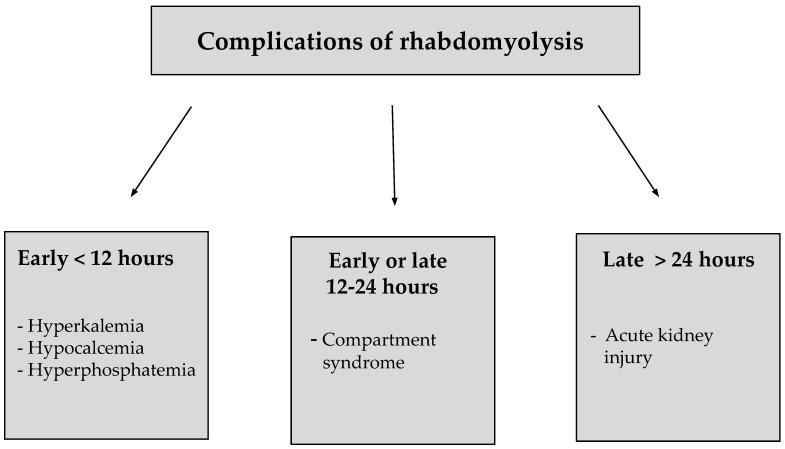
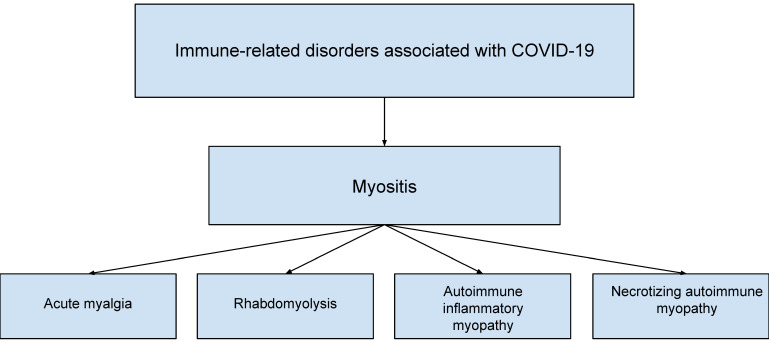
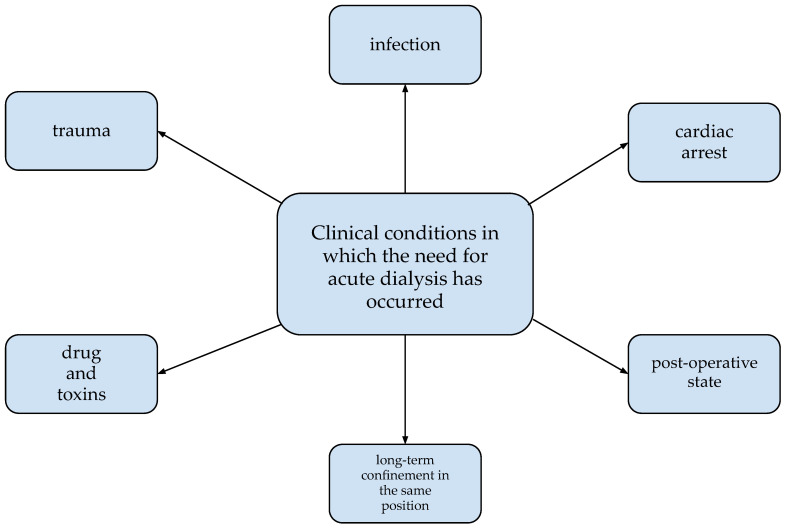
Rhabdomyolysis is a compound disease that may be induced by many factors, both congenital and acquired. Statin therapy is considered one of the most common acquired factors. However, recent scientific reports suggest that serious complications such as rhabdomyolysis are rarely observed. Researchers suggest that, in many cases, side effects that occur with statin therapy, including muscle pain, can be avoided with lower-dose statin therapy or in combination therapy with other drugs. One of the most recent agents discovered to contribute to rhabdomyolysis is COVID-19 disease caused by severe acute respiratory syndrome coronavirus 2 (SARS-CoV-2). Rhabdomyolysis is defined as a damage to striated muscle cells with escape of intracellular substances into the bloodstream. These substances, including myoglobin, creatine kinase (CK), potassium, and uridine acid, are markers of muscle damage and early complications of rhabdomyolysis. Symptoms may be helpful in establishing the diagnosis. However, in almost 50% of patients, they do not occur. Therefore, the diagnosis is confirmed by serum CK levels five times higher than the upper limit of normal. One of the late complications of this condition is acute kidney injury (AKI), which is immediately life-threatening and has a high mortality rate among patients. Therefore, the prompt detection and treatment of rhabdomyolysis is important. Markers of muscle damage, such as CK, lactate dehydrogenase (LDH), myoglobin, troponins, and aspartate aminotransferase (AST), are important in diagnosis. Treatment of rhabdomyolysis is mainly based on early, aggressive fluid resuscitation. However, therapeutic interventions, such as urinary alkalinization with sodium bicarbonate or the administration of mannitol or furosemide, have not proven to be beneficial. In some patients who develop AKI in the course of rhabdomyolysis, renal replacement therapy (RRT) is required.
Keywords: COVID-19; acute kidney injury; renal replacement therapy; rhabdomyolysis; statin.
Conflict of interest statement
The authors declare no conflict of interest.
Figures
References
Publication types
MeSH terms
Substances
LinkOut - more resources
Full Text Sources
Medical
Research Materials
Miscellaneous
